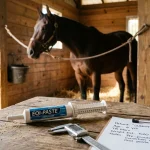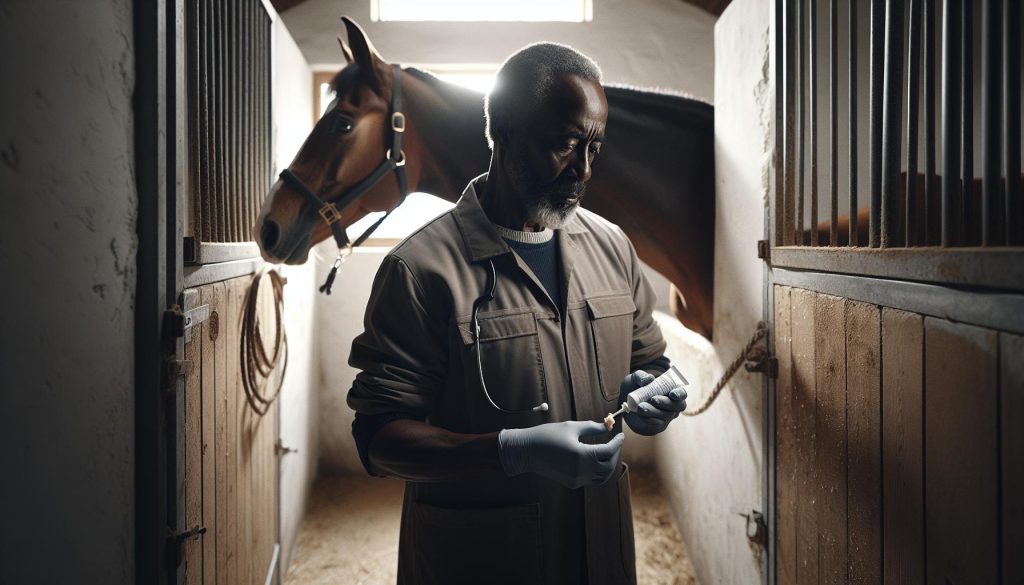
What is ivermectin for horses? Ivermectin for horses is a broad-spectrum veterinary anthelmintic formulation (most commonly a 1.87% oral paste or gel) designed to control and eradicate internal equine parasites. The standard ivermectin dose horse administration is calibrated at 200 micrograms per kilogram of body weight (0.2 mg/kg, or 91 mcg/lb). A single calibrated syringe treats an adult horse weighing up to 1,250 lbs (567 kg). Ivermectin for horses paralyzes nematodes and arthropod parasites by opening glutamate-gated chloride channels, providing high clinical efficacy against large and small strongyles, pinworms, hairworms, stomach worms, and stomach bot fly larvae (Gasterophilus spp.).
Did you know that Ivermectin, widely recognized for its role in treating parasitic infections, also plays a crucial role in equine health? This remarkable veterinary medication has become essential for horse owners facing common but pesky issues like worms and mites. Understanding how to safely and effectively use Ivermectin paste for horses isn’t just beneficial-it’s vital for ensuring your horse’s overall health and well-being. Whether you are a seasoned equestrian or a new horse owner, navigating the complexities of equine care can be overwhelming. This guide aims to empower you with knowledge about Ivermectin’s applications, proper administration, and its importance in maintaining your horse’s health. Join us as we explore the ins and outs of this important veterinary tool, offering practical insights that will keep your horses happy and healthy.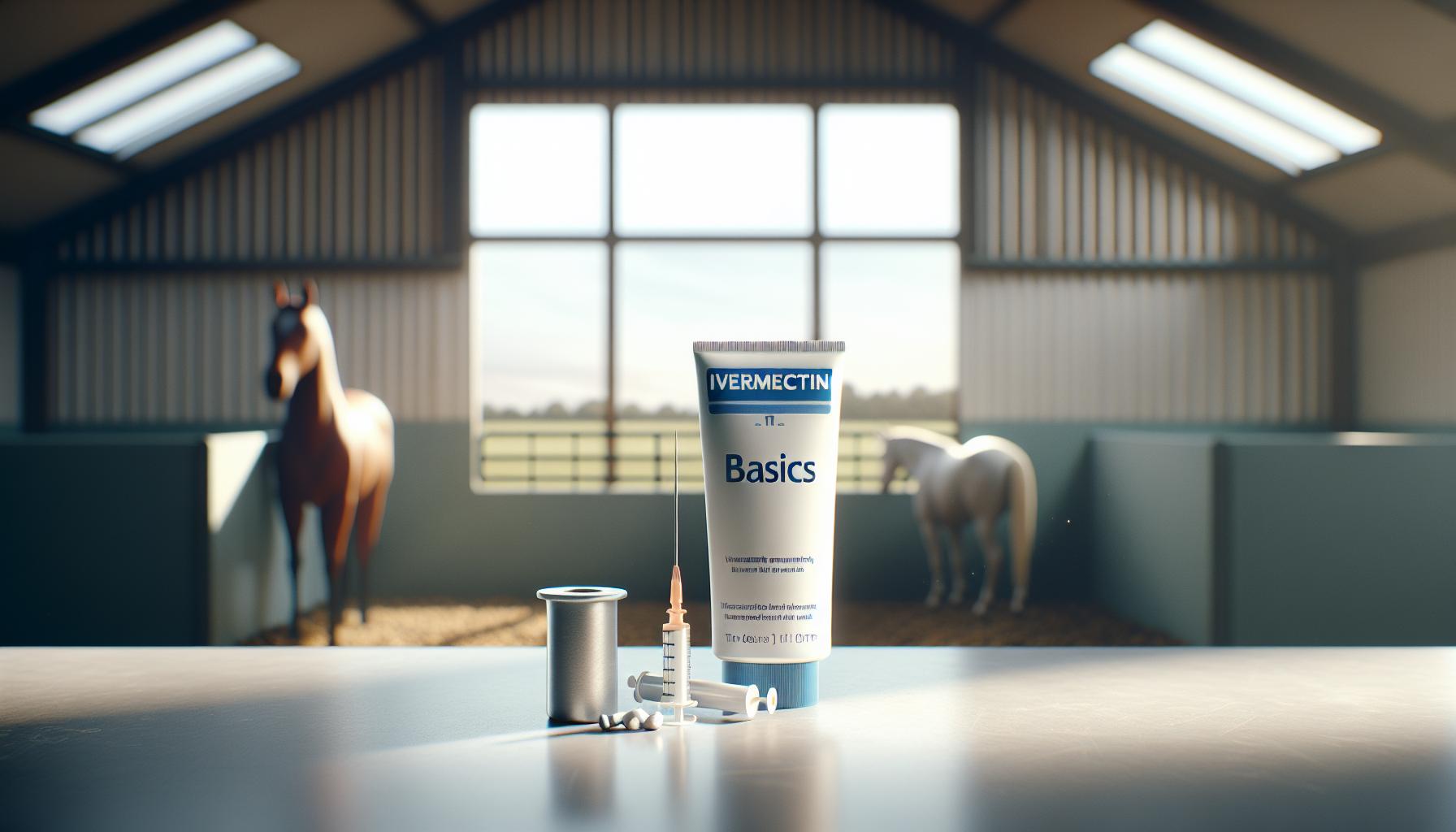
Ivermectin Paste Basics: What You Need to Know
Clinical Dosing Matrix: Ivermectin Dose Horse by Weight Class
Administering ivermectin for horse parasite control requires weight-based calibration using the syringe’s notched plunger ring. Whether administering standard paste or specialized ivermectin gel for horses, the recommended clinical dose remains 200 mcg/kg (0.2 mg/kg):
| Equine Weight Bracket | Body Weight (lbs / kg) | Active Ivermectin Delivered | Plunger Dial Setting |
|---|---|---|---|
| Miniature Horse / Foal | 250 lbs / 113 kg | 22.7 mg | 250 lb notch mark |
| Pony / Yearling | 500 lbs / 227 kg | 45.4 mg | 500 lb notch mark |
| Light Riding Breed (Arabian, Morgan) | 750 lbs / 340 kg | 68.0 mg | 750 lb notch mark |
| Standard Thoroughbred / Quarter Horse | 1,000 lbs / 454 kg | 90.8 mg | 1,000 lb notch mark |
| Warmblood / Medium Sport Horse | 1,250 lbs / 567 kg | 113.4 mg | Full Single Syringe |
| Heavy Draft Breed (Percheron, Clydesdale) | 1,500+ lbs / 680+ kg | 136.0+ mg | Full Syringe + Second Syringe Calibrated to Surplus Weight |
Ivermectin paste has become a staple in equine veterinary care, recognized for its effectiveness in treating various parasitic infections in horses. It is an antiparasitic agent primarily used to manage infestations caused by worms, including roundworms, threadworms, and other parasites that can adversely affect a horse’s health. Understanding how to properly use ivermectin paste is crucial for any horse owner, as it ensures the well-being of their animals while promoting optimal health.
When using ivermectin paste, it’s vital to follow the indicated dosage and administration guidelines, as improper use can lead to ineffectiveness or even harm. One notable aspect of ivermectin paste is its formulation; it typically comes in a syringe with a calibrated dosage display, allowing owners to measure the correct amount easily based on the horse’s weight. The paste should be administered orally, and it is essential to ensure that the horse swallows the medication completely to maximize its efficacy.
While ivermectin is generally safe, it’s important to be aware of potential interactions and side effects. Though rare, some horses may experience adverse reactions, such as marginal neurological signs or digestive disturbances. Therefore, consulting with a veterinarian prior to administration is advisable to rule out any contraindications based on the individual horse’s health history.
In summary, ivermectin paste is a powerful tool in equine healthcare, essential for deworming and maintaining horse health. Owners should familiarize themselves with its practical applications to harness its full potential while safeguarding their horses’ well-being. By adhering to best practices and veterinary guidance, horse owners can effectively navigate the use of this vital medication.
Understanding the Veterinary Uses of Ivermectin
Ivermectin paste is not just a common deworming treatment; it represents a significant advancement in managing equine health by targeting a range of parasitic infections that can severely affect horses. Originally developed for humans and later adapted for veterinary use, ivermectin has become a cornerstone in equine medicine, particularly in addressing issues related to intestinal worms, external parasites such as mites and lice, and more. Understanding its veterinary applications can empower horse owners to maintain their animals’ health effectively and responsibly.
One of the primary uses of ivermectin in veterinary practice is its efficacy in treating strongyles, roundworms, and other internal parasites that can cause nutritional deficiencies, colic, and anemia in horses. In addition, ivermectin is highly effective against external parasites, including bots and certain species of mites that can lead to skin irritations and infections. Its broad-spectrum activity makes it a preferred choice for many veterinarians when forming treatment protocols for horses exhibiting signs of parasitic infestations.
Moreover, the convenience of ivermectin paste formulation allows for straightforward administration. Each syringe is designed with easy-to-read markings that indicate the correct dosage based on the horse’s weight. This not only helps ensure accuracy but also increases compliance with treatment regimens. As an added benefit, ivermectin has a favorable safety profile when used as directed, making it suitable for both adult horses and foals, although veterinary guidance is always recommended for young or compromised animals.
Understanding the specific applications and strengths of ivermectin will also prepare horse owners to engage in meaningful discussions with veterinarians regarding ongoing parasite management, especially in the face of emerging concerns like resistance. With careful administration and attention to dosage, ivermectin remains a vital tool in promoting the health and performance of horses, ensuring that these magnificent animals can thrive in their environments. By integrating this knowledge into regular care practices, owners can foster not just healthier horses, but also achieve greater peace of mind.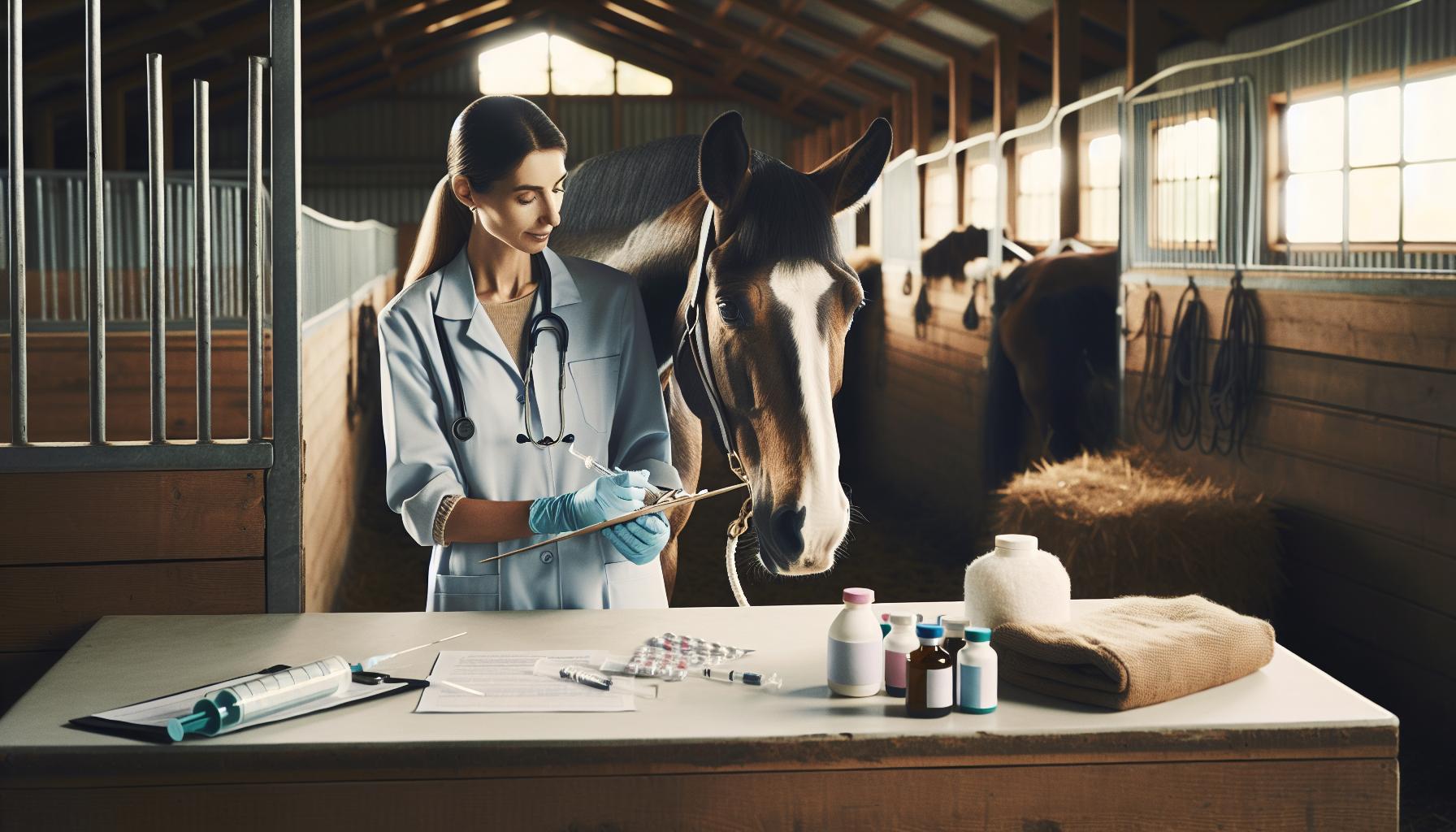
Potential Risks and Side Effects in Horses
Horses, like all animals, can experience side effects from medications, and while ivermectin paste is widely regarded as safe and effective, it’s essential for owners to be aware of potential risks. Ivermectin can sometimes cause reactions in horses, primarily related to their individual sensitivities, the dosage administered, and how they metabolize the drug. Most side effects are mild and manageable, but understanding these risks ensures that horse owners can act quickly should any issues arise.
Common mild side effects include lethargy, loss of appetite, and mild gastrointestinal discomfort, such as diarrhea. These reactions are typically short-lived and may occur as the horse adjusts to the medication. However, some horses might experience more significant reactions, such as allergic responses, which could manifest as swelling, hives, or even signs of breathing difficulties. In rare cases, neurological symptoms such as disorientation or ataxia (lack of voluntary coordination of muscle movements) may occur, particularly if a horse has an underlying sensitivity or there has been an overdose.
- Common Mild Side Effects: Lethargy, loss of appetite, mild diarrhea
- Serious Reactions: Allergic responses such as swelling and hives, breathing difficulties
- Rare Side Effects: Neurological symptoms like disorientation or ataxia
To mitigate these risks, it’s crucial for horse owners to follow dosage guidelines precisely and consult with a veterinarian beforehand, especially for young, elderly, or compromised horses. Regular monitoring after administration can help catch any adverse effects early. If concerning symptoms arise post-treatment, immediate veterinary advice should be sought. Accidental overdoses, which can result from incorrect administration or a mistake in dosage calculation, are another risk factor; hence proper training in administering ivermectin paste is vital.
In conclusion, while ivermectin paste is a powerful tool for managing parasites in horses, understanding the potential risks and side effects allows for informed and safe use. Keeping a close eye on your horse’s behavior post-treatment can lead to prompt action if any adverse effects are observed, ensuring that these magnificent animals continue to thrive in their care.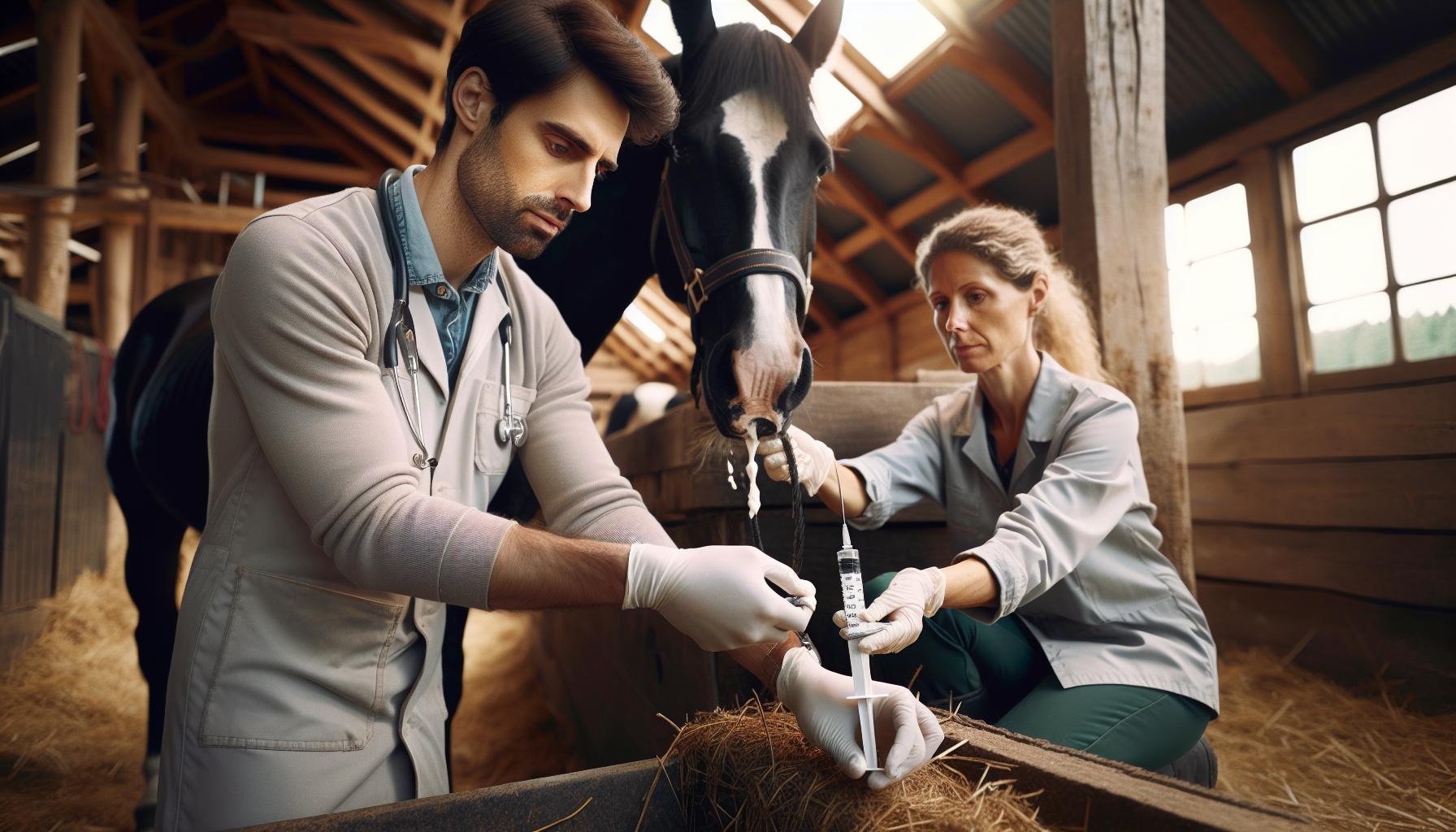
How to Properly Administer Ivermectin Paste
Administering ivermectin paste to horses requires knowledge and care to ensure effective treatment and the well-being of the animal. Horses are sensitive creatures, and improper administration can lead to stress or ineffective dosages. Here’s a guide to help you navigate the administration process, making it as smooth and safe as possible for both you and your horse.
First, gather all necessary supplies before beginning. This includes the ivermectin paste itself, a syringe (if not pre-packaged with the paste), and, ideally, a treat your horse enjoys to reward them after the procedure. Ensure your horse is calm and standing on a flat surface to minimize the risk of injury. It’s best to have a helper if you’re inexperienced, as an extra pair of hands can help keep your horse steady and relaxed during the process.
When you are ready, remove the cap from the ivermectin paste syringe and check the dosage markings. Based on your horse’s weight, you should be prepared to administer the correct amount, which will typically be indicated on the product label. Position yourself next to the horse’s head, gently leading it to turn its head toward you. Aim to place the syringe in the side of the mouth, between the cheek and gum, avoiding the teeth to prevent injury. With firm but gentle pressure, push the plunger to dispense the paste.
Once administered, it’s important to encourage your horse to swallow the paste. You can stroke their neck or offer a treat to help them associate the process with a positive outcome. After the administration, monitor your horse closely for any side effects, especially in the first few hours post-treatment. As a best practice, record the date and dosage administered in your log for future reference.
By following these steps, you can ensure that your application of ivermectin paste is both effective and stress-free, supporting your horse’s health efficiently. Each successful administration also builds trust between you and your horse, making future treatments easier for both parties involved.
Ivermectin Dosage Guidelines for Horses
When using ivermectin paste for horses, accurate dosing is crucial to ensure not only the effectiveness of the treatment but also the safety of the animal. The dosage depends primarily on the horse’s weight. Generally, the standard recommended dosage is 200 micrograms per kilogram of body weight (or approximately 91 micrograms per pound). This precise dosing can mean the difference between a successful deworming treatment and potential toxicity.
To simplify the dosing process, it’s essential to have a clear understanding of how to convert your horse’s weight into the right amount of ivermectin paste. Here’s a quick reference:
| Horse Weight (lbs) | Dosage (grams of paste) |
|---|---|
| 600 lbs | 6.0 grams |
| 800 lbs | 8.0 grams |
| 1000 lbs | 10.0 grams |
| 1200 lbs | 12.0 grams |
Before administration, always confirm the dosage markings on the ivermectin paste syringe. For instance, if the paste formulation contains 1.87% ivermectin, each full syringe typically delivers enough medication for a horse weighing around 1250 lbs. If your horse’s weight falls below or above this, you’ll need to adjust the dosage accordingly.
It’s wise to consult with a veterinarian to establish a tailored deworming schedule based on your horse’s specific health needs and the prevalent parasites in your area. Remember that younger horses and those in high-stress environments may require different approaches compared to older, more stable animals. Moreover, regular fecal egg counts can help assess the parasite load and guide the appropriate timing and type of dewormer needed. By adhering to these dosage guidelines, horse owners can ensure the health and well-being of their equine companions.
Comparing Ivermectin to Other Dewormers
Comparative analysis of dewormers reveals that while ivermectin is a popular choice for equine parasite control, it is essential to understand how it stacks up against other deworming agents in effectiveness, safety, and spectrum of action. Ivermectin operates by interfering with the nervous system of parasites, leading to paralysis and death. However, there are several other classes of dewormers available that may offer different benefits based on the specific parasites present.
Dewormer Classes and Their Use
The primary classes of dewormers used in horses include:
- Benzimidazoles: These, such as fenbendazole and oxibendazole, disrupt the metabolism of parasites and are effective against a broad spectrum, including roundworms and tapeworms. They are often recommended as part of a rotation strategy to prevent resistance.
- Pyrimidines: Drugs like pyrantel pamoate are effective against adult strongyles and ascarids but may be less effective against some other types of worms. They are a good option for young or debilitated horses due to their safety profile.
- Macrocyclic Lactones (MLs): This class includes ivermectin and moxidectin. They are highly effective against a wide range of internal parasites and some external parasites as well, making them robust options for thorough deworming.
When comparing ivermectin specifically with other dewormers, consider the following aspects:
Effectiveness and Spectrum
Ivermectin is effective against a range of parasites, including small strongyles, large strongyles, and bots; however, it is not effective against tapeworms. In contrast, some benzamidazoles explicitly target tapeworm infections. Because of this, many veterinarians recommend a combination or rotation strategy, employing ivermectin alongside other dewormers to ensure complete parasite control.
Resistance Concerns
Another essential factor in the comparison is the rising concern over resistance. Studies have shown that over-reliance on a single class of dewormers, particularly ivermectin, can lead to decreased effectiveness due to resistant parasites. Rotating deworming classes can help mitigate this risk, ensuring that various modes of action are employed against parasites. Following a fecal egg count testing schedule can also provide insights into whether additional treatments are needed and which dewormers are most effective.
In conclusion, while ivermectin remains a cornerstone of equine deworming protocols due to its efficacy and broad spectrum, horse owners should also consider the advantages offered by other deworming agents. Consulting with a veterinarian for personalized deworming plans based on individual equine health needs and local parasite prevalence will enhance the overall effectiveness of your parasite control strategy.
Signs Your Horse Needs Deworming Treatment
Recognizing when your horse requires deworming is crucial to maintaining its health and performance. Horses often exhibit subtle signs that can indicate a parasitic infection, which can sometimes be overlooked by owners. Paying attention to changes in your horse’s behavior, coat condition, and typical routines is key. For instance, an increase in gastrointestinal discomfort or noticeable weight loss can be early signs suggesting the presence of parasites.
One of the most common symptoms of a worm infestation is a change in appetite. If your horse begins to eat less or shows disinterest in its feed, it could be a warning sign. Additionally, watch for any changes in fecal output; diarrhea or unusually firm manure can both indicate a parasitic load. Horses suffering from significant infestations may also exhibit symptoms such as colic or signs of anemia, which can include pale mucous membranes, especially in the gums.
Notably, horses with a heavy parasite burden may display a dull or rough coat, as parasites can rob them of essential nutrients. If your horse’s overall demeanor appears lethargic or it tends to hide from social interactions, it may also signal a need for deworming. Regular veterinary check-ups and fecal egg counts can further help assess your horse’s health status and the actual need for deworming treatments.
For a comprehensive deworming strategy, consider your horse’s lifestyle and age, as young or stressed horses are more susceptible to parasitic infections. Implementing a schedule that aligns with seasonal changes and local prevalence of parasites can aid in preventing infestations and ensure that your horse maintains its health and vitality.
Ivermectin Resistance: Causes and Prevention
The emergence of ivermectin resistance among parasitic populations presents a critical challenge for horse owners and veterinarians alike. While ivermectin has been a cornerstone in the treatment and prevention of parasite infestations in horses, its widespread use has led to increased resistance in certain nematode species. Understanding the causes and implementing strategies for prevention is essential for maintaining the efficacy of this valuable anthelmintic.
One of the primary drivers of resistance is the over-reliance on ivermectin as a sole deworming agent. When horses are treated exclusively with ivermectin without rotating to other dewormers, the parasites have a higher likelihood of developing resistance through natural selection. Parasites that survive ivermectin treatment pass their resistant genes to the next generation, leading to a population that is more difficult to control. In addition, inadequate dosing or incorrect administration can contribute to resistance by allowing some parasites to survive.
To mitigate these risks, it’s crucial for horse owners to adopt a strategic deworming program that incorporates various classes of dewormers. Rotating between ivermectin and other classes, such as benzimidazoles or pyrantel, can reduce the selection pressure on parasite populations. Additionally, conducting regular fecal egg counts can help identify when to deworm and the most effective treatment options based on the specific parasites affecting the horse. This targeted approach allows for more efficient management of the parasite load and minimizes the risk of resistance.
Education on the proper use of ivermectin and awareness of signs of resistance-such as reduced efficacy of treatment-are key components of a successful management strategy. Collaborating with a veterinarian to tailor a deworming schedule that considers the horse’s age, environment, and specific health needs can optimize outcomes and prolong the effectiveness of ivermectin in managing parasitic infections.
Regulations Around Ivermectin Use in Equines
The use of ivermectin in equine medicine is subject to various regulations to ensure both the safety of the horses and the integrity of the food supply. In many countries, ivermectin is classified as a prescription medication, meaning that it cannot be legally obtained without a veterinarian’s authorization. This requirement is in place to safeguard animal health and ensure that the drug is used in a manner that minimizes the risk of developing resistant parasite strains and prevents potential negative side effects.
Regulations can differ significantly from one region to another. In the United States, the Food and Drug Administration (FDA) oversees veterinary medications, including ivermectin. The FDA has established guidelines that veterinarians must follow when prescribing ivermectin for horses, which includes correctly identifying parasites and determining appropriate dosages. Additionally, there are strict withdrawal times that must be adhered to if the horse is intended for food consumption. This ensures that any residues from ivermectin do not enter the human food chain, protecting consumer health.
When utilizing ivermectin, horse owners should be aware of the importance of following these regulations closely. Not only does this adherence support the effectiveness of ivermectin treatments, but it also promotes responsible use within the equine community. Furthermore, veterinarians play a crucial role in educating horse owners about proper administration techniques and the necessity of combining ivermectin with other deworming strategies to combat potential resistance while maintaining compliance with the relevant regulatory frameworks.
Additionally, ongoing discussions and research continue to shape the landscape of ivermectin regulation. As resistance to ivermectin has been documented in various equine parasites, regulatory bodies may adapt these guidelines in response to new scientific findings. Therefore, staying informed about regulations and best practices is vital for horse owners and veterinarians alike to ensure the long-term health of equine populations and the effectiveness of treatment regimens.
Expert Insights: Veterinarians Weigh In on Ivermectin
Veterinarians emphasize the critical role of ivermectin in maintaining equine health, especially in the fight against parasitic infections. Recognized for its effectiveness and safety profile, ivermectin is a cornerstone treatment for many equine parasites, including strongyles and bots. What makes this drug particularly notable is its versatility; in addition to its use in horses, it has applications in various animal species, broadening its significance in veterinary medicine. Veterinarians often recommend ivermectin as part of an integrated deworming program, highlighting the importance of rotation with other anthelmintics to mitigate the risk of resistance.
Real-World Experiences and Practical Tips
Drawing from their practice, veterinarians frequently share anecdotes of success stories that underscore ivermectin’s effectiveness. One veterinarian recounted a dramatic turnaround in a horse that had been battling recurrent colic due to a heavy parasite load. After initiating a targeted deworming protocol that included ivermectin, the horse showed remarkable improvement, with an increase in appetite and energy levels. Such stories resonate with horse owners, reinforcing trust in veterinary recommendations while illustrating the potential dangers of neglecting regular deworming schedules.
When it comes to administering ivermectin paste, veterinarians stress the importance of following proper techniques. This means ensuring the correct dosage based on the horse’s weight, which can be easily calculated with a weight tape, and gently administering the paste to avoid aspiration. Many veterinarians also suggest offering a small treat afterward to create a positive association with the deworming process, thus reducing stress for both the horse and the caretaker.
Communicating about Resistance
A growing concern voiced by equine practitioners revolves around ivermectin resistance. They urge owners to be vigilant by observing any signs of resistance, such as inadequate parasite control or re-infestation shortly after treatment. Many veterinarians advocate for fecal egg count reduction tests post-treatment to assess efficacy. Additionally, they emphasize the need for education on the importance of maintaining a comprehensive parasite management plan, which includes regular veterinary check-ups and fecal testing, as these practices are crucial in preserving the drug’s effectiveness for future use.
In conclusion, veterinarians continuously highlight that while ivermectin is a powerful tool in equine medicine, its optimal use is reliant on education, responsible management, and open communication between horse owners and veterinary professionals.
Real-Life Stories: Success with Ivermectin in Horses
Stories from horse owners and veterinarians alike highlight the substantial impact of ivermectin paste in treating various equine health issues, particularly those related to parasitic infections. One notable case involved a retired racehorse named Max, who had developed severe weight loss and lethargy. The owner suspected that Max’s decline stemmed from a heavy parasite load. After a thorough examination, the veterinarian prescribed an ivermectin paste treatment. Within days of administration, Max began to show remarkable signs of recovery-his energy levels soared, and he regained his appetite. This transformative experience reinforced the owner’s commitment to a regular deworming schedule, showcasing how timely ivermectin treatment can restore health and vitality in horses.
Another compelling story involves a farm that had been struggling with a persistent infestation of bots, which can cause discomfort and colic in horses. After consulting with their veterinarian, the owners implemented a rotational deworming program that included ivermectin paste. Following treatment, the instances of colic significantly decreased, and the horses exhibited a newfound vigor. The success of this integrated approach not only alleviated the immediate health concerns but also highlighted the importance of preventative measures in equine care. Owners reported that the positive effects of ivermectin extended beyond health, enhancing the overall morale of both the horses and the caretakers on the farm.
The experiences shared by horse owners emphasize the critical role of proper administration and adherence to recommended dosages. Many veterinarians advocate for thoughtful engagement during the deworming process, such as rewarding horses with treats post-administration to cultivate a positive association with treatment. These personal stories not only amplify the effectiveness of ivermectin but also serve as a reminder of the bond between horse and caretaker-an essential factor in achieving successful health outcomes. Regular veterinary check-ups and open communication about treatment options remain key components in ensuring the long-term health and wellbeing of equine companions.
Future of Ivermectin Research and Development
The for veterinary use, particularly in equines, holds great promise as scientists and veterinarians alike explore new applications and enhancements in deworming protocols. While ivermectin has been a staple in equine parasitic infection management, ongoing studies aim to address the emergence of resistance, improve efficacy, and expand its use in treating other conditions.
Current research is focused on understanding the mechanisms behind ivermectin resistance that has been observed in some parasite populations. By pinpointing the genetic and environmental factors contributing to this issue, researchers hope to develop strategies that mitigate resistance. For instance, rotational deworming programs that combine ivermectin with other classes of antiparasitic drugs are being evaluated for their effectiveness in preserving ivermectin’s potency. Additionally, educational initiatives targeting horse owners about the significance of responsible deworming practices are essential in fostering long-term efficacy of ivermectin.
Furthermore, studies are investigating the usage of ivermectin beyond its traditional role. There are enticing early reports suggesting that ivermectin may have antiviral properties, which could yield valuable insights for conditions not solely related to parasitic infections. This potential duality in application could revolutionize how veterinarians approach treatment, allowing for broader therapeutic strategies in managing equine health.
The continued collaboration among researchers, veterinarians, and horse owners is crucial in shaping the future of ivermectin. Sharing successful case studies and integrating feedback from real-world applications will enhance the development of protocols that are not only scientifically sound but also practical for everyday use. As the body of research grows, so too does the opportunity to harness ivermectin’s benefits, ensuring its place as a vital component of equine health care for years to come.
Frequently Asked Questions
markdown

Q: What is Ivermectin paste used for in horses?

A: Ivermectin paste is primarily used as a dewormer for horses, effectively treating a variety of internal parasites, including worms and bots. It can also be beneficial in managing certain external parasites. For detailed information on its usage, see sections on veterinary applications.


Q: How often should Ivermectin paste be given to horses?

A: Ivermectin paste is typically administered every 6 to 8 weeks, depending on the horse's environment and health status. Consult your veterinarian for personalized recommendations based on your horse's specific needs and risks.


Q: Can Ivermectin paste be used for all horse breeds?

A: Yes, Ivermectin paste is safe for use across all horse breeds. However, it's important to verify dosage based on the horse's weight. Always consult your veterinarian if you have concerns regarding specific health conditions.


Q: What to do if a horse has an adverse reaction to Ivermectin paste?

A: If a horse shows signs of an adverse reaction, such as swelling or itching, consult a veterinarian immediately. It's crucial to monitor for symptoms and provide detailed information about the dosage and timing of administration for appropriate care.


Q: Is it safe to use Ivermectin paste in pregnant mares?

A: Ivermectin is generally considered safe during pregnancy, but it's vital to consult a veterinarian before use. They can provide guidance tailored to the mare's health and stage of pregnancy.


Q: How should I store Ivermectin paste for horses?

A: Ivermectin paste should be stored in a cool, dry place, out of direct sunlight. Ensuring proper storage helps maintain its effectiveness. Always check the expiration date before use.


Q: Can Ivermectin paste be used in conjunction with other dewormers?

A: Using Ivermectin paste together with other dewormers is possible, but should be carefully managed. Consult your veterinarian to avoid potential drug interactions or resistance issues when combining treatments.


Q: What are the signs that a horse needs deworming with Ivermectin paste?

A: Signs that indicate a horse may need deworming include weight loss, poor coat condition, and behavioral changes like lethargy. Regular fecal exams can help determine the need for deworming treatments.
In Retrospect
As you wrap up your exploration of the “Ivermectin Paste for Horses: Veterinary Application Guide,” remember that the health and well-being of your horses depend on informed choices about parasite management. This powerful anti-parasite treatment offers a crucial solution for maintaining your horse’s health. Don’t hesitate to take action-ensure your equine companions are protected and thriving!
For more comprehensive insights, check out our related articles on common equine parasites and best practices for administering medication. If you have further questions or concerns, consider consulting with your veterinarian to tailor a treatment plan suited to your horse’s needs.
We invite you to join our community-share your experiences below, and sign up for our newsletter to stay updated on the latest in equine health. Together, we can ensure a healthier future for all horses!
Get our latest guides, news, and insights highlighted in your Google Search & AI Overviews.