Did you know that ivermectin, a powerful antiparasitic medication, is widely used not just in humans but also as a crucial heartworm preventive for dogs? Understanding how ivermectin works is essential for every dog owner, as it can significantly impact your pet’s health and well-being. However, with its effectiveness comes the responsibility to navigate the complexities of its use, especially for breeds sensitive to its effects due to genetic mutations. This guide delves into the vital role of ivermectin in canine health, discussing its applications, safety considerations, and the importance of veterinary guidance. As you explore this comprehensive reference, you’ll gain the knowledge needed to make informed decisions for your beloved companion’s health, ensuring they thrive in a safe and nurturing environment.
Canine Ivermectin: Understanding Its Role in Veterinary Care
Ivermectin has transformed veterinary care for dogs, establishing itself as a cornerstone in the prevention and treatment of parasitic infections. This powerful antiparasitic drug, initially developed for livestock, has found a critical role in canine health, particularly for preventing heartworm disease, which can lead to serious complications if untreated. By targeting a multitude of parasites, including certain intestinal worms and ectoparasites, ivermectin’s versatility in veterinary medicine cannot be overstated.
The use of ivermectin in dogs is particularly important for specific breeds that are more susceptible to parasitic infections. For example, it acts effectively against heartworm (Dirofilaria immitis), severe infestations of intestinal parasites such as roundworms and hookworms, and even external parasites like mites and lice. However, its efficacy goes hand-in-hand with careful consideration of individual dog characteristics, especially genetics. Some herding breeds, such as Collies and Australian Shepherds, can carry a genetic mutation that makes them hypersensitive to ivermectin, leading to potential toxicity. This sensitivity highlights the importance of individualized veterinary assessments when considering ivermectin treatment.
In practice, the role of ivermectin extends beyond mere administration. Veterinarians must navigate various factors such as the dog’s age, weight, and health status, and consider any concurrent medications that could interact harmfully. This personalized approach ensures that dogs receive effective parasite control while minimizing risks. Furthermore, constant advancements in veterinary medicine continue to refine the understanding and application of ivermectin, leading to improved safety protocols and treatment outcomes. It is essential for pet owners to discuss heartworm prevention and any concerns about ivermectin with their veterinarians, ensuring that their canine companions remain healthy and happy.
The Chemistry Behind Ivermectin: How It Works

Ivermectin stands out in veterinary medicine not just for its broad-spectrum efficacy against various parasites, but also for its fascinating chemical mechanisms that make it a powerful tool in the fight against infestations in dogs. Originally derived from the soil-dwelling bacterium *Streptomyces avermitilis*, ivermectin belongs to a class of medications known as avermectins. Its discovery was a significant milestone, as it provided a highly effective means of controlling parasitic conditions that previously posed serious health risks to livestock and pets alike.
The effectiveness of ivermectin is primarily attributed to its ability to target specific receptors in parasites. It binds with high affinity to glutamate-gated chloride channels-a type of ion channel present in the cells of nematodes (roundworms) and arthropods (external parasites). This binding action causes an influx of chloride ions into the parasites’ nerve and muscle cells, leading to paralysis and death. Additionally, ivermectin disrupts the neurotransmission in these organisms, exacerbating their inability to move or feed effectively, thus preventing the reproduction and lifecycle progression of the parasites.
Understanding Its Selectivity
One of the key aspects of ivermectin’s action is its selectivity towards parasites over mammalian cells, which generally lack these specific glutamate-gated chloride channels. However, certain dog breeds, particularly those with the MDR1 gene mutation, can have variations in how ivermectin is processed, making them susceptible to toxicity. These genetic considerations are critical when determining ivermectin’s safety for individual dogs. For example, breeds like Collies and Australian Shepherds can be particularly sensitive, necessitating careful dosage and monitoring.
This selective targeting has made ivermectin a standard choice in veterinary practice, especially for the prevention of heartworm disease caused by *Dirofilaria immitis*. It’s also effective against other parasites, including various intestinal worms and ectoparasites like mites and lice. Understanding the chemistry behind ivermectin not only highlights its efficacy but also underscores the importance of its judicious use, ensuring that both the health of the dog and the broader ecological implications of antiparasitic treatment are considered. As research continues to advance, the insights gained from the chemistry of ivermectin inform best practices and enhance our ability to tackle parasitic infections effectively in canine health.
Approved Uses of Ivermectin in Dogs
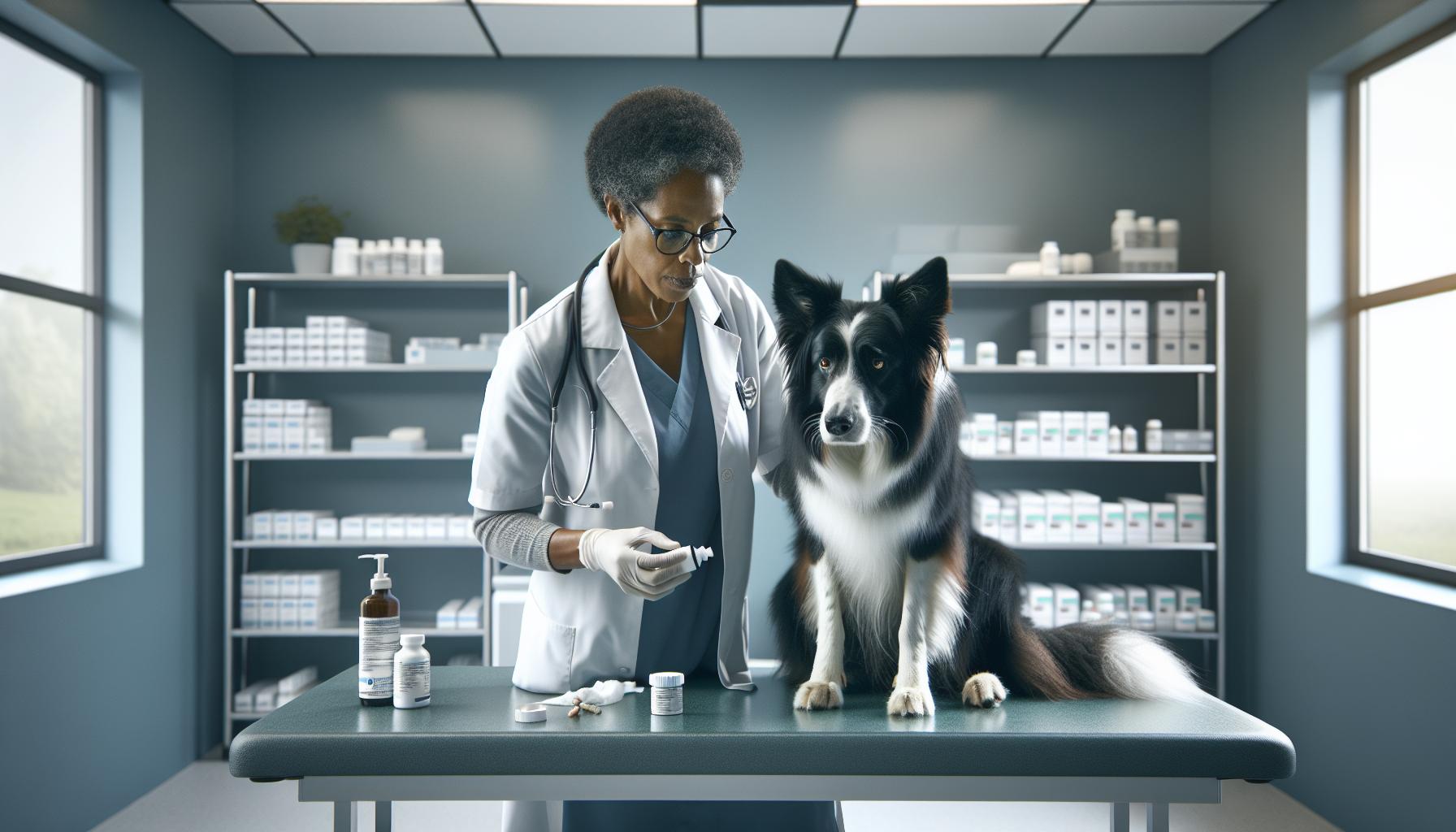
Ivermectin is a cornerstone in the veterinary treatment of dogs, particularly known for its ability to combat parasitic infections. Primarily prescribed for the prevention of heartworm disease-caused by the parasite Dirofilaria immitis-ivermectin is essential in maintaining canine health, especially in regions where heartworm is prevalent. Annual heartworm testing accompanied by consistent preventative treatment can safeguard dogs against this potentially fatal condition.
Beyond heartworm prevention, ivermectin is also approved for the treatment of various other parasitic infections, including some intestinal worms such as roundworms and hookworms. Furthermore, it is effective against ectoparasites, including mites and ticks. This broad-spectrum efficacy is what makes ivermectin a vital tool in a veterinarian’s arsenal, allowing for the comprehensive management of diverse parasitic threats.
Despite its widespread use, it’s important for pet owners to recognize the specific breeds that may have a heightened sensitivity to ivermectin due to a genetic mutation (MDR1). Breeds such as Collies, Australian Shepherds, and certain terriers can experience severe adverse effects from standard doses. Therefore, veterinarians often conduct genetic testing for these breeds before administering ivermectin, ensuring both the effectiveness of the drug and the safety of the animal.
In addition to its approved uses, veterinarians might recommend ivermectin in specific off-label scenarios within acceptable safety margins, such as for the treatment of certain external parasites. However, any such application should only be carried out under the guidance of a qualified veterinarian, as inappropriate use can lead to significant health risks. Understanding these applications and the importance of proper administration is crucial for pet owners seeking to enhance their dog’s well-being through effective parasitic control.
Potential Risks and Side Effects of Ivermectin
Ivermectin is a powerful tool in the fight against parasitic infections in dogs, but like any medication, it carries certain risks and potential side effects that pet owners must understand. Dogs that are genetically predisposed to react adversely to ivermectin, particularly those breeds with the MDR1 gene mutation, are at significantly higher risk. For instance, herding dog breeds such as Collies and Australian Shepherds may suffer severe neurological complications even at standard dosages, underscoring the critical importance of veterinary oversight when using this medication.
Common signs of ivermectin toxicity include lethargy, tremors, seizures, vomiting, and, in severe cases, coma or even death. If a dog displays any of these symptoms, immediate veterinary attention is essential. Overdosing can occur not just from standard medication but also from accidental ingestion of livestock manure from animals treated with ivermectin. It’s vital for pet owners to be vigilant about their dog’s environment, particularly in areas where livestock roam.
- Neurological symptoms: These can manifest as lethargy, ataxia (loss of coordination), tremors, and seizures.
- Gastrointestinal upset: Vomiting and diarrhea may occur, indicating the dog’s system is reacting adversely to the drug.
- Behavioral changes: Pets may exhibit uncharacteristic aggression or inactivity, signaling potential distress.
To mitigate these risks, proper dosing is crucial. Veterinarians typically calibrate doses based on the dog’s weight and breed sensitivity, and it is essential for pet owners to follow these guidelines closely. Additionally, understanding that certain breeds may require alternatives for parasitic treatment can safeguard against the potential dangers of ivermectin. Consulting with a veterinarian for personalized medication plans and genetic testing options can help ensure that each dog’s treatment is both effective and safe.
Ivermectin Dosage Guidelines for Different Dog Breeds
Determining the correct dosage of ivermectin for dogs is critical yet often nuanced, as it heavily depends on factors such as breed, weight, and specific health considerations. Notably, some dog breeds have decreased tolerances to this medication, especially those carrying the MDR1 gene mutation, which can lead to adverse reactions even at standard doses. Overall, ensuring accurate dosage can significantly impact treatment efficacy while minimizing the risk of toxicity.
Veterinarians typically prescribe ivermectin based on a dosage range of 6 to 12 micrograms per kilogram of body weight. This means that a 10 kg dog (about 22 lbs) would receive approximately 60 to 120 micrograms of ivermectin. However, for breeds genetically predisposed to ivermectin sensitivity-such as Collies, Australian Shepherds, and other herding breeds-doses may be adjusted or alternative treatments may be suggested. It is also important to take into account the dog’s overall health status and any additional medications they are currently taking, as these can influence how the body processes ivermectin.
General Dosage Guidelines
- Small Breeds (Under 10 kg): Generally prescribed lower doses, around 6-10 mcg/kg.
- Medium Breeds (10-25 kg): A typical dose ranges from 10-15 mcg/kg.
- Large Breeds (Over 25 kg): Usually, 15 mcg/kg is safe, with adjustments made for any breed sensitivities.
In practice, some veterinarians might prefer to start with a lower dosage, particularly in sensitive breeds, and monitor the dog’s response before increasing the amount. Additionally, factors such as the method of administration (oral vs. topical), the presence of other medical conditions, or the need for repeat treatments can also influence dosage decisions. Keeping an open line of communication with your veterinarian can help ensure that you are administering the safest and most effective dose.
Ultimately, individualizing the treatment plan, adhering to veterinary recommendations, and being vigilant for any signs of adverse reactions will foster the best outcomes in treating parasitic infections in dogs with ivermectin.
Alternatives to Ivermectin for Parasitic Control
For pet owners concerned about using ivermectin, whether due to the potential for side effects or sensitivities in certain dog breeds, there are several effective alternatives for parasitic control that can be considered. These alternatives range from other pharmacological options to natural remedies, each with unique mechanisms and benefits.
Pharmaceutical Alternatives
Various anti-parasitic medications are available that can serve as substitutes for ivermectin. Milbemycin oxime, for example, is commonly used for heartworm prevention and can be effective against various intestinal parasites. It comes in tablet form, making it easy to administer, and is generally well-tolerated by most dog breeds. Selamectin is another alternative, which is applied topically and targets fleas, ticks, and certain intestinal parasites, providing a convenient option for pet owners looking for a less invasive administration method.
Moxidectin, often used in combination with other treatments, offers broader protection against external and internal parasites. Although its mechanism is similar to ivermectin, it has a longer duration of action, which may reduce the frequency of administration required.
Natural Alternatives
In addition to conventional pharmaceuticals, many pet owners are exploring natural alternatives for treating parasites. Diatomaceous earth is a popular option derived from fossilized algae. It is thought to work by drying out the exoskeletons of insects and parasites, thereby killing them. Although it’s essential to use food-grade diatomaceous earth to ensure safety, it can be a viable option for managing fleas and ticks in dogs.
Another natural remedy is garlic, which some studies suggest may repel fleas when included in a dog’s diet. However, caution is advised, as excessive garlic can be toxic for dogs, and further research is needed to establish safe and effective dosages.
Integrated Approaches
Some veterinarians advocate for an integrated approach, combining pharmaceutical and natural methods to optimize parasitic control while minimizing potential side effects. This approach may involve staggered treatments or rotation of medications to prevent resistance while supporting overall dog health through proper nutrition and environmental hygiene.
It’s crucial for pet owners to consult with their veterinarian before making a switch or introducing new treatments. This ensures that the chosen method aligns with the dog’s specific health needs and lifestyle while effectively addressing the concern of parasite control. Being well-informed and proactive in discussing options can lead to better health outcomes and a more comfortable treatment experience for both the pet and owner.
Special Considerations for Ivermectin Use in Puppies
Puppies, with their rapidly developing bodies and unique physiologies, present special considerations when it comes to administering ivermectin. This antiparasitic medication, while effective in controlling various parasites, can pose risks if not used appropriately in young dogs. It’s crucial for pet owners to understand these risks and guidelines to ensure the health and safety of their new companions.
Firstly, the age and weight of puppies play a significant role in determining the safe use of ivermectin. Most veterinarians recommend that dogs should be at least 6 weeks old before starting treatment with ivermectin. Puppies younger than this threshold-or those weighing less than 5 pounds-may be particularly susceptible to adverse reactions. It’s also essential to consider the breed of the puppy, as certain breeds such as Collies and herding dogs may have genetic sensitivities to ivermectin, making them more prone to toxic effects. Therefore, before starting any treatment, a consultation with a veterinarian is invaluable for assessing these risk factors.
Dosage and Administration
Administering the correct dosage is vital in reducing the likelihood of side effects. Puppy dosages are often lower than for adult dogs, and careful measurement is necessary to avoid overdosing, which can lead to serious health issues such as neurological problems. It’s prudent to follow veterinary guidance closely and measure medication with precision. In many cases, ivermectin for puppies can come in flavored chewable forms, which can help with compliance and make administration smoother.
Monitoring and Observation
After administering ivermectin, pet owners should monitor their puppies for any signs of adverse reactions, especially within the first few hours to days of treatment. Symptoms of concern can include lethargy, vomiting, lack of coordination, or other behavioral changes. Early detection of these symptoms can be critical, and pet owners should not hesitate to consult their veterinarian if anything seems amiss.
Ultimately, while ivermectin can be a crucial tool in parasite management for puppies, it must be used with caution. Increasing awareness among pet owners regarding proper usage and the unique needs of puppies will contribute to better health outcomes. Emphasizing ongoing communication with veterinarians and careful adherence to dosing guidelines will help ensure that our youngest canine companions remain healthy and parasite-free, setting the stage for a vibrant life ahead.
Common Myths About Ivermectin in Dogs Debunked
Many dog owners have come across misconceptions about ivermectin, primarily due to its contentious reputation and the nuances of its use in veterinary medicine. Understanding the truth behind these myths is crucial for making informed decisions about your pet’s health.
One common myth is that all dogs can safely receive ivermectin. While it is true that ivermectin is effective against various parasites and is widely used in veterinary medicine, certain breeds, especially Collies and other herding dogs, may have a genetic mutation (MDR1 gene) that makes them highly sensitive to the drug. This sensitivity can lead to severe toxicity, which emphasizes the importance of breed-specific recommendations and genetic testing when necessary.
Another misconception is that ivermectin can be used for any type of parasite across all animal species. In reality, ivermectin’s use is specific and must be prescribed by a veterinarian based on the type of parasite being treated and the individual dog’s health status. Administering ivermectin intended for another species, such as livestock, can be extremely dangerous and is not advisable. It’s also a myth that OTC formulations are safe; store-bought ivermectin may not be suitable for dogs and can lead to overdose or allergic reactions.
Many pet owners worry that ivermectin might cause immediate harm if given even in small amounts. While overdosing on ivermectin can lead to serious side effects, when administered under veterinary supervision and at the correct dosages, it is generally safe for most dogs. Regular monitoring after administration can further mitigate risks, helping to catch early signs of adverse reactions if they do occur.
Overall, separating fact from fiction is vital when considering ivermectin for your canine. Consulting with your veterinarian and adhering strictly to dosage and breed-related guidelines can help ensure that this powerful medication is used safely and effectively to keep your dog healthy and parasite-free.
Veterinarian Insights: Best Practices for Ivermectin Administration
Understanding the nuances of ivermectin administration is crucial for ensuring the health and safety of canine patients. One of the primary considerations is the dog’s breed. Certain breeds, particularly Collies and some herding dogs, possess a genetic mutation known as the MDR1 mutation. This mutation can impair their ability to metabolize ivermectin, increasing the risk of toxicity. Therefore, it is essential for veterinarians to conduct breed assessments and, where necessary, genetic testing before prescribing ivermectin.
When administering ivermectin, adherence to dosage guidelines is paramount. The correct dosage often depends on the specific use-either as a heartworm preventative or for treating specific parasitic infections. It is vital to follow the veterinarian’s prescription meticulously, as even slight deviations can lead to adverse effects. For example, when using ivermectin as a preventive for heartworm, timing is key; if doses are missed for over eight weeks, a veterinarian should be consulted for a safe reintroduction of the medicine.
Regular follow-up and monitoring after administration can significantly enhance safety. Observing the dog for any signs of adverse reactions, such as lethargy, tremors, or unusual behavior, is important. These signs can indicate a serious reaction, and early detection can be lifesaving. Additionally, monitoring is particularly critical when dealing with breeds that might have a heightened sensitivity to the drug.
Veterinarians should also educate pet owners about the importance of sourcing ivermectin from reputable suppliers, as products intended for livestock can contain harmful concentrations unsuitable for dogs. Providing clear, written instructions on dosage and administration can empower pet owners and ensure that their pets receive the care they need without unnecessary risk. Through these best practices, veterinarians can help maximize the benefits of ivermectin while minimizing the potential for harm, ultimately improving the overall welfare of canine patients.
Recent Studies on Ivermectin’s Efficacy in Canine Health
Recent studies have significantly advanced our understanding of ivermectin’s efficacy and safety in canine health, particularly in relation to the treatment and prevention of parasitic infections. This potent antiparasitic agent is widely recognized for its role as a heartworm preventive in dogs, but research continues to explore its broader applications and potential risks. For instance, a key finding highlights ivermectin’s effectiveness not only against heartworms but also against various ectoparasites, such as fleas and ticks, making it a versatile option in veterinary medicine.
One of the noteworthy insights from ongoing research is the impact of the MDR1 genetic mutation, which affects certain breeds such as Collies and Australian Shepherds. Studies have demonstrated that these breeds may exhibit heightened sensitivity to ivermectin, necessitating careful consideration when determining dosage and treatment plans. Genetic testing for the MDR1 mutation has become increasingly recommended, as it enables veterinarians to tailor treatments that mitigate the risks of toxicosis while still providing effective parasite control.
Moreover, ongoing investigations into alternative formulations of ivermectin, such as those combined with other antiparasitic compounds, are revealing promising potential in enhancing efficacy while minimizing side effects. The prospect of using lower doses of ivermectin in combination therapies could lead to safer treatment protocols for sensitive breeds. As research progresses, collaborating with veterinary practitioners to stay informed of these developments is crucial for optimizing outcomes in canine health.
In addition to clinical trials, case studies documenting the administration of ivermectin in both routine preventative care and specific helminthic infections provide valuable data on its safety profile and effectiveness. These studies often include feedback from pet owners and observations regarding the general health of their pets post-treatment. Such anecdotal evidence, combined with rigorous scientific investigation, continues to inform best practices around ivermectin use in veterinary care. Thus, staying abreast of these studies not only enhances veterinary practice but also empowers dog owners to make informed decisions about their pets’ health.
Legal and Regulatory Aspects of Canine Ivermectin Use
The use of ivermectin in dogs is not just a matter of veterinary preference; it is deeply enshrined in legal and regulatory frameworks that ensure both animal welfare and public safety. In various jurisdictions, ivermectin is classified under specific regulations that dictate how it can be prescribed and dispensed. For example, in the United States, ivermectin is primarily regulated by the Food and Drug Administration (FDA), which has established guidelines for its approved uses in animals, ensuring that the drug is used safely and effectively to treat parasitic infections.
Veterinarians are required to adhere to these regulations, which include obtaining a valid veterinary-client-patient relationship (VCPR) before prescribing ivermectin. This means that veterinarians must conduct a thorough examination of the dog to confirm the need for ivermectin and to evaluate potential risks. Regulations also specify the conditions under which ivermectin products can be sold, ensuring that only approved formulations reach consumers. The FDA, along with other regulatory bodies, monitors the safety and efficacy of these medications, conducting regular reviews and studies to uphold industry standards.
Moreover, the legal landscape surrounding ivermectin use is influenced by the growing awareness of genetic sensitivities in certain breeds, particularly those affected by the MDR1 mutation. This has prompted some regulatory bodies to issue warnings and guidelines regarding the use of ivermectin in these at-risk breeds. For instance, educational campaigns are being implemented by organizations like the American Kennel Club to inform pet owners and veterinarians about these risks and the importance of genetic testing.
It’s also worth noting the evolving legal status of ivermectin in the context of alternative medicine and off-label use. While veterinarians may sometimes prescribe ivermectin for unintended uses based on anecdotal success, doing so must comply with established guidelines to avoid adverse effects and legal repercussions. Pet owners should always consult their veterinarians regarding the legal and safe use of ivermectin for their pets, particularly as regulations may vary by state or country, influencing both availability and acceptable practices. Understanding these legal and regulatory aspects is paramount for responsible pet ownership and veterinary care, ensuring that treatments align with the best practices for canine health.
FAQ
Q: What should I do if my dog misses a dose of ivermectin?
A: If your dog misses a dose of ivermectin, administer it as soon as you remember. If it’s almost time for the next dose, skip the missed dose-do not double up. Always consult your veterinarian for specific guidance regarding your dog’s treatment plan.
Q: Can ivermectin be used for heartworm prevention in dogs?
A: Yes, ivermectin is often used for heartworm prevention in dogs. It is effective against heartworm larvae if given monthly. For the best results, consult your veterinarian to ensure proper dosage and administration for your dog’s specific needs.
Q: Are there any dog breeds that should not receive ivermectin?
A: Certain dog breeds, such as Collies and related breeds, may be sensitive to ivermectin due to a genetic mutation affecting drug metabolism. Consult your veterinarian for alternative treatments if your dog belongs to a sensitive breed or has other health concerns.
Q: How does ivermectin compare to other antiparasitic medications for dogs?
A: Ivermectin is effective for a wide range of parasites but may not treat all types effectively. Other medications like milbemycin or selamectin may provide broader coverage for specific parasites. Discuss options with your veterinarian for tailored treatment plans.
Q: What are the signs of ivermectin toxicity in dogs?
A: Signs of ivermectin toxicity include drooling, vomiting, tremors, seizures, or lethargy. If you suspect toxicity, seek veterinary care immediately. Monitoring dosage and adhering to guidelines can prevent such complications.
Q: Can ivermectin be safely used in pregnant or nursing dogs?
A: Ivermectin use in pregnant or nursing dogs should be approached with caution. Consult your veterinarian to weigh the risks and benefits, as some studies suggest potential effects on puppies during gestation and lactation.
Q: How should ivermectin be administered to dogs?
A: Ivermectin is typically given orally in the form of a tablet or liquid. Follow your veterinarian’s instructions regarding dosage and administration. Consistency is key for effectiveness, especially in preventive care.
Q: What should I discuss with my veterinarian before starting ivermectin?
A: Inform your veterinarian about your dog’s health history, any current medications, and specific breed information. This ensures ivermectin is the right choice for your dog’s condition and helps prevent adverse reactions.
Future Outlook
Thank you for exploring “Canine Ivermectin: Comprehensive Veterinary Reference.” By understanding the important role ivermectin plays in canine health, you’re better equipped to ensure your dog receives the best care possible. Remember, the correct dosage is crucial, so always consult with your veterinarian before administration. If you found this information helpful, dive deeper into related topics like determining the right ivermectin dosage for your dog or exploring its anti-cancer potential in our extensive article sections.
Don’t miss out on staying informed-consider signing up for our newsletter for ongoing insights into pet healthcare, and feel free to check out our resource center for veterinary consultations. Together, we can enhance the well-being of your furry companions! Share your thoughts or experiences in the comments below, and let’s keep the conversation going about your dog’s health.
Get our latest guides, news, and insights highlighted in your Google Search & AI Overviews.