
Did you know that ivermectin, a medication originally developed for treating parasites in animals, has made headlines for its potential roles beyond veterinary medicine? While it is well-documented for effectively combating specific parasitic infections like river blindness and strongyloidiasis in humans, its spectrum of efficacy raises an important question: does ivermectin truly kill all parasites? Understanding the nuances of ivermectin’s action can empower you in addressing health concerns related to parasites, whether for yourself or your pets. This exploration will clarify its effectiveness, potential applications, and limitations, helping you navigate the often complex landscape of parasite treatment. As we delve deeper, you’ll uncover what ivermectin can-and cannot-do in the ongoing battle against infectious diseases, enriching your knowledge and enhancing your decision-making in health matters.
Understanding Ivermectin: What You Need to Know
Ivermectin is a drug that has gained significant attention not just for its approved use in treating parasitic infections, but also for its controversial role in discussions surrounding COVID-19. Originally developed in the late 1970s, this medication revolutionized the treatment of several neglected tropical diseases by targeting various parasites. Understanding ivermectin involves recognizing its mechanism of action, efficacy, and limitations.
The primary way ivermectin works is by binding to specific channels in the parasite’s nerve and muscle cells, leading to paralysis and death. It is effective against a range of parasites, including those responsible for conditions like river blindness and lymphatic filariasis. However, despite its broad spectrum of activity against certain parasites, it is crucial to note that ivermectin is not a panacea. It has limited efficacy against some parasites, particularly those that have developed resistance or are not susceptible to its action.
While many clinical trials have established ivermectin‘s effectiveness in treating specific parasitic infections, the data on its use in treating viral illnesses, such as COVID-19, have been less favorable. Regulatory agencies, including the FDA, have not authorized its use for this purpose after reviewing available evidence, which highlighted the absence of conclusive data supporting its efficacy against the virus[3]. The scientific community continues to investigate both its therapeutic potential and limitations, revealing an ongoing dialogue about appropriate applications of this drug.
Ivermectin’s journey reflects the broader narrative of scientific discovery and healthcare, emphasizing the importance of using evidence-based guidelines when considering treatments. By staying informed about emerging research and recommendations, patients and healthcare providers can make better choices regarding the use of ivermectin for parasitic infections and beyond.
How Ivermectin Works Against Parasites
Ivermectin has emerged as a revolutionary antiparasitic drug, celebrated for its efficacy in treating various parasitic infections. Understanding how it works illuminates why it has become a cornerstone in the fight against many neglected tropical diseases. This drug operates primarily by binding to specific sites within the nervous system of parasites, leading to paralysis and death. It interacts with glutamate-gated chloride channels, which are crucial for the neuromuscular function of these organisms, effectively blocking their ability to move and reproduce.
Mechanism of Action
When administered, ivermectin enhances the influx of chloride ions into the parasite’s cells, causing various neurophysiological disruptions. This action is swift and devastating for many parasites. The drug is particularly effective against nematodes (roundworms) and arthropods (insects), making it invaluable in treating conditions like river blindness (onchocerciasis) and lymphatic filariasis. For patients suffering from these diseases, ivermectin has not just provided a treatment option; it has improved quality of life and reduced burdens on healthcare systems worldwide.
Targeted Parasites
Ivermectin is effective against a range of parasites, including:
- Nematodes: Such as those responsible for filariasis and Strongyloides.
- Arthropods: Including lice, scabies mites, and various types of ticks.
- Some protozoa: Although its efficacy varies, it has shown activity against certain protozoan infections.
Despite its broad effectiveness, it is essential to note that ivermectin does not kill all parasites. Its activity can be limited by factors like resistance in certain worm populations or varied susceptibility across different species.
Considerations for Use
While ivermectin is a powerful agent against numerous parasites, the emergence of resistance and the drug’s narrow spectrum of efficacy emphasize the need for careful consideration in its application. In cases of widespread use, there is a risk of creating resistant strains, suggesting that ivermectin should be used judiciously and not as a one-size-fits-all solution. Combining it with other treatments or employing it within well-structured health programs can enhance its effectiveness and help mitigate the risks of resistance.
In sum, ivermectin is an extraordinary tool in parasitology, wielding substantial power against many harmful organisms. As research progresses, ongoing studies will aim to diversify its applications and address emerging questions about its effectiveness across various parasitic infections.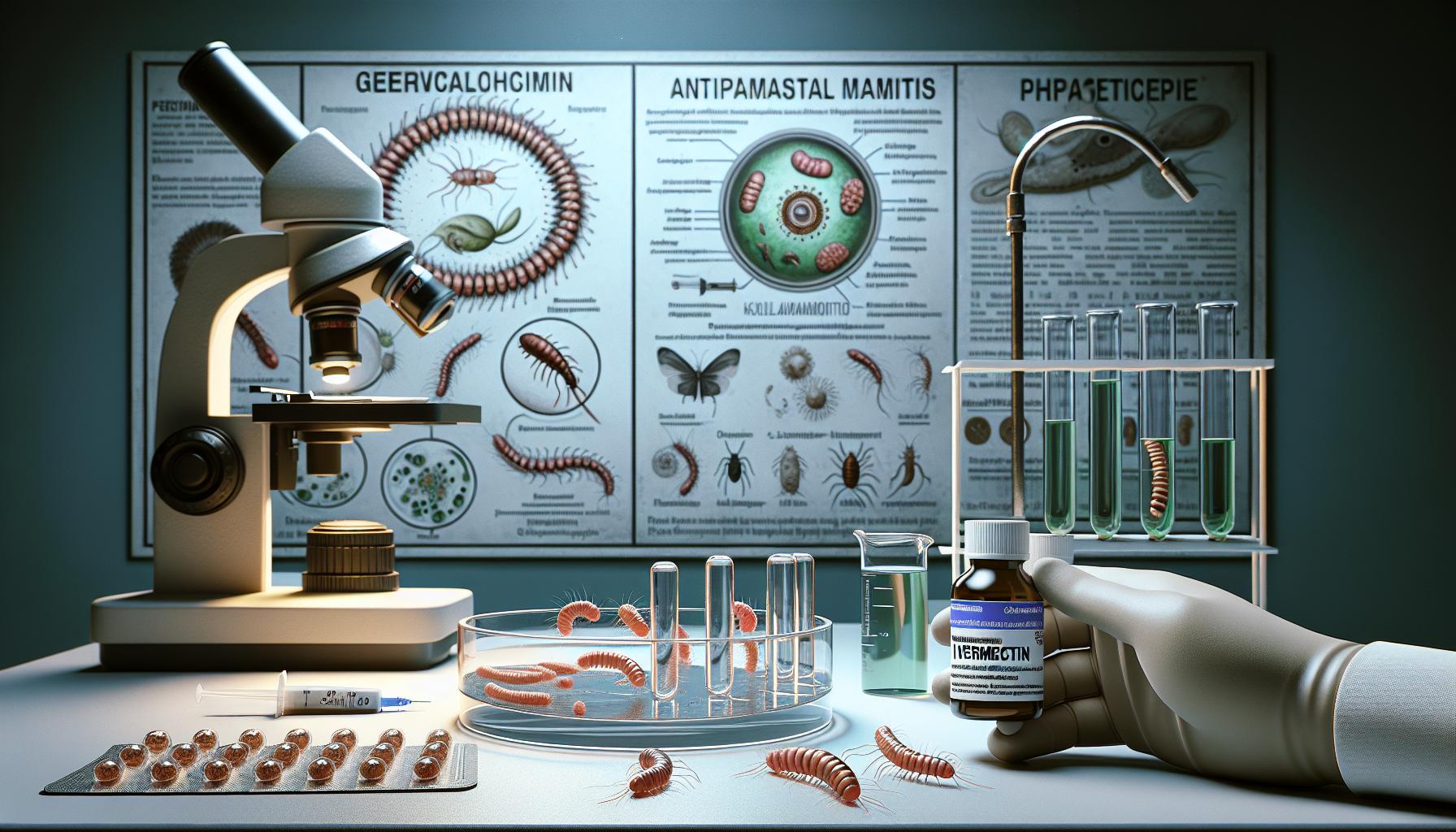
Types of Parasites Targeted by Ivermectin
Ivermectin has become synonymous with the fight against several parasitic diseases, but its target range is both impressive and specific. This powerful antiparasitic drug primarily tackles nematodes and arthropods, both of which pose significant health risks to millions globally. Understanding the types of parasites that succumb to ivermectin is essential for grasping its profound impact on public health.
Among the most notable of the targeted organisms are nematodes, or roundworms, which include species that cause lymphatic filariasis and onchocerciasis (river blindness). These infections, endemic in many tropical regions, can lead to severe morbidity and even lifelong disability. For instance, the action of ivermectin leads to the paralysis of these worms, significantly reducing their ability to reproduce and propagate within the host.
The drug’s efficacy extends beyond nematodes to arthropods as well. It is widely used to treat infestations caused by external parasites such as lice and scabies mites, which can lead to severe itching and secondary infections. The ability of ivermectin to disrupt the neuromuscular functions of these insects makes it a vital tool in managing these conditions effectively.
Interestingly, while ivermectin is quite powerful, its effectiveness is not universal across all parasites. Its action against certain protozoa-single-celled organisms-has been recognized, though results can be inconsistent and dependent on the specific species involved. Factors such as the emergence of drug resistance among targeted parasites can limit ivermectin‘s impact, highlighting the importance of appropriate usage and ongoing research to refine treatment strategies.
In summary, while ivermectin is a formidable weapon against a diverse array of parasitic foes, including nematodes and arthropods, it does not claim victory over all parasite groups. Continued vigilance in its use and further exploration of its broader applications can maximize its effectiveness and help combat the challenges posed by emerging resistant strains.
Effectiveness Spectrum: Ivermectin’s Reach
Ivermectin has gained recognition for its effectiveness against a wide range of parasitic infections, yet it is crucial to understand that its capabilities are not without limits. This drug primarily excels in targeting nematodes, or roundworms, which include notorious pathogens such as those responsible for lymphatic filariasis and onchocerciasis. These infections can significantly impair quality of life, making ivermectin an invaluable tool in global health efforts. The drug works by paralyzing these parasites, preventing them from reproducing and proliferating within their hosts.
Another area where ivermectin shines is in the treatment of arthropods, such as lice and scabies mites. The neurotoxic effects on these pests not only alleviate symptoms like itching but also contribute to controlling outbreaks in communities. However, while its efficacy against many external parasites is well-documented, the effectiveness against certain internal parasites, especially some protozoa, can be more variable. Results can differ based on species and environmental factors, leading to a mixed perception of its overall utility.
Challenges and Limitations
As with any medication, the efficacy of ivermectin can be influenced by several factors. The emergence of drug resistance among targeted parasite populations poses a significant challenge. For instance, certain strains of parasites may adapt, reducing the effectiveness of ivermectin and requiring healthcare providers to consider alternative treatments. Additionally, the scope of ivermectin’s action does not encompass all parasites-specifically, it is not uniformly effective against all protozoa.
Adapting to Evolving Needs
To navigate these complexities, ongoing research is essential. Studies are continuously exploring ways to enhance ivermectin’s effectiveness and broaden its application. For instance, combination therapies, where ivermectin is paired with other antiparasitic agents, are being investigated to improve outcomes for resistant parasites. Public health initiatives must also adapt to consider local epidemiological factors to maximize the impact of this widely used treatment. By understanding the spectrum of ivermectin’s effectiveness, practitioners can provide informed care and contribute to the ongoing fight against parasitic diseases worldwide.
Comparing Ivermectin with Other Antiparasitics
Ivermectin’s broad use in treating various parasitic infections raises an important question: how does it stack up against other antiparasitics? This comparison is crucial for healthcare providers and patients alike in understanding treatment options and making informed decisions. Ivermectin is notably effective against a range of nematodes (roundworms) and some ectoparasites like lice and mites. However, its effectiveness varies significantly when juxtaposed with other medications designed to combat parasites.
When looking at alternatives, albendazole and mebendazole are two common anthelmintics used to treat parasitic worm infections. Both are effective against a wider variety of intestinal worms compared to ivermectin, particularly in treating cestodes (tapeworms) and some nematodes. While ivermectin works by paralyzing parasites through its neurotoxic effects, albendazole and mebendazole inhibit the parasite’s glucose uptake, thereby starving it. This difference in mechanism can lead to complementary use; for instance, the combination therapy of ivermectin and albendazole has received endorsement for treating multiple soil-transmitted helminth infections, showcasing a unified approach to maximizing treatment efficacy [2].
Additionally, praziquantel comes into play, particularly for schistosomiasis and other fluke infections. Unlike ivermectin, which is largely ineffective against flatworms, praziquantel targets their unique biology, leading to effective treatment outcomes. In multi-parasitic infections, where more than one type of parasite is present, a combination of these drugs may optimize clinical results, allowing for a more comprehensive strategy in managing parasitic diseases.
While ivermectin is a cornerstone of antiparasitic treatment, particularly in endemic regions, emerging concerns around resistance and its limited spectrum of activity against certain parasites are driving the exploration of adjunctive therapies. The global health community continues to reassess the landscape of antiparasitic treatments, ensuring that combinations of drugs are utilized effectively to combat resistance and improve patient outcomes. Understanding these distinctions helps healthcare professionals tailor their approaches, balancing the benefits of ivermectin with the wider capabilities of other antiparasitic agents.
Potential Side Effects of Ivermectin
Administering ivermectin, a medication commonly used in the fight against various parasitic infections, can sometimes lead to unforeseen side effects, which are essential for users to understand. Although many patients tolerate the drug well, potential adverse effects can arise, with the severity often linked to individual responses and the specific parasitic infection being treated. In general, while most side effects are mild and temporary, it’s important to be aware of both common and serious reactions that may occur.
Commonly reported side effects of ivermectin include gastrointestinal disturbances, such as diarrhea and nausea, as well as neurological symptoms including dizziness and headaches. Skin reactions, such as itching or rash, are also noted frequently. These symptoms usually diminish after the treatment course is completed and the underlying infection is resolved. However, significant reactions, though rare, can include severe skin eruptions, swelling, and joint pain, which warrant immediate medical attention[1][3].
Moreover, a critical risk associated with ivermectin relates to its potential impact on individuals with specific health conditions. For instance, people with compromised immune systems or those with a history of certain neurological disorders may experience more severe side effects. As a result, consulting healthcare providers before starting treatment is essential to evaluate the risk and make informed decisions based on personal health profiles.
In summary, while ivermectin plays a vital role in combating parasitic infestations, being vigilant about its potential side effects is crucial. Knowing what to expect helps individuals prepare for treatment and encourages them to seek necessary medical guidance if adverse effects arise. Therefore, a thorough discussion with a healthcare professional can ensure a balanced consideration of the benefits and risks associated with this powerful antiparasitic agent.
Dosing Guidelines for Ivermectin Administration
Administering ivermectin properly is crucial for its effectiveness in treating various parasitic infections. This medication requires careful consideration of the appropriate dosage based on body weight and the specific condition being treated. Understanding these guidelines not only ensures optimal efficacy but also minimizes potential side effects associated with incorrect dosing.
The standard dosing regimen for ivermectin in the treatment of parasitic infections varies. For adults and older children, the usual dosage for conditions such as strongyloidiasis or onchocerciasis is typically set at 200 micrograms (mcg) per kilogram (kg) of body weight, administered as a single dose. For example, an individual weighing 70 kg would receive 14 mg (or approximately 1.4 tablets of 10 mg each). When treating scabies, the dose might be repeated after a week to increase effectiveness, with clinical recommendations suggesting that two doses taken with food, spaced 7 to 14 days apart, can be beneficial [[1](https://www.healthline.com/health/drugs/ivermectin-dosage)][[2](https://www.cdc.gov/scabies/hcp/clinical-care/index.html)].
For optimal absorption, ivermectin should be taken on an empty stomach, ideally with water, although it’s permissible to take it with food if necessary. This can enhance its bioavailability and improve its efficacy against parasites. Special precautions should also be considered for specific populations: individuals with liver impairments, for instance, may require adjusted doses due to altered drug metabolism.
In veterinary medicine, dosing guidelines are also specific and vary among species. For example, ivermectin is commonly utilized in livestock and pets at varying dosages depending on the animal’s size and the type of treatment required. Thus, consulting a veterinarian for precise guidance is essential.
By adhering to the established dosing guidelines and consulting healthcare professionals when needed, patients can ensure they are utilizing ivermectin safely and effectively in their fight against parasitic infections.
Real-Life Case Studies: Ivermectin Success Stories
The impact of ivermectin on parasitic infections can be illustrated through a range of success stories that showcase its effectiveness across various conditions. These narratives highlight not just the drug’s capabilities, but also the hope it has provided to individuals suffering from debilitating parasitic diseases.
One notable case involves a middle-aged man from a rural area who had been suffering from strongyloidiasis, a serious intestinal infection caused by a parasitic worm. After multiple failed treatments, he was prescribed ivermectin. Within a week, he reported significant relief from symptoms that had plagued him for years-chronic diarrhea and abdominal pain disappeared, enabling him to return to work and regain his quality of life. His case reflects the success of ivermectin in targeting specific parasites and emphasizes its life-changing potential.
Similarly, in a veterinary context, a farmer dealing with a severe outbreak of heartworm in his dogs turned to ivermectin after traditional treatments fell short. He administered the drug to his entire kennel, and within a month, all the dogs showed marked improvement. They became more energetic and healthy, with no traces of heartworm detectable in follow-up exams. This success story underscores ivermectin’s efficacy not only in human health but also in veterinary medicine, making it a vital tool in both fields.
Although controversies exist regarding the use of ivermectin for ailments outside its validated uses, these real-life examples shine a light on its proven effectiveness against specific parasites. They serve as testament to the ongoing need for careful application and continued research into ivermectin’s broader spectrum of activity, guiding healthcare professionals and patients in navigating its use.
Controversies Surrounding Ivermectin Use
Amid the promising success stories of ivermectin in treating various parasitic infections, a cloud of controversy looms, primarily due to its soaring popularity and the misconceptions surrounding its use, particularly highlighted during the COVID-19 pandemic. The remarkable anecdotal evidence that showcases ivermectin’s efficacy against certain parasites has sparked a broader discussion about the drug’s potential applications beyond its established uses. However, this conversation has also given rise to a significant amount of misinformation and public confusion regarding its effectiveness, safety, and regulatory status.
Many health organizations, including the CDC and the American Medical Association, have issued warnings against the use of ivermectin for treating COVID-19, stating that “clinical trials and observational studies” have provided insufficient evidence to support its efficacy for that purpose [1]. This situation has fostered a polarized environment where some individuals staunchly advocate for ivermectin based on anecdotal reports while public health officials urge caution, emphasizing that medications should only be used as prescribed for validated indications.
Moreover, the drug’s categorization primarily as an anti-parasitic has complicated its reputation. While ivermectin is effective against a range of parasites, its off-label use and the promotion of it as a “miracle drug” for other infections might lead to a misguided assumption that it is a universal solution. This belief has been fueled by social media and anecdotal claims, often overshadowing the critical need for controlled clinical research and proper medical guidance. As experts highlight, it’s crucial to differentiate between its established uses in treating specific conditions-like strongyloidiasis and onchocerciasis-and the unverified claims surrounding its use for viral infections [3].
To navigate these controversies, it is vital for healthcare professionals and patients to engage in informed discussions that reflect the latest evidence and guidelines. Those seeking treatment options should consult with healthcare providers who can navigate the complexities of ivermectin’s use, ensuring that they receive safe, effective, and scientifically backed interventions for parasitic infections or any other health concerns.
Ivermectin in Veterinary Medicine: A Broader Look
In veterinary medicine, ivermectin has established itself as a critical tool in the fight against various parasitic infections in animals. Its primary application lies in preventing heartworm infections in dogs and treating a range of other parasites, including those affecting the gastrointestinal tract. The medication works by targeting the nervous system of parasites, leading to paralysis and eventual death. Understanding its specific applications and efficacy can help pet owners make informed decisions about their pets’ health.
Ivermectin is routinely used in dogs and cats for maintenance of health against parasites. For instance, it is a common ingredient in heartworm preventives like Heartgard and is also used for controlling certain ear mites and external parasites such as lice and scabies. It’s crucial to note that the doses used for heartworm prevention are significantly lower than those used for other parasitic treatments, making it generally safe, even for dogs that have specific genetic mutations affecting their drug tolerance (known as MDR1 mutations) when administered in recommended doses [1][2][3].
Veterinary practitioners emphasize the importance of using ivermectin judiciously and in consultation with a veterinarian to ensure safety and efficacy. For example, while ivermectin is effective against many parasites, it does not address all types. It is adept at targeting roundworms, mites, and certain other parasites, but is not effective against tapeworms or flukes. This specificity requires pet owners to be aware of various treatments and combine them as necessary for comprehensive parasite control.
As the veterinary community continues to research and understand the full range of ivermectin’s capabilities, its applications are likely to expand. Discussions surrounding its use must remain grounded in science and tailored to the specific needs of different animals, considering both the benefits and potential risks. As with any medication, raising awareness and fostering informed dialogue among pet owners can enhance the well-being of beloved pets and improve overall health outcomes in veterinary practice.
Future Research Directions for Ivermectin
Research into ivermectin continues to evolve, shedding light on its capabilities beyond traditional parasitic infections while also addressing limitations and safety considerations. One area ripe for exploration is the potential of ivermectin in combating emerging and re-emerging parasitic diseases, particularly those that pose significant public health threats in tropical and subtropical regions. This could involve studying its efficacy against resistant strains of parasites, investigating different dosing strategies, and understanding its interaction with other treatments for more comprehensive care against parasitic infections.
Expanding Applications
Researchers are looking into the broader applications of ivermectin, such as its synergistic effects when used alongside other antiparasitics or as part of combination therapies. For instance, using ivermectin in conjunction with vaccines or other treatment modalities may enhance its effectiveness and provide a multi-faceted approach to controlling parasitic outbreaks. Furthermore, ongoing studies aim to elucidate the mechanisms of action of ivermectin, particularly how it targets and disrupts the nervous systems of specific parasites. Such insights could lead to novel formulations or entirely new drug developments inspired by ivermectin’s structure and function.
Addressing Controversies and Concerns
The ongoing debates about ivermectin’s role in treating conditions like COVID-19 underscore the need for rigorous clinical trials to validate its efficacy and safety across various populations and conditions. Future studies should aim to address these controversies directly, ensuring that any claims about ivermectin are substantiated by solid evidence. This includes assessing possible side effects in broader populations and determining optimal dosing regimens that maximize benefits while minimizing risks.
Collaborative Research Initiatives
Collaborative efforts between veterinary and human medical research communities could accelerate the discovery of new therapeutic uses for ivermectin. By sharing data and insights from both fields, researchers can create a more holistic understanding of ivermectin’s impact across species. This integrated approach can help inform public health strategies and highlight the importance of responsible ivermectin use across different contexts.
The future of ivermectin research holds promise for uncovering new pathways for treatment and management of parasitic infections, providing communities worldwide with vital tools to combat these persistent health challenges. As the body of evidence grows, so too will our understanding of this versatile drug and its potential to improve health outcomes across species.
Common Myths About Ivermectin and Parasites
Despite its popularity, especially among those seeking alternatives to traditional medicine, there are several misconceptions about ivermectin and its efficacy against various parasites. One prevalent myth is that ivermectin is a one-size-fits-all solution for all types of parasitic infections. In reality, ivermectin is effective primarily against certain nematodes (roundworms), ectoparasites like lice and scabies, and some arthropods. It does not work against every parasite; for instance, flatworms (such as schistosomes) and certain protozoans (like Giardia) require different treatment approaches.
Another common misunderstanding is that because ivermectin is often touted in popular media, it must be universally safe and effective. While it is generally considered safe for use against specific infections, misuse or overuse can lead to side effects, including gastrointestinal upset, allergic reactions, and neurological symptoms. Furthermore, access to quality production and appropriate dosing, tailored to individual health needs, is critical. Self-treatment without medical supervision can result in inadequate dosing or harmful interactions with other medications.
In the context of veterinary medicine, there is a belief that products meant for animals are identical to those for human use. This is misleading; while the active ingredient may be the same, formulations vary widely between human and veterinary products. Using veterinary ivermectin in humans lacks the guidance of clinical standards and can pose significant risks.
As the scientific community continues to explore the comprehensive role of ivermectin, ongoing research aims to clarify its effectiveness and safety profile. This includes investigating its appropriate use in humans, refining dosing guidelines, and exploring its potential against resistant strains of parasites. Such evidence-based studies will help dispel myths and promote informed discussions about ivermectin’s place in therapeutic regimens for parasitic diseases. By fostering a deeper understanding, we can align public perception with scientific evidence, ensuring safe and effective use of ivermectin in both human and veterinary medicine.
Q&A
Q: How effective is ivermectin against various types of parasites?
A: Ivermectin is effective against a spectrum of parasites, including those causing onchocerciasis and strongyloidiasis. However, it does not kill all parasites; its effectiveness varies by type. Consult your doctor for targeted treatment options for specific infections.
Q: Can ivermectin be used for resistant parasites?
A: Ivermectin may not be effective against resistant strains of parasites. If parasites have developed resistance, alternative treatments should be considered. It’s essential to discuss options with a healthcare professional to ensure effective management of the infection.
Q: Does ivermectin impact parasitic eggs or larvae?
A: Ivermectin primarily targets adult parasites and may have limited effects on eggs or larvae. For comprehensive treatment, additional or alternative medications may be necessary to effectively eliminate all life stages of the parasite.
Q: Is ivermectin safe for all age groups?
A: Ivermectin is generally safe for adults and children over six months. However, its use in pregnant or nursing women and specific vulnerable populations should be discussed with a healthcare provider for informed decision-making.
Q: How does ivermectin compare to other antiparasitic drugs?
A: Ivermectin is often preferred for certain infections due to its efficacy and safety profile. However, other antiparasitic medications may be more effective against specific parasites. Always consult your healthcare provider for personalized recommendations.
Q: What should I do if ivermectin treatment fails?
A: If ivermectin treatment fails, consult your healthcare provider promptly. They may recommend reevaluation of the diagnosis, alternative treatments, or further testing to ensure effective management of the respective parasitic infection.
Q: Can ivermectin cause side effects in everyone?
A: Not everyone experiences side effects from ivermectin, but common effects include dizziness and gastrointestinal issues. If side effects occur, contact your healthcare provider for guidance and potential alternative treatments.
Q: Does ivermectin require multiple doses for effectiveness?
A: Depending on the type of infection, ivermectin may require multiple doses for full efficacy. Always follow your healthcare provider’s instructions regarding dosing schedules to optimize treatment outcomes.
Closing Remarks
As we’ve explored, while ivermectin is a powerhouse against certain parasites, it’s not a one-size-fits-all solution. Understanding its effectiveness spectrum is crucial, so don’t hesitate to consult with healthcare professionals to determine the best course for your situation. If you’re interested in deepening your knowledge, check out our articles on “Parasitic Infections Overview” and “Alternative Treatments for Parasites” for more valuable insights.
Now’s the time to act! Whether you’re seeking treatment options or just want to stay informed, sign up for our newsletter to receive updates on the latest research and recommendations directly in your inbox. Join our community and share your thoughts in the comments-your experiences and questions matter! Together, we can navigate the important discussions surrounding parasitic health. Explore our resources to take the next step in your journey to well-being!
Get our latest guides, news, and insights highlighted in your Google Search & AI Overviews.