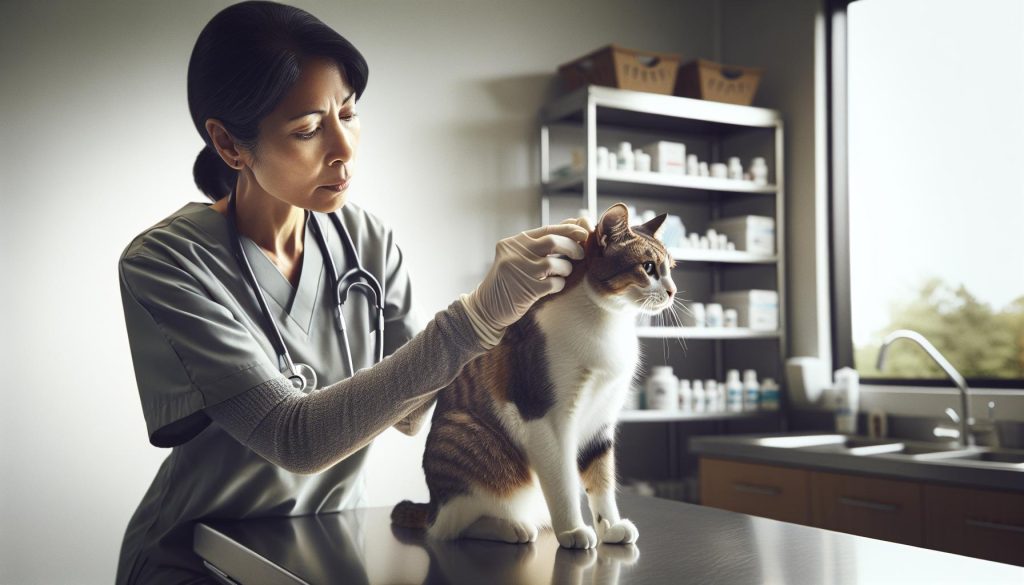
Ear mites in cats can be an unpleasant surprise for pet owners, causing discomfort and distress for our furry friends. Did you know that approximately 20% of cats may experience ear mite infestations at some point in their lives? This common issue not only leads to itchy, irritated ears but can also result in secondary infections if left untreated. Among various treatment options, ivermectin has gained attention for its effectiveness against such parasites. But does ivermectin truly kill ear mites in cats? In this article, we’ll explore the science behind ivermectin, how it works, and what pet owners need to consider before using it. Understanding this treatment can help you make informed decisions for your feline’s health, ensuring they remain happy and comfortable. So, let’s delve deeper into whether ivermectin is the right choice for combating ear mites and what alternatives might be beneficial for your pet.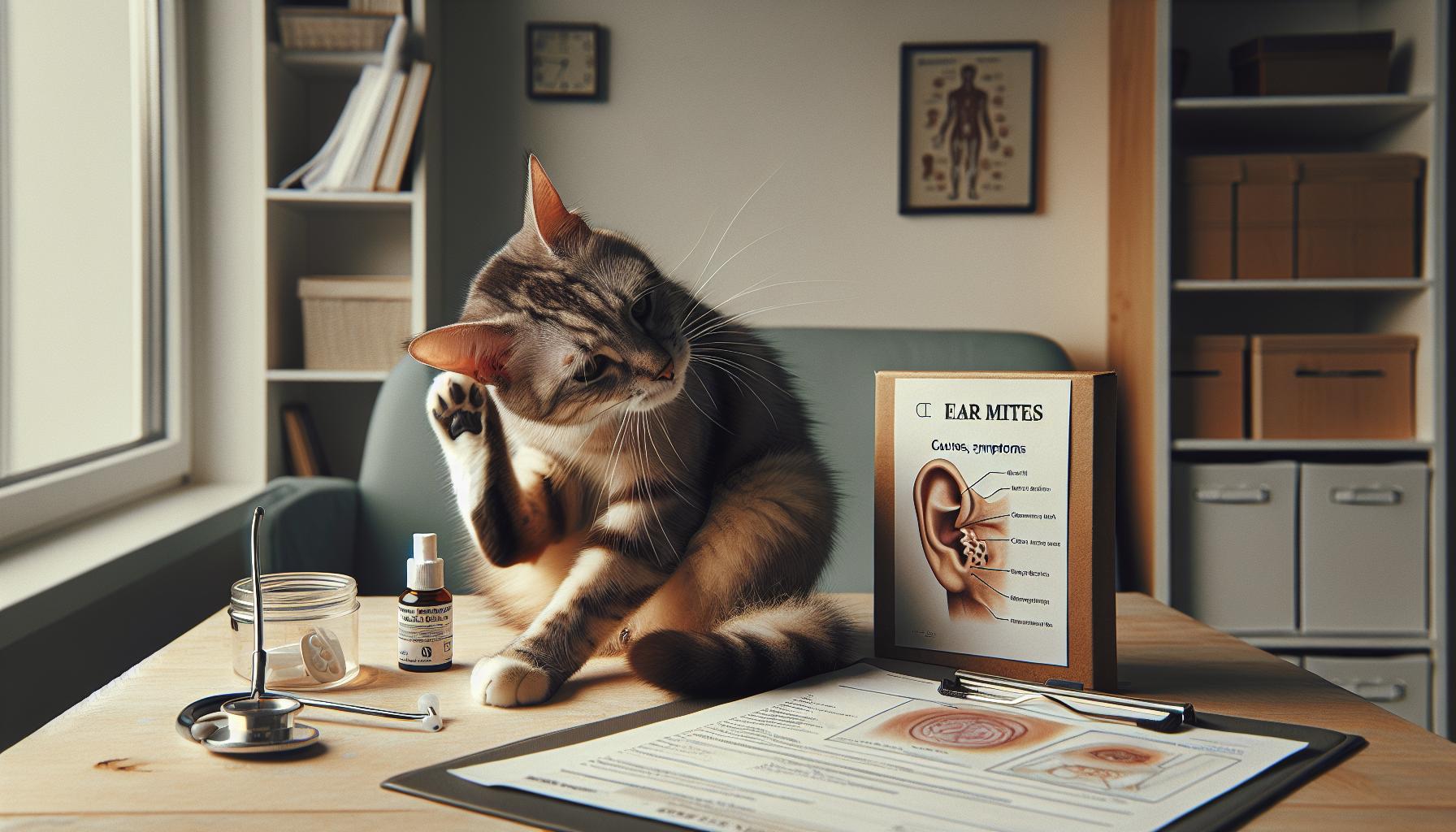
Understanding Ear Mites in Cats: Causes and Symptoms
Cats, much like humans, can fall victim to tiny parasites known as ear mites. These minuscule pests, scientifically referred to as Otodectes cynotis, thrive in the warm, dark environment of a cat’s ear, causing significant discomfort. A captivating fact about ear mites is their ability to reproduce quickly; a single female can lay up to 20 eggs a day, leading to swift infestations if left untreated.
The primary cause of ear mite infestations in cats is often close contact with other infected animals, particularly in multi-pet households or shelters. Cats may also pick up these pests from their environment or outdoor exploration. Symptoms of an ear mite infestation can manifest in several ways, making it crucial for pet owners to recognize the signs early. You might observe intense scratching of the ears, head shaking, or even tilting of the head. Additionally, ear discharge resembling coffee grounds is a telltale indicator-this debris results from the mites’ feeding on the ear wax and skin oils.
To address potential ear mite infections, vigilance is key. Regular ear inspections can help detect problems before they escalate. When examining your cat’s ears, look for redness, inflammation, or an unpleasant odor coming from the ear canal. If you suspect ear mites, consult a veterinarian promptly for an accurate diagnosis and appropriate treatment to alleviate your feline’s discomfort and prevent further complications.
How Ivermectin Works: Mechanism of Action
Ivermectin is a well-known antiparasitic medication that is frequently used in veterinary medicine, particularly for treating various infestations in animals, including cats. Understanding how Ivermectin works at a biochemical level can illuminate why it is effective against parasites like ear mites. This drug targets specific pathways within the nervous system of these pests, leading to significant outcomes that ensure your feline friends can be free of these pesky invaders.
The primary mechanism of action of Ivermectin involves its interaction with glutamate-gated chloride channels, which are crucial for the inhibition of neuronal activity in invertebrates. When Ivermectin binds to these channels, it increases the permeability of the cell membranes to chloride ions, resulting in a state of hyperpolarization. This process effectively paralyzes the parasites by disrupting their ability to move, feed, and reproduce. Additionally, Ivermectin modulates other ion channels, which aids in its broader antiparasitic effects. In the case of ear mites, this accumulated neurophysiological effect results in eventual death, effectively controlling the infestation.
Moreover, Ivermectin is also known to inhibit the development of new mite populations by disrupting their lifecycle stages, which is particularly beneficial during the treatment process. While ear mites thrive in the warmer environments of your cat’s ear, the systemic action of Ivermectin means that it circulates throughout the body, attacking not only existing parasites but also preventing new ones from establishing. This dual action makes Ivermectin a reliable choice for pet owners concerned about recurring infestations.
For responsible pet care, it’s crucial to adhere to veterinary guidance when using Ivermectin. Misuse can lead to ineffective treatment or adverse effects, particularly if dosages are not correct for your cat’s weight and health status. Your veterinarian can provide tailored advice, ensuring that you employ Ivermectin most effectively as part of an integrated approach to ear mite management. Overall, understanding its mechanism of action highlights why Ivermectin stands out as a potent tool in the fight against ear mites in cats.
Effectiveness of Ivermectin Against Ear Mites
Ivermectin has emerged as a go-to treatment in veterinary medicine, particularly noted for its effectiveness in addressing infestations caused by ear mites in cats. These pests, while small, can cause significant discomfort for your feline friends, leading to symptoms such as itching, irritation, and even infections if left untreated. The good news for pet owners is that Ivermectin can provide a powerful solution against these nuisances, effectively eliminating existing mites and preventing future infestations.
One of the key strengths of Ivermectin lies in its comprehensive action against ear mites. When administered, this antiparasitic medication circulates through the cat’s bloodstream, reaching the infested areas. The mechanism through which it operates involves binding to specific chloride channels in the nervous system of the mites, resulting in paralysis and death. Not only does it kill mature mites, but it also disrupts their lifecycle, preventing the establishment of new populations. This double-action is particularly beneficial for cats prone to recurring issues with ear mites.
Moreover, the treatment regimen with Ivermectin is relatively straightforward, typically involving either topical or oral administration. However, consulting with a veterinarian is crucial. They can determine the correct dosage based on your cat’s weight, health status, and the severity of the infestation. This ensures the treatment is both effective and safe, minimizing any risk of side effects. Many cat owners report quick resolution of symptoms with proper use of Ivermectin, often noting marked improvements within the first few days.
In conclusion, the makes it a reliable choice for pet owners striving to provide the best care for their cats. Its ability to address both ongoing infestations and prevent future ones positions it as a cornerstone in the management of ear mites, allowing pets to return to comfort and health. By adhering to veterinary guidance, pet owners can navigate the treatment process confidently, ensuring their furry companions enjoy a mite-free life.
Proper Dosage and Administration of Ivermectin
Administering Ivermectin to treat ear mites in cats can be highly effective, but it is imperative to follow the correct dosage and administration guidelines to ensure the safety and health of your furry friend. A proper regimen not only maximizes the efficacy of the treatment but also minimizes potential side effects, making it crucial for pet owners to consult with a veterinarian before beginning therapy.
When determining the right dosage, it’s essential to consider your cat’s weight and specific health needs. Generally, Ivermectin can be administered orally or via topical application; however, the oral form tends to be more common for ear mite infestations. A typical dosage is often around 0.2-0.4 mg/kg of body weight, administered once a week for two to three weeks, depending on the severity of the infestation. Always confirm with your veterinarian, as some cats may require adjustments based on their health status or other underlying conditions.
To properly administer Ivermectin, there are several key points to keep in mind:
- Choose the Right Form: Ensure you are using a formulation that is specifically designed for cats, as other forms (like those made for dogs) may contain ingredients harmful to felines.
- Accurate Measurement: Use a precise measuring device to ensure the correct dosage is given. Never eyeball the amount, as this can lead to under- or overdosing.
- Follow Instructions: Adhere strictly to the administration guidelines provided by your veterinarian or included in the medication packaging.
- Monitor for Reactions: After administration, observe your cat for any adverse reactions, particularly within the first few hours. Signs such as vomiting, diarrhea, or excessive drooling warrant immediate veterinary attention.
Remember, consistency is key when treating ear mites. If a dose is missed, do not double up; instead, administer the missed dose as soon as you remember, unless it’s close to the time for the next dose. In this case, simply skip the missed dose, and continue with the scheduled regimen. Keeping a log of doses given can help manage the treatment protocol effectively.
By following these guidelines and staying in close communication with your veterinarian, you can help ensure that your cat receives the safest and most effective treatment for ear mites, paving the way for a quick return to health and comfort.
Alternatives to Ivermectin for Treating Ear Mites
While Ivermectin is a well-known treatment for ear mites in cats, it’s not the only option available. Many pet owners seek alternatives, either due to personal preference, concerns about side effects, or specific health considerations for their cat. Fortunately, there are several effective treatments that can help eradicate ear mites and ensure your feline friend remains comfortable and healthy.
Topical Treatments
One of the most common alternatives to Ivermectin is the use of topical treatments specifically designed for ear mites. Products containing pyrethrins or selamectin are popular choices. Pyrethrins are natural insecticides derived from chrysanthemum flowers, and they work by causing paralysis and death in parasites. Selamectin is a topical medication that is administered once monthly, effectively treating ear mites as well as other parasites like fleas and ticks. Applicative treatments offer the benefit of ease of use and minimized risk of systemic side effects.
Natural Remedies
For those who prefer more holistic approaches, there are natural treatments that can help manage ear mite infestations. Olive oil and coconut oil are often recommended as home remedies-gently warming the oil and applying a few drops into the ear canal can suffocate mites and soothe inflammation. Similarly, diluted tea tree oil (though should be used cautiously and never applied directly in high concentrations) may also help, due to its antimicrobial properties. However, it is crucial to consult with a veterinarian before using any natural treatment to avoid irritation or allergic reactions.
Homeopathic Preparations
Homeopathy offers yet another alternative, with various preparations claimed to assist in the relief of ear mites. Products that include components such as ear cleanings with herbal extracts or homeopathic ear drops might help promote healing and provide a soothing effect. While evidence supporting the efficacy of these remedies is mixed, some pet owners report success and prefer them due to the minimal risk of side effects.
When to Consider Alternatives
While alternatives exist, it’s essential to carefully assess your cat’s situation and consult with a veterinarian to determine the most appropriate treatment approach. In cases of severe infestations or underlying health issues, traditional medications like Ivermectin might still be the most effective option. Always monitor your cat’s response to any treatment, and don’t hesitate to reach out for professional guidance if symptoms persist or worsen.
Each treatment carries its own set of potential benefits and drawbacks. Therefore, exploring alternatives alongside consultation from your vet can empower you to make the best choice for your feline companion’s health and well-being.
Potential Side Effects of Ivermectin in Cats
When considering treatments for ear mite infestations in cats, it’s essential to be aware of the potential side effects associated with medications like Ivermectin. While this drug is effective in eliminating parasites, including ear mites, its use comes with certain risks that every cat owner should understand.
Ivermectin operates by targeting the nervous system of parasites, effectively causing paralysis and death, but in cats, it can sometimes lead to adverse reactions. The most commonly reported side effects include gastrointestinal upset, such as vomiting or diarrhea, and neurological effects, which may manifest as disorientation, tremors, or incoordination. In less frequent cases, allergies or hypersensitivity reactions could occur, leading to symptoms like swelling, itching, or difficulty breathing.
For cats with underlying health issues, particularly those with compromised liver or kidney function, the risks associated with Ivermectin can be heightened. Dosing mistakes, whether due to incorrect measurements or administering to the wrong species (Ivermectin is not safe for all pets), can exacerbate these issues. It’s crucial to consult with a veterinarian to determine the right dosage, especially when treating younger animals or those with pre-existing conditions.
If side effects are observed, treatment should be halted immediately, and a vet should be contacted for guidance. Many pet owners have found that while Ivermectin can be effective, being vigilant about how their cat responds to the treatment is vital. Each animal is unique, and factors such as age, breed, and overall health significantly influence how they might react to medications.
In summary, while Ivermectin is a powerful tool against ear mites, understanding and monitoring for potential side effects is crucial for the safety and well-being of your feline friend.
Comparing Treatments: Ivermectin vs. Other Options
When it comes to treating ear mites in cats, pet owners often find themselves weighing their options carefully. Ivermectin is frequently highlighted as a potent solution, but it is crucial to consider other available treatments to ensure the health and comfort of your feline friend. Various alternatives may offer effective relief without some of the potential side effects associated with Ivermectin.
Other Treatment Options
There are several other approaches to managing ear mite infestations, including:
- Topical insecticides: Products containing pyrethrins or selamectin can be applied directly to the cat’s ear and working effectively to eliminate mites. These treatments often come in easy-to-administer forms like spot-on applications.
- Ear cleansers: Some owners opt for vet-recommended ear cleaning solutions that help remove debris and wax from the ear canal, thereby reducing mite populations and preventing future infestations. Regular ear cleaning can significantly contribute to ear health.
- Prescription medications: In cases where mites have caused significant irritation or secondary infections, veterinarians may prescribe anti-inflammatory medications or antibiotics in addition to mite treatments.
- Home remedies: Some cat owners explore natural solutions such as diluted apple cider vinegar or coconut oil, believing these can help treat ear mites. However, it’s essential to consult a veterinarian before trying these remedies to ensure they are safe and effective for your cat.
Each treatment method has its unique mechanisms and potential side effects. For example, while topical insecticides may not pose the same neurological risks as Ivermectin, some cats might experience skin irritations. As always, it’s imperative for pet owners to consult with their veterinarian to select the most suitable option based on their specific cat’s health status and needs.
Evaluating Effectiveness and Safety
The effectiveness of Ivermectin versus alternative treatments can vary based on individual cat circumstances. Some cats may respond exceptionally well to Ivermectin, showcasing rapid improvement, while others may experience side effects that lead pet owners to seek alternatives. It’s vital to monitor your cat’s response to any treatment closely and adjust the approach according to their health progress.
In conclusion, while Ivermectin is a widely used option for treating ear mites in cats, various alternatives may provide equal or even better efficacy depending on the situation. Understanding your options and working closely with your veterinarian will help ensure the best outcome for your cat’s ear mite treatment.
When to Consult a Veterinarian for Ear Mites
Recognizing the symptoms of ear mites in your cat is crucial, but knowing when to consult a veterinarian can make all the difference in ensuring your feline friend’s health and comfort. If you notice any signs of ear discomfort, such as excessive scratching, shaking of the head, or a dark, coffee-ground-like discharge from the ear, it’s advisable to seek professional help. While ear mites are a common issue, the symptoms may sometimes indicate other underlying conditions, such as bacterial or yeast infections that require specific treatment.
After beginning any treatment-be it Ivermectin or another topical medication-monitor your cat closely for any changes. If the condition does not improve within a few days or worsens, visiting a veterinarian becomes essential. For example, if your cat develops swelling, severe redness, or a foul odor from the ear, these can be signs of secondary infections, necessitating immediate veterinary attention. Furthermore, if your cat exhibits unusual behavior such as lethargy, loss of appetite, or if they seem to be in pain, these symptoms warrant a prompt veterinary evaluation.
Consulting a veterinarian is particularly crucial if your cat has previously experienced ear mite infestations, as recurrent cases may require a targeted approach. Each cat’s health status can differ greatly; for instance, kittens or senior cats may have weaker immune systems, making them more susceptible to complications from ear mite infestations. Therefore, if your cat belongs to a higher-risk category or has pre-existing health conditions, engaging your veterinarian early in the process can prevent more serious health issues down the line.
In conclusion, while ear mites may be a common issue, timely intervention can prevent complications and ensure effective treatment. If you have any doubts about your cat’s health, contacting your veterinarian is always a wise step. They will provide tailored advice, confirm the diagnosis, and prescribe appropriate treatment options that best suit your pet’s unique health needs.
Preventing Ear Mite Infestations in Cats
To safeguard your feline friend from ear mite infestations, it’s essential to adopt a proactive approach. Ear mites, while common, can lead to significant discomfort for your cat if not addressed promptly. Regular preventative care can significantly reduce the likelihood of these pesky parasites making your cat their home.
One effective strategy is to maintain a clean living environment for your cat. Regularly cleaning their bedding, toys, and any areas they frequent minimizes the chances of mite infestations. Vacuuming your home often and using mite-specific cleaning agents can also help eliminate potential sources of contamination. If your cat interacts with other pets, ensure those animals are healthy and free from infestations, as ear mites can easily spread through close contact.
In addition to environmental cleanliness, routine veterinary check-ups play a critical role in ear mite prevention. Your veterinarian can provide regular screenings and suggest preventive treatments that may be appropriate for your cat’s lifestyle, especially if they frequently interact with other animals. Implementing topical treatments as advised, or considering preventive medications, can create a barrier against mite infestations.
Another practical step includes grooming your cat regularly, focusing on the ears and surrounding areas. Gently cleaning the outer ear with a veterinarian-recommended cleanser can help you spot any early signs of mites or irritation. Regular grooming not only keeps your cat looking their best but also strengthens the bond between you and your pet, making it easier to keep an eye on their health.
By combining a clean home environment, routine veterinary care, and diligent grooming practices, you can significantly minimize the risk of ear mite infestations. Remaining observant about changes in your cat’s behavior, such as increased scratching or ear shaking, will also ensure that if issues arise, they can be dealt with swiftly, preventing more serious health complications. Taking these preventive measures not only benefits your cat’s ears but enhances their overall well-being.
Real-Life Experiences: Cat Owners Share Their Stories
Although ear mites might seem like a minor nuisance, many cat owners have experienced the distress and discomfort that these parasites can cause for their beloved pets. Sharing their stories helps illuminate the impact of ear mite infestations, as well as the effectiveness of treatments like Ivermectin. For instance, one owner, Sarah, recounted how her cat Bella was constantly shaking her head and scratching her ears. After a visit to the veterinarian, they discovered Bella was infested with ear mites. Following the vet’s recommendation, Sarah administered Ivermectin as directed, and within a week, Bella’s symptoms subsided significantly. Sarah highlighted how reassuring it was to see her cat return to her playful self, confirming the treatment’s efficacy.
Another cat owner, Mark, had a slightly different experience. His cat, Whiskers, was quite a bit older, and he was initially hesitant to use Ivermectin due to concerns about side effects. However, after consulting with his veterinarian and weighing the risks and benefits, Mark decided to proceed. He documented Whiskers’ gradual improvement over the following weeks. The treatment not only worked effectively, but Mark also learned the importance of regular vet visits and thorough ear cleaning to help prevent future infestations. This personal account underscores the significance of informed decision-making and emphasizes the need for pet owners to stay engaged with their cats’ health.
In the community, stories like these inspire discussions about treatment options and experiences. Many pet owners share their attempts to manage ear mites with over-the-counter solutions or home remedies, but find that Ivermectin often provides a fast and effective resolution, especially when recommended by a veterinarian. It’s vital for cat owners to realize that while anecdotal experiences can provide comfort and guidance, they should consult their veterinarian for personalized advice fitting their pet’s specific health needs.
Ultimately, by exchanging stories and experiences, cat owners cultivate a supportive network that fosters informed choices about their pets’ health. This community awareness not only enhances everyone’s understanding of effective treatment options but also helps debunk myths surrounding ear mites and their management, ensuring that every feline can enjoy a comfortable, mite-free life.
Frequently Asked Questions About Ear Mites and Treatment
While managing ear mite infestations in cats, many owners often have questions regarding treatment options, particularly the use of Ivermectin. This medication, commonly known for its efficacy against various parasites, raises several important inquiries among pet owners.
What are ear mites, and how do they affect cats?
Ear mites are tiny parasites that live in the ear canal of cats, leading to intense irritation and discomfort. They feed on the wax and oils in the ear, causing symptoms such as excessive scratching, head shaking, and dark, crusty debris in the ear canal. Left untreated, ear mite infestations can lead to secondary infections, increased inflammation, and even hearing loss.
Does Ivermectin effectively kill ear mites?
Yes, Ivermectin is known to be effective in killing ear mites. It acts by disrupting the nervous system of the parasites, leading to their death. However, it’s crucial for pet owners to ensure proper diagnosis by a veterinarian before administering any treatment, as other ear conditions may present similar symptoms.
What is the appropriate dosage and administration method for Ivermectin?
The dosage of Ivermectin can vary based on the weight of your cat and the severity of the infestation. Generally, it is administered orally or as a topical treatment. A veterinarian will provide specific guidelines tailored to your cat’s needs. It’s vital to follow these instructions closely, as incorrect dosages can lead to ineffective treatment or adverse side effects.
Are there alternatives to Ivermectin for treating ear mites?
Yes, there are several alternatives to Ivermectin. Other treatments include topical insecticides, such as pyrethroids, and prescription medications like milbemycin oxime. Some owners also explore natural remedies, although these may not be as effective as pharmaceutical options. Consulting with a veterinarian can help determine the best course of action based on your cat’s health and lifestyle.
What potential side effects should I be aware of when using Ivermectin?
While Ivermectin is generally safe for cats, some may experience side effects, including lethargy, drooling, or gastrointestinal upset. In certain breeds, especially those with the MDR1 genetic mutation (like Collies), Ivermectin can lead to severe reactions. Therefore, it’s essential to have a thorough discussion with a vet about your cat’s health history before starting treatment.
By addressing these questions and concerns, cat owners can better navigate the complexities of treating ear mite infestations. Regular veterinary check-ups and open dialogs about treatment options are critical to ensuring effective solutions tailored to each feline’s needs.
Q&A
markdown
Q: How does Ivermectin help treat ear mites in cats?
A: Ivermectin works by paralyzing and killing ear mites, which are microscopic parasites that infest cats' ears. By targeting the nervous system of these pests, Ivermectin effectively reduces the infestation and alleviates the symptoms associated with ear mite infections.

Q: Is Ivermectin safe for all cats?
A: Ivermectin is generally safe for cats, but certain breeds, such as collies and other herding breeds, may have adverse reactions. It is crucial to consult a veterinarian for proper assessment and to determine if Ivermectin is appropriate for your cat's specific health needs.

Q: What are the signs of ear mite infestation in cats?
A: Common signs include excessive scratching of the ears, shaking of the head, dark waxy discharge, and inflammation. If you notice these symptoms, it's important to seek veterinary advice for diagnosis and treatment options, including the use of Ivermectin.

Q: Can I use human Ivermectin on my cat?
A: No, you should not use human Ivermectin on cats. The formulation and dosage are specifically designed for humans and can lead to serious health risks in pets. Always use medications specifically prescribed for veterinary use.

Q: How often should I treat my cat with Ivermectin for ear mites?
A: Treatment frequency often depends on the severity of the infestation. Typically, Ivermectin is administered as a series of doses over several weeks, as prescribed by a veterinarian. Follow your vet's guidance for the best outcome.

Q: Are there any side effects to using Ivermectin in cats?
A: Possible side effects include lethargy, vomiting, or diarrhea. Most cats tolerate Ivermectin well, but if you notice any unusual symptoms, it's advised to contact your veterinarian immediately for evaluation.

Q: What should I do if my cat won't tolerate Ivermectin?
A: If your cat shows resistance to Ivermectin, discuss alternative treatments with your veterinarian. There are various effective options, including topical treatments or even different oral medications that may be more acceptable for your pet.

Q: Can Ivermectin prevent ear mites in cats?
A: While Ivermectin is effective in treating existing infestations, it does not prevent future infections. Maintaining good hygiene, regularly checking your cat's ears, and keeping them in low-risk environments can help prevent ear mite infestations.
The Way Forward
As we conclude our exploration of whether ivermectin can effectively eliminate ear mites in cats, it’s clear that this treatment option may provide relief for affected pets. However, it’s crucial to consult with your veterinarian to ensure the appropriate diagnosis and treatment plan tailored to your cat’s specific needs. Don’t wait-if you suspect ear mites, take action now to preserve your furry friend’s health.
For more insights on managing your pet’s health, check out our articles on “Best Practices for Cat Ear Care” and “Top Flea Treatments for Cats.” Whether you need guidance on medication or prevention strategies, we have a wealth of resources to support you. Remember to subscribe to our newsletter for the latest tips and updates, ensuring your pet always receives the best care possible. Together, let’s keep your pet happy and healthy!