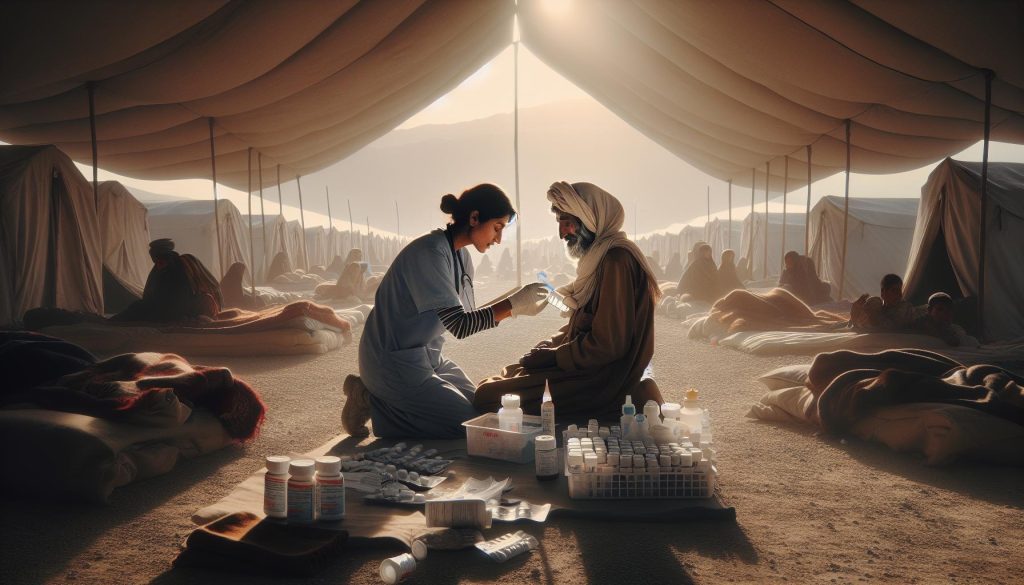
As millions of Afghan refugees navigate new challenges in their resettlement, access to healthcare remains a critical concern, particularly regarding diseases common in their home country. Among the treatments offered, ivermectin has gained attention, but it is important to understand its intended use in this context. While some social media narratives may misattribute its utility to COVID-19, ivermectin is primarily prescribed to combat parasitic infections that are prevalent among refugees. This humanitarian program not only addresses immediate health risks but also underscores the broader commitment to the well-being of vulnerable populations. As we delve deeper into this topic, we invite you to explore the significance of proper treatment and the impact of these medical interventions on refugee health outcomes.
Understanding Ivermectin: Uses and Controversies for Refugees
Ivermectin, a medication originally developed to treat parasitic infections in livestock, has become a focal point in discussions surrounding its use for human health, particularly among vulnerable populations such as refugees. The controversy stems not only from its applications but also from the misinformation surrounding its efficacy against various diseases. For Afghan refugees, Ivermectin is recommended primarily as treatment for parasitic infections, such as Strongyloides, highlighting its role in addressing significant health challenges faced by these individuals upon arrival in new countries.
Understanding Ivermectin’s intended use is crucial. The Centers for Disease Control and Prevention (CDC) outlines specific guidelines for administering Ivermectin to refugees, emphasizing that it is part of a broader strategy to control and prevent parasitic infections common in the refugees’ countries of origin. This treatment approach is not arbitrary; studies have shown that Ivermectin can effectively reduce the prevalence of parasites in populations with high infection rates. However, the misuse of Ivermectin in discussions about COVID-19 treatment has complicated its reputation. Most notably, social media has proliferated narratives that mischaracterize its use, leading to confusion and fear among refugee communities who may already be marginalized and distrustful of healthcare systems.
Moreover, the discourse around Ivermectin raises important ethical considerations. As refugees are treated with this medication, it is essential to ensure that it is administered based on sound scientific evidence and accompanied by patient education initiatives to demystify its purpose. Transparency in communication can help alleviate fears and foster acceptance within these communities. By emphasizing Ivermectin’s established role in combating parasitic infections rather than dubious claims related to viral diseases, health organizations can better support refugee populations in achieving optimal health outcomes.
In summary, while Ivermectin serves a vital function in addressing specific health needs among Afghan refugees, the conversation surrounding its use is layered with complexities. Clear and factual communication, informed by scientific research and framed by ethical considerations, will not only enhance the understanding of this treatment but also the overall health literacy of refugee communities. As the landscape of global health continues to evolve, stakeholders must remain vigilant against misinformation and dedicated to promoting evidence-based practices that genuinely benefit these vulnerable populations.
The Afghan Refugee Crisis: A Contextual Overview
The displacement of millions during the Afghan refugee crisis has created a pressing humanitarian need, not just for shelter and safety but also for health care solutions tailored to unique circumstances. Following the Taliban takeover in August 2021, thousands of Afghans fled to various countries, often lacking adequate medical care and access to essential medications. This sudden influx has posed significant challenges for host nations, which must navigate logistical hurdles while ensuring the health and welfare of refugees who may be suffering from various health issues, including parasitic infections.
Health Challenges Faced by Afghan Refugees
Many Afghan refugees arrive with a history of untreated or inadequately treated health conditions due to over two decades of conflict and instability. Parasitic infections, such as those caused by Strongyloides and other soil-transmitted helminths, are prevalent in Afghanistan but often go unaddressed in refugee accommodation settings. The need for preventive measures, such as the administration of Ivermectin, has been recognized as a crucial part of health interventions spearheaded by organizations like the CDC. By addressing these infections early, health programs can help deter further complications that could arise from untreated conditions.
Moreover, the arrival of large numbers of refugees in a short period raises serious public health considerations. The integration of health services in host countries must be efficient and sensitive to the cultural and social backgrounds of refugees. For effective treatment, understanding the specific health needs of Afghan refugees is essential, thus ensuring that they receive not only medications like Ivermectin but also comprehensive health education and support systems that foster trust and engagement with healthcare providers.
Community and International Response
The global response to this crisis involves a complex network of NGOs, governmental organizations, and local communities aiming to provide holistic healthcare solutions. Many of these organizations are working diligently to ensure Afghan refugees receive necessary medical evaluations upon arrival, with follow-ups to monitor and treat any prevalent conditions. This includes educational initiatives to increase health literacy among the refugee populations, focusing on the importance of treatments such as Ivermectin for parasitic infections.
Collaboration among various stakeholders is key in this humanitarian effort. Local health departments, refugee resettlement agencies, and international health organizations coordinate to manage the distribution of medical resources effectively. Orientation programs can alleviate fears about medications like Ivermectin, ensuring that refugees understand its role in treating common but serious health concerns, rather than the misinformation that may arise in the context of its broader use.
As the Afghan refugee crisis continues to unfold, a sustained commitment to addressing both the immediate and long-term health needs of displaced individuals is essential. By reinforcing healthcare education and providing necessary treatments, the international community can better support Afghan refugees on their path to recovery and integration.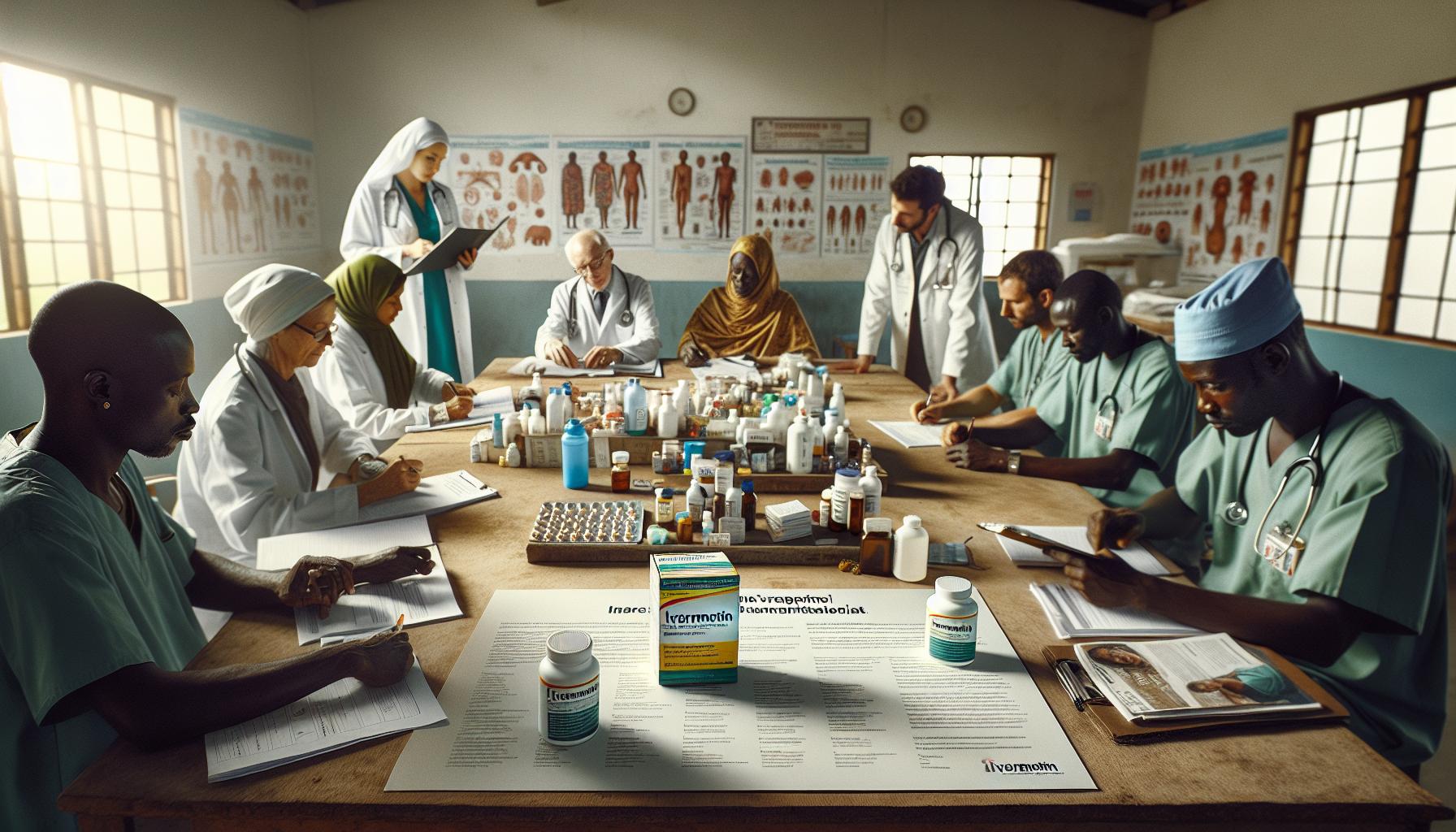
Ivermectin’s Role in Humanitarian Efforts
In the realm of humanitarian efforts, Ivermectin has emerged as a critical tool for addressing health challenges faced by vulnerable populations, particularly refugees from regions where parasitic infections are prevalent. With its broad-spectrum efficacy against various parasites, including those causing diseases like lymphatic filariasis and onchocerciasis, Ivermectin is used not only to treat existing infections but also as a preventative measure. This dual role is especially relevant for Afghan refugees, who often arrive in new countries with limited prior medical care and a high risk of parasitic diseases due to their backgrounds and living conditions.
For Afghan refugees, the administration of Ivermectin serves as an essential public health strategy aimed at interrupting the transmission of parasitic infections in communities that may not have established access to healthcare. As many of these refugees settle in environments where healthcare resources are limited, the timely provision of Ivermectin can prevent outbreak situations that strain local medical systems. Organizations, such as the CDC, advocate for this approach, recognizing that intuitively addressing health needs can improve overall outcomes not just for individual refugees but also for public health at large.
The operational side of administering Ivermectin in these contexts often involves coordination between government health agencies and non-governmental organizations (NGOs). These partnerships are crucial, as they facilitate the logistics of delivering medications where they are needed most. Health workers are typically tasked with educating refugee populations about the importance of Ivermectin, which is administered as a single dose for preventive purposes, underscoring the necessity of clear communication to dispel any fears or misconceptions regarding the medication.
Moreover, as misinformation can flourish in a climate of uncertainty, educating refugees about why Ivermectin is utilized-primarily for managing parasitic infections rather than other viral diseases-helps build trust within the health system. This approach, aligning health education with direct medical intervention, exemplifies a holistic method in humanitarian aid whereby addressing both immediate health needs and the broader context of care fosters a more effective response to health crises affecting asylum seekers. The situation of Afghan refugees illustrates the adaptive strategies needed in humanitarian health efforts, reflecting a commitment to safeguarding the well-being of some of the world’s most marginalized populations.
Administration of Ivermectin: Dosage and Guidelines
The effective administration of Ivermectin is crucial for ensuring the health and safety of Afghan refugees who may be at risk of parasitic infections. Recognized for its broad-spectrum activity against a range of parasites, Ivermectin is administered as part of targeted health interventions designed to protect vulnerable populations. One of the key aspects of this program involves clear guidelines regarding dosage and administration tailored specifically for refugee health contexts.
Typically, Ivermectin is administered as a single oral dose. For most adult refugees, the standard dose is 200 micrograms per kilogram of body weight. It is imperative that healthcare providers accurately measure the weight of each individual to determine the appropriate dosage, ensuring effective treatment while minimizing the risk of side effects. In practice, this means that before administration, health workers should conduct a thorough assessment, including weighing patients and providing health education on the importance of the medication.
Monitoring is also an essential component post-administration. Refugees should be observed for a brief period to watch for any immediate reactions or adverse effects, aiding in swift intervention if necessary. Health education plays a critical role here; refugees need to understand the purpose of Ivermectin, which is explicitly for preventing and treating parasitic infections rather than for any viral conditions, such as COVID-19. This knowledge helps build trust in healthcare workers and the treatment regimen, potentially increasing compliance and reducing anxiety surrounding the medication.
In addition to individual education, broader community outreach can enhance understanding and acceptance of Ivermectin’s role in public health. Collaborations between health officials and local NGOs are instrumental in distributing informational materials and facilitating discussions within refugee communities, thereby ensuring that individuals are informed and prepared when receiving treatment. This collective effort not only addresses immediate health needs but also fosters a healthier environment as refugees integrate into new communities.
Safety and Efficacy of Ivermectin in Refugee Populations
Ivermectin, a widely used antiparasitic medication, has emerged as a crucial component in the healthcare strategy for Afghan refugees, particularly in addressing parasitic infections. Understanding its safety and efficacy is paramount in ensuring that these vulnerable populations receive effective treatment without unnecessary harm. Studies have demonstrated that Ivermectin is primarily effective against multiple types of parasitic infections, such as Strongyloides stercoralis, which can have serious health implications if left untreated. Administratively, Ivermectin is recommended as part of a presumptive treatment protocol for refugees, emphasizing its strategic role in preemptively eliminating these parasites before they can affect the newly arrived population.
Safety Profile
In terms of safety, Ivermectin has a well-established track record. While it is essential to monitor for potential side effects-such as mild gastrointestinal disturbances or skin reactions-serious adverse effects are rare, especially when administered at the recommended dosages of 200 micrograms per kilogram of body weight. Healthcare providers are educated on identifying and managing side effects promptly, contributing to a safe treatment experience. Additionally, Ivermectin’s effectiveness and safety have been supported by numerous studies across diverse populations, including refugees, which highlights its suitability for such humanitarian efforts.
Efficacy in Refugee Settings
The efficacy of Ivermectin in refugee populations is underscored by empirical evidence from various health interventions. For instance, one significant study involved over 2,000 refugees resettling from high-prevalence areas, where pre-departure treatment with Ivermectin resulted in a marked reduction in Strongyloides infections. This proactive approach not only improves health outcomes for individuals but also alleviates the burden on host community healthcare systems by preventing the spread of these infections. Such results reinforce the importance of integrating Ivermectin into refugee health protocols, as it addresses both immediate health concerns and longer-term public health objectives.
This proactive and targeted use of Ivermectin exemplifies a compassionate and science-based approach to refugee health care. As this program evolves, continuous monitoring and assessment of treatment outcomes will remain crucial to further refine intervention strategies and ensure the health and well-being of Afghan refugees adjusting to new environments. Emphasizing the collaborative efforts between healthcare providers, NGOs, and the refugee communities themselves will enhance the efficacy of Ivermectin administration, fostering a more robust public health framework that is both effective and respectful of the populations it serves.
Addressing Misinformation: The Science Behind Ivermectin
Understanding the use of Ivermectin in humanitarian aid, particularly for Afghan refugees, often requires navigating a complex landscape of scientific consensus and misinformation. Ivermectin has been employed primarily as an antiparasitic treatment rather than a broad-spectrum medication, which sometimes leads to misunderstandings about its purpose and efficacy. Misinformation can arise particularly when figures are quoted out of context or suggest a different intent behind these treatments.
The Centers for Disease Control and Prevention (CDC) recommends Ivermectin for refugees, especially those from regions where specific parasitic infections are prevalent, such as *Strongyloides stercoralis*. These recommendations are firmly rooted in public health principles. The aim is to provide effective treatment against parasites that could cause significant health issues if not addressed prior to their arrival in the U.S.[1](https://www.health.state.mn.us/communities/rih/guide/7parasites.html). It’s important to clarify that these treatments are not related to infectious diseases like COVID-19, despite some public confusion surrounding the medication’s broader applications.
To ensure that people receive accurate information about Ivermectin, it is critical to emphasize scientific research. Studies highlight its successful use in reducing intestinal parasite prevalence in refugee populations. For instance, health interventions have shown significant reductions in *Strongyloides* infections through targeted treatment programs before refugee settlement in host countries. This proactive strategy not only enhances individual health but also protects community health by reducing potential outbreaks.
The discourse surrounding Ivermectin must also involve transparency about its safety and efficacy. Side effects are generally mild and include gastrointestinal symptoms or skin reactions, which are manageable. Serious adverse effects are rarer when Ivermectin is administered according to established guidelines. This information should be widely disseminated to counteract apprehensions or myths circulated in public forums. By educating communities about the science underpinning Ivermectin’s use, we can foster a more informed understanding that supports the well-being of vulnerable refugee populations.
Overall, addressing misinformation with clarity and evidence-based insights is crucial in ensuring that refugees receive the necessary medical interventions tailored to their health needs. The integration of Ivermectin into refugee health protocols reflects a commitment to upholding public health by preventing serious parasitic infections in populations transitioning to new environments.
Case Studies: Ivermectin in Refugee Health Programs
In refugee health programs, the use of Ivermectin has shown promising results in managing parasitic infections, particularly among populations vulnerable due to displacement. One compelling case is the treatment of Afghan refugees who have settled in various countries, where the prevalence of parasitic infections like *Strongyloides stercoralis* is a significant public health concern. By implementing Ivermectin as a preventive measure before these individuals arrive in host countries, health agencies aim to tackle infections that can lead to severe complications, ensuring a healthier transition into new environments.
A notable example comes from a collaboration between NGOs and local health authorities in recent Afghan refugee resettlement efforts. Refugees were offered a comprehensive health check-up, which included screening for parasitic infections. Those found at risk received a single dose of Ivermectin as part of a broader strategy to prevent the spread of infections. Early reports from these programs indicated a marked decrease in reported cases of *Strongyloides* infections and improved overall health among the refugee populations, highlighting the drug’s effectiveness in managing such health issues.
Practical Applications and Community Engagement
In addition to providing direct medical treatment, initiatives utilizing Ivermectin often involve educating refugees about the importance of preventing parasitic infections. This aspect is critical, as many refugees are unfamiliar with the risks posed by these infections and the preventive measures that can be taken. Health workers engaged in these programs conduct workshops and distribute educational materials outlining symptoms and transmission routes, empowering refugees with knowledge about their health.
The proactive use of Ivermectin also illustrates a larger trend in humanitarian health efforts: the integration of package health services. By combining Ivermectin distribution with other health initiatives, such as vaccinations and nutrition support, agencies aim to create a comprehensive care model that enhances the health and well-being of refugee populations. This integrated approach not only addresses existing health issues but also fosters resilience in these communities, helping them adapt to their new surroundings with better health outcomes.
By learning from these case studies, public health organizations and policymakers can further refine and improve strategies for delivering Ivermectin and other essential health services to refugees, thus ensuring that these interventions are both effective and culturally sensitive.
Collaborative Efforts: NGOs and Ivermectin Distribution
As healthcare systems around the world grapple with the ongoing effects of displacement crises, collaborative efforts involving non-governmental organizations (NGOs) have emerged as crucial components in delivering Ivermectin to vulnerable populations, particularly Afghan refugees. These partnerships bring together a diverse array of expertise and resources, ensuring that interventions are not only effective but also culturally sensitive. The multifaceted approach to Ivermectin distribution highlights the importance of community engagement, nutrition, and education in addressing health disparities across resettled populations.
One striking example of collaboration is seen through initiatives led by organizations like the International Rescue Committee (IRC) and local health authorities, where comprehensive health screenings are conducted for arriving refugees. In these efforts, Ivermectin is provided as part of a broader strategy to combat parasitic infections prevalent in vulnerable groups. Beneficiaries often receive health education alongside their treatments, ensuring they understand the importance of follow-up care and preventive measures. This dual focus on treatment and education empowers individuals and communities, reducing the stigma often associated with medication and enhancing compliance.
Challenges in Distribution and Implementation
The distribution of Ivermectin is not without challenges. NGOs face logistical hurdles, including securing adequate supplies of medication, navigating varying health regulations in host countries, and ensuring that health workers are trained to provide accurate information about the drug’s purpose. Additionally, health workers play a vital role in dispelling misinformation about Ivermectin that has emerged in other contexts, such as its inappropriate claims for treating COVID-19. Emphasizing Ivermectin’s established role in treating specific parasitic infections helps prevent confusion and miscommunication among refugee populations.
Furthermore, NGOs are increasingly integrating Ivermectin distribution within holistic health frameworks. This includes coordination with vaccination programs and mental health services, creating an environment where refugees receive comprehensive care tailored to their unique experiences and needs. By fostering cross-sector partnerships and employing data-driven strategies for healthcare delivery, NGOs can enhance their impact on vulnerable communities. This integrated approach not only improves immediate health outcomes but also contributes to the long-term resilience of refugee populations as they adjust to new environments.
Ultimately, the successful distribution of Ivermectin through collaborative efforts reflects a commitment to delivering equitable healthcare solutions. By combining expertise from various stakeholders, these programs strive to build healthier communities, ensuring that refugees have access not just to medication, but to the information and resources necessary for a healthier future.
Cultural Considerations: Ivermectin Acceptance Among Refugees
Cultural beliefs and experiences shape the acceptance of medications like Ivermectin among refugee populations, particularly among Afghan refugees who are navigating new healthcare systems in host countries. Understanding and addressing these cultural dimensions is vital for successful healthcare interventions. Many Afghan refugees may come from backgrounds where traditional healing practices are prominent, leading to skepticism towards pharmaceutical medications. Health workers and NGOs play a crucial role in bridging this gap by providing culturally sensitive education that highlights the importance of Ivermectin in treating parasitic infections, which can be prevalent in their communities.
One effective strategy to enhance acceptance is to engage community leaders and local influencers who already have the trust of the refugee populations. When these respected figures endorse the use of Ivermectin and participate in health outreach efforts, they help mitigate fears and misconceptions. Additionally, sharing personal stories of individuals who have benefited from treatment can foster a sense of community and normalcy around medical interventions. For example, workshops that invite refugees to discuss their health concerns and experiences with medication can serve as platforms for conveying vital information while also integrating their narratives into the conversation about health.
Furthermore, addressing misinformation-especially concerning Ivermectin’s controversial portrayal in the media as a treatment for COVID-19-is critical. Educational campaigns that clarify the specific use of Ivermectin for parasitic infections, backed by scientific data, can help dispel doubts. It’s important to communicate the evidence-based benefits of the drug while respecting cultural perspectives. This includes providing materials in multiple languages and formats, ensuring inclusivity and accessibility for all community members.
Ultimately, the successful acceptance of Ivermectin among Afghan refugees hinges on culturally competent practices that respect their values and experiences. By facilitating open discussions, engaging trusted community voices, and providing clear, evidence-based information, organizations can foster a more receptive environment for healthcare interventions that save lives and promote public health.
Alternatives to Ivermectin: What Refugees Should Know
Amid increasing attention to the use of medications like ivermectin in humanitarian efforts, especially for refugee populations, it is essential to explore the alternatives available for treating parasitic infections, particularly for Afghan refugees. While ivermectin is a crucial tool, it is not the only option. Understanding these alternatives can empower refugees and aid organizations to make informed health decisions tailored to individual needs and conditions.
Common Alternatives to Ivermectin
Several medications and treatments can be used to address parasitic infections effectively:
- Albendazole: Often used as a broad-spectrum anthelmintic, albendazole is effective against various gastrointestinal parasites, including roundworms and tapeworms. It’s typically administered as a single oral dose, making it a convenient option for refugee health programs.
- Mebendazole: Like albendazole, mebendazole targets a range of worms, including pinworms and hookworms. Its administration may be preferable in communities with high levels of parasitic infections, as it can be given over a few days for optimal results.
- Praziquantel: This medication is particularly effective against schistosomiasis, a disease caused by parasitic worms prevalent in certain regions. Praziquantel is administered in higher doses for an effective treatment, especially in refugee camps where schistosomiasis is common.
Importance of Comprehensive Treatment
While considering alternatives to ivermectin, refugees should also be aware of the importance of comprehensive treatment strategies. This includes:
- Access to Healthcare: Ensuring refugees have access to healthcare providers who can diagnose and treat parasitic infections accurately. Regular health screenings and education about symptoms can lead to early intervention and better health outcomes.
- Nutritional Support: Malnutrition can weaken the immune system, making individuals more susceptible to infections. Providing nutritional support alongside any medical treatment is crucial in fostering overall health.
- Preventive Measures: Education on hygiene practices, including handwashing and safe food preparation, can significantly reduce the risk of acquiring parasitic infections.
Consultation with Healthcare Providers
It is vital for refugees to consult with healthcare providers who understand their specific health needs. These professionals can advise on the most effective treatment options, including when to use alternatives to ivermectin. Mutual understanding and trust between healthcare workers and refugee populations can facilitate better health outcomes.
Navigating the complexities of medical treatment in a new environment can be challenging. By exploring and understanding alternatives to ivermectin, Afghan refugees can be better equipped to manage their health and promote well-being within their communities. Additionally, informed discussions with healthcare providers can help dispel myths and promote adherence to necessary treatments, ensuring safer, healthier futures.
Future Implications: Ivermectin Research and Refugee Health
Amid ongoing humanitarian crises, the use of ivermectin continues to spark research interest, particularly as it pertains to refugee health. Disabled by prolonged exposure to harsh environments and inadequate healthcare, refugee populations face heightened vulnerability to parasitic infections. Ivermectin has gained attention for its potential to alleviate such burdens, yet its use in these contexts prompts further exploration of efficiency, safety, and the evolution of treatment protocols.
Research into ivermectin emphasizes the need for ongoing studies to ensure its efficacy in diverse populations. While clinical data support its effectiveness against a range of parasites, emerging studies are necessary to address potential variations in response among refugee groups, who may present with co-morbid conditions and different health backgrounds. For instance, the Centers for Disease Control and Prevention (CDC) has established guidelines recommending ivermectin for refugees at risk of specific parasitic infections, rooted in previous successful public health strategies. However, context remains critical; recent analyses indicate that while ivermectin serves well against certain infections, its role should be clarified to prevent misconceptions surrounding its use for COVID-19 or other non-parasitic illnesses [1[1].
Accessibility remains a pivotal consideration as research progresses. Collaborative efforts involving global health organizations, local health authorities, and NGOs are essential for ensuring that refugees receive appropriate healthcare, including ivermectin therapy when indicated. Such collaboration can involve developing training programs for healthcare workers on the frontline to recognize parasitic infections and administer treatments confidently. Moreover, gathering data from these interactions can enhance understanding of how ivermectin administration impacts health outcomes, paving the way for tailored strategies that consider cultural beliefs and barriers to acceptance.
Finally, as we look to the future, the potential integration of ivermectin with other treatment modalities offers a promising trajectory. Research exploring combination therapies or complementing ivermectin with nutrition and sanitary practices could yield comprehensive health interventions. By evolving our understanding of ivermectin and how it works within diverse refugee contexts, we can enhance the quality of health interventions, ensuring that populations in need are supported effectively-not just through medications but through community-wide health paradigms.
Advocacy and Policy Recommendations for Refugee Health Care
Ensuring the health and well-being of refugees, particularly those transitioning to new environments, requires thoughtful advocacy and strong policy recommendations. Given the challenges faced by Afghan refugees, including heightened vulnerability to parasitic infections, targeted health interventions such as the administration of ivermectin can be crucial. Creating a framework for these interventions involves fostering collaboration among healthcare providers, NGOs, and international health organizations to leverage resources and expertise effectively.
To begin with, educational campaigns should be established to inform both refugees and healthcare providers about the rationale behind ivermectin administration. Many refugees may be unfamiliar with the drug’s purpose, given its association with COVID-19 treatment discussions. Clear, culturally sensitive communication that explains ivermectin’s role in treating parasitic infections can help dispel myths and foster trust. This could include leveraging local community leaders to facilitate discussions around treatment options and their benefits.
Furthermore, policies enabling integrated health services must be prioritized. This involves not only administering ivermectin but also addressing broader health needs through a holistic approach. Coordination between various healthcare sectors can facilitate simultaneous treatment for other common health issues faced by refugees, ensuring that individuals do not miss out on essential services due to a singular focus on one medication. Implementing mobile health clinics can also enhance access, particularly for those in remote or underserved areas.
Additionally, ongoing research and data collection should be a cornerstone of any advocacy effort. It is important to monitor the long-term health outcomes of ivermectin use in refugee populations, identifying any side effects or contraindications that may arise. Collaborating with universities and research institutions can strengthen data collection efforts, leading to improved care protocols based on evidence. These findings can also inform future health policies, ensuring they are responsive to the needs of evolving refugee populations.
Finally, addressing regulatory challenges associated with drug distribution is essential. Governments and international organizations must work together to streamline processes that allow for quick dispensing of medications like ivermectin in crisis contexts. By advocating for policies that prioritize expedited access to essential medicines during humanitarian responses, stakeholders can enhance care continuity for refugees and support their successful integration into new communities.
Through these multi-faceted advocacy efforts, we can ensure that health for Afghan refugees is not only about medication but also about building a resilient healthcare infrastructure that supports their journey to recovery and stability.
Q&A
Q: What types of parasitic infections does ivermectin treat in Afghan refugees?
A: Ivermectin is primarily used to treat *Strongyloides* infections in Afghan refugees. It is part of a broader strategy to address intestinal parasites, including those caused by soil-transmitted helminths, ensuring comprehensive health support upon their arrival [[2](https://www.cdc.gov/immigrant-refugee-health/hcp/overseas-guidance/intestinal-parasite-guidelines.html)].
Q: Why is ivermectin given to Afghan refugees specifically?
A: Afghan refugees are given ivermectin as a preventative treatment to reduce the burden of *Strongyloides* and other parasitic infections prior to their resettlement in the U.S. This is part of a humanitarian health initiative aimed at improving their overall well-being [[3](https://www.health.state.mn.us/communities/rih/guide/7parasites.html)].
Q: How safe is ivermectin for Afghan refugees?
A: Ivermectin is generally considered safe for use in refugee populations when administered correctly. The CDC supports its use as a presumptive treatment for specific parasitic infections, highlighting its efficacy in lowering infection rates [[2](https://www.cdc.gov/immigrant-refugee-health/hcp/overseas-guidance/intestinal-parasite-guidelines.html)].
Q: What are the potential side effects of ivermectin for refugees?
A: While ivermectin is mostly safe, some potential side effects may include nausea, dizziness, and skin rashes. Most refugees tolerate the medication well, but monitoring is important to manage any adverse reactions effectively [[3](https://www.health.state.mn.us/communities/rih/guide/7parasites.html)].
Q: How does ivermectin distribution work for Afghan refugees?
A: Ivermectin is distributed to Afghan refugees as part of pre-departure health protocols. Health authorities coordinate with NGOs to ensure refugees receive the necessary treatment before arriving in the U.S., helping to prevent parasitic infections [[2](https://www.cdc.gov/immigrant-refugee-health/hcp/overseas-guidance/intestinal-parasite-guidelines.html)].
Q: Are there other treatments besides ivermectin for Afghan refugees?
A: Yes, refugees may also receive treatments such as albendazole for soil-transmitted helminths in conjunction with ivermectin. This dual treatment approach enhances health outcomes by targeting multiple parasitic infections [[2](https://www.cdc.gov/immigrant-refugee-health/hcp/overseas-guidance/intestinal-parasite-guidelines.html)].
Q: What is the current status of ivermectin use in humanitarian programs for Afghan refugees?
A: The use of ivermectin continues to be a key element of health interventions for Afghan refugees, following guidelines established by health agencies to ensure their health is prioritized during resettlement efforts [[3](https://www.health.state.mn.us/communities/rih/guide/7parasites.html)].
Q: Where can I find more information about ivermectin and refugee health?
A: Further information can be found on the CDC’s website and through refugee health programs, detailing the guidelines and best practices for administering ivermectin and other treatments for refugees [[2](https://www.cdc.gov/immigrant-refugee-health/hcp/overseas-guidance/intestinal-parasite-guidelines.html)].
In Conclusion
As we conclude our exploration of the Ivermectin program for Afghan refugees, it’s essential to recognize its critical aim: to safeguard these individuals from parasitic infections that may compromise their health upon arrival in the U.S. While Ivermectin serves a vital purpose in this humanitarian effort, it is not related to COVID-19 prevention. For those seeking more details about the treatment protocols, accessible health guidelines, or the broader context of refugee health initiatives, we invite you to explore our related articles on overseas health recommendations and the role of medication in refugee resettlement.
Your engagement matters! Join our community of informed readers by signing up for our newsletter to stay updated on crucial health topics and humanitarian news. Have questions or insights? We encourage you to leave a comment below-your perspective contributes to a broader conversation about health and well-being in vulnerable populations. Together, we can promote understanding and action in support of those in need. Thank you for being a part of this important discussion!