Did you know that Ivermectin, initially developed for humans, has become a cornerstone in equine health, particularly for deworming? This powerful medication is widely used to treat a variety of internal parasites in horses, helping to maintain their health and performance. With concerns rising over parasite resistance and the well-being of our equine partners, understanding what Ivermectin treats becomes essential for every horse owner.
In this guide, we will delve into the specific parasites Ivermectin targets, its mechanisms of action, and considerations for its use, ensuring you are well-equipped to make informed decisions about your horse’s care. Whether you’re a seasoned owner or new to horse management, knowing how to effectively combat parasites is crucial for promoting a healthy, thriving equine environment. Continue reading to uncover the details that can lead to happier, healthier horses.
What Is Ivermectin and Its Role in Horses?
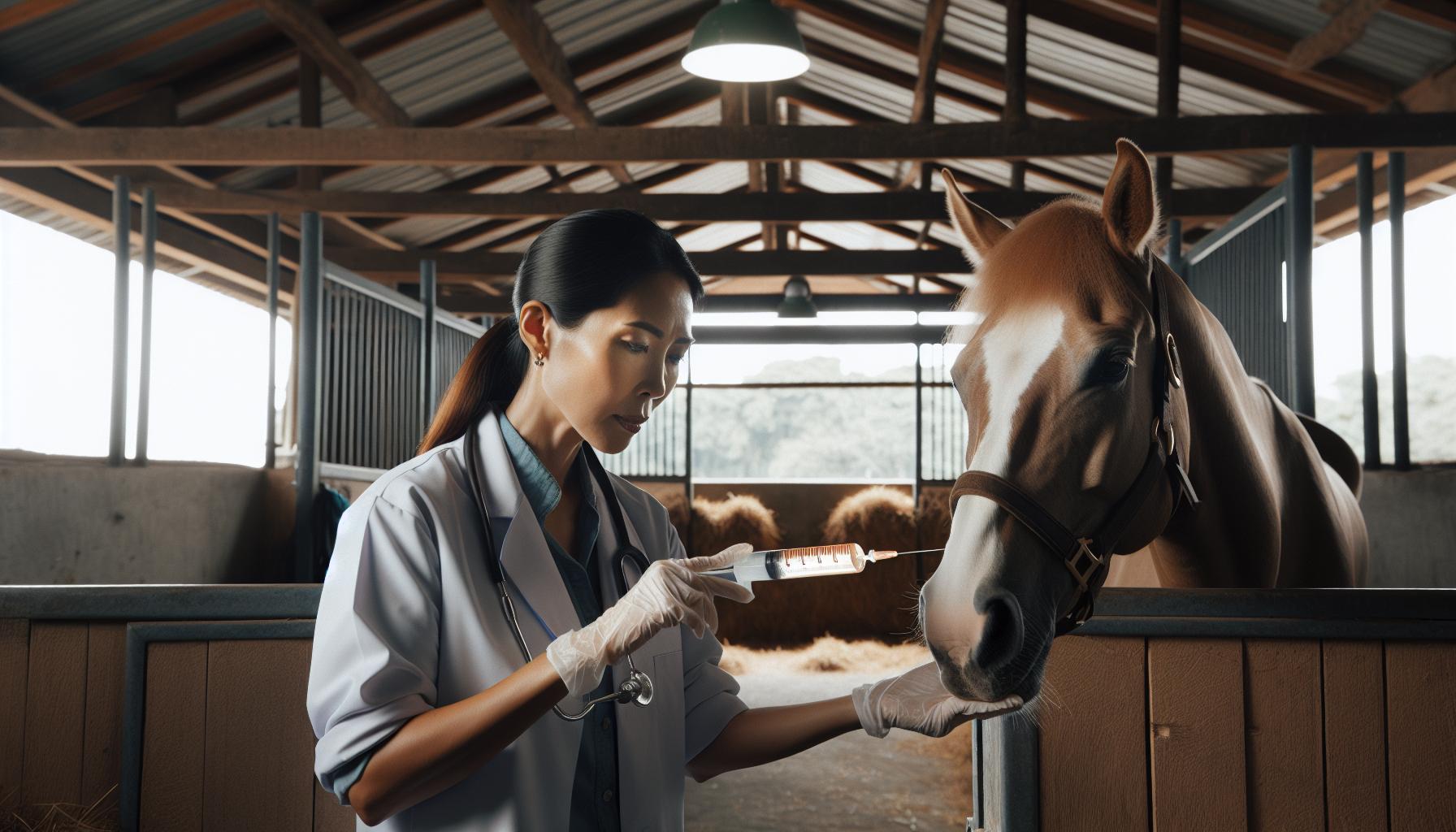
Ivermectin, a powerful anti-parasitic agent initially developed for veterinary use, has become an essential treatment for horses suffering from various types of internal parasites. Its effectiveness in targeting a range of gastrointestinal worms and bots makes it a cornerstone of equine health management. Frequently administered as a paste or an injectable, ivermectin helps maintain a horse’s health by preventing the potentially severe consequences of parasitic infections.
The primary role of ivermectin in horse care is to control and eliminate common equine parasites such as strongyles, ascarids, and various bots. These parasites can lead to serious health issues, including colic, weight loss, and reduced overall performance. A single dose of ivermectin can effectively reduce the parasite burden, leading to improved health outcomes for affected animals. Owners often appreciate ivermectin for its broad-spectrum activity, making it suitable for routine deworming schedules to protect horses across different life stages and conditions.
In equine medicine, ivermectin stands out not only for its efficacy but also for its safety profile. Unlike many earlier treatments that required multiple doses or had substantial side effects, the use of ivermectin typically results in fewer adverse reactions, fostering greater compliance among horse owners. However, it’s crucial for owners to follow veterinarian recommendations regarding dosing and frequency to ensure optimal results and maintain a responsible approach to equine parasite management.
Common Conditions Treated with Ivermectin
Ivermectin is a vital tool in equine health care, effectively targeting a range of internal parasites that can threaten the well-being of horses. This antiparasitic medication is renowned for its broad-spectrum activity, allowing it to combat various pathogens and prevent serious health complications. The include various types of worms that infest the gastrointestinal tract, as well as arthropods like bots.
One of the principal types of parasites treated with ivermectin is Strongylus vulgaris, known as the large strongyle. These parasites can cause severe damage to the blood vessels and intestinal linings, leading to conditions such as colic, which can be life-threatening. Ivermectin is also effective against small strongyles, ascarids (roundworms), pinworms, and hairworms, all of which can compromise a horse’s health by causing weight loss, lethargy, or digestive disturbances if not adequately addressed.
Furthermore, ivermectin provides protection against bots-larvae of the botfly that can irritate a horse’s digestive system and lead to further complications if left untreated. This makes it an essential part of routine deworming protocols for horses, ensuring that owners can provide a health barrier against these prevalent pests.
Ultimately, the effectiveness of ivermectin in managing these common parasitic threats to horses underscores its importance in equine veterinary care. By utilizing ivermectin as part of a comprehensive parasite control strategy, horse owners can help maintain their animals’ health and performance levels, reflecting the significance of proactive health management in equine husbandry.
How Ivermectin Works in Equine Medicine
Ivermectin works its magic through a unique mechanism that targets the nerve and muscle cells of parasites. By binding to specific receptors on these cells, ivermectin enhances the effects of a neurotransmitter called gamma-aminobutyric acid (GABA). This results in increased muscle paralysis and death of the parasites without significantly affecting the host animal, such as horses. This selectivity makes ivermectin a powerful and safe option for equine deworming.
When a horse is administered ivermectin, it not only combats a variety of internal parasites, including strongyles and ascarids, but it also provides efficacy against external parasites such as bots. The effectiveness of ivermectin extends to nearly all life stages of these parasites, ensuring comprehensive control over infestations. This broad-spectrum action is one of the reasons it is a staple in veterinary practices.
Furthermore, the administration of ivermectin is straightforward, often delivered in a paste form that allows for accurate dosing based on the horse’s weight. Owners are encouraged to have a fecal egg count (FEC) performed to determine the level of infestations before treatment, which helps tailor deworming strategies and monitor effectiveness over time.
In summary, ivermectin’s mode of action highlights its vital role in managing parasitic infections in horses, ensuring not only the horses’ health but also enhancing overall performance and well-being. With its efficacy and safety profile, ivermectin has become an integral component of holistic equine care, underscoring the importance of understanding how these treatments work in conjunction with veterinary guidance and best practices.
Proper Dosage and Administration for Horses

Administering ivermectin properly is essential for effective parasite control in horses while ensuring their safety. Each horse may require a specific dosage based on its weight, health status, and the type of parasites being targeted. The typical formulation available is ivermectin paste, which comes in a tube with clearly marked dosage increments. A general guideline for ivermectin dosage is approximately 200 micrograms per kilogram of body weight. For accurate dosing, weighing the horse is recommended to avoid underdosing or overdosing, both of which can compromise treatment efficacy or safety.
Before administration, it’s advisable to perform a fecal egg count (FEC) to assess which specific parasites are present and their levels. This allows for a more tailored deworming approach, maximizing the benefits of ivermectin treatment. After determining the horse’s weight, the dosage can be calculated. For example, if a horse weighs 500 kg, it would require about 1,000 micrograms, or 1 gram of ivermectin.
To administer ivermectin paste effectively, the tube should be shaken well before use. The syringe should be placed in the horse’s mouth, preferably between the molars, and the paste should be deposited on the back of the tongue to ensure proper swallowing. It’s beneficial to reward the horse with a treat afterward to create a positive association with the deworming process.
Always consult a veterinarian prior to treatment. They can provide personalized advice based on the horse’s health history, age, and specific parasite risks. Moreover, veterinarians often track advances in research and can recommend ongoing management strategies to prevent future infestations and maintain the overall health of the horse. By following these guidelines, horse owners can more effectively manage parasite control, contributing to healthier, happier horses.
Safety Considerations and Side Effects of Ivermectin
When considering the use of ivermectin for horses, it’s important to understand that while this medication is generally safe and effective, there are several safety considerations and potential side effects to keep in mind. Ivermectin has become a staple in equine parasite control due to its broad-spectrum activity against various internal and external parasites. However, improper dosages or administration can lead to adverse effects, impacting not only the horse’s health but also the overall effectiveness of the treatment.
One key safety consideration is the potential for overdose, which can occur if the dosage is not accurately calculated based on the horse’s weight. While the standard dosing recommendation is around 200 micrograms per kilogram of body weight, deviations can lead to toxicity. Symptoms of ivermectin toxicity may include lethargy, abnormal gait, and in severe cases, seizures. Therefore, it is crucial for horse owners to weigh their animals accurately and consult with a veterinarian regarding the appropriate dosage before treatment.
Additionally, ivermectin should be used cautiously in specific populations. For example, certain breeds, such as Collies and other herding breeds, are particularly sensitive to ivermectin and can experience severe neurological side effects if exposed to typical doses. Young, pregnant, or lactating mares may also require careful consideration due to the varying effects the drug can have on the developing fetus or nursing foal. Always conducting a fecal egg count (FEC) prior to deworming helps to ascertain specific needs, thereby minimizing the risk of unnecessary treatments that could lead to imbalances in the horse’s gut microbiota.
It is important for horse owners to remain vigilant for any adverse reactions following ivermectin administration. Common minor side effects may include mild colic, diarrhea, or temporary changes in behavior, which often resolve without intervention. However, owners should always be prepared to contact a veterinarian if they notice any concerning changes, such as prolonged symptoms or unusual behavior. This proactive approach ensures that the horse’s wellbeing is prioritized while maintaining effective deworming practices.
In summary, while ivermectin is a valuable tool in managing equine parasite issues, its safe and effective use hinges on proper dosage, awareness of specific breed sensitivities, and vigilant observation for side effects. By approaching ivermectin with informed caution, horse owners can contribute to the health and longevity of their animals.
Comparing Ivermectin to Other Treatments for Horses
When delving into the world of equine parasite management, understanding how ivermectin stacks up against other treatments is crucial for making informed decisions about your horse’s health. Ivermectin is renowned for its broad-spectrum efficacy against a variety of parasites, but it’s essential to explore how it compares with alternative dewormers and other treatment modalities available on the market.
Understanding Treatment Options
Several classes of dewormers exist, including pyrantel, fenbendazole, and praziquantel, each offering unique mechanisms and effectiveness against specific parasites. For instance, pyrantel is particularly effective against strongyles and ascarids but is not as comprehensive against other intestinal parasites as ivermectin. Fenbendazole, while effective against certain types of worms, requires repeated dosing for maximum efficacy and has been demonstrated to have less efficacy against certain parasites compared to ivermectin, especially if they have developed some resistance over time.
Julian horses, common in some regions, may be treated with praziquantel, known for its ability to target tapeworms specifically. However, praziquantel is often used in combination with other dewormers to achieve broader coverage, as it does not address a wide range of parasites like ivermectin. The choice of dewormer often depends on the specific type of parasite concerns, local resistance patterns, and individual horse health needs, making veterinary advice crucial in these decisions.
Why Ivermectin is a Preferred Choice
Ivermectin stands out due to its efficacy against a myriad of internal parasites, including strongyles, pinworms, ascarids, and external parasites like lice and mites. Its convenience as an oral paste and wide availability further enhance its appeal among horse owners. Additionally, ivermectin shows a good safety profile when used correctly, with minimal side effects noted in healthy horses, which cannot be said for all alternative treatments.
Moreover, recent studies have illustrated a concerning rise in parasite resistance, prompting a need for strategic deworming protocols that often involve rotating anthelmintics. This means that while ivermectin remains an effective first-line treatment, combining it with other treatments on a rotational basis may aid in mitigating the risks of resistance, ensuring long-term efficacy in parasite management.
In summary, while ivermectin is a powerhouse in combating equine parasites due to its broad-spectrum effectiveness and safety, it’s essential to evaluate the other available treatments. Each dewormer has its unique strengths and weaknesses, and a tailored approach that considers specific parasite concerns, local resistance patterns, and horse health is paramount for optimal care and deworming strategy.
The Importance of Veterinary Guidance When Using Ivermectin
The decision to use ivermectin for treating horses is not one to be taken lightly, as improper use can lead to ineffective treatments and contribute to growing resistance among parasites. Consulting a veterinarian is critical, as they possess the expertise to evaluate each horse’s unique health needs and environmental factors, guiding owners toward the most appropriate deworming strategy. A veterinarian will consider various elements, including the horse’s age, breed, health status, and the specific parasite risks prevalent in your area.
Veterinary guidance ensures that deworming protocols are tailored to each horse’s specific circumstances, taking into account the broader context of parasite management. For example, some horses may develop resistance to ivermectin over time, necessitating a rotation of deworming agents. A veterinarian can conduct fecal egg count tests pre- and post-treatment to monitor the effectiveness of the chosen dewormer and adjust the treatment plan accordingly. This approach not only maximizes the efficacy of parasite control but also helps mitigate the risk of resistance.
Moreover, understanding the optimal dosages and administration methods is vital. Ivermectin is available in several formulations, including pastes, gels, and injectables. A veterinarian can recommend the most effective form based on your horse’s preferences and needs. They can also provide insights into the best timing for treatments, as factors such as season and pasture management can influence parasite life cycles and infestations.
In addition to these considerations, discussing concerns with a veterinarian can dispel common myths surrounding ivermectin use. For instance, some horse owners might mistakenly believe that all dewormers are interchangeable or that they can rely solely on over-the-counter products. Veterinary guidance can clarify these misconceptions, ensuring informed decisions that prioritize the health and well-being of your horse. By forging a partnership with your veterinarian, you can develop a comprehensive and effective deworming strategy that supports not only your horse’s health but also the overall wellness of your equine community.
Recent Research and Developments in Equine Ivermectin Use
Recent studies and ongoing research into the use of ivermectin in horses shine a light on both its effectiveness and emerging challenges. A significant focus has been on the growing concern of parasite resistance to ivermectin. Research indicates that certain intestinal parasites have begun to develop resistance, leading to less effective treatments and necessitating a shift in deworming strategies. This is particularly concerning for equine caretakers who rely on ivermectin as a primary method of parasite control. It highlights the need for regular fecal egg count testing to monitor parasite load and treatment efficacy, as well as the potential for rotating dewormers to mitigate resistance development.
Moreover, recent investigations have explored the expanded use of ivermectin beyond traditional deworming. Studies have shown potential off-label applications of ivermectin for treating other equine conditions, such as skin issues related to certain parasites and even certain viral infections, although these uses are still under investigation. This evolving landscape underscores the importance of working closely with veterinarians who can inform horse owners about the latest research findings and treatment options that are safest and most effective for their horses.
In addition, innovations in ivermectin formulations and delivery methods are underway, aiming to enhance bioavailability and improve compliance among horse owners. Newer delivery systems, such as controlled-release gels, are being explored to provide longer-lasting protection and require fewer doses. These developments not only promise more efficient parasite management but also open the door for more tailored treatment approaches based on the individual health needs of horses.
Overall, the narrative surrounding ivermectin in equine health is dynamic, emphasizing the importance of staying informed about new research and collaborative veterinary care. Equine owners are encouraged to engage with veterinary professionals regularly, as these conversations can lead to better-informed decisions that prioritize the health and welfare of their horses. Balancing efficacy, safety, and resistance management will be crucial as new research continues to unfold in this vital area of equine medicine.
Ivermectin Use in Different Horse Breeds and Ages
Horses, like people, are not a homogenous group, and their unique breeds and ages greatly influence their response to treatments such as ivermectin. Understanding these variations can enhance the effectiveness of this commonly used dewormer and ensure the health and safety of equine patients.
Different horse breeds may exhibit variability in their susceptibility to parasites, which can be attributed to genetic factors, lifestyle, and management practices. For instance, ponies, due to their generally lower activity levels and grazing habits, might accumulate parasites more easily compared to larger breeds like thoroughbreds, which often have more varied living conditions and greater mobility. Consequently, deworming protocols may need to be tailored to address these breed-specific risks. Regular fecal egg counts (FECs) are essential in monitoring parasite loads and determining when and how often to administer ivermectin.
Age is another crucial factor in the use of ivermectin. Foals and young horses, particularly those under six months, require special attention as they are more vulnerable to certain internal parasites. These include ascarids (roundworms), which can cause severe colic and other health issues if left unchecked. In these cases, ivermectin is often introduced at an earlier age, following veterinary recommendations to establish a safe deworming schedule that aligns with their developmental needs. Adult horses, on the other hand, usually benefit from a strategic approach to deworming triaged by their specific health status, exposure risk, and any previous history of parasites, all of which can influence the safe administration of ivermectin.
Moreover, special considerations arise for geriatric horses that may have compromised immune systems or other health issues. As these horses are often more susceptible to worms and their complications, veterinary guidance is paramount. Adjustments in dosage might be necessary to ensure efficacy while minimizing potential side effects, especially as older horses may process medications differently than their younger counterparts.
In summary, recognizing the distinctions among horse breeds and ages can facilitate more effective deworming strategies using ivermectin. Owners should work closely with veterinarians who can provide tailored advice based on the specific needs of their horses. This collaborative approach not only enhances the well-being of the equine patients but also emphasizes the importance of proactive health management in maintaining optimal equine health throughout their lives.
Debunking Myths About Ivermectin in Horses
Misconceptions surrounding ivermectin often cloud the understanding of its role in equine health. Despite its widespread use as a dewormer for horses, many myths persist that can impact how owners perceive and administer this vital medication. One prevalent myth is that ivermectin can be freely used without veterinary guidance; in reality, a veterinarian’s insight is crucial to tailor treatment to each horse’s unique health needs and environmental exposure.
Another common misunderstanding is that ivermectin is effective against all parasites. While ivermectin is highly effective against several internal and external parasites-such as strongyles, roundworms, and bots-it does not cover all parasitic threats. For instance, some parasites like tapeworms may require a different approach or additional medication. This highlights the need for a comprehensive deworming strategy based on fecal egg counts and veterinary recommendations.
Moreover, owners may worry about the safety of ivermectin, especially amidst recent discussions about its use in off-label scenarios. It’s important to clarify that when used as directed for horses, ivermectin has a solid safety profile. However, overdosing or using formulations intended for other species can lead to significant health risks. Understanding the appropriate dosage and the method of administration is essential to ensure the well-being of the horse.
In the light of these prevalent myths, educating horse owners and emphasizing the importance of veterinary consultation can greatly enhance the effective and safe use of ivermectin, ultimately leading to healthier equine populations.
Owner Experiences: Success Stories with Ivermectin
Many horse owners have seen remarkable transformations in their equine companions following the use of ivermectin as a deworming treatment. Anecdotal evidence underscores its efficacy, with countless stories illustrating how it effectively combats internal parasites and revitalizes horses suffering from conditions related to worm infestations. From improved coat condition and increased energy levels to restored appetite, the impacts of successful deworming can be profound.
Take, for instance, the case of a mare named Bella who had been lethargic and off her feed for weeks. After a thorough check-up, her owner, with veterinary guidance, decided to administer ivermectin. Within days, Bella’s energy returned, and her appetite normalized. Her shiny coat and bright eyes reflected her newfound health, prompting her owner to share the benefits with other horse owners at their local barn. Such stories are not unusual; many owners report similar responses from their horses, highlighting ivermectin’s role in maintaining equine health.
Moreover, ivermectin’s versatility extends to various parasitic threats beyond common roundworms and strongyles. Owners have noted notable success in managing bot infestations and even external parasites, such as mites, thanks to its broad-spectrum activity. As owners share these experiences, it becomes evident that ivermectin is not just a treatment; it’s a vital part of a comprehensive equine health strategy.
While these success stories are encouraging, they also serve as reminders of the importance of veterinary guidance. Each horse’s needs can vary significantly, and tailoring treatment based on fecal egg counts and individual health assessments ensures effective results. By fostering an ongoing dialogue around experiences with ivermectin, owners enrich the collective knowledge and underscore the responsibility that comes with equine care.
Frequently asked questions
Q: What parasites does Ivermectin treat in horses?
A: Ivermectin is effective against a variety of internal parasites in horses, including strongyles, ascarids, pinworms, and bots. It works by disrupting the nervous systems of these parasites, leading to their elimination. For a comprehensive understanding of its efficacy, refer to the section on Common Conditions Treated with Ivermectin.
Q: How often should Ivermectin be administered to horses?
A: Ivermectin should typically be given every 6 to 8 weeks, depending on the specific parasitic threat in your region and your horse’s exposure. Always consult your veterinarian for tailored deworming schedules and protocols aligned with local parasite prevalence.
Q: Can Ivermectin be used in young foals?
A: Yes, Ivermectin can be safely used in foals as young as 6 weeks old. However, always consult with a veterinarian before administering any medication to ensure proper dosing and safety considerations, especially for young animals.
Q: Does Ivermectin provide any preventive care for horses?
A: While Ivermectin primarily treats active infestations, it can also serve a preventive role in routine deworming programs. Regular treatment can help maintain lower parasite loads and reduce the risk of future infestations. For further details, see the Importance of Veterinary Guidance When Using Ivermectin section.
Q: Are there any contraindications for using Ivermectin in horses?
A: Yes, Ivermectin should be used cautiously in horses with known hypersensitivity to the drug or those that are sick. Pregnant and lactating mares should also be treated under veterinary guidance. Refer to Safety Considerations and Side Effects of Ivermectin for more information.
Q: How does Ivermectin compare to other dewormers for horses?
A: Ivermectin offers broad-spectrum activity against many parasites, while other dewormers may target different species. For instance, Fenbendazole is effective against roundworms but not bots. Comparing their effectiveness can be found in the Comparing Ivermectin to Other Treatments for Horses section.
Q: Can Ivermectin cause side effects in horses?
A: Most horses tolerate Ivermectin well, but some may experience mild side effects such as temporary lethargy or mild colic. Always monitor your horse after administration and consult with your veterinarian if you notice any unusual reactions.
Q: Is it safe to use Ivermectin with other medications?
A: Generally, Ivermectin is safe to use alongside other medications, but it’s crucial to check for drug interactions. Always discuss any current medications with your veterinarian before beginning treatment to ensure comprehensive care.
For any further questions or insights, check the main article for detailed sections that can guide you in optimizing your horse’s health through effective deworming practices.
In Conclusion
In summary, understanding what ivermectin treats in horses is crucial for maintaining your horse’s health against a variety of internal parasites and bots. This guide reinforced the importance of regular deworming to prevent health issues that could affect your horse’s performance and well-being. If you’re looking to take action, check out our recommendations for high-quality ivermectin products that suit your horse’s needs from trusted brands available on our site.
Don’t stop here! Explore our comprehensive articles on equine care, such as “The Importance of Regular Deworming” and “Understanding Internal Parasites in Horses.” For personalized advice tailored to your specific situation, consider signing up for our newsletter or consulting with a veterinarian. Your horse deserves the best care, and we’re here to support you every step of the way.
We invite you to comment below if you have any questions or experiences to share. Join our community of equine enthusiasts and stay informed about the latest in equine health. Your journey to optimal horse care doesn’t end here-let’s keep discovering together!
Get our latest guides, news, and insights highlighted in your Google Search & AI Overviews.