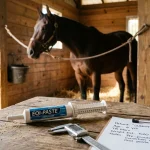
As a goat owner, understanding how to keep your herd healthy is paramount. Did you know that ivermectin, a well-known anti-parasitic medication, plays a crucial role in treating various conditions in goats? This powerful drug targets parasites, including worms and mites, ensuring that your livestock can thrive in a healthy environment. Recognizing the signs of parasitic infections and knowing what ivermectin can effectively treat is essential for maintaining the health and productivity of your goats. In this article, we’ll explore the specific uses of ivermectin in goats, empowering you with the knowledge to safeguard your animals’ well-being and optimize their overall performance. Join us as we delve into the benefits and considerations of using ivermectin in livestock care.
What Is Ivermectin and Its Role in Goat Health?
Ivermectin has become a cornerstone in managing parasite-related health issues in goats, showcasing its significant role in veterinary care. This antiparasitic medication is renowned for effectively treating a range of parasites that can pose serious health risks to goats, such as gastrointestinal worms, lungworms, and ectoparasites like mites and lice. Its broad-spectrum efficacy has made it an indispensable tool for farmers and veterinarians alike, ensuring healthier livestock and improved productivity.
One of the key aspects of ivermectin’s importance in goat health is its ability to combat not only adult parasites but also their larval stages. This dual attack on both life stages minimizes the overall parasite burden, allowing goats to thrive well into adulthood. Timely administration of ivermectin can lead to enhanced weight gain, increased milk production, and overall better health outcomes, which ultimately benefits the livestock industry. Additionally, ivermectin is praised for its convenient routes of administration, including oral, injectable, and topical applications, allowing for flexibility in its use based on specific needs and circumstances.
Regular deworming schedules, particularly during peak seasons for parasite transmission, are essential. Farmers are encouraged to follow veterinary guidance on the appropriate timing for treatments, as well as to consider fecal testing to ensure that the treatment regimen aligns with the actual parasite load in their herd. Such best practices not only ensure the well-being of the goats but also help in the sustainability of farming operations by reducing potential resistance to antiparasitic drugs.
In summary, ivermectin plays a pivotal role in maintaining goat health by offering a reliable solution for parasite management, thereby improving the overall productivity of goat farming. Its effectiveness, coupled with ease of administration and comprehensive usage across various parasite types, solidifies its status as a critical component of livestock health strategies.
Understanding Common Uses of Ivermectin in Livestock
Ivermectin is a widely recognized antiparasitic medication used in livestock, particularly in goats, due to its effectiveness against a multitude of parasites. This versatile drug not only helps control common internal parasites but also addresses external infestations, making it a go-to solution for many farmers. Its broad-spectrum activity allows for the treatment of gastrointestinal nematodes, lungworms, and ectoparasites such as lice and mite infestations, which can significantly impact the health and productivity of goats.
The application of ivermectin in livestock is primarily focused on maintaining the overall health of the herd. As goats are prone to various parasitic infections that can lead to significant health issues-such as anemia, weight loss, and compromised immune function-regular use of ivermectin is critical. Farmers typically incorporate it into their herd health programs, often administering it during times of peak parasitic transmission or when fecal tests indicate a high parasite load.
Beyond its use in treating established infections, ivermectin also plays a preventative role, particularly in young stock. Implementing a robust deworming schedule among kids can help preemptively reduce the risk of severe infestations that could threaten their growth and viability. Additionally, ivermectin is favored for its ease of administration, available in formulations for oral, injectable, and topical use, allowing farmers flexibility based on their operational needs and the specific situation of their livestock.
Ultimately, understanding the common uses of ivermectin in livestock extends beyond just treatment. It encompasses an essential component of comprehensive herd management that aims to optimize goat health and productivity while also addressing the potential for developing drug resistance. With careful application and adherence to veterinary guidelines, ivermectin can continue to be an effective tool in the livestock health arsenal.
How Ivermectin Works Against Parasites in Goats
Ivermectin is a game changer in the realm of livestock health, particularly for goats, not just for its effectiveness but also for its wide-ranging scope of action against various parasites. It operates by targeting the nervous system of parasites, leading to paralysis and subsequent death. This mechanism is primarily attributed to its ability to bind selectively to glutamate-gated chloride channels, which are crucial for the movement and survival of these organisms. Additionally, ivermectin enhances the effects of gamma-aminobutyric acid (GABA), a neurotransmitter, which further disrupts the function of the parasites, ensuring a swift and efficient elimination from the host organism.
Among the common parasites that ivermectin combats in goats are gastrointestinal nematodes, lungworms, and ectoparasites such as lice and mites. The impact of these parasites on goat health can be severe, leading to diminished appetite, poor weight gain, and even anemia if left untreated. Consequently, ivermectin’s ability to offer broad-spectrum coverage against these issues makes it an essential component of any goat herder’s health management program. Regular deworming with ivermectin is often part of preventative measures, especially during seasons when parasites are known to thrive, effectively reducing the risk of infestations before they can cause significant harm.
Using ivermectin effectively requires awareness of its formulation and administration. It is available in multiple forms-oral, injectable, and topical-all designed for ease of use in various farming operations. One significant advantage of ivermectin is its relatively safe profile; it is considered effective at the recommended doses without leading to substantial side effects in goats. However, farmers must still adhere to the proper administration guidelines to minimize any potential risks and ensure efficacy. Regular fecal examinations also help determine the necessity and timing of treatment, supporting prudent parasite management and preventing the development of resistance.
Ultimately, understanding how ivermectin interacts with parasites is essential for goat owners who wish to safeguard their livestock. By incorporating this knowledge into routine herd management practices, farmers can enhance goat health and productivity, establishing a solid foundation for long-term success in livestock care.
Important Dosage Guidelines for Ivermectin Administration
When administering ivermectin to goats, precision in dosing is paramount to ensure effective treatment while safeguarding the health of the animals. The recommended dosage typically ranges from 200 to 300 micrograms per kilogram of body weight depending on the specific formulation and the type of parasite being targeted. This translates to a practical approach where goats can be efficiently treated without risking over-medication, which could lead to adverse effects.
To facilitate accurate dosing, it is crucial to weigh the goats beforehand. For example, using a scale designed for livestock can ensure that the dosage is adjusted according to each goat’s body weight. For ease of administration, ivermectin is available in various forms, including injectable solutions, oral drench, and pour-on treatments. Each form has its unique advantages: injectables are generally fast-acting, oral formulations are easy to administer without special equipment, and topical applications can be used for external parasites.
Adhering strictly to the manufacturer’s instructions regarding administration routes and frequency is essential. For most goats, treatment may be repeated every 4 to 8 weeks depending on the level of parasitic infestation observed and specific recommendations from veterinary health resources. It’s also critical to consider the potential for resistance development; hence, veterinarians often advocate for rotational deworming protocols that incorporate different classes of antiparasitics. This practice helps to minimize the likelihood of parasites developing resistance to ivermectin and other dewormers.
Before administering ivermectin, it’s beneficial to conduct regular fecal examinations. These tests help to assess the ovine parasite load, providing valuable data that guide treatment intervals and dosages. Healthy monitoring can lead to more informed choices about herd health management, potentially altering treatment plans based on real-time findings rather than routine schedules.
Side Effects and Risks of Ivermectin in Goats
Potential side effects and risks associated with ivermectin use in goats warrant careful consideration, as these can impact overall herd health and productivity. While ivermectin is widely considered safe when administered correctly, adverse reactions can occur. For instance, some goats may experience mild side effects such as transient lethargy or a decrease in appetite following treatment. These reactions are often short-lived but can lead to decreased weight gain if significant.
More severe reactions, although rare, can manifest in the form of hypersensitivity. This condition, known as anaphylaxis, may occur if a goat has previously been sensitized to ivermectin. Symptoms can include swelling, difficulty breathing, and rapid heartbeat. In such cases, immediate veterinary intervention is crucial. Additionally, residual ivermectin in the goat’s system can pose risks if the animal is used for dairy or meat production. It is pivotal to observe withdrawal times as specified by veterinary guidelines to prevent drug residues in human food supplies.
Effective management strategies can help mitigate these risks. Implementing a proper dosing regimen is essential-overdosing can lead to toxicity. To further protect the herd, it is advisable to conduct regular health checks before and after treatment. Monitoring goats for signs of adverse reactions and keeping a close record of their health status can provide valuable insights into the safety of ivermectin administration. Consulting with a veterinarian about potential allergic responses and the observation of withdrawal times will ensure that the use of ivermectin contributes positively to the health and productivity of the herd.
Maintaining vigilance and proactive health management will not only safeguard individual goats but also promote the welfare of the entire herd, optimizing the benefits of ivermectin as a key tool in parasitic control.
Alternative Treatments to Ivermectin for Goat Health
Goat health management can be complex, particularly when it comes to controlling parasites. While ivermectin is a popular choice due to its effectiveness, several alternative treatments are available that can complement or substitute its use, especially in cases of resistance or adverse reactions. Understanding these options is essential for promoting the overall wellbeing of goats and ensuring sustainable herd management practices.
Natural Remedies
Many goat owners turn to natural remedies as alternatives to chemical dewormers. Some plants, such as wormwood and dandelion, are known for their anthelmintic properties. These herbs can be incorporated into the goats’ diets or administered as herbal teas. Additionally, pumpkin seeds have been cited in traditional practices for their ability to help eliminate intestinal parasites. Regularly incorporating mineral supplements like diatomaceous earth into feed is another natural method that purportedly aids in controlling worm populations and supporting overall gut health.
Other Pharmaceutical Options
Beyond ivermectin, several other pharmaceutical treatments can effectively treat parasitic infections in goats. Fenbendazole is a commonly used alternative that is effective against a broad spectrum of gastrointestinal worms. Levamisole is another option that not only acts as an anthelmintic but also stimulates the immune system, making it beneficial during parasite outbreaks. When considering alternatives, consult with a veterinarian to determine the most appropriate treatment based on local worm resistance patterns and the specific health needs of your goats.
Integrated Parasite Management
An integrated parasite management (IPM) approach is increasingly recommended, combining various strategies to reduce reliance on dewormers. This may include regular fecal egg count testing to monitor parasite levels, rotational grazing to avoid overgrazing and minimize parasite load in pastures, and maintaining herd health through proper nutrition and sanitation practices. Employing IPM not only decreases the need for frequent drug treatments but also helps slow the development of drug-resistant parasites.
By exploring these alternative treatments and management strategies, goat owners can create a more resilient health management plan that supports their livestock’s needs while mitigating potential drawbacks associated with the sole use of ivermectin. It’s essential to remain informed and adapt your approach based on ongoing observations and veterinary guidance, ensuring healthy and productive herds.
Ivermectin: A Historical Perspective in Livestock Care
Ivermectin’s journey in livestock care began in the late 20th century, with its discovery rooted in the quest for effective treatments against parasitic infections. Developed in the 1970s from a naturally occurring substance sourced from the soil bacterium Streptomyces avermitilis, ivermectin was initially hailed for its remarkable ability to treat a variety of parasitic diseases in humans and animals alike. Its broad-spectrum efficacy against nematodes, arthropods, and other parasites quickly made it a staple in veterinary medicine, particularly in the care of livestock, including goats.
Historically, the introduction of ivermectin revolutionized parasite control in farming. Before its widespread use, farmers struggled with limited and often less effective deworming options, which complicated livestock health management. The 1980s saw ivermectin gain approval for use in various animal species, leading to significant improvements in herd health across the globe. Goats, particularly, benefit from ivermectin’s action against common parasites such as Haemonchus contortus (barber’s pole worm) and Oestrus ovis (nose bot fly), which can severely affect their health and productivity.
Despite its success, the use of ivermectin has not been without challenges. The emerging issue of antiparasitic resistance has prompted ongoing research and discussions among veterinarians and livestock owners. As parasites evolve and develop strategies to evade treatment, the veterinary community has been pushed to explore integrated parasite management (IPM) approaches that incorporate both ivermectin and alternative treatments or management strategies. This historical perspective highlights not only the benefits of ivermectin in securing goat health but also the importance of adaptability and continuous learning in livestock management practices.
Incorporating ivermectin within a holistic health strategy ensures that goat owners remain vigilant against the potential drawbacks of over-reliance on a single drug class. By understanding ivermectin’s historical impact and evolving landscape, goat farmers can make informed decisions that prioritize animal health and sustainability in their management practices.
When to Consult a Veterinarian Regarding Ivermectin
Understanding use in goats is essential for maintaining the health of your herd. While ivermectin is a highly effective antiparasitic medication, not every situation may warrant its use or dosage without professional advice. For instance, signs of severe parasitic infestations, such as weight loss, lethargy, diarrhea, or anemia, should prompt immediate veterinary consultation. These symptoms can indicate a significant burden of parasites, which may require a tailored treatment approach beyond standard ivermectin administration.
Additionally, if your goats have a history of adverse reactions to ivermectin or similar medications, it’s crucial to seek veterinary guidance. Some goats may experience side effects, such as neurological symptoms or gastrointestinal upset, which may necessitate alternative treatments. A veterinarian can provide insights into appropriate dosages and help monitor the goats’ health following treatment, ensuring that any side effects are effectively managed.
It’s also advisable to consult a veterinarian if you suspect an issue with drug resistance. If your routine ivermectin treatments have not been yielding the expected results, or if you notice a resurgence of parasitic infections shortly after treatment, this could indicate that the parasites are developing resistance. A veterinarian can help assess the situation, recommend effective alternative medications, and implement a comprehensive parasite management plan.
For goat owners managing breeding or show animals, veterinary consultation is key when considering ivermectin use. Due to potential risks during pregnancy or lactation, a veterinarian can offer guidance on the safest timing and methods of administration to protect both the mother and her offspring.
- Severe symptoms: Consult your veterinarian if goats show significant weight loss, lethargy, diarrhea, or signs of anemia.
- Previous reactions: In cases of past adverse reactions to antiparasitics, seek expert advice on safe alternatives.
- Suspected resistance: If ivermectin is no longer effective, a veterinarian can help evaluate resistance concerns.
- Reproductive health: For breeding or pregnant goats, always consult a veterinarian to ensure safe medication practices.
In summary, proactive communication with a veterinarian is crucial. This collaboration not only enhances the efficacy of ivermectin treatments but also safeguards the overall health and well-being of your goats.
Case Studies: Success Stories with Ivermectin in Goats
Ivermectin has played a transformative role in the management of parasitic infections in goats, underlining its importance in livestock care. A number of real-world examples exemplify the successful application of this antiparasitic medication, showcasing its efficacy and vital role in restoring the health of affected herds.
One notable case involved a small farm experiencing rampant infestations of gastrointestinal parasites, leading to significant weight loss and lethargy among the goats. After a thorough veterinary evaluation, the farm owner decided to administer ivermectin as a strategic intervention. Within days, the goats began to exhibit signs of recovery: increased energy levels, improved appetite, and noticeable weight gain. This case demonstrated not only the quick action of ivermectin against common parasites like Haemonchus contortus, but also the importance of prompt diagnosis and treatment.
Another farm successfully tackled a persistent problem with skin parasites, specifically mange mites, which had compromised the health and welfare of their goats. After trying various over-the-counter treatments with limited success, the owner consulted a veterinarian who recommended a controlled course of ivermectin. Post-treatment assessments showed a remarkable reduction in skin lesions and itching, ultimately leading to a full recovery. This highlighted ivermectin’s versatility, as it effectively targets both internal and external parasitic threats.
In addition to these individual success stories, a broader study showed that farms implementing regular deworming schedules with ivermectin saw decreased parasite loads and improved overall herd health. This preventive approach not only reduced the incidence of outbreaks but also enhanced productivity through better weight gain and milk yield in lactating goats.
Through these examples, it is clear that ivermectin serves as a cornerstone in safeguarding goat health, helping farmers maintain healthy, productive herds while highlighting the significance of veterinary insights in managing treatment protocols effectively. As with any treatment, a tailored approach informed by professional guidance remains crucial to ensuring the long-term welfare of livestock.
Comparing Ivermectin with Other Antiparasitics in Livestock
When considering the management of parasitic infections in goats, comparing ivermectin with other antiparasitic treatments can provide valuable insights for livestock owners. Ivermectin has long been a preferred choice due to its broad-spectrum efficacy against many internal and external parasites, including gastrointestinal worms and mange mites. However, the landscape of antiparasitic medications is diverse, and understanding the alternatives can help optimize treatment plans while minimizing resistance.
Common Alternatives to Ivermectin
While ivermectin is a staple in veterinary parasitology, several other classes of antiparasitics are used in livestock, including:
- Benzimidazoles: Medications like fenbendazole and albendazole are effective against a variety of gastrointestinal parasites. They work by inhibiting parasite metabolism and are often chosen for their safety profile in young animals.
- Macrocyclic Lactones: Other than ivermectin, this category includes drugs like moxidectin, which offers a similar spectrum of activity. Moxidectin has a longer duration of action, allowing for less frequent dosing, which can be beneficial for managing resistant parasite populations.
- Organophosphates: Compounds like dichlorvos have been used primarily for external parasites, but their safety in food animals is a concern, and they are less common today.
- Praziquantel: Specifically targeted at cestodes (tapeworms), praziquantel is another choice for mixed infections, particularly in goats that may have complex parasite burdens.
Effectiveness and Resistance Considerations
The effectiveness of each antiparasitic treatment can differ based on the type of parasites present in a herd and their susceptibility to drugs. Resistance to commonly used drugs, including ivermectin, is a growing concern in livestock. For example, studies have indicated that frequent use of ivermectin in certain herds has led to diminished effectiveness against previously susceptible parasites. Therefore, adopting a rotational strategy that includes benzimidazoles and other antiparasitics can help mitigate resistance and improve overall herd health.
It’s crucial for goat producers to conduct fecal egg counts and consult with veterinarians to make informed decisions about which antiparasitic treatment to use. By monitoring parasite levels and understanding the specific challenges faced on their farms, producers can tailor a deworming schedule that optimizes efficacy while supporting long-term sustainability in parasite control.
In summary, while ivermectin remains an essential tool in the fight against parasites in goats, comparing it with alternative treatments can enhance the effectiveness of deworming programs. Incorporating a strategic approach that considers both the benefits of ivermectin and the potential of other medications will ultimately lead to healthier goats and more productive herds.
Best Practices for Ivermectin Storage and Usage
Proper storage and usage of ivermectin are crucial for ensuring its effectiveness and safety when treating goats. The unique chemical properties of ivermectin, along with its susceptibility to environmental factors, necessitate a set of best practices that livestock owners should diligently follow.
One critical aspect of ivermectin management is temperature control. Ivermectin should be stored at a consistent, cool temperature, typically between 68°F and 77°F (20°C to 25°C). Exposure to extreme heat or cold can degrade the medication, potentially reducing its efficacy against parasites. Light exposure also poses a risk; therefore, ivermectin should be kept in a dark, dry place away from direct sunlight. Using opaque containers for storage can further protect the medication from light degradation.
When it comes to handling ivermectin, always follow the manufacturer’s administration guidelines to ensure a safe dosage for goats. Measurement techniques are vital; a syringe or dosing tool that allows for precise measurement should be used to avoid accidental overdosing or underdosing. Labeling is another important practice; ensure all containers are clearly marked with the product name, concentration, and expiration date to avoid mix-ups, especially if you have multiple veterinary products.
Also, it’s important to consider the withdrawal period before any goat is sent to slaughter or milked. Ivermectin has specific withdrawal times to ensure no residue remains in the meat or milk, safeguarding animal welfare and human health. Keeping a detailed record of when ivermectin is administered, along with the animal’s identification, can help manage this aspect effectively.
In summary, proper storage and careful administration of ivermectin are key elements not only to its effectiveness but also to the safety and health of your livestock. By adopting these best practices, goat owners can achieve better outcomes in parasite management and contribute to overall herd health.
Conclusion: Making Informed Decisions About Ivermectin in Goats
Making informed decisions regarding ivermectin usage in goats is essential for promoting health and preventing disease. Given ivermectin’s reputation as a powerful antiparasitic agent, understanding its benefits, proper usage, and potential risks is vital for all livestock owners. This knowledge empowers farmers and goat keepers to maximize the effectiveness of their treatments while ensuring the safety of their herds and the consumers of goat products.
One of the first steps in this decision-making process is to educate oneself about the specific parasitic threats faced by goats, such as gastrointestinal worms and external parasites like mites and lice. By knowing the types of parasites prevalent in their region, goat owners can tailor ivermectin treatments to address these issues effectively. Regular fecal examinations can help monitor the gastrointestinal health of goats, guiding the need for treatment and preventing unnecessary medication use.
Furthermore, adherence to recommended dosage guidelines is crucial. Overdosing can lead to severe side effects, while underdosing may contribute to the development of drug resistance. Consulting with a veterinarian to establish a treatment plan that considers factors like age, weight, and overall health status ensures that ivermectin is administered safely and effectively. For example, keeping precise records of when treatments are given and the dosages administered enables better herd management and helps track health trends over time.
Lastly, as livestock health practices evolve, exploring alternative treatments alongside ivermectin can provide a comprehensive strategy for parasite management. Options such as rotational grazing, herbal treatments, and vaccines can complement ivermectin use and contribute to sustainable farming practices. Engaging with agricultural extension services, local farming communities, and veterinary professionals can further enhance the decision-making process, fostering an informed and proactive approach to goat health management.
FAQ
Q: What parasites does ivermectin treat in goats?
A: Ivermectin is effective against a variety of parasites in goats, including internal parasites like roundworms and lungworms, as well as external parasites such as mites and lice. By targeting both types, ivermectin helps maintain overall goat health and productivity.
Q: How often should ivermectin be administered to goats?
A: Ivermectin is typically administered every 4 to 6 weeks during parasite outbreaks or as a preventive measure. It’s crucial to follow veterinarian recommendations based on specific herd needs and local parasite resistance patterns.
Q: Can ivermectin cause any side effects in goats?
A: While generally safe, ivermectin can cause side effects in goats, including lethargy, incoordination, or gastrointestinal upset. Monitor goats after administration and consult a veterinarian if any adverse effects arise, as detailed in the side effects section of goat health resources.
Q: Is ivermectin safe for pregnant or lactating goats?
A: Ivermectin is generally considered safe for use in pregnant and lactating goats, but it’s best to consult with a veterinarian. They can provide specific dosing guidelines and monitor for any potential impacts on the kids (young goats) or milk production.
Q: What other treatments can be used alongside ivermectin for goats?
A: Alongside ivermectin, other treatments such as fenbendazole or levamisole may be used to control different parasite species. Integrating good management practices and alternative therapies can enhance parasite control in herds.
Q: How can I tell if my goat has a parasite infestation?
A: Signs of parasitic infestation in goats may include weight loss, poor coat condition, diarrhea, and decreased milk production. Regular fecal examinations by a veterinarian can also help detect parasitic loads and guide treatment.
Q: What should I do if ivermectin doesn’t work for my goats?
A: If ivermectin appears ineffective, consider re-evaluating your parasite management strategy with a veterinarian. They may recommend alternative antiparasitics or further diagnostics to identify resistance issues or other underlying problems.
Q: Where should I store ivermectin for optimal efficacy?
A: Ivermectin should be stored in a cool, dry place away from direct sunlight to maintain its stability. Check the expiry date regularly to ensure the medication’s effectiveness when it’s time for administration.
Final Thoughts
By understanding what ivermectin treats in goats, you can ensure your livestock remains healthy and free from parasitic infections. Remember, early intervention is key to preventing more serious health issues. If you found this guide helpful, consider exploring our articles on dosage recommendations and preventive care strategies for livestock.
Don’t wait until symptoms emerge-take proactive steps to protect your goats today! For more insights on effective livestock management, visit our resource center and stay updated by signing up for our newsletter. Join the conversation in the comments section below; share your experiences or ask questions, and let’s support each other in achieving optimal herd health. Empower yourself with knowledge and make informed choices for your farming practices!
Get our latest guides, news, and insights highlighted in your Google Search & AI Overviews.