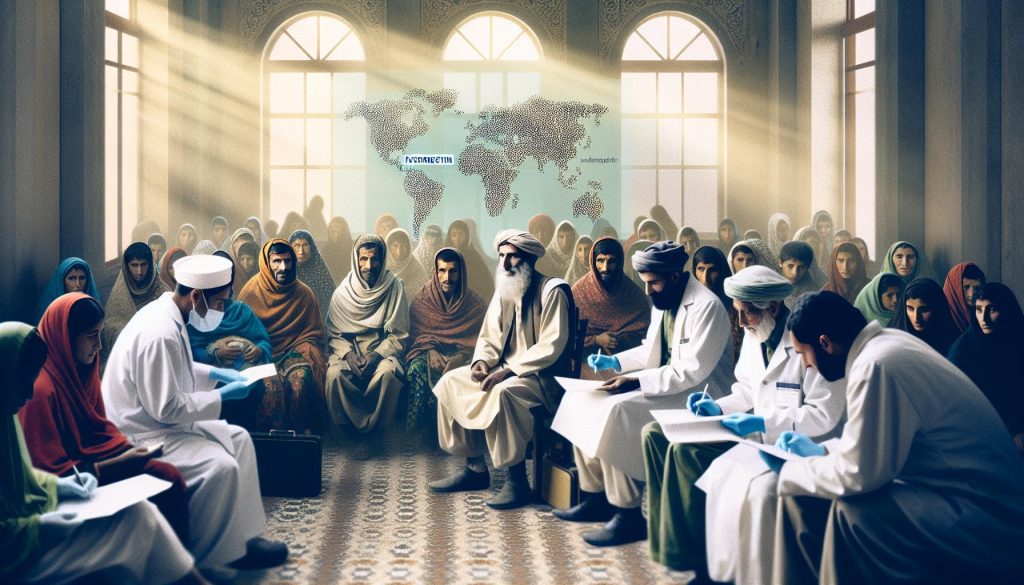
The news that Afghan refugees entering the United States may receive ivermectin has sparked widespread interest and concern. While many associate this medication with COVID-19 treatments, it’s crucial to understand that its primary application in this context is for addressing parasitic infections like Strongyloides-common in regions where these refugees have originated. As communities grapple with health implications and public perceptions, this situation highlights broader questions about refugee health and the need for effective treatments to prevent disease. By unpacking the facts surrounding ivermectin’s use in this population, we can better understand the intersection of global health policy, refugee support, and community safety. Dive deeper to explore the significance of this development and what it means for the health of vulnerable populations and public health responses.
Understanding Ivermectin: Uses and Controversies
In the context of global health, few medications have generated as much discussion as ivermectin, especially following its recent administration to Afghan refugees. Originally developed as an anti-parasitic, ivermectin has proven effective against various nematodes and ectoparasites, making it a key treatment for conditions like river blindness and lymphatic filariasis. Despite its primary uses, ivermectin has become a focal point in the controversy surrounding treatments for COVID-19, largely due to widespread misinformation and misapplication outside of its established uses.
The scientific community largely agrees on ivermectin’s role in treating specific parasitic infections, such as strongyloidiasis, particularly among populations at risk, including refugees from regions where these infections are endemic. For instance, the U.S. has implemented presumptive treatment protocols with ivermectin for refugees to prevent severe disease manifestations associated with chronic parasitic infections. This approach acknowledges the urgent health needs of these populations, enabling preventive treatment before full health assessments can be administered.
However, the controversy arises from its promotion as a treatment for viral infections, including COVID-19, often without substantial clinical evidence supporting such use. Claims on social media and in some public discourse have stirred significant debate, misrepresenting the medication’s efficacy and leading to public confusion. Health organizations, such as the Centers for Disease Control and Prevention (CDC), emphasize that refugees receive ivermectin specifically for parasitic infections, underscoring the necessity for clear communication about its appropriate applications and potential adverse effects when misused.
As discussions continue, it’s imperative to base advocacy and health interventions on robust clinical evidence and to engage with refugee communities transparently, ensuring that treatments are understood in their correct contexts. This multifaceted discussion highlights the need for continued research, clear communication, and responsible medical practice concerning ivermectin and its varied implications for global health.
The Context of Afghan Refugees Today
As the world continues to grapple with the fallout from geopolitical shifts and humanitarian crises, the plight of Afghan refugees remains a pressing issue. Following the withdrawal of U.S. forces from Afghanistan in 2021, an estimated 80,000 Afghans were resettled in the United States, many fleeing violence, persecution, and instability. The urgent need for healthcare access among these populations is critical; many arrive with health complications linked to years of conflict, inadequate medical facilities, and a lack of preventive care.
Refugees often face significant barriers to healthcare, including language differences, cultural misunderstandings, and limited financial resources. This context highlights the importance of targeted public health interventions, including the administration of medications like ivermectin. Used for treating parasitic infections-common in regions like Afghanistan where such diseases remain endemic-ivermectin serves not only as a treatment but also as a preventive measure. It addresses both the immediate health needs of refugees while aiming to mitigate long-term health disparities that could arise due to untreated conditions.
However, the distribution of ivermectin within refugee populations also falls under scrutiny. Despite its essential role in treating certain infections, the medication has attracted considerable controversy, particularly regarding misinformation surrounding its efficacy against COVID-19. This situation necessitates clear and educational communication from health officials to ensure that refugees understand the purpose of the treatment and avoid any confusion about its uses. Recognizing the unique health challenges these individuals face is paramount; by prioritizing their specific needs, health authorities can help facilitate a smoother transition into their new lives, laying a foundation for a healthier future.
In the search for equitable healthcare, community engagement plays a vital role. Collaborative efforts involving NGOs, local health departments, and refugee support organizations can amplify access to medical care and education. By fostering environments where refugees feel supported and informed, the healthcare system can better address the multifaceted challenges that arise in such complex contexts. Empowering Afghan refugees through education about medications like ivermectin and the diseases they prevent not only fosters compliance but also enhances overall community health outcomes.
How Ivermectin Became a Controversial Solution
As the world grapples with the implications of public health decisions during a global crisis, the controversy surrounding the use of ivermectin, especially among populations like Afghan refugees, has highlighted significant debates. Originally developed as a treatment for parasitic infections such as river blindness and lymphatic filariasis, ivermectin became a focal point of intense scrutiny when misinformation began to circulate regarding its efficacy as a treatment for COVID-19. This divergence from its established medical purpose has led to confusion and distrust among various communities, particularly those already vulnerable due to systemic barriers.
The endorsement of ivermectin as a preventive and therapeutic solution for parasitic infections in refugees arriving from high-risk areas, including Afghanistan, is supported by health authorities like the Centers for Disease Control and Prevention (CDC). However, critics have mischaracterized this guidance, framing it as a strategy linked to coronavirus treatment. In actuality, refugees are administered ivermectin not to combat COVID-19 but to address common health concerns they may face-including parasitic diseases endemic to their home countries. This misunderstanding exacerbates existing fears and skepticism about public health directives, often fueled by selective media reporting.
Furthermore, engaging with communities through transparent communication can help clarify the intended uses of medications like ivermectin. Reliable sources, such as health departments and NGOs, must work together to provide context and alleviate fears about treatment. By prioritizing accurate information and fostering a better understanding of the health issues facing refugees, healthcare providers can mitigate backlash and promote better health outcomes. This shift will not only enhance compliance with necessary treatments but also encourage a more inclusive approach to health care, shaping a future where refugees are better equipped to navigate their new environments.
Ultimately, while ivermectin serves a critical role in addressing the health needs of Afghan refugees, the surrounding controversy serves as a reminder of the necessity for consistent and clear public health messaging. This is vital not only for maintaining trust within communities but also for ensuring that essential health interventions reach those who need them most.
Refugee Health Needs: Why Ivermectin Matters
The welfare of refugees arriving in new countries often hinges on addressing both immediate and long-term health needs, especially in cases where they might be at heightened risk for infectious diseases. For Afghan refugees, the administration of ivermectin is particularly significant due to its established efficacy in treating parasitic infections, such as onchocerciasis and lymphatic filariasis. Understanding why ivermectin matters in this context not only underscores the importance of targeted healthcare interventions but also highlights the need for accurate public health messaging.
Afghan refugees frequently come from regions where parasitic infections are endemic, making them particularly vulnerable to these health issues upon their arrival in a new country. The Centers for Disease Control and Prevention (CDC) recognizes this risk and recommends administering ivermectin as part of routine health screenings for all arriving refugees. This preventive measure aims to address the potential for common yet impactful health concerns-ensuring that refugees can begin their new lives with a stronger foundation of good health. By effectively managing these risks, healthcare providers can help prevent the spread of infections within communities and safeguard public health overall.
Addressing Misinformation and Building Trust
The conversation surrounding ivermectin has been overshadowed by debates about its use in treating COVID-19, leading to significant misunderstanding. Misinformation can exacerbate fears and mistrust among refugee populations, causing hesitance to seek or accept necessary healthcare interventions. To overcome this challenge, clear information must be disseminated regarding the specific reasons for ivermectin’s use, emphasizing its role in tackling parasitic infections-conditions that the refugees may have faced before leaving their home country. Fostering transparent communication through healthcare providers, community organizations, and reliable media outlets is essential for dispelling myths and ensuring that refugees feel supported and informed about their health options.
Ultimately, the proactive distribution of ivermectin not only addresses an immediate threat to the health of Afghan refugees but also serves a critical role in integrating them into the healthcare system of their new country. Ensuring that refugees understand the importance of such treatments will contribute to their overall well-being and promote a sense of community, reducing barriers to healthcare access. As public health organizations and communities work together to meet the unique needs of these populations, they pave the way for a more inclusive and compassionate approach to refugee health. By prioritizing education and preventative care, we can help Afghan refugees embark on their journeys free from the burden of preventable disease, laying the groundwork for healthier futures.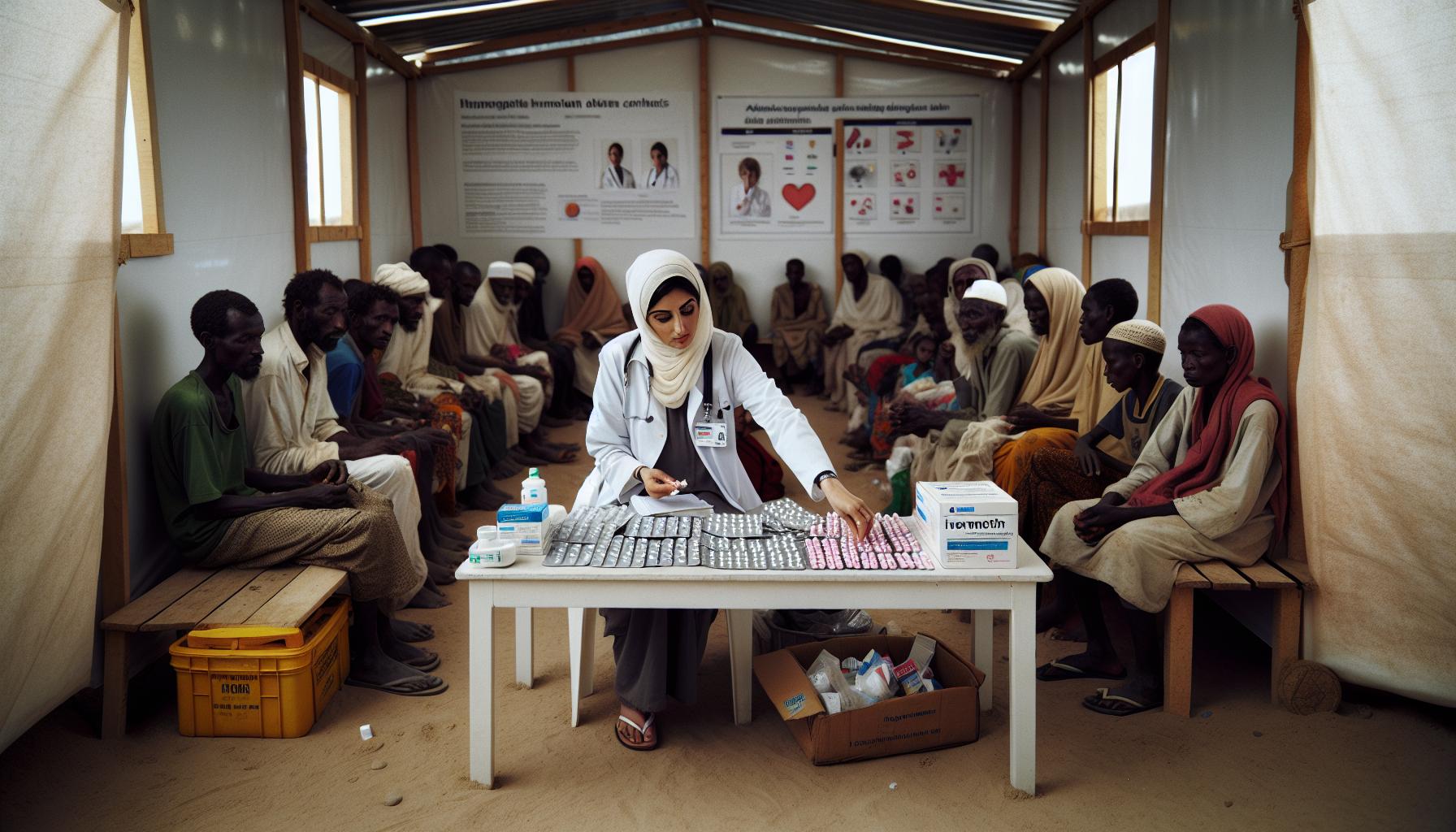
The Science Behind Ivermectin: A Deep Dive
Ivermectin, a medication initially developed for veterinary use, has emerged as a vital tool in public health, particularly for addressing parasitic infections in vulnerable populations like Afghan refugees. Its mechanism of action involves binding to specific channels in parasitic cells, leading to paralysis and death of the parasites. This pharmacological property has been life-saving in combating infections such as strongyloidiasis and lymphatic filariasis, both prevalent in regions where many refugees originate. Understanding the science behind ivermectin not only sheds light on its medicinal benefits but also helps demystify its use in populations where misinformation can create barriers to health.
The World Health Organization (WHO) and other health agencies endorse the use of ivermectin in treating and preventing parasitic infections in at-risk groups, particularly those resettling from areas where these diseases are endemic. Afghan refugees often face heightened susceptibility to such infections due to prior exposure in their home country, and using ivermectin as a presumptive treatment during health screenings can significantly reduce the risk of outbreaks in communities that welcome them. In addition to treating existing infections, it serves as a preventive measure, thereby contributing to the health security of not just the refugees but the broader population as well.
The safety profile of ivermectin is another compelling aspect. Extensive studies have demonstrated that when administered correctly, ivermectin has a low incidence of serious adverse effects, making it suitable for widespread use in various demographic groups, including children and elderly individuals. However, as with any medication, monitoring and assessment are crucial. Recognizing contraindications and potential interactions with other medications is key, particularly for refugees who may be on multiple treatments due to pre-existing conditions or other health issues.
In navigating the complexities of social media and public opinion, promoting informed discussions about ivermectin’s role is essential. By sharing data-driven insights and success stories from healthcare providers and public health organizations, stakeholders can build trust within refugee communities. This endeavor not only improves health outcomes but also fosters a collaborative atmosphere, encouraging refugees to seek the care they need without fear or hesitation. Ultimately, by highlighting the scientific basis for ivermectin’s use in treating parasitic infections, health advocates can strengthen the message that this medication is a significant step toward a healthier future for Afghan refugees and their new communities.
Personal Stories: Afghan Refugees and Healthcare Access
Despite the thousands of miles that separate Afghanistan from their new homes in the West, Afghan refugees bring with them stories of resilience, struggle, and hope, particularly when it comes to navigating healthcare access in unfamiliar environments. Many of these individuals arrived in the United States in urgent need of medical attention, often suffering from conditions exacerbated by years of conflict and instability. The distribution of ivermectin has emerged as a crucial lifeline, not only for its effectiveness in treating parasitic diseases but also as a reflection of the larger healthcare needs faced by this population.
For many Afghan refugees, healthcare access is fraught with barriers that go beyond mere logistics. Language differences, cultural misconceptions, and the trauma of displacement can create significant challenges in understanding and utilizing available health services. Anecdotal evidence from healthcare providers reveals that many refugees are initially unaware of the benefits of treatments like ivermectin, instead relying on general perceptions influenced by misinformation.
One poignant example is the experience of Leila, a young mother who fled Afghanistan with her two children. Upon resettling, she faced a daunting healthcare system that seemed overwhelmingly complex. After being educated on the necessity and safety of ivermectin to treat a potential parasitic infection, she expressed relief. “I never knew that medications like this could help us so much,” Leila shared. With help from community health workers, she not only obtained the necessary medication but also learned how to navigate the healthcare system more effectively.
Healthcare advocates emphasize the importance of tailored outreach programs designed to engage with refugee communities directly. These programs not only provide essential treatments like ivermectin but also educate families on preventive health measures. By fostering an environment of understanding and support, healthcare providers can dismantle fears associated with medical treatments and ultimately improve health outcomes for Afghan refugees.
Pediatric Considerations in Medication Distribution
Navigating healthcare can be particularly challenging for pediatric populations in refugee settings, where access to essential medications like ivermectin is critical for treating parasitic infections. Children, especially those who arrive with various health needs, require careful consideration regarding medication administration. With a higher vulnerability to infections and differing metabolic rates, pediatric patients are not simply miniature adults. They necessitate individualized dosages and careful monitoring, ensuring both safety and efficacy.
Ivermectin’s dosing for children is typically based on weight, emphasizing the need for accurate weight measurements to avoid underdosing or overdosing. For Afghan refugee children who may have faced malnutrition or health complications during their journey, health providers should conduct thorough assessments to determine appropriate dosing. Community health workers play a crucial role in educating families about these specific needs, helping them understand the importance of following dosage guidelines accurately and recognizing any potential side effects.
Barriers to Accessing Pediatric Care
Many pediatric patients face additional barriers, such as language and cultural barriers that can complicate the understanding of medication protocols. For instance, caregivers may be unsure how to administer ivermectin to their children, particularly in cases where oral medications can be challenging for younger children. This highlights the need for healthcare providers to offer practical guidance and demonstrations on administering medication correctly. Information should be clear, accessible, and culturally sensitive to engage families effectively.
Moreover, considering the emotional aspects of healthcare access is vital. Children’s experiences of trauma and fear may influence their willingness to take medications or visit health facilities. Addressing these psychological factors through supportive community programs can empower parents and caregivers, equipping them with the knowledge and tools to advocate for their children’s health. This approach not only mitigates fears associated with medication but also reinforces the vital role of community health networks in ensuring that refugee children receive the healthcare they need. By fostering collaboration and effective communication between healthcare providers and families, we can significantly enhance the health outcomes of Afghan refugee children.
Sourcing Ivermectin: What Refugees Should Know
Acquiring ivermectin, a critical medication for treating parasitic infections, is vital for Afghan refugees who may have been exposed to various health risks during their relocation. Understanding how to navigate the healthcare system to source this medication can significantly impact their well-being and recovery. The importance of this drug lies not only in its efficacy but also in the unique challenges refugees face, such as language barriers, cultural differences, and the complexity of health needs arising from displacement.
To effectively source ivermectin, refugees should first connect with local healthcare providers, community health workers, and non-governmental organizations (NGOs) that specialize in refugee health. These organizations often have established protocols for treating parasitic infections and can facilitate access to medications. For instance, in many regions, public health agencies collaborate with NGOs to ensure that refugees receive important preventative treatments, including ivermectin. It is crucial for refugees to communicate openly about their health needs during medical consultations to receive the appropriate prescriptions.
Key Considerations for Sourcing Ivermectin
When seeking ivermectin, refugees should keep the following points in mind:
- Consult Healthcare Providers: Be proactive in discussing health concerns with doctors or nurses who are familiar with refugee health issues. They can provide tailored advice and prescriptions based on individual health needs.
- Availability of Medication: Check with local health clinics or pharmacies about the availability of ivermectin. Some areas may have it in stock, while others may require ordering through a healthcare provider.
- Understanding Dosage: Dosage can vary based on age and health conditions. Healthcare providers will determine the appropriate dosage, particularly important for children or those with specific health issues.
- Follow-Up Appointments: Regular follow-ups are essential to monitor the effectiveness of the treatment and manage any side effects. Ensure to attend these appointments as scheduled.
Building a Support Network
Building connections with community leaders and organizations can provide additional support. Refugees should look into support groups that focus on health education and resources, which can often offer crucial information on where and how to safely obtain medications like ivermectin. Establishing a strong support network not only enhances access to healthcare services but also mitigates feelings of isolation, making the process of sourcing medication more manageable.
In conclusion, navigating the intricacies of healthcare access for medications such as ivermectin is a critical component of the refugee experience. By leveraging available resources, understanding local healthcare systems, and fostering community connections, Afghan refugees can effectively obtain the treatment they need to overcome health challenges and thrive in their new environments.
Government and NGO Roles in Refugee Health
As Afghan refugees begin to settle into new communities, the invaluable roles that government entities and non-governmental organizations (NGOs) play in their health and well-being cannot be overstated. These organizations are often the frontline resources to ensure that refugees receive essential health services, including critical treatments like ivermectin for parasitic infections, which are especially pertinent in this vulnerable population.
Governments at various levels, from federal agencies to local health departments, are tasked with creating policies that support refugee health initiatives. For instance, health screenings and vaccinations are typically mandated upon resettlement, where refugees are connected to health services that provide treatments for prevalent diseases, including those caused by parasites. The integration of programs aimed at refugee health is crucial; they help to bridge the gap in healthcare access, addressing unique cultural and linguistic barriers that refugees might face.
NGOs, on the other hand, often fill the gaps left by government services. Many of these organizations focus specifically on refugee health, providing tailored healthcare solutions, education about health resources, and advocacy for their specific needs. They work diligently to establish partnerships with local health systems, ensuring that refugees can obtain medications like ivermectin easily. Moreover, NGOs frequently offer community health programs that emphasize preventative care and education, empowering refugees to take charge of their health in a new environment.
Collaborative Efforts for Health Access
Collaboration between governments and NGOs is essential in streamlining health services for refugees. By sharing resources and information, these entities can coordinate outreach programs that inform Afghan refugees about available healthcare services and provide hands-on assistance in navigating the healthcare system. For example, organizations may conduct workshops that teach families about the importance of treatments like ivermectin, particularly for managing parasitic infections common in their regions of origin.
In addition, these collaborations can lead to significant improvements in health outcomes. When refugees are provided with clear pathways to access medication and treatment, together with community support, the overall burden of disease can be reduced, enhancing their quality of life. As they adapt to their new surroundings, having robust support networks through both governmental and non-governmental means will be instrumental in helping Afghan refugees thrive.
The efforts of government health agencies, bolstered by the dedicated work of NGOs, create a comprehensive safety net for Afghan refugees, ensuring they receive vital health services and support during their transition. By fostering these partnerships, communities can work towards a healthier, more integrated population, ultimately contributing to the well-being of their new residents.
Effects of Ivermectin: Expected Outcomes and Side Effects
Ivermectin has emerged as a crucial medication in managing parasitic infections, especially among vulnerable populations such as refugees. This antiparasitic drug is commonly prescribed for treating conditions like river blindness, lymphatic filariasis, and scabies. With ongoing health challenges faced by Afghan refugees, the expected outcomes from ivermectin treatment can be life-changing.
Patients generally experience rapid relief from symptoms associated with parasitic infections. By effectively killing the parasites, ivermectin not only aids in restoring health but also minimizes further transmission, a critical consideration in densely populated refugee camps. In practice, the clear benefits of using ivermectin include a significant reduction in the prevalence of diseases that can profoundly impact quality of life. Moreover, improving overall health can foster better integration of refugees into their new communities, facilitating their adaptation process and contributing to public health goals.
Despite its effectiveness, understanding potential side effects is equally essential. While ivermectin is typically well-tolerated, some individuals may experience mild symptoms such as dizziness, nausea, or gastrointestinal disturbances. Serious side effects are rare but can include allergic reactions or neurological issues, particularly in cases of underlying conditions or when addressing heavy loads of parasites. This underscores the importance of healthcare providers conducting thorough assessments before administering the drug.
To ensure safe and effective use of ivermectin, education plays a vital role. As Afghan refugees navigate new health systems, they should be informed about the expected outcomes and potential side effects of treatment. This empowerment will help them engage with health professionals effectively and manage their health proactively. Providing refugees with clear guidance and resources can foster a supportive environment conducive to recovery and wellness, addressing both their immediate health issues and long-term integration into society.
Ethical Implications of Distributing Ivermectin
Distributing ivermectin to Afghan refugees carries significant ethical considerations that intertwine the principles of medical efficacy, consent, and the socio-political context of healthcare delivery. Advocacy for the use of ivermectin, particularly amongst vulnerable populations, prompts urgent discussions about autonomy, informed consent, and the accessibility of high-quality medical care. The situation is especially delicate given the refugees’ past traumas and the challenges they face as they navigate unfamiliar health systems.
One critical perspective involves informed consent. Refugees must be fully educated about the reasons for ivermectin treatment, its benefits against parasitic infections, and the potential side effects, as some individuals may not readily understand the medical rationale behind its prescription. Providing accurate, understandable information enables refugees to make informed decisions regarding their health. Efforts must be made to respect the autonomy of refugees, recognizing their right to choose or decline treatment without coercion. This is particularly important in communities that may harbor skepticism or fear about pharmaceuticals, given their prior experiences with health systems.
Furthermore, ethical distribution must reflect fairness and equity in access. Refugees often reside in camps or urban settings with limited resources, and ensuring equitable access to ivermectin requires the collaboration of governmental and non-governmental organizations (NGOs). These bodies should strive to eliminate barriers such as language differences, logistical challenges, and lack of information on where and how to obtain treatments. By prioritizing inclusive strategies, healthcare providers can assure that all refugees have the opportunity to benefit from essential medications, reducing health disparities that may exist due to systemic inequities.
The ethical landscape surrounding ivermectin distribution also involves broader implications for public health. The success of treatment not only hinges on individual recovery from parasitic infections but also contributes to the overall health of refugee populations, ultimately influencing community well-being and integration into host societies. Addressing health concerns through ivermectin can alleviate the burden on healthcare systems while fostering positive societal relationships. By committing to a thoughtful, ethical framework for administering ivermectin, stakeholders can ensure that refugee health is managed in a way that respects human dignity and promotes solidarity in health interventions.
Future of Refugee Health: Perspectives and Innovations
The landscape of refugee health is rapidly evolving, particularly as communities adapt to the complexities of global migration and emerging health challenges. As recent discussions about the distribution of ivermectin to Afghan refugees illustrate, the future of refugee health hinges on innovative strategies that prioritize preventative care, accessibility, and community engagement. Incorporating advancements in telehealth, mobile health applications, and public-private partnerships can enhance the delivery of critical healthcare services to refugee populations, ensuring that their diverse needs are met with responsiveness and efficiency.
Innovative Health Solutions
Telehealth, for instance, has transformed how healthcare providers communicate with refugees, breaking down barriers related to travel and language. By utilizing virtual consultation platforms, healthcare professionals can offer timely medical advice and follow-up care, which is crucial for refugees who may have limited access to traditional healthcare facilities. Moreover, mobile health applications designed with multilingual interfaces could enable refugees to receive health information in their native languages, facilitating better understanding and management of their health conditions.
In addition, strengthening partnerships between governments, NGOs, and local health organizations can lead to a more cohesive approach in addressing refugee health. These collaborations can focus on training local healthcare workers to deliver culturally competent care, thereby improving the trust between healthcare systems and refugee populations. For example, community health workers who have similar backgrounds to the refugees they serve can provide invaluable insights into health beliefs and practices, encouraging more effective health interventions.
Community-Centered Approaches
A critical aspect of future refugee health initiatives will be the active involvement of refugee communities in the development and evaluation of health programs. Empowering refugees to participate in decision-making processes around their healthcare can foster a sense of ownership and enhance adherence to treatment protocols. This approach not only respects refugee autonomy but also utilizes the wealth of knowledge that these individuals possess about their own health needs.
As the conversation continues around the use of ivermectin and other treatments, it becomes imperative to ensure that ethical considerations are at the forefront. This means not only assessing the efficacy of treatments like ivermectin for parasitic infections but also ensuring that refugees understand the rationale behind these treatments. Transparent communication regarding potential risks and benefits, alongside community outreach efforts to dispel myths and build trust, will be essential in creating an environment where refugees feel safe and supported in their healthcare decisions.
In conclusion, the future of refugee health will likely be defined by a blend of innovative technology, community engagement, and ethical practice. By harnessing these elements, stakeholders can create a robust framework that not only addresses immediate health concerns but also promotes long-term well-being within refugee populations. Ultimately, the goal should be to build resilient health systems that can respond to the evolving challenges faced by refugees, thereby contributing to their successful integration and overall quality of life.
Frequently Asked Questions
Q: Why are Afghan refugees receiving ivermectin?
A: Afghan refugees are given ivermectin as part of presumptive treatment for Strongyloides infections, a common parasitic disease. This is to address health risks associated with parasites and ensure their well-being as they resettle in the U.S. [2].
Q: What are the health implications for Afghan refugees receiving ivermectin?
A: The administration of ivermectin aims to reduce the burden of parasites such as Strongyloides, helping prevent complications like anemia and malnutrition. Treating these infections ensures healthier refugees and enhances their integration in the U.S. [2].
Q: What is ivermectin used for in refugees specifically?
A: Ivermectin is used to treat parasitic infections, specifically targeting Strongyloides, to support refugees’ health as they transition to life in the United States. It is part of comprehensive healthcare measures for incoming refugees [1].
Q: How is ivermectin administered to Afghan refugees?
A: Ivermectin is typically administered as a single oral dose prior to departure for the U.S. This method of proactive treatment helps mitigate health issues before refugees arrive [2].
Q: Are there any concerns about using ivermectin for Afghan refugees?
A: While ivermectin has proven effective against parasitic infections, concerns may arise regarding misinformation and its controversial reputation in other contexts. Education about its purpose in treating specific parasitic infections is crucial [1].
Q: What is the role of the CDC in providing ivermectin to refugees?
A: The CDC provides guidelines for the overseas presumptive treatment of refugees, including administering ivermectin. Their role includes ensuring that refugees receive necessary treatments to mitigate health risks associated with parasitic infections [2].
Q: Can ivermectin have side effects for refugees?
A: Like any medication, ivermectin may present mild side effects, such as dizziness or nausea, but it is generally well-tolerated. Comprehensive healthcare assessments prior to administering treatment help mitigate potential risks [2].
Q: What should Afghan refugees know about using ivermectin?
A: Afghan refugees should be informed that ivermectin is part of necessary health care for combatting specific parasitic infections. It enhances their health security as they integrate into the U.S. system, ensuring access to further health resources [2].
Wrapping Up
Thank you for exploring the critical topic of Afghan refugees and the use of Ivermectin. Understanding the implications of this treatment is essential, especially as we navigate the complexities of global health and humanitarian efforts. If you still have questions or concerns, don’t hesitate to reach out for more information or consult our detailed guides on related health topics.
For deeper insights, check out our articles on the “Impact of Medications in Crisis Situations” and “Navigating Health Solutions for Refugees” to expand your knowledge and context surrounding this issue. Don’t miss out-subscribe to our newsletter for the latest updates and analyses on health topics that matter. Join the conversation below; we welcome your thoughts and experiences. Each comment not only enriches the discussion but also helps forge a community committed to informed wellness. Your voice is crucial!
Get our latest guides, news, and insights highlighted in your Google Search & AI Overviews.