Ivermectin is a commonly used medication in veterinary medicine, but its potential for toxicity in dogs can be alarming for pet owners. Did you know that certain breeds are more susceptible to ivermectin poisoning, experiencing severe symptoms even at low doses? Understanding whether a dog can recover from ivermectin toxicity is crucial for pet owners who may encounter this situation. Early intervention can make a significant difference in outcomes, but many may wonder if hope remains after such an alarming event. This article delves into the signs of ivermectin toxicosis, its treatment options, and recovery stories that may reassure worried pet owners. Join us as we explore this vital topic, offering insights and hope to those navigating the challenges of ivermectin toxicity in their beloved dogs.
Can Dogs Experience Ivermectin Toxicity? Understanding the Risk
Dogs can indeed experience ivermectin toxicity, primarily due to their sensitivity to the drug, especially in certain breeds like Collies and other herding breeds that may carry a genetic mutation affecting drug metabolism. Ivermectin is used as an antiparasitic agent, but when administered inappropriately or in the wrong species, it can lead to severe neurological reactions. In veterinary medicine, the therapeutic use of ivermectin is generally safe when dosed correctly, but overdosing, accidental ingestion of veterinary formulations, or misuse can pose significant risks.
Symptoms of ivermectin toxicity in dogs can manifest as a range of neurological signs, including excessive salivation, pupil dilation, ataxia, seizures, and even coma in severe cases. The dose that can trigger these symptoms varies significantly among different breeds, making it crucial for dog owners to adhere strictly to veterinary prescriptions and to be aware of the signs of toxicity. Quick recognition and response to these symptoms are critical for outcomes, as timely intervention can drastically improve the prognosis.
To minimize the risks associated with ivermectin, dog owners should ensure that products formulated for dogs only are used and follow veterinary guidance faithfully. Additionally, educating oneself about the potential dangers, especially if the dog belongs to a high-risk breed, can empower owners to take preventive measures and safeguard their pets’ health.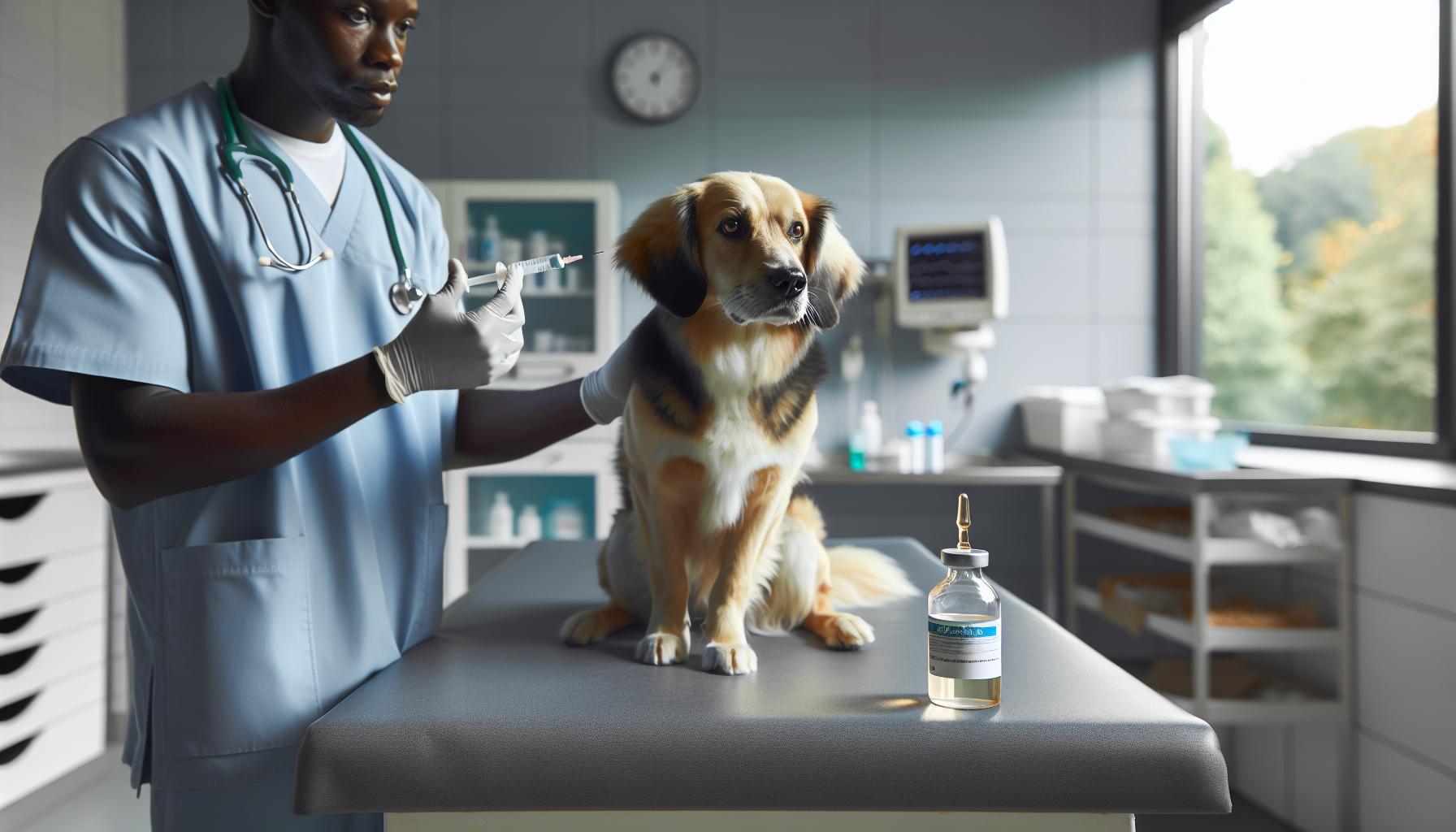
Recognizing Symptoms of Ivermectin Toxicity in Dogs
Dogs are at risk of ivermectin toxicity, and recognizing the symptoms early can be crucial for their recovery. This potent antiparasitic drug affects dogs differently, especially those in high-risk breeds such as Collies, where genetic factors impact drug metabolism. Overdose or accidental exposure can lead to severe neurological effects, and knowing how to identify these symptoms can empower pet owners to act swiftly.
Symptoms of ivermectin toxicity can vary widely, but some of the more common signs to look for include:
- Excessive salivation: Noticing your dog drooling more than usual might indicate something amiss.
- Pupil dilation: Enlarged pupils can be a classic sign of neurological distress.
- Ataxia: Watch for unsteady movements or difficulty walking, which may signal central nervous system involvement.
- Seizures: In severe cases, dogs may experience seizures, a direct result of neurological irritation caused by the drug.
- Depression or lethargy: If your dog seems unusually tired or less responsive, it may be experiencing the toxic effects of ivermectin.
- Coma: In extreme cases, dogs may lose consciousness, necessitating immediate veterinary intervention.
Early recognition of these signs can significantly enhance the outcome for a dog experiencing ivermectin toxicity. If you suspect your dog has ingested ivermectin or is exhibiting any of these symptoms, it’s imperative to contact your veterinarian or an emergency animal poison control facility immediately. The promptness of treatment can make all the difference, as rapid intervention is often essential in mitigating life-threatening effects. Monitoring and understanding your dog’s health, particularly if they belong to a breed susceptible to these adverse reactions, can help protect them from the dangers associated with ivermectin.
Immediate Actions: What to Do If Your Dog is Toxic
If a dog is experiencing ivermectin toxicity, prompt action is crucial for safeguarding their health and increasing the likelihood of recovery. Time is of the essence, and knowing the right steps can make a significant difference. Initially, assess the situation calmly; if you’ve found evidence that your dog has ingested ivermectin, such as an empty medication bottle or chewed-up tablets, don’t panic. Instead, gather all relevant information such as the amount ingested and the time it occurred, as these details are vital for veterinary professionals.
Contact your veterinarian or the nearest emergency animal clinic immediately. Be ready to provide them with the earlier mentioned details about the ingestion incident. If possible, keep the packaging or any remaining medication nearby, as this information can aid the vet in determining the appropriate course of action. If your dog is showing severe symptoms such as seizures, loss of consciousness, or severe lethargy, follow your vet’s instructions for transportation carefully, as managing stress during travel can be crucial for their stability.
While waiting for professional help, monitor your dog’s condition closely. If they’re conscious and responsive, try to keep them calm and in a comfortable position. Do not attempt to induce vomiting unless instructed by a veterinarian, as this can sometimes worsen the situation. Avoid giving them any food or water until you have consulted with a veterinary professional, as this could complicate the treatment process.
Understanding that recovery from ivermectin toxicity is possible offers hope. Many dogs can bounce back with proper medical care, supportive treatments, and the right interventions. Veterinarians often administer activated charcoal to minimize further absorption of the drug and provide symptomatic treatment for issues like seizures or respiratory distress. Ensuring your dog receives compassionate care will significantly contribute to their overall recovery journey.
Diagnostic Tests for Ivermectin Toxicity in Dogs
Timely and accurate diagnostic tests are crucial in assessing ivermectin toxicity in dogs, as they help veterinary professionals determine the severity of the situation and plan an effective treatment strategy. One of the primary methods utilized is a comprehensive clinical evaluation, where veterinarians gather detailed information about the dog’s exposure to ivermectin, including the dosage, time of ingestion, and any observable symptoms. This initial assessment is often complemented by physical examinations focused on neurological status, as ivermectin can significantly affect the central nervous system, leading to symptoms such as ataxia, tremors, or lethargy.
In addition to the clinical assessment, veterinarians may opt for specific laboratory tests to gain further insights into the dog’s condition. Some key diagnostic procedures include:
- Blood Tests: These can help assess kidney and liver function, as well as evaluate electrolyte levels, which may be disrupted due to toxicity.
- Coagulation Panels: Since ivermectin can affect coagulation pathways, these tests may be necessary to monitor the dog’s ability to clot properly.
- Urinalysis: A urinalysis can provide valuable information about how the kidneys are handling the substance and whether any renal damage has occurred.
Recognizing and diagnosing ivermectin toxicity can often be through ruling out other potential causes for the symptoms observed. Some veterinarians may also recommend imaging studies, such as X-rays or ultrasounds, particularly if there is suspicion of other underlying health issues or complications arising from the toxicity.
By employing a combination of these techniques, veterinary professionals can establish a robust understanding of a dog’s health status in cases of ivermectin toxicity, guiding them toward the most effective treatment plans. This comprehensive approach underlines the importance of early veterinary intervention, as timely diagnosis plays a fundamental role in enhancing the chances of a successful recovery for affected dogs.
Treatment Options for Dogs Affected by Ivermectin
The management of ivermectin toxicity in dogs can often be critical, as timely intervention significantly influences the outcome. When a dog is suspected of having ingested ivermectin, immediate veterinary attention is vital. Treatment typically begins with inducing vomiting within a few hours of ingestion, if the dog is alert and not displaying severe symptoms. This action can help remove the drug from the system before it is fully absorbed. However, this procedure should only be performed under the guidance of a veterinarian.
Once at the veterinary clinic, several treatment protocols may be employed based on the dog’s condition and the severity of the toxicity. One common approach involves the administration of activated charcoal to limit further absorption of the drug from the gastrointestinal tract. This is particularly effective if given within a few hours of ingestion. In cases of severe toxicosis where the dog exhibits neurological symptoms, such as tremors or seizures, additional treatments may include intravenous fluids to maintain hydration and electrolyte balance, as well as medications to control seizure activity.
Supportive Care and Additional Treatments
Supportive care plays a pivotal role in the recovery process. This may involve monitoring the dog’s heart rate, temperature, and other vital signs closely. In some situations, medications like Flumazenil, a benzodiazepine antagonist, may be considered to help counteract central nervous system effects from ivermectin if deemed appropriate by the veterinarian. Continuous care ensures that any developing complications are addressed promptly.
Moreover, in more chronic cases, physical rehabilitation might be necessary if the dog has experienced significant motor impairment. Dedicated exercises can help regain strength and coordination, supported by a team of veterinary professionals. Creating a comfortable environment can also help ease the dog’s recovery, minimizing stress and ensuring a calm space that facilitates rest and recuperation.
Recovery Outlook
The prognosis for dogs affected by ivermectin toxicity largely depends on the quantity ingested and the promptness of treatment. Several dogs make full recoveries within days to weeks, with many returning to their normal activities. Nevertheless, it is crucial for pet owners to remain vigilant during the recovery phase and adhere strictly to their veterinarian’s guidance. Regular follow-up appointments may also be necessary to ensure that the dog is on the right track, with appropriate adjustments to treatment being made as needed.
By understanding the treatment options and pathways to recovery, pet owners can remain hopeful and proactive in securing their dog’s health following ivermectin toxicity.
The Role of Supportive Care in Recovery
The journey to recovery from ivermectin toxicity in dogs can be significantly influenced by the quality of supportive care they receive. While immediate medical intervention addresses the acute effects of toxicity, ongoing supportive care is crucial for stabilizing the pet’s condition and promoting healing. By ensuring that dogs are comfortable and closely monitored during their recovery, pet owners can greatly enhance their chances of returning to full health.
One of the first steps in supportive care involves meticulously monitoring vital signs, such as heart rate, temperature, and respiratory rate. This vigilant observation allows for early detection of any complications that may arise as the dog stabilizes. In some cases, veterinarians may administer medications like Flumazenil to counteract the central nervous system effects of ivermectin, provided this aligns with the dog’s specific clinical needs. Moreover, maintaining hydration through intravenous fluids is often critical, especially if the dog has experienced vomiting or diarrhea due to toxicity. Keeping the dog in a calm, quiet environment helps to reduce stress, further aiding their recovery.
To foster a successful recovery, engaging in rehabilitation exercises can be essential, particularly for dogs that have sustained motor impairment from ivermectin exposure. Gentle physical therapy can help restore strength and coordination, and many veterinarians recommend following a tailored rehabilitation protocol designed to meet the individual needs of the dog. Incorporating a comfortable resting area into the home can also support healing, allowing the pet to rest without disruption.
As dogs progress through their recovery, pet owners should maintain open communication with their veterinarian, attending follow-up appointments to monitor progress and adjust care plans as necessary. Emphasizing supportive care not only focuses on physical health but also nurtures the emotional well-being of the dog-a critical component for a successful recovery from the distress of toxicity.
Long-term Effects of Ivermectin Toxicity in Dogs
Long-term consequences of ivermectin toxicity in dogs can vary greatly depending on the severity of the initial reaction and the timeliness of treatment. Some dogs may return to their normal selves with no lasting effects, while others could face prolonged challenges. It is crucial for pet owners to be aware of the possible lingering impacts on their furry friends.
One of the more significant risks of ivermectin toxicity is its effect on the central nervous system. Dogs that have experienced toxicity may show lasting neurologic signs, such as abnormal movements, unsteady gait, or even seizures. In some instances, these symptoms can persist or recur, potentially requiring ongoing veterinary care and rehabilitation. It is essential for owners to monitor their pets closely for any unusual behavior or changes, as early intervention can often lead to better outcomes.
Behavioral and Physical Changes
Aside from physical impairments, some dogs might exhibit lasting behavioral changes following an episode of toxicity. Anxiety and altered responsiveness to stimuli, including increased sensitivity to noises or changes in environment, may occur. This can affect the dog’s quality of life and their relationship with their surroundings and owners. Behavioral modifications through training and gradual exposure to novel situations can be beneficial for these pets.
To support recovery and well-being, pet owners can implement a few practical strategies:
- Regular Veterinarian Visits: Routine check-ups are essential for monitoring neurological health and adjusting treatment plans as necessary.
- Physical Rehabilitation: Engaging in targeted exercises can help improve mobility and strength, particularly if the dog has shown signs of weakness.
- Nutritional Support: A balanced diet rich in antioxidants may help support neurologic recovery.
- Stress Reduction: Creating a calm, stable environment can ease anxiety and promote emotional well-being.
Through ongoing support and appropriate intervention, many dogs can adapt to life after ivermectin toxicity, gradually regaining their health and happiness. While some effects may linger, consistent care and attention can help ensure that pets recover as fully as possible, allowing them to lead fulfilling lives.
Preventing Ivermectin Toxicity: Safety Tips for Dog Owners
One of the most effective ways to safeguard your dog from ivermectin toxicity is through proactive prevention strategies. With some awareness and simple precautions, pet owners can significantly reduce the risk of their furry friends encountering this potentially harmful substance. For instance, understanding that ivermectin is commonly used in medications for livestock and that some dogs are particularly sensitive to it is crucial. Be sure to store all medications safely out of reach of pets and dispose of any unused or expired medications properly.
To further protect your dog, monitor their interactions with environments where livestock are present. A curious dog may be tempted to eat feces from animals that have recently been treated with ivermectin, which is a common source of accidental ingestion. Keeping your dog on a leash and away from areas where livestock are prevalent can prevent such incidents.
Regular communication with your veterinarian is another key element in prevention. Discuss safe dosage levels of ivermectin if your dog requires treatment for issues like heartworm prevention. Be especially cautious if you own a breed known to be more sensitive to ivermectin, such as collies, which can experience severe reactions even at standard doses.
Additionally, educate yourself about the symptoms of ivermectin toxicity, which may include lethargy, dilated pupils, tremors, and seizures. Being able to recognize these signs early can lead to quicker intervention, minimizing the potential impact on your dog’s health. In the unfortunate event of an emergency, having the contact information for a local veterinary hospital or poison control hotline on hand will allow for prompt action.
By taking these proactive steps, dog owners can create a safer environment and promote a healthy, happy life for their pets, while also being prepared to act quickly should a risk arise. Ultimately, knowledge and vigilance are your best tools in preventing ivermectin toxicity and ensuring the well-being of your canine companions.
Resources for Pet Owners: Supportive Organizations and Hotlines
Access to reliable resources can make a significant difference when dealing with ivermectin toxicity in dogs, providing support for pet owners who may feel overwhelmed in emergency situations. Many organizations and hotlines are dedicated to assisting pet owners, offering expert guidance, information, and emotional support during a crisis.
Veterinary and Animal Poison Control Hotlines
A crucial resource is the ASPCA Animal Poison Control Center, which can be reached at (888) 426-4435. This 24/7 hotline offers immediate assistance from a team of veterinary professionals who can help you assess the situation and suggest next steps if your dog has been exposed to ivermectin. Another valuable resource is the Pet Poison Helpline (800-213-6680), which also operates around the clock and is staffed by veterinarians and board-certified veterinary toxicologists. These services can be particularly helpful for pet owners who need immediate advice on symptoms and recommended actions.
Supportive Organizations
In addition to hotlines, various organizations provide resources and support that can be invaluable to pet owners. The American Kennel Club (AKC) offers educational materials regarding pet health and safety, including guidelines on medication use for dogs. The Humane Society provides articles and resources about recognizing toxic substances and understanding the signs of poisoning. Local version of these organizations often host events, webinars, and community outreach programs that can enhance owner knowledge regarding pet care and safety.
Community Support Groups
Online forums and social media groups dedicated to pet health can offer emotional support and shared experiences from others who have faced similar challenges. Platforms like Facebook have numerous pet owner groups where members provide advice based on their experiences with ivermectin toxicity or other health issues. Sharing recovery stories can foster a sense of hope and community, which is particularly important in stressful situations.
These resources encourage pet owners to reach out and seek help, reinforcing the idea that recovery from ivermectin toxicity is possible with prompt action and appropriate care. Being prepared with contact information for these organizations and taking proactive measures can empower owners to protect and advocate for their furry companions effectively.
Expert Insights: Veterinarians Share Recovery Stories
Pet owners frequently worry about the implications of ivermectin toxicity, and many veterinarians have witnessed recovery stories that instill hope. One veterinarian, Dr. Claire Thompson, recounted a particularly remarkable case involving a four-year-old Border Collie named Max. Max developed severe symptoms, including lethargy and seizures, after ingesting a heartworm preventive meant for larger breeds. The owners acted quickly, contacting a veterinary poison hotline, which guided them to bring Max in for treatment immediately.
Once at the clinic, the veterinary team performed a thorough assessment, including blood tests to gauge the level of ivermectin in his system. They quickly implemented a treatment plan involving intravenous fluids and activated charcoal to help absorb toxins. Dr. Thompson emphasized the importance of supportive care during such recovery efforts. “Within a few hours, Max began to show signs of improvement. By the next day, he was walking again, but we stayed vigilant for several days watching for lingering symptoms,” she recalled.
Veterinarians, like Dr. Thompson, often stress that timely intervention greatly improves recovery chances. In Max’s case, the combination of immediate care and diligent monitoring allowed him to return home with only slight residual effects, which resolved within a week. Stories like this remind pet owners that, while recovery from ivermectin toxicity can be challenging, many dogs experience successful outcomes with prompt veterinary intervention.
Moreover, sharing these recovery narratives among pet owners can foster a deeper understanding of the dangers associated with ivermectin and emphasize the necessity of responsible pet care. As Dr. Thompson concluded, “Each case underscores the resilience of our canine companions and the crucial role of swift action-keeping our pets safe means being informed and prepared.”
Case Studies: Successful Recoveries from Ivermectin Toxicity
When faced with ivermectin toxicity in dogs, many owners may feel overwhelmed and uncertain about the outcome. However, numerous case studies reveal that with prompt action and proper medical care, many dogs make remarkable recoveries. One such inspiring example involves a young Labrador Retriever named Bella, who experienced severe symptoms after her owners mistakenly administered a dose meant for a larger breed. Bella displayed classic signs of toxicity, including tremors and disorientation. The quick thinking of her owners led them to her veterinarian within hours, where treatments began immediately.
Upon arrival, Bella underwent a series of diagnostic tests, including blood work and neurological assessments. The veterinary team then implemented a comprehensive treatment plan, which included intravenous fluids to flush the toxins from her system and medications to control her seizures. Within 24 hours, Bella showed significant improvement; her strength began to return, and her symptoms began to subside. This turnaround underscored the crucial role that early intervention plays in such cases. Bella’s recovery not only reassured her family but also highlighted the effectiveness of veterinary medicine in managing potentially life-threatening situations.
In another remarkable case, a five-year-old Beagle named Charlie experienced a similar ordeal. After he ingested heartworm medication not meant for his weight class, his owner noted his sudden lethargy and abnormal pacing. Recognizing the danger, they rushed Charlie to the clinic, where immediate care was initiated. Veterinarians administered activated charcoal to prevent further absorption of the drug and monitored Charlie closely for risks of more severe symptoms. Thanks to the collaborative efforts of the veterinary team and the owner’s swift action, Charlie recovered fully within a week, returning to his playful self.
These stories of successful recoveries not only serve as hope for pet owners facing similar challenges but also emphasize the importance of awareness and education surrounding ivermectin use. It’s crucial for dog owners to understand the potential risks of administering medications and to act quickly if they suspect toxicity. Real-life recoveries reinforce the idea that while ivermectin toxicity is serious, the capabilities of veterinary medicine provide a solid safety net for our canine companions.
FAQ
Q: How long does it take for a dog to recover from ivermectin toxicity?
A: Recovery time for a dog from ivermectin toxicity can vary, typically ranging from 24 hours to several days, depending on the severity of the toxicity and the treatment received. Supportive care is crucial, and close monitoring by a veterinarian can expedite recovery.
Q: What is the prognosis for a dog with ivermectin toxicity?
A: The prognosis for a dog with ivermectin toxicity is generally good with prompt treatment. Many dogs recover fully, though some may experience long-term effects depending on their individual health and the level of exposure. Timely medical intervention is key.
Q: Can ivermectin toxicity cause permanent damage in dogs?
A: Yes, ivermectin toxicity can sometimes lead to permanent neurological damage, especially if the initial exposure was high. The extent of any long-term effects largely depends on the dose ingested and the speed of treatment received.
Q: Are certain dog breeds more susceptible to ivermectin toxicity?
A: Indeed, some breeds, particularly herding breeds like Collies and Australian Shepherds, are more sensitive to ivermectin due to a genetic mutation that affects drug metabolism. It’s essential to consult with a vet regarding ivermectin use in these breeds.
Q: Should I feed my dog if it’s recovering from ivermectin toxicity?
A: If your dog is recovering from ivermectin toxicity, offer small, easily digestible meals as advised by your veterinarian. Proper nutrition can help support recovery, but it’s essential to consult with your vet about the best diet during this time.
Q: What symptoms should I watch for during my dog’s recovery from ivermectin toxicity?
A: During recovery, keep an eye out for neurological symptoms such as lethargy, uncoordination, or seizures. These signs can indicate ongoing toxicity or complications, and you should contact your veterinarian immediately if they occur.
Q: How can I prevent ivermectin toxicity in my dog in the future?
A: To prevent ivermectin toxicity, always administer medications as prescribed and keep ivermectin-containing products out of reach. Additionally, ensure to consult your veterinarian regarding safe medications for your dog’s specific breed and medical history.
Q: What should I do if I suspect my dog has ingested ivermectin?
A: If you suspect your dog has ingested ivermectin, contact a veterinarian immediately. They may induce vomiting or administer activated charcoal if the ingestion occurred within the last few hours. Quick action can make a significant difference in your dog’s outcome.
Key Takeaways
Understanding that ivermectin toxicity in dogs can be a daunting experience, it’s crucial to stay informed and proactive. While many dogs do recover with timely veterinary intervention, remaining vigilant and recognizing symptoms early can make all the difference. If you’re facing this situation, reach out to a veterinarian immediately, as your dog’s health depends on swift action.
To continue your journey of pet care and ensure your furry friend stays safe, explore our resources on Recognizing Poisoning Symptoms in Dogs and Preventing Common Pet Emergencies. Don’t forget to subscribe to our newsletter for ongoing tips and updates, ensuring you remain equipped with knowledge to provide the best for your pet. Together, we can turn challenging moments into opportunities for deeper understanding and care. Your journey doesn’t end here-let’s keep learning and growing for our beloved pets!
Get our latest guides, news, and insights highlighted in your Google Search & AI Overviews.