
When it comes to keeping our canine companions healthy, understanding the tools available for fighting parasites is essential. Ivermectin, a widely used dog wormer, effectively combats various internal and external parasites, making it a crucial part of any pet owner’s toolkit. However, with its growing popularity, many pet owners have questions about its safety, administration, and the best practices for treatment. This guide will delve into the importance of Ivermectin, addressing common concerns and providing valuable insights into its usage. By exploring the science behind this powerful medication, pet owners can make informed decisions, ensuring their dogs thrive and remain parasite-free. Join us as we uncover everything you need to know about dog wormer Ivermectin and how it plays a vital role in your pet’s health.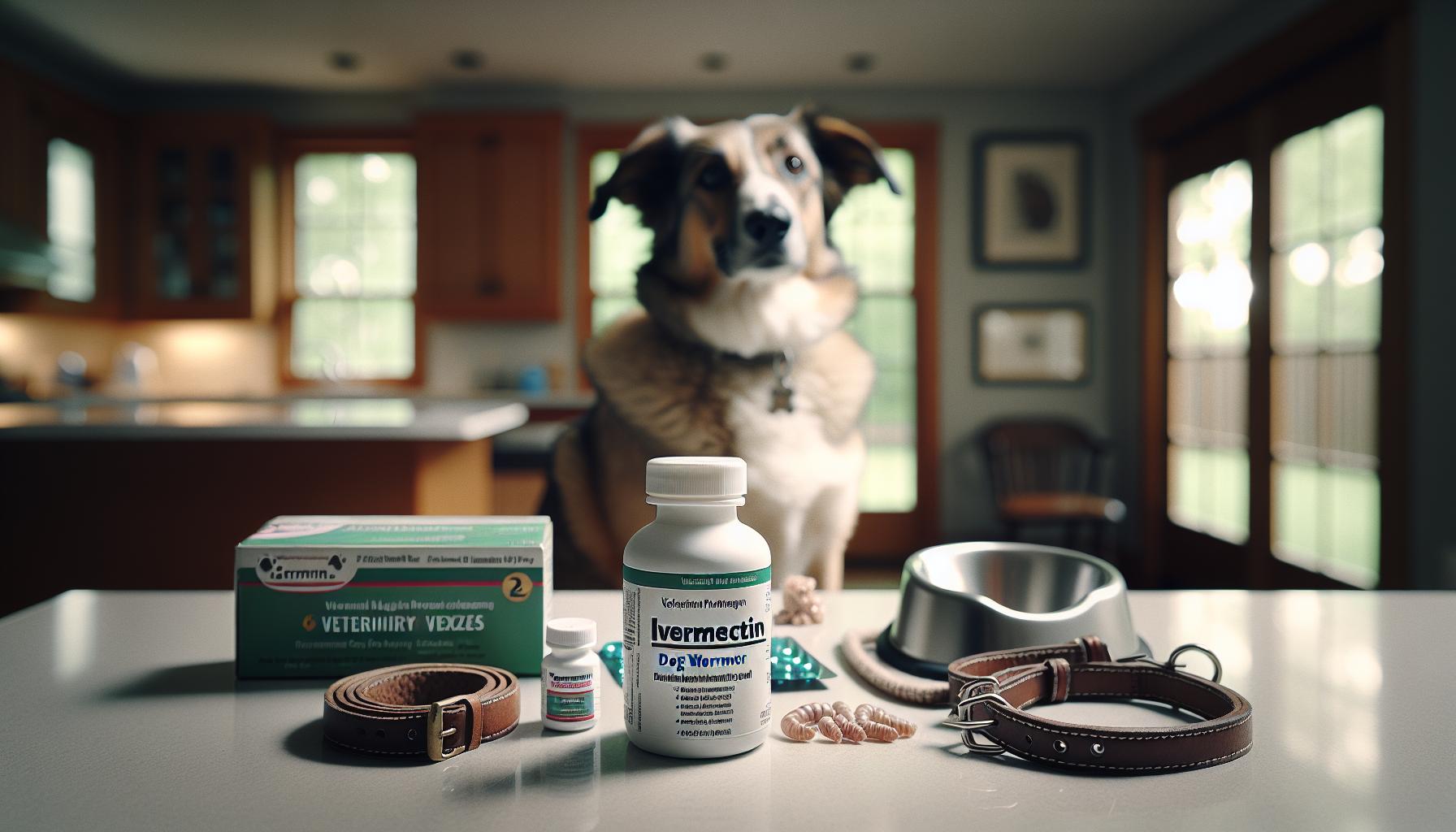
Understanding Ivermectin: What It Is and How It Works
Ivermectin, a powerful antiparasitic medication, has emerged as a vital tool in the fight against various parasitic diseases in both humans and animals. Originally developed as a treatment for river blindness in humans, this compound acts by binding to specific channels within invertebrate nerve and muscle cells, leading to paralysis and ultimately death of the parasites. Its efficacy extends to a range of issues, from heartworm in dogs to various types of worms and ectoparasites, making it an essential component in veterinary medicine.
In canine applications, ivermectin is primarily utilized for its effectiveness against heartworm and other internal and external parasites. The drug works by interrupting the neuromuscular function of parasites, making it particularly lethal to organisms like roundworms, mites, and lice. When administrated correctly, it allows for minimal side effects while delivering substantial health benefits to pets suffering from parasitic infections.
Veterinarians often stress the importance of understanding ivermectin’s mechanism to optimize its use. This includes recognizing the specific types of parasites targeted and the importance of using the correct dosage based on the dog’s weight and condition. Additionally, it’s crucial to note that while many breeds tolerate ivermectin well, some dogs, especially those with the MDR1 gene mutation, may experience adverse reactions. Therefore, a thorough veterinary consultation prior to treatment is essential to ensure safety and efficacy.
For pet owners, it’s beneficial to stay informed about the role of ivermectin and to be proactive in controlling parasites through regular check-ups and preventive care. Knowledge about dosing and administration techniques can further enhance treatment success, ensuring that dogs remain healthy and vibrant. Understanding how ivermectin works not only empowers owners to make informed decisions but also facilitates better communication with veterinary professionals regarding their pets’ health.
Is Ivermectin Safe for Dogs? Common Concerns and Myths
Despite its reputation as a reliable treatment for parasitic infections in both humans and dogs, ivermectin is often surrounded by a cloud of misconceptions and concerns. Many dog owners wonder about the safety of this powerful antiparasitic agent, especially given its potent action and the various reports circulating online. Understanding these concerns and separating fact from fiction is essential for pet owners who wish to make informed decisions about their dog’s health.
Common Concerns
One of the prevailing fears among dog owners is that ivermectin could be harmful to their pets. In reality, when prescribed and administered correctly, ivermectin is considered safe for most dogs. However, it is vital to recognize that certain breeds, particularly those with the MDR1 gene mutation, may react adversely to the drug. Breeds such as Collies, Border Collies, and Australian Shepherds are particularly susceptible to side effects, which can range from mild reactions to severe neurological symptoms. Therefore, before administering ivermectin, it’s recommended to consult a veterinarian to confirm whether the dog is a safe candidate for this medication.
Another common myth is that higher doses of ivermectin lead to better results. This is misleading; over-dosing can result in serious toxicity. Dog owners should adhere strictly to the recommended dosage based on their pet’s weight and specific health needs. Vets often provide precise instructions tailored to the individual dog’s condition, ensuring both efficacy and safety.
Addressing Myths
Misunderstandings extend to the idea that ivermectin can be used indiscriminately to treat all forms of parasites. While it is effective against certain parasites like heartworms and some intestinal worms, it does not treat all parasitic infections. Thus, using ivermectin without proper veterinary guidance could lead to ineffective treatment or even exacerbate the problem.
Moreover, the concerns about ivermectin’s safety often overshadow its benefits. Ivermectin can significantly improve a dog’s quality of life by effectively controlling parasitic infections that pose serious health risks. When used appropriately, it supports overall health and well-being.
In summary, while it’s vital for dog owners to be cautious and informed regarding the use of ivermectin, they should also recognize the medication’s established safety and efficacy when used properly. Empowering pet owners with accurate information helps dispel myths and promotes a healthier, happier life for their canine companions. Always consult with a veterinarian before starting any treatment to ensure it’s the right choice for your dog.
Correct Dosage of Ivermectin for Canine Worm Treatment
Determining the is crucial for ensuring the safety and efficacy of the treatment. This antiparasitic medication is effective against a variety of parasites, including heartworms and certain intestinal worms, but the appropriate dosage can vary significantly based on several factors. The correct dosage is commonly calculated based on the dog’s weight and the specific type of parasites being targeted. While veterinarians typically prescribe ivermectin, knowing the general guidelines can empower pet owners to understand better their pet’s treatment plan.
In general, the dosage of ivermectin for dogs is expressed in micrograms per kilogram of the dog’s body weight (µg/kg). The typical dosage range for heartworm prevention is around 6 to 12 µg/kg. For treating specific intestinal parasites, the dosage might be higher, often reaching up to 400 µg/kg, depending on the parasite involved. Because of the potential for toxicity-especially in breeds sensitive to ivermectin, like Collies and other herding breeds-it’s crucial to ensure that the dosage does not exceed the veterinarian’s recommendations.
Before administering the medication, it’s essential to have an accurate weight measurement of your dog. For convenience, you can use a scale at home, but if your dog is of a larger size or restless, visiting a veterinary clinic for a precise measurement can provide peace of mind. A simple formula can be used to calculate the dosage:
- Measure your dog’s weight in kilograms.
- Multiply the weight by the recommended dosage (in µg/kg) prescribed by your veterinarian.
For example, an 18 kg dog prescribed ivermectin at a dosage of 10 µg/kg would receive a total of 180 µg.
Medication administration can be done orally or through topical applications, depending on the product used. Ensure to follow your veterinarian’s guidance on how often to administer the medication, as some may require monthly doses, while others might be a single treatment.
Remember that while ivermectin is a powerful tool against parasites, proper dosing is critical to avoid the risk of toxicity and to ensure the maximum effectiveness of the treatment. Regular veterinary check-ups and open communication regarding your dog’s health can help keep parasitic infections at bay and ensure your furry friend remains healthy and happy.
How to Administer Ivermectin to Dogs Effectively
Administering ivermectin to dogs effectively is crucial for ensuring that the medication works as intended to eliminate parasites while minimizing any potential risks. The administration process can vary slightly depending on whether the medication is being given orally or applied topically, so it’s important to follow the specific guidelines provided by your veterinarian.
When giving oral ivermectin, start by ensuring your dog is calm and comfortable. You can mix the medication with a small amount of food or a treat to make it more palatable, especially if your dog is hesitant to take pills. If using a liquid formulation, consider using a syringe (without a needle) to administer it directly into the side of your dog’s mouth for precise dosage. Always double-check the dosage with your veterinarian prior to administration and observe your dog for any signs of distress or adverse reactions after giving the medication.
For topical forms of ivermectin, ensure the application site is clean and dry. Part the fur to expose the skin and apply the medication directly to the skin as prescribed, typically at the back of the neck or between the shoulder blades. This method helps to prevent the dog from licking the medication off. Monitor the area after application to verify that your dog does not attempt to lick or chew at the site, as this can reduce the effectiveness or lead to unnecessary exposure.
Consistency is key in administering ivermectin. Make a schedule according to your vet’s recommendations-whether it’s monthly for heartworm prevention or more frequently for treating existing infections. Keeping a record of each dose can help maintain a consistent treatment schedule and ensure that your dog gets the full course of medication needed for effective treatment. If there are any concerns during the treatment period, such as side effects or unusual behavior, consult your veterinarian immediately to ensure your dog’s health is safeguarded.
By following these guidelines, you can help ensure that your dog receives the full benefits of ivermectin while reducing the potential for complications or ineffective treatment.
Potential Side Effects and Risks of Ivermectin Use
Ivermectin, while widely regarded as a potent treatment for various parasitic infections in dogs, is not without its potential side effects and risks. Understanding these is essential for dog owners to make informed decisions about their pet’s healthcare. Adverse reactions can range from mild to severe, and while many dogs tolerate the medication well, vigilance is key in monitoring their health after administration.
One of the most common side effects is gastrointestinal upset, which can manifest as vomiting, diarrhea, or a decrease in appetite. These reactions are typically mild and resolve without the need for additional intervention. However, if symptoms persist or worsen, it is crucial to consult a veterinarian. More serious side effects can include neurological symptoms such as tremors, lethargy, or disorientation, especially in dogs that may have underlying health issues or are of certain breeds, such as Collies, which are known to be sensitive to ivermectin due to a genetic mutation affecting drug metabolism.
Recognizing Potential Risks
It’s also essential to consider the risks associated with incorrect dosages of ivermectin. Overdose can lead to life-threatening situations, necessitating prompt veterinary care. Symptoms of overdose may include more severe neurological issues, such as seizures or respiratory distress. To mitigate these risks, it’s imperative to follow your veterinarian’s prescribed dosage closely and not to administer ivermectin meant for livestock, as formulations and concentrations may differ significantly.
Other health factors can also play a role in how a dog responds to ivermectin. Dogs with existing medical conditions, such as renal insufficiency or those that are pregnant, may face additional risks. Therefore, disclosing your dog’s full medical history to the veterinarian before treatment is essential to ensure the safety and success of antiviral treatment.
By staying alert and informed about the potential side effects and risks associated with ivermectin, dog owners can provide a safer, more effective treatment for their pets while minimizing the chances of adverse reactions. Regular check-ups and open communication with your veterinarian can further enhance the safety and well-being of your furry friend during treatment.
Comparing Ivermectin to Other Dog Worming Treatments
When it comes to treating parasitic infections in dogs, ivermectin is a well-known and effective option, but it’s essential to understand how it stacks up against other worming treatments available on the market. Each treatment has its own mechanisms of action, benefits, and potential downsides, making it crucial for pet owners to be informed about the various options to ensure the health and well-being of their furry companions.
One of the most common alternatives to ivermectin is fenbendazole, which, like ivermectin, is effective against a range of parasites including roundworms, hookworms, and whipworms. Fenbendazole works by disrupting the energy metabolism of the parasites, ultimately killing them. Unlike ivermectin, which can pose risks to certain dog breeds (especially herding breeds like Collies), fenbendazole is generally considered safe for all breeds and does not have the same level of risk associated with incorrect dosing. However, it may take longer to eliminate parasites compared to ivermectin, which often provides quicker results.
Another option is milbemycin oxime, which is often included in heartworm prevention products. This drug is effective against a variety of internal parasites, including roundworms and hookworms, similar to ivermectin but with a different safety profile. While milbemycin is often well-tolerated, some dogs may still experience side effects, and it is also crucial to avoid administering it to certain sensitive breeds, particularly those with a history of adverse reactions to similar medications.
Pyrantel pamoate is another alternative, frequently used for its lower risk of side effects. It’s effective against certain worms, particularly roundworms and hookworms. Pyrantel pamoate can be administered safely to puppies from an early age, making it a popular choice for young pets. However, it does not offer the same broad-spectrum efficacy against other parasites that ivermectin targets, such as heartworms and some external parasites, thus limiting its use in comprehensive worming regimens.
Additionally, some pet owners may explore natural treatments for worms, which can include formulations made from ingredients like diatomaceous earth or pumpkin seeds. While there are anecdotal success stories regarding these natural options, it’s important to note that their efficacy has not been scientifically validated to the same extent as pharmaceutical treatments. Therefore, pet owners interested in natural alternatives should approach them with caution and consult their veterinarians to ensure the safety and effectiveness of these treatments.
In conclusion, while ivermectin stands out for its potency against a wide range of parasites, it is vital to weigh its benefits against other treatments based on effectiveness, safety, and potential side effects. Consulting with a veterinarian is crucial for determining the most appropriate treatment plan tailored to a dog’s specific health needs and risks. Understanding the available options empowers pet owners to make informed decisions that ensure their beloved pets receive the best care possible.
Natural Alternatives to Ivermectin: What Works?
Exploring natural alternatives to ivermectin for treating parasitic infections in dogs can provide pet owners with a wider array of options while prioritizing their dog’s health and safety. While ivermectin is known for its effectiveness, some pet owners may prefer to consider holistic approaches due to concerns about side effects or breed sensitivities. This shift towards natural remedies often highlights a variety of herbs and food supplements that have traditionally been used due to their antiparasitic properties.
Common Natural Alternatives
Many natural alternatives show promise, including:
- Pumpkin seeds: These seeds contain compounds that have been shown to help expel worms from the digestive tract, making them a popular choice among natural remedy enthusiasts. They are also high in nutrients that support overall health.
- Diatomaceous earth: Food-grade diatomaceous earth is touted for its ability to kill parasites by damaging their exoskeletons when ingested. This powder can be mixed with dog food but should be used cautiously to avoid respiratory irritation.
- Garlic: While it must be used in moderation due to potential toxicity in high doses, garlic has been traditionally used as a natural antiparasitic agent. It is believed to create an inhospitable environment for parasites within the gut.
- Herbal blends: Various herbal remedies are available, including formulations containing wormwood, black walnut hulls, and cloves, known for their antiparasitic effects. These can sometimes work by increasing the body’s immune response or creating an environment unsuitable for parasites.
Consultation and Caution
It’s crucial for pet owners to approach these natural alternatives with a degree of caution. Scientific validation for many of these treatments is limited, and while anecdotal evidence exists, efficacy can vary among individual dogs. Moreover, the dosage and formulation matter significantly-incorrect amounts or preparations can potentially harm pets. Therefore, veterinary consultation is strongly recommended before starting any new treatment regimen, especially for pets with underlying health issues or those taking other medications.
Natural alternatives can be appealing, but they should be part of a comprehensive approach to canine health. Regular veterinary check-ups, proper dietary management, and effective parasite control programs remain essential. By discussing your goals and concerns with your veterinarian, you can create a personalized plan that balances conventional and natural treatment methods, ensuring your dog receives the best care tailored to its specific needs.
User Experiences: Success Stories with Ivermectin
Many pet owners have seen remarkable transformations in their dogs after administering ivermectin for worm treatment, showcasing its effectiveness in managing parasitic infections. One story from a Labrador Retriever owner highlights how their dog, who had been struggling with severe skin irritation and lethargy due to an infestation of demodectic mange, showed significant improvement just weeks after starting ivermectin treatment. Within a month, the dog’s energy levels soared, the fur started regrowing, and the skin irritation diminished, leading to a healthier and happier pet.
Positive Outcomes in Various Conditions
User experiences reveal that ivermectin isn’t just limited to treating common worms but is also effective for other parasitic conditions. Many testimonials cite its use in combating heartworm in dogs. A rescue organization reported that several dogs suffering from heartworm disease responded positively after the treatment regimen was initiated. The combined use of ivermectin for adults and preventive measures for puppies resulted in high recovery rates, showcasing how an integrated approach can yield exceptional results.
Moreover, some pet owners share their journeys of rescue dogs who arrived with multiple health issues, including parasites. For instance, a Beagle mix that came from a neglectful environment was treated with ivermectin and showed drastic improvements. The owner noted that within a couple of months, the once-dull and unresponsive dog transformed into an energetic companion, underscoring ivermectin’s pivotal role in restoring the health of dogs in dire situations.
Consulting Vets: A Key to Success
Success with ivermectin is frequently attributed not only to the medication itself but also to the thorough consultations pet owners have with their veterinarians. Many owners emphasize the importance of professional guidance to tailor the treatment based on factors like the dog’s breed, weight, and specific health concerns. Cases where dosage adjustments were made for sensitive breeds like Collies illustrate how careful monitoring can enhance outcomes significantly. Pet owners who engaged with their veterinarians throughout the treatment process often report greater peace of mind and assurance that they are doing right by their pets, allowing for the effective management of side effects and ensuring the treatment’s success.
In conclusion, the collective experiences of pet owners reflect a tapestry of success stories where ivermectin played a critical role in combating parasitic infections, restoring vitality, and enhancing the quality of life for dogs. While individual results may vary, these anecdotes highlight the potential for positive outcomes when combined with responsible veterinary oversight.
Veterinary Insights: Expert Recommendations on Ivermectin
It’s essential to recognize that the successful use of ivermectin for canine worm treatment is often intertwined with professional veterinary insights. Veterinarians play a crucial role not only in diagnosing the specific parasitic infections but also in developing tailored treatment plans that optimize the efficacy and safety of ivermectin. Their expertise allows for considerations based on a dog’s breed, age, health history, and weight, which are critical factors that influence how a dog will respond to treatment.
Dosage and Monitoring
Veterinarians typically recommend a precise dosage of ivermectin, as the correct amount is vital for efficacy while minimizing the risk of adverse effects. For example, some breeds, such as Collies, have a genetic mutation that makes them more sensitive to ivermectin, necessitating careful dosage calculations. Regular monitoring during the treatment course helps identify any potential side effects early on, allowing for timely interventions. Experts suggest maintaining open communication with pet owners to adapt the treatment plan as necessary, especially if unforeseen reactions occur.
The Importance of Preventative Care
Additionally, veterinarians emphasize that ivermectin should not only be viewed as a treatment option but also as part of a broader preventative strategy. Regular screenings for heartworm and other parasites, along with routine preventive medication, can significantly reduce the incidence of severe infestations. This proactive approach is particularly beneficial in areas where parasites are endemic. Educating pet owners on the lifecycle of these parasites and the impact of timely interventions ensures that pets receive the best care possible.
Veterinary recommendations often extend beyond just treatment regimens; they stress the importance of holistic pet care. Routine veterinary check-ups, a balanced diet, and a healthy lifestyle enrich the overall well-being of pets and support the effectiveness of treatments like ivermectin. Incorporating these elements into routine care reflects a comprehensive understanding of what it takes to keep dogs healthy and free of parasites. Ultimately, a collaborative partnership between pet owners and veterinarians is integral to ensuring the health and happiness of dogs undergoing treatment with ivermectin.
Ivermectin for Different Dog Breeds: Special Considerations
Understanding the intricacies of how ivermectin affects different dog breeds is crucial for effective treatment and safety. While ivermectin is a powerful anti-parasitic medication used widely in veterinary medicine, its efficacy and safety can vary significantly across breeds due to genetic factors and specific health conditions. For example, breeds like Collies, Australian Shepherds, and Shetland Sheepdogs possess a genetic mutation called the MDR1 gene defect, which makes them particularly sensitive to ivermectin. In these dogs, even standard doses can lead to severe neurological side effects, making careful veterinary consultation essential.
When treating dogs with ivermectin, veterinarians often customize treatment plans based on breed characteristics. In breeds that may have heightened sensitivity, such as the aforementioned Collies, lower dosages might be recommended. Alternatively, breeds that are known to handle the medication well, like Labrador Retrievers and Golden Retrievers, may receive standard dosages, but this must still be adjusted based on individual health assessments. Furthermore, factors such as age, weight, and overall health status also play instrumental roles in determining the appropriate dosage.
In addition to considering genetic predispositions, variations in the worming protocols between breeds should also be taken into account. For example, smaller breeds might require different formulations or concentrations of ivermectin, not just due to weight but also because of their metabolic rates. Pets that fall under the working or sporting category-often more active and exposed to a variety of environments-may also need tailored preventive care to combat different parasitic risks prevalent in their lifestyles.
Veterinarians recommend regular screenings and a proactive approach for all breeds, even those less sensitive to ivermectin. This practice helps to ensure early detection of potential infestations and the opportunity to adjust treatment plans as necessary. Understanding each dog’s unique needs not only improves the effectiveness of ivermectin as a treatment but also fosters a long-lasting partnership between pet owners and veterinarians, paving the way for informed wellness decisions.
Staying Informed: Latest Research on Ivermectin for Pets
Recent studies highlight an increasing need for pet owners to stay informed about the evolving landscape of ivermectin use in veterinary medicine. This remarkable medication, long utilized for its efficacy against parasites in pets, has drawn attention not only for its therapeutic benefits but also for ongoing research into its safety and efficacy across different breeds and conditions. For instance, a growing body of evidence suggests that the genetic sensitivity of certain dog breeds, particularly those with the MDR1 gene mutation, necessitates a more tailored approach to ivermectin administration, underscoring the importance of veterinary guidance on dosage and treatment protocols.
Emerging Research and Safety Profiles
As research continues, recent findings emphasize the importance of understanding ivermectin’s pharmacodynamics-how it works in the body-particularly concerning different breeds. Studies indicate that breeds like Collies are at an increased risk for adverse effects due to genetic susceptibilities. This has prompted further investigation into genetic testing as a potential tool for veterinary professionals when designing individualized treatment plans. Moreover, clinical trials are exploring alternative formulations that might offer safer options for sensitive breeds without compromising the drug’s effectiveness.
Current Trends in Administration and Treatment Protocols
In addition to breed-specific considerations, there is a notable trend towards combining ivermectin with other treatments to enhance efficacy and minimize side effects. Research is evaluating the effectiveness of multi-modal approaches that integrate ivermectin with natural remedies or other pharmaceutical anti-parasitics, promising a broader spectrum of treatment options. Such strategies not only aim to improve outcomes for dogs suffering from parasitic infections but also to alleviate concerns surrounding potential drug resistance, a growing issue in both human and veterinary parasitology.
Regular updates from veterinary journals and institutions play a crucial role in keeping pet owners and practitioners informed of the latest findings. For those interested in accessing reliable sources, participating in veterinary webinars or following reputable organizations can provide valuable insights into best practices for ivermectin use, safety measures, and the latest research developments. By fostering an environment of continuous learning and adaptation, pet owners can make informed decisions that enhance the health and well-being of their canine companions.
Navigating the Controversies Surrounding Ivermectin Use
The discussion surrounding ivermectin has evolved significantly, especially with the surge of information available about its use in veterinary medicine for treating parasitic infections in dogs. This powerful antiparasitic agent has garnered attention not only for its effectiveness but also for the controversies that have emerged, particularly regarding its safety across various canine breeds. While ivermectin is commonly used and well-tolerated in many dogs, there are notable exceptions that spark debate among veterinarians and pet owners alike.
One of the main points of contention is the growing awareness of genetic sensitivities to ivermectin in certain dog breeds, particularly those carrying the MDR1 gene mutation. Breeds such as Collies, Australian Shepherds, and Whippets are known to be at greater risk of adverse reactions, which can lead to toxic events if they receive standard dosages meant for other breeds. This has prompted calls within the veterinary community for more comprehensive screening and tailored dosing strategies based on genetic testing. Many experts advocate for a more individualized approach to treatment, ensuring that pet owners are fully informed about potential risks and the importance of veterinary consultation before administering ivermectin.
In addition to genetic factors, the recent narrative around ivermectin has been influenced by its controversial use during the COVID-19 pandemic. Many pet owners may inadvertently conflate human use with canine treatments, leading to confusion. While ivermectin is an approved treatment for various parasitic infections in dogs, its efficacy against viruses, such as the coronavirus, is not substantiated in veterinary guidelines. This highlights the necessity for clear communication from veterinarians to dispel myths and educate dog owners about when and how to use ivermectin appropriately.
Ultimately, navigating the complexities and controversies surrounding ivermectin requires a commitment to ongoing education and evidence-based practices. Pet owners should remain curious and proactive, seeking guidance from trusted veterinary sources and staying abreast of new research findings. This approach not only enhances the safety and efficacy of treatment protocols but also empowers pet owners to contribute positively to their furry companions’ health journeys.
FAQ
Q: How often should I give my dog Ivermectin for worm treatment?
A: You should administer Ivermectin based on your veterinarian’s guidance. Typically, it may be given once every 2-6 months, depending on your dog’s risk of exposure to parasites. Always consult your vet for a tailored treatment schedule and dosage.[Correct Dosage of Ivermectin for Canine Worm Treatment]
Q: What types of worms does Ivermectin treat in dogs?
A: Ivermectin is effective against several parasites, including heartworms, roundworms, and certain types of mites. However, you should consult a veterinarian to confirm specific treatments based on your dog’s needs.[Understanding Ivermectin: What It Is and How It Works]
Q: Can I use Ivermectin for my puppy?
A: Ivermectin can be administered to puppies, but *only if the puppy is at least six weeks old* and under veterinary guidance. Dosage and safety vary by age and size, so it’s crucial to get a vet’s recommendation.[Veterinary Insights: Expert Recommendations on Ivermectin]
Q: What should I do if my dog has an adverse reaction to Ivermectin?
A: If your dog shows signs of an adverse reaction, such as vomiting, loss of coordination, or lethargy, contact your veterinarian immediately. Early intervention is essential for their health and safety.[Potential Side Effects and Risks of Ivermectin Use]
Q: Are there specific dog breeds that are more susceptible to Ivermectin sensitivity?
A: Yes, certain breeds, such as Collies and other herding dogs, may be more sensitive to Ivermectin due to a genetic mutation. Consult your veterinarian for alternative treatments if your dog belongs to a high-risk breed.[Ivermectin for Different Dog Breeds: Special Considerations]
Q: How do I know if my dog has worms?
A: Symptoms of worms in dogs include weight loss, bloated abdomen, visible worms in stool or near the anus, and changes in appetite or energy levels. If you suspect your dog has worms, consult your veterinarian for a diagnosis and treatment options.[Understanding Ivermectin: What It Is and How It Works]
Q: Is there a risk of overdose with Ivermectin for dogs?
A: Yes, an overdose of Ivermectin can lead to severe health risks, including neurological symptoms and potential death. Always adhere to the recommended dosage and consult your vet if you’re unsure.[Correct Dosage of Ivermectin for Canine Worm Treatment]
Q: Can Ivermectin be combined with other medications?
A: Ivermectin *may interact with some medications*, particularly those affecting the nervous system. Always inform your veterinarian about any other treatments your dog is receiving to avoid potential complications.[Veterinary Insights: Expert Recommendations on Ivermectin]
Wrapping Up
Although Ivermectin is a powerful tool for treating worms in dogs, it’s essential to ensure you’re using it correctly and safely. Remember, effective treatment not only improves your dog’s health but also enhances their quality of life. Don’t wait-take action to safeguard your pet’s well-being today! For more information on dosage guidelines and pet care tips, visit our comprehensive resources on safe worming practices and general dog health.
If you have any lingering questions about worm treatment, consider reaching out to your veterinarian or exploring our articles on related topics such as common parasites or dietary needs after treatment. Join our community of pet owners who share their stories and advice, and be sure to check out our newsletter for the latest updates and expert insights. Your dog’s health journey is vital-let’s ensure they’re thriving!
Get our latest guides, news, and insights highlighted in your Google Search & AI Overviews.