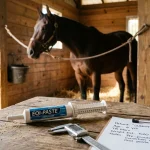
Administering ivermectin to horses is a critical aspect of maintaining their health, particularly in the prevention and treatment of parasitic infections. Did you know that improper dosing or administration can lead to serious health issues? As horse owners, understanding how to safely administer this medication is essential not only for the well-being of your horse but also for the overall success of your horse care regimen. This guide will explore vital safety guidelines, including proper dosing, storing medication, and recognizing signs of adverse reactions. By arming yourself with this knowledge, you can ensure your horse receives the best care possible, contributing to a longer, healthier life. Continue reading to discover practical advice that will guide you through the process of safely using ivermectin for your horse’s needs.
How Horse Ivermectin Works: The Science Explained
Ivermectin, a widely recognized antiparasitic agent, specifically targets a range of parasites by leveraging its action on the nervous system of these unwanted guests. This powerful compound works primarily by binding to glutamate-gated chloride channels that are highly prevalent in invertebrate neurons and muscle cells. When Ivermectin binds to these channels, it causes an influx of chloride ions, leading to paralysis and death of the parasites. In essence, Ivermectin disrupts the normal function of these parasites, rendering them incapable of survival within the host.
In horses, Ivermectin is particularly effective against various internal parasites, including roundworms and bots, as well as some external parasites like mites and lice. Its broad-spectrum activity is one of the reasons it has garnered a reputation as a staple in equine deworming protocols. However, the drug does not affect all parasite species equally; thus, understanding its specific applications and limitations is crucial for responsible use.
Beyond its efficacy, the pharmacokinetics of Ivermectin reveal how the drug is processed by the horse’s body. After administration, Ivermectin is absorbed into the bloodstream and distributed throughout the tissues over several hours. This distribution is essential because it allows the drug to reach various compartments within the body, where it can exert its parasiticidal effects. Nonetheless, it’s important to monitor the horse’s health, as various factors-including age, health status, and concurrent medications-can affect how well Ivermectin works in individual cases.
As we delve deeper into the applications of Ivermectin, it’s imperative to appreciate both its powerful benefits and the potential for resistance in parasites, which can arise with improper usage. Thus, maintaining an effective deworming schedule that includes Ivermectin, while being mindful of rotation with other medications, can help ensure continued efficacy against equine parasites.
Safety Considerations for Using Horse Ivermectin
When considering the use of Ivermectin for horses, it’s crucial to prioritize safety, both for the animal and the environment. Ivermectin, while effective, is a potent substance that requires careful handling and administration. Incorrect use can lead not only to ineffective treatment but also to serious health risks for the horse, and potentially harmful consequences for humans and other animals in the vicinity.
One key aspect of safely using Ivermectin involves understanding its appropriate formulations and ensuring that you are using a product specifically designed for equine use. Never use medications intended for humans or other species, as dosages and active ingredients may differ significantly. For example, formulations meant for livestock may contain additives that are unsafe for horse consumption. It’s advisable to always check the label for specific instructions regarding the horse’s weight and age to avoid dosage miscalculations.
Monitoring and Environment
Monitoring your horse’s health during and after Ivermectin administration is equally important. Observe for any immediate adverse reactions, such as agitation, swelling, or signs of colic. It is also vital to administer Ivermectin in a clean environment to prevent reinfestation from parasites lurking in stalls or paddocks. Regular cleaning and maintenance of living areas reduce the risk of further contamination and ensure a healthier space for your horse.
It’s worth noting that Ivermectin can be harmful to certain aquatic life, and thus, precautions should be taken to prevent runoff from contaminated manure into waterways. Proper disposal methods for fecal matter post-treatment are crucial for minimizing environmental impact.
By following these safety practices, horse owners can leverage the benefits of Ivermectin while safeguarding their animals and surroundings. Always consult with a veterinarian before starting any new treatment plan, as they can provide tailored advice based on the specific health needs of your horse.
Correct Dosage and Administration Guidelines
When it comes to administering Ivermectin to horses, precision is paramount. An accurate dosage not only ensures the efficacy of the treatment but also minimizes the risk of adverse reactions. Ivermectin has been a cornerstone in managing parasitic infections due to its effectiveness, but improper dosages can lead to complications. This half-life of Ivermectin in a horse’s system is another critical aspect; therefore, understanding the correct dosage based on your horse’s weight and specific needs is crucial.
Determining Dosage
The standard dosage of Ivermectin for horses typically ranges from 200 to 400 micrograms per kilogram of body weight, depending on the formulation used. To calculate the correct amount, it is essential to weigh your horse accurately. For example, if your horse weighs 500 kg and requires a dosage of 200 micrograms, the calculation would be:
- 500 kg x 200 micrograms/kg = 100,000 micrograms (100 mg) of Ivermectin is needed.
Dosage can vary based on the specific condition being treated or the presence of any resistance observed. Always refer to the product’s label for precise instructions, as formulations may differ significantly between manufacturers.
Administration Techniques
Ivermectin can be administered in various ways, with oral paste and injections being the most common methods. Oral pastes are convenient and allow for accurate dosing through a syringe:
- Oral Paste: Ensure the horse’s mouth is clear of food before administering to enhance absorption.
- Injection: This method requires sterile techniques and typically should only be performed by or under the guidance of a veterinarian.
After administration, it’s beneficial to observe the horse for any unusual behaviors or immediate reactions, which could indicate complications from the treatment. Regular follow-ups and re-assessments are vital to ensure that the treatment is working effectively.
Providing Ivermectin precisely according to these guidelines not only maximizes its effectiveness but also supports your horse’s long-term health. Always consult with a veterinarian whenever in doubt about dosages or potential interactions with other medications. This cautious and informed approach will lead to healthier and happier horses.
Common Misconceptions About Horse Ivermectin
Despite the widespread use of Ivermectin in equine health, several misconceptions persist that can lead to improper use or ineffective treatment. One common myth is that all formulations of Ivermectin are the same, which is simply not true. Different brands and forms (oral, injectable, etc.) have varying concentrations and recommended dosages, highlighting the importance of reading the label carefully. Understanding the specifics of the product being administered is essential for ensuring effective treatment and reducing the risk of overdose or inadequate dosing.
Another misunderstanding surrounds the perceived safety of Ivermectin. Many horse owners believe that because Ivermectin is a common treatment, it is entirely safe for all horses in all situations. However, like any medication, it can cause adverse reactions, particularly in horses with certain health conditions or in those receiving concurrent therapies. Issues such as allergies or possible interactions with other medications or supplements must be considered. Thus, routine consultations with a veterinarian before administering Ivermectin are crucial for assessing the individual horse’s health needs.
Additionally, some might think that Ivermectin is effective against all types of parasites. This is misleading as Ivermectin primarily targets nematodes (roundworms) and certain ectoparasites, such as lice and mites, but may not be effective against all species of parasites or stages in their life cycles. Hence, a holistic approach to parasite management-customized to the unique challenges of the horse’s environment and lifestyle-should be adopted rather than relying solely on Ivermectin.
Finally, there is a prevalent belief that using Ivermectin more frequently than recommended can lead to faster results or greater efficacy. This misconception can backfire, as overuse can contribute to drug resistance in parasites, complicating future treatments. Therefore, establishing a proper deworming schedule based on fecal egg counts and veterinary recommendations is imperative for balancing treatment efficacy with long-term health considerations. By clarifying these misconceptions, horse owners can make more informed decisions about using Ivermectin responsibly and effectively.
Possible Side Effects and Health Risks
Using Ivermectin in horses is a common practice to tackle parasitic infections, but it’s crucial to understand that this potent medication can pose certain risks and side effects. One significant consideration is the potential for adverse reactions in horses that may already have underlying health issues. These could include gastrointestinal disturbances, such as diarrhea or colic, and neurological symptoms like ataxia (loss of coordination) or lethargy. Such effects underscore the importance of conducting thorough health assessments before treatment begins.
It is essential for horse owners to be aware that individual responses to Ivermectin can vary widely. Some horses might exhibit allergic reactions, which might manifest as hives, swelling, or difficulty breathing. This highlights the necessity of monitoring your horse closely during and after administration. For instance, if a horse has previously suffered from a reaction to Ivermectin or similar medications, it’s advised to consult a veterinarian for alternative treatments or precautions.
Another key caution involves dosage accuracy. Overdosing on Ivermectin can lead to toxicity, where symptoms may include excessive salivation, tremors, and gastrointestinal distress. Conversely, underdosing can lead to ineffective treatment, contributing to parasite resistance. This dual risk emphasizes the need for precise measurement based on the horse’s weight and the formulation being used. Consulting product guidelines and veterinary recommendations is critical for safe administration.
Finally, it’s worth noting that Ivermectin should not be used in certain cases, such as in pregnant or lactating mares, unless specifically prescribed by a veterinarian. The drug passes into the milk and can impact foals, raising serious health considerations. Engaging in open conversations with veterinarians can help demystify these risks and lead to a more informed approach to Ivermectin use, ensuring that the treatment is beneficial rather than detrimental to equine health.
Comparing Horse Ivermectin to Other Treatments
When it comes to treating parasites in horses, Ivermectin is a well-known and widely used option, but it’s important to understand how it compares to other treatments available on the market. Ivermectin works by disrupting the neurological function of parasites, leading to their paralysis and death. However, there are alternative treatments that differ in their modes of action, efficacy, and safety profiles.
Other Common Antiparasitic Treatments
Several other classes of drugs are available for horses, including:
- Pyrantel Pamoate: Often used for tapeworms and roundworms, Pyrantel functions by causing paralysis in parasites through a different mechanism than Ivermectin. It may be less effective on certain types of worms.
- Fenbendazole: This broad-spectrum anti-worm medication is effective against various gastrointestinal parasites, including small strongyles and ascarids. Its safety in young and pregnant horses is well-documented, making it a popular alternative.
- Moxidectin: Similar to Ivermectin, Moxidectin is effective against a broader spectrum of parasites, including some resistant strains. It has a longer duration in the horse’s system, which might reduce the frequency of administration.
While Ivermectin is effective for many common parasites, it may not be the best option for all situations. For example, with increasing concerns about parasite resistance, it’s often recommended to rotate antiparasitic agents to prevent the development of resistant parasite populations.
Choosing the Right Treatment
The choice of treatment can depend greatly on the specific type of parasite, the horse’s age, health status, and prior parasite control history. For example, if a horse exhibits sensitivity to Ivermectin, a veterinarian might prescribe Pyrantel or Fenbendazole as alternatives. Additionally, certain treatments may be contraindicated in specific populations, such as pregnant mares.
It is also crucial to consider the timing of administration. Some treatments are more effective at certain stages of a horse’s life cycle. For instance, tapeworm treatments generally need to be timed at specific intervals throughout the year to be effective.
In summary, while Ivermectin remains a cornerstone in equine parasite control, understanding and comparing its use with alternative treatments can provide a more comprehensive approach to health management. Engaging with a veterinarian for tailored advice based on specific circumstances and ongoing research can ensure the best outcomes for parasite management in horses.
Legal and Regulatory Aspects of Horse Ivermectin
The use of Ivermectin in horses is governed by a complex framework of legal and regulatory standards that intertwine animal health and food safety. Ivermectin, primarily used for its efficacy in controlling parasites, is classified as an antiparasitic in veterinary medicine, and its administration is subject to regulations established by various governmental bodies across countries. In the United States, for instance, the Food and Drug Administration (FDA) oversees the approval and usage of veterinary drugs, requiring that Ivermectin products used in horses be specifically labeled for equines to ensure safety and efficacy.
Understanding these regulations is crucial. For instance, while Ivermectin is widely accepted for treating parasitic infections in horses, the FDA mandates that any Ivermectin product used in food animals-such as horses intended for consumption-must comply with withdrawal periods. This is a specified duration of time after administration during which the animal cannot be slaughtered for food, ensuring that drug residues do not pose a risk to human health. Thus, horse owners are advised to consult their veterinarian and closely follow the label instructions to comply with these legal requirements while ensuring the health of their animals.
Additionally, the rise of off-label drug use in veterinary medicine-where medications are used in a manner not specified in the FDA’s approved labeling-can lead to potential legal issues. Horse owners should be cautious, as using Ivermectin outside of recommended guidelines may result in adverse health effects not only for the horse but also implicate food safety concerns. Veterinary guidance is essential in making informed decisions regarding treatment options and understanding the legal implications of administering Ivermectin.
Lastly, there are ongoing discussions within the veterinary community regarding the potential for parasite resistance to Ivermectin. This concern underscores the importance of regulatory measures that include monitoring the effectiveness of approved antiparasitics and promoting responsible usage to minimize the risk of developing resistant parasite strains. Engaging with veterinary professionals and adhering to established guidelines can help ensure that horse owners are acting within legal frameworks while promoting the long-term health of their livestock.
When to Consult a Veterinarian or Doctor
Determining when to reach out to a veterinarian or doctor regarding the use of Ivermectin for horses can significantly impact both the effectiveness of the treatment and the health of the animal. A proactive approach to veterinary care not only ensures the safe application of antiparasitic treatments but can also prevent complications that may arise from improper use or unforeseen health issues. Horse owners should be attentive to certain signs and situations that warrant professional consultation.
If your horse displays any symptoms of distress-such as lethargy, loss of appetite, changes in behavior, or digestive issues-after administering Ivermectin or any medication, it is crucial to seek veterinary advice promptly. These symptoms could indicate a reaction to the medication or an underlying health problem unrelated to the treatment itself. Additionally, if you’re uncertain about the correct dosage or the specific product’s labeling, contacting a veterinarian can help clarify the appropriate protocols and ensure safety.
Situations that call for veterinary consultation also include the presence of parasites that seem resistant to Ivermectin, as this could signal a developing resistance. Engaging with your veterinarian can help you devise a comprehensive parasite control plan that is effective and responsible. Likewise, if the horse is pregnant or nursing, it is essential to consult a vet before administering any medication, including Ivermectin, as the health of the mare and foal can be affected.
In summary, being vigilant and responsive to your horse’s health and behavior can guide you on when to consult a veterinarian. Regular check-ups and open communication with your veterinary professional are key components of responsible horse care, especially when introducing or continuing treatments like Ivermectin.
User Experiences: Success Stories and Cautions
Experiences with horse ivermectin can be illuminating, showcasing both its effectiveness and the caution needed in its use. Many horse owners report significant improvements in their horses’ health and well-being following ivermectin treatment for parasites. For example, a ranch owner noted that after administering ivermectin, the previously lethargic behavior of one of her horses transformed dramatically. Within days, she observed a resurgence of energy, better appetite, and a noticeable improvement in coat health. Success stories like these often encourage first-time ivermectin users to consider it as a reliable option in their horse care regimen, especially for conditions like strongyles and other common internal parasites.
However, success often goes hand in hand with cautionary tales. Some users have shared concerns regarding side effects and the importance of adhering strictly to dosage guidelines. One horse owner experienced a mild adverse reaction in her mare after administering ivermectin, which manifested as temporary lethargy and slight inappetence. This incident highlighted a critical lesson about the significance of proper dosing based on the horse’s weight and the particular ivermectin formulation used. Such experiences underline the essential nature of education regarding how to administer ivermectin carefully, ensuring that horse owners fully understand the product and its possible implications.
While the benefits of ivermectin can be substantial, the land is littered with misconceptions and misunderstandings that can lead to misuse. Owners often mistakenly believe that more medication will expedite results, which can lead to overdosing risks. Real-world accounts reveal that consulting with a veterinarian before treatment not only reduces the chance of complications but also helps in tailoring a more effective parasite management strategy. >>Overall, the blend of user experiences, both positive and cautionary, underscores the importance of informed decision-making and responsible administration practices regarding horse ivermectin.
Alternative Solutions for Parasite Treatment
While ivermectin has become a staple in equine parasite management, many horse owners are increasingly exploring alternative solutions that can complement or even replace traditional treatments. A proactive approach to parasite control not only enhances the health of horses but also helps in breaking the lifecycle of parasites, thereby preventing infestations from becoming established.
One alternative is the use of natural dewormers that can be effective against various internal parasites. For instance, diatomaceous earth, made from fossilized algae, is thought to damage the exoskeletons of insects and parasites, leading to their death. Many horse owners have reported positive results using diatomaceous earth as part of their regular feeding regimen. Additionally, pumpkin seeds contain an amino acid called cucurbitacin, which may help in paralyzing worms and facilitating their expulsion from the digestive tract. Many owners choose to grind these seeds and mix them into their horse’s feed as a natural preventive measure.
Another promising area of interest is the role of probiotics and prebiotics in promoting gut health and potentially improving the horse’s resistance to parasite infections. Maintaining a balanced gut microbiome helps support the horse’s overall health and immune function, which can be beneficial in managing parasite loads. Some studies suggest that feeding fermented feeds or supplements that contain beneficial bacteria can enhance the horse’s natural defense mechanisms against parasites.
Integrating Management Practices
In addition to dietary modifications, proper management practices play a crucial role in reducing parasite loads in a horse’s environment. Regularly rotating pastures, managing manure effectively, and maintaining a clean living area can significantly decrease the chances of horses being exposed to parasites. By breaking the lifecycle of parasites through effective land management, horse owners can create a healthier setting for their animals, thereby reducing the reliance on chemical dewormers.
Each horse is unique, and what works for one may not work for another, making it vital for horse owners to closely monitor the health status of their animals. Consulting with a veterinarian before making significant changes to a deworming program is recommended. They can offer guidance tailored to specific needs and local parasite challenges, ensuring a comprehensive and safe approach to equine health management.
Understanding the Research: What Studies Say
Research on the use of ivermectin in horses has significantly evolved, establishing it as a cornerstone in equine parasite management. A pivotal study demonstrated that ivermectin is effective against a wide range of internal and external parasites, including roundworms, strongyles, and bots. This versatility not only highlights its value in maintaining equine health but also prompts ongoing investigations into resistance patterns and efficacy against emerging parasite strains. The continual assessment of ivermectin’s effectiveness is crucial, especially with reports indicating instances of resistance, which necessitates an understanding of proper usage protocols.
Importantly, dosage and administration practices can influence the success of ivermectin as a treatment. Studies suggest that adhering strictly to recommended dosages tailored to the horse’s weight is essential to maximize effectiveness while minimizing potential side effects. Moreover, research has focused on the benefits of integrating ivermectin into strategic deworming programs rather than relying solely on it. This approach, often termed “strategic deworming,” involves assessing the specific parasite prevalence in a horse’s environment and utilizing ivermectin in conjunction with other treatments or management practices to ensure optimal health outcomes.
In addition to efficacy and safety, research has underscored the importance of user education. Owners and caretakers equipped with accurate information about the benefits and limitations of ivermectin, informed by peer-reviewed studies, can make better decisions regarding their horses’ health. This proactive stance is beneficial, especially in understanding potential side effects and the legal implications of ivermectin use, including regulations surrounding its application in food-producing animals.
Given the ongoing research in this area, horse owners are encouraged to stay informed about new developments and consult veterinary professionals when devising an effective deworming strategy. By fostering a shared knowledge base grounded in scientific evidence, we empower horse owners to ensure the well-being of their equine companions while actively contributing to the broader conversation about responsible medication use in veterinary practice.
Resources for Responsible Use of Horse Ivermectin
Ensuring responsible use of horse ivermectin begins with understanding its importance as a key player in equine health management. With the potential for parasite resistance, it’s vital for horse owners and caretakers to access reliable resources that guide the appropriate use of ivermectin. By equipping yourself with knowledge and best practices, you can help safeguard your horse’s health while contributing to broader efforts in responsible veterinary medication use.
Educational Resources
Utilizing educational resources is crucial for making informed decisions. Here are some sources to consider:
- Veterinary Professionals: Regular consultations with a veterinarian can help you establish effective deworming strategies tailored to your horse’s environment and needs.
- Online Vet Resources: Websites like the American Association of Equine Practitioners (AAEP) offer updated guidelines and educational articles on ivermectin and other antiparasitic treatments.
- Parasite Management Programs: Many universities and equine research centers provide comprehensive resources on managing parasites, including recommendations for natural deworming practices and integrated pest management.
Best Practices for Administration
When it comes to administering ivermectin, following established best practices can enhance safety and effectiveness:
- Weight Calculation: Accurately determine your horse’s weight to ensure proper dosing. This helps prevent underdosing and reduces the chance of developing resistance.
- Regular Fecal Exams: Conducting periodic fecal exams can guide your deworming schedule by identifying specific parasite burdens, allowing for targeted treatment rather than routine deworming.
- Storage Precautions: Store ivermectin products in a cool, dry place away from direct sunlight, and always check expiration dates before use.
Community Engagement and Support
Engaging with fellow horse owners can provide valuable insights and support:
- Forums and Social Media Groups: Participating in equine care forums or groups can help you share experiences and learn from others facing similar challenges in managing their horses’ health.
- Workshops and Webinars: Look for workshops or webinars hosted by veterinarians or equine health organizations that focus on parasite management and the responsible use of ivermectin.
By utilizing these resources and adhering to best practices, you can effectively navigate the complexities of horse ivermectin usage, ensuring the well-being of your animal while actively promoting responsible health management within the equine community.
Faq
markdown
Q: What should I do if I accidentally give my horse too much ivermectin?
A: If you suspect an overdose of ivermectin, immediately contact a veterinarian. Symptoms of overdose can include ataxia, depression, or tremors. Prompt action can mitigate potential risks associated with excessive dosing.

Q: How often can I safely administer horse ivermectin?
A: Horse ivermectin can generally be administered every 6 to 12 months, depending on your horse's specific health needs and parasite risk. Consult your veterinarian for personalized recommendations based on local parasite prevalence and your horse's health.

Q: Can I use horse ivermectin on other animals?
A: Horse ivermectin is specifically formulated for horses and should not be used on other animals without veterinary guidance. Different species have varying tolerances, and improper use can lead to serious health complications.

Q: Are there any specific precautions I should take when giving my horse ivermectin?
A: Yes, always ensure the dosage is appropriate for your horse's weight and health condition. Administer on an empty stomach for better absorption, and avoid using in pregnant or lactating mares unless advised by a vet.

Q: What signs indicate my horse may be having an adverse reaction to ivermectin?
A: Look for signs such as disorientation, respiratory issues, or allergic reactions like swelling or hives. If any of these occur, seek veterinary attention immediately.

Q: Is it safe to use horse ivermectin shortly after vaccinating my horse?
A: Generally, it is safe to administer ivermectin after vaccinations. However, consult your veterinarian to determine optimal timing to ensure your horse's immune response isn't compromised.

Q: How should horse ivermectin be stored?
A: Store horse ivermectin in a cool, dry place away from direct sunlight. Keep it out of reach of children and pets to prevent accidental ingestion.

Q: What should I do if my horse refuses to take ivermectin?
A: If your horse refuses ivermectin, try mixing it with a small amount of grain or apple sauce to mask the taste. If they still refuse, consult your veterinarian for alternative forms or dosages of treatment.
Closing Remarks
In conclusion, understanding the safe use of horse ivermectin is crucial for effective treatment without the risk of adverse effects. Always prioritize safety by adhering to the guidelines discussed in this article, ensuring proper dosing and recognizing potential interactions. If you have more questions or need personalized advice, consider exploring our detailed articles on ivermectin side effects and drug interactions with ivermectin.
Don’t hesitate-take the next step in your health journey today! Sign up for our newsletter for updates on safe medication practices and veterinary insights, or explore our resources page for more expert advice. Join the conversation below by sharing your experiences or questions, and empower yourself with knowledge that promotes well-being for you and your animals.
Get our latest guides, news, and insights highlighted in your Google Search & AI Overviews.