Mange is a common skin condition in dogs that can cause severe discomfort, leading to itching, hair loss, and inflammation. As a pet owner, witnessing your furry friend struggle with this problem can be distressing. Thankfully, Ivermectin is a well-researched treatment that has proven effective in managing mange symptoms and promoting healthy skin regeneration. In this article, we’ll explore how to safely administer Ivermectin, understanding its benefits and considerations to ensure your dog’s recovery is both effective and compassionate. With the right knowledge and approach, you can relieve your dog’s discomfort and restore their vibrant coat, allowing them to return to their playful self. Keep reading to discover the steps involved in this proven method, along with tips for creating a supportive environment for your pet’s healing journey.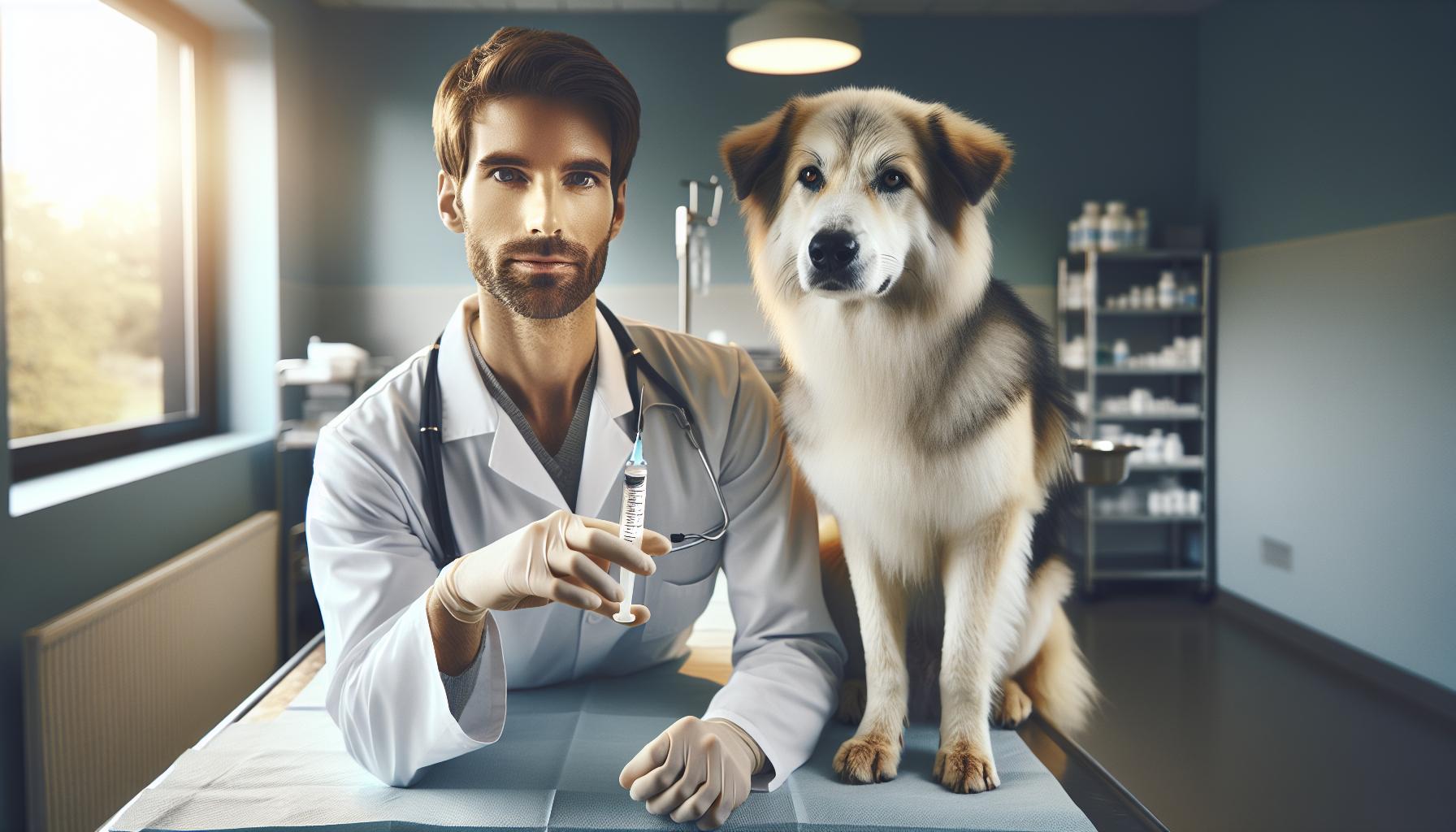
Understanding Dog Mange: What You Need to Know
Mange is a common skin condition in dogs that can lead to significant discomfort if left untreated. It results from infestations of microscopic mites, which can be a source of stress for both the pet and its owner. Understanding mange is crucial not only for effective treatment but also for preventing its recurrence. There are two primary types of mange: sarcoptic mange, caused by Sarcoptes scabiei mites, and demodectic mange, caused by Demodex mites. Sarcoptic mange is highly contagious and can spread between dogs and even to humans, while demodectic mange is typically related to a dog’s immune response and is not contagious.
Recognizing the symptoms of mange is the first step toward treatment. Affected dogs often experience severe itching, leading to excessive scratching, biting, and hair loss, typically starting at the ears, elbows, and abdomen. In more severe cases, the skin may become inflamed, red, and even bleed, resulting in secondary infections. Owners may notice that their dog is uncomfortable, shy, or withdrawn due to the physical and emotional toll of this condition.
The treatment of choice for many veterinarians is Ivermectin, which has been proven effective in managing mange cases. This antiparasitic medication works by targeting the nervous system of the mites, reducing their population and alleviating the dog’s symptoms. Administering Ivermectin must be done with caution, as the proper dosage is critical to ensure efficacy while minimizing the risk of side effects. Supporting your dog’s recovery may also involve maintaining good hygiene, keeping their environment clean, and possibly incorporating home remedies that can enhance the healing process.
Being proactive about your dog’s health can help mitigate future mange outbreaks. Regular veterinary check-ups, a healthy diet, and a strong immune system are vital for preventing infestations. If your dog shows symptoms of mange, consultation with a veterinarian is essential for accurate diagnosis and a tailored treatment plan, paving the way for a smoother recovery.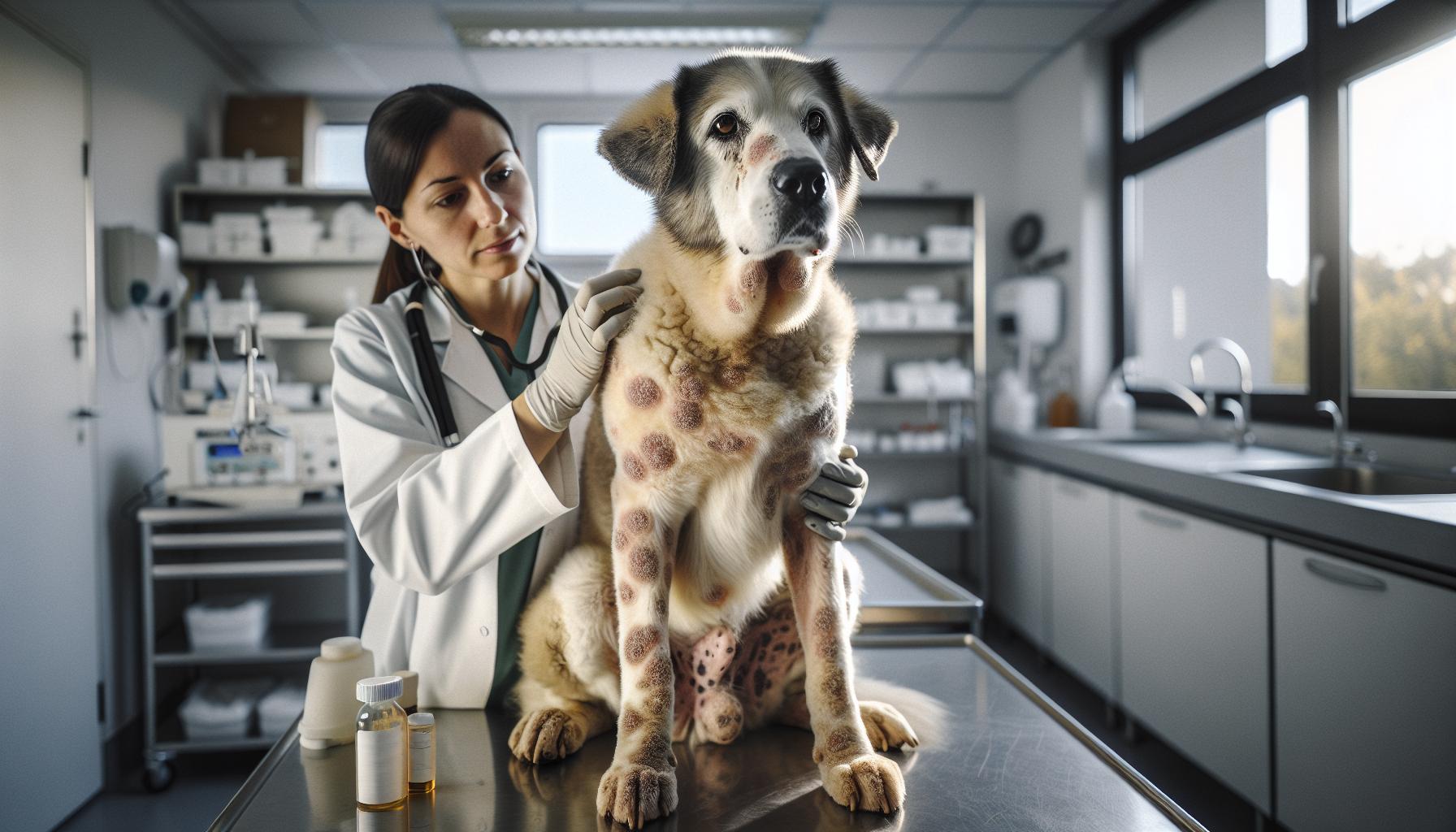
Types of Mange in Dogs and Their Symptoms
Dogs, like humans, can suffer from a range of skin conditions, but one of the most troublesome is mange, primarily caused by parasitic mites. Understanding the different types of mange and their symptoms is critical for early intervention and effective treatment. Two primary types of mange that every dog owner should be aware of are sarcoptic mange and demodectic mange, both of which manifest distinct clinical signs.
Sarcoptic mange, also known as scabies, is caused by the Sarcoptes scabiei mite. Characterized by intense itching, this condition leads dogs to scratch, bite, and rub their skin to alleviate discomfort. This relentless scratching can cause open sores, hair loss, and secondary infections due to damaged skin. Affected dogs often show symptoms that start in areas such as the ears, elbows, and belly, eventually spreading to other parts of the body. Because sarcoptic mange is highly contagious, it can easily transfer between dogs and even to humans, emphasizing the need for quick diagnosis and treatment.
On the other hand, demodectic mange, caused by Demodex mites, is typically influenced by a dog’s immune response rather than being contagious. Commonly seen in puppies and dogs with compromised immune systems, this condition can be localized or generalized. Localized demodicosis presents with small patches of hair loss, often around the face and eyes, while generalized demodicosis involves widespread hair loss and inflammation. Although it is less itchy than sarcoptic mange, the affected dog’s skin may become red, inflamed, and prone to bacterial infections. Owners should closely monitor any skin changes in their dogs, regardless of the type of mange, as timely intervention is crucial for effective management and recovery.
Recognizing these symptoms early on can make a significant difference in your dog’s recovery journey. Regular grooming and skin checks can help detect the problem before it escalates, allowing for swift veterinary consultation. In combination with treatments like Ivermectin, which targets the parasitic mites effectively, understanding the type of mange afflicting your dog aids in selecting the most appropriate treatment plan.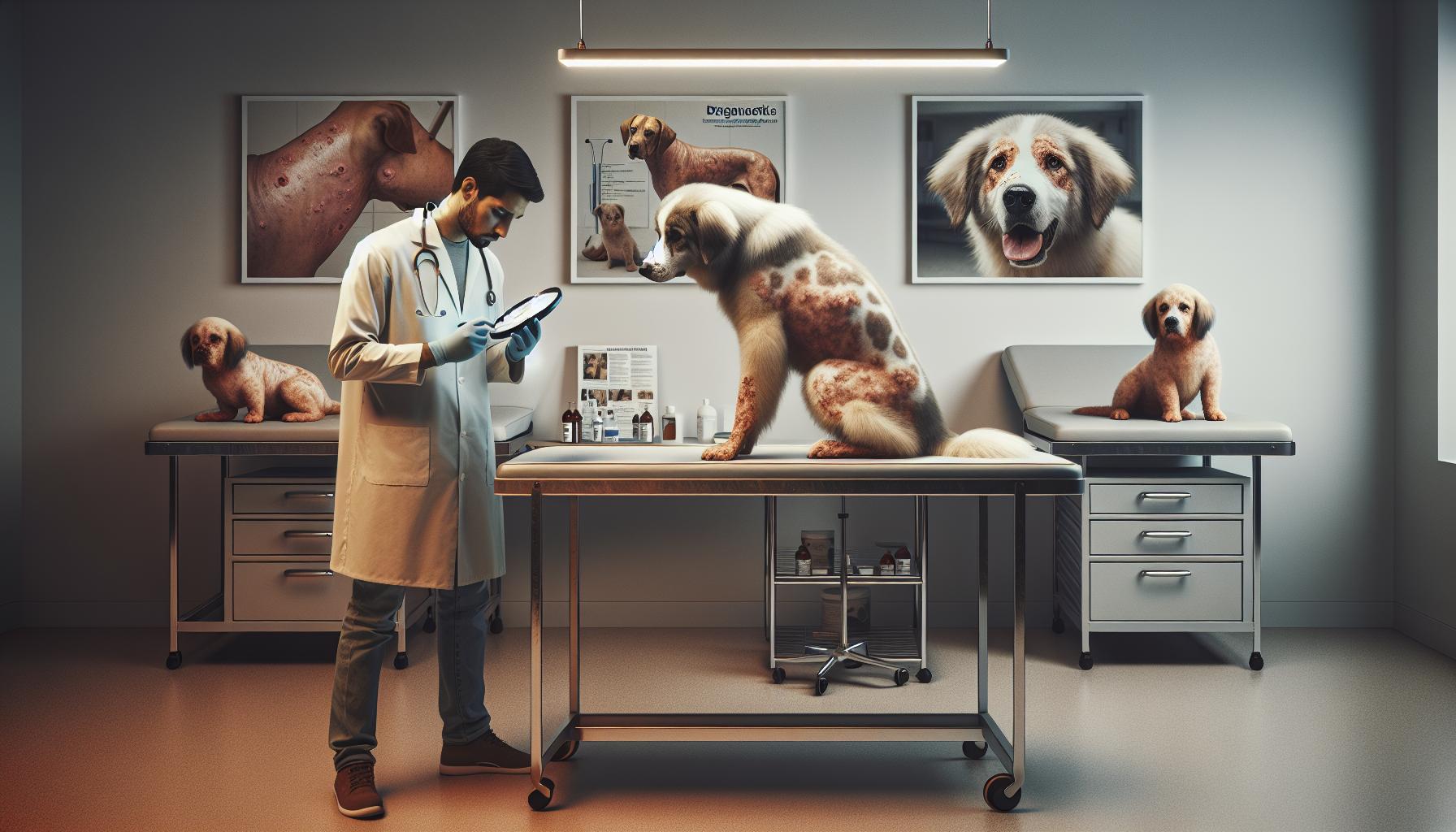
How Ivermectin Works Against Dog Mange
Ivermectin has gained recognition as an effective treatment option for dog mange, particularly for conditions caused by the Sarcoptes scabiei and Demodex mites. This antiparasitic medication works by interfering with the nerve and muscle functions of the parasites, leading to paralysis and death of the mites responsible for causing mange. The science behind Ivermectin’s action lies in its ability to bind to specific channels in the parasites’ nervous systems, enhancing the release of inhibitory neurotransmitters, which ultimately disrupts their ability to function and reproduce.
The treatment protocol for Ivermectin typically involves administering it as an oral tablet or injectable solution, with the dosage tailored specifically to the dog’s weight and the severity of the infestation. In cases of sarcoptic mange, where a swift response is crucial due to its contagious nature, Ivermectin can begin to show results within a few days. In contrast, treatment for demodectic mange may require a longer duration of therapy, often spanning several weeks, to fully eliminate the mite population. During this time, regular monitoring is essential to assess the dog’s response to treatment and make any necessary adjustments.
While Ivermectin is generally safe for dogs, certain considerations must be taken into account. Breeds such as Collies and other herding dogs are known to have a genetic sensitivity to Ivermectin, which can result in adverse effects. Therefore, it’s vital for pet owners to consult with a veterinarian before starting treatment, ensuring that their dog is an appropriate candidate for this medication. Additionally, combining Ivermectin with supportive care-such as proper grooming to remove crusts and debris from the skin-can enhance the effectiveness of the treatment and promote quicker recovery.
Ultimately, understanding empowers owners to make informed decisions about their dogs’ health. As with any medication, a thoughtful and monitored approach helps ensure the best possible outcomes for our furry companions, alleviating discomfort and paving the way for restored skin health.
Proper Dosage of Ivermectin for Dogs
Determining the appropriate dosage of Ivermectin for treating dog mange is critical to ensuring both effectiveness and safety. The dosage often depends on the dog’s weight, the severity of the infestation, and the type of mange being treated. Generally, the typical starting dosage for Ivermectin in dogs is approximately 0.1 to 0.2 mg per kg of body weight, administered orally once a day or every other day, depending on the veterinarian’s guidance. For some cases, particularly with sarcoptic mange, a higher dosage might be required temporarily until improvement is noted.
It’s essential to weigh your dog accurately and consult with a veterinarian before administering Ivermectin. Some breeds, especially those genetically predisposed-like Collies and related herding breeds-are particularly sensitive and can experience severe adverse reactions. To avoid these risks, veterinarians sometimes recommend genetic testing prior to treatment to determine any sensitivities to Ivermectin.
For effective management of mange, the treatment protocol may also involve repeated dosing, usually every 7 to 14 days, until symptoms improve or resolution is achieved. However, it’s important to monitor your dog’s response throughout the treatment period. Adjustments may be necessary based on how well your pet is handling the medication and the progress observed in their condition. Regular follow-ups with your veterinarian can help assess the treatment’s effectiveness and manage any potential side effects.
Remember, accurate dosing coupled with vigilant monitoring not only increases the chances of a successful treatment but also promotes your pet’s overall health and comfort during recovery.
Step-by-Step Guide: Administering Ivermectin Safely
Administering Ivermectin to treat dog mange can be a straightforward process if approached with care and diligence. This medication has proven effective in tackling various parasitic infections, but understanding how to deliver it safely is crucial for both your pet’s health and treatment success. To ensure a smooth experience, follow these detailed guidelines.
Preparing for Administration
Before giving Ivermectin to your dog, it’s essential to gather all necessary supplies. This includes the Ivermectin medication (prescribed by your veterinarian), a syringe or measuring spoon to ensure accurate dosing, and treats to reward your dog and make the process more enjoyable. Keep the following in mind:
- Consultation: Always start with a consultation from your veterinarian, who can provide specific dosage instructions based on your dog’s weight and condition.
- Weighing Your Dog: Accurately weigh your dog before administering the medication, as the dosage typically ranges from 0.1 to 0.2 mg per kg of body weight.
- Check Health Conditions: Inform your vet about any existing health conditions that might affect the treatment, particularly for breeds sensitive to Ivermectin.
Administering Ivermectin
With the preparation complete, it’s time to administer the medication. Here’s a step-by-step approach:
- Measure the Dose: Using the syringe or measuring spoon, draw up the correct dosage of Ivermectin. Precision is key to avoid overdosing or underdosing.
- Positioning Your Dog: Calmly restrain your dog in a comfortable position. You may choose to have them sit or lie down, ensuring they feel secure.
- Administer the Medication: Place the syringe gently into your dog’s mouth, aiming for the back of the throat to facilitate swallowing. If using a liquid, you can also mix it with a small amount of food if your vet approves.
- Reward and Observe: After administering the medication, reward your dog with a treat and some praise to create a positive experience. Monitor your dog for the next few hours for any unusual reactions.
Post-Administration Care
Following the treatment, focus on monitoring your dog for any side effects, which may include lethargy or gastrointestinal upset. Maintain consistent follow-ups with your veterinarian to assess your dog’s recovery and adjust dosing if necessary. Regular check-ups are essential to ensure that the mange is being effectively managed and to sidestep potential complications.
By following these detailed steps, you can confidently administer Ivermectin to your dog, enhancing their chances of a successful recovery from mange while reinforcing a trusting relationship between you and your furry companion.
Home Remedies to Complement Ivermectin Treatment
Incorporating natural remedies alongside Ivermectin treatment can provide a holistic approach to managing your dog’s mange, enhancing overall skin health and comfort. Many dog owners are turning to home remedies to alleviate itching and promote healing, creating a supportive environment for recovery. From soothing baths to dietary adjustments, these remedies can complement the effects of Ivermectin while ensuring your furry friend feels more comfortable throughout the healing process.
One effective home remedy is an oatmeal bath, which can help soothe irritated skin. Simply grind plain oats into a fine powder and mix it into warm water, creating a therapeutic soak for your dog. Let your pet soak for about 10 to 15 minutes, as this can help relieve itching and inflammation. Additionally, adding a few drops of essential oils, such as lavender or tea tree oil (in highly diluted forms), can further enhance the soothing effects. However, always consult your veterinarian before using essential oils to ensure they are safe for your dog’s breed and condition.
Proper nutrition also plays a critical role in healing. Consider adding omega-3 fatty acids, found in fish oil or flaxseed oil, to your dog’s diet. These fatty acids can enhance skin health and reduce inflammation, promoting faster recovery from mange. Be sure to consult your veterinarian for specific dietary recommendations based on your dog’s particular needs and the severity of their condition.
Another beneficial practice is maintaining a clean living environment. Regularly wash your dog’s bedding and vacuum your home to minimize the presence of mites and other allergens. This helps create an optimal recovery space and ensures that your dog’s skin remains as healthy as possible while undergoing treatment. By combining these home remedies with the prescribed Ivermectin treatment, you can foster a more effective recovery process for your beloved pet.
Potential Side Effects of Ivermectin in Dogs
Ivermectin has proven to be an effective treatment for dog mange, but like any medication, it is important to be aware of potential side effects that may arise during its use. Understanding these side effects not only helps ensure the safety and well-being of your pet but also prepares you for monitoring any adverse reactions should they occur.
Common side effects of Ivermectin in dogs can include gastrointestinal upset, such as vomiting or diarrhea, which may occur as the dog’s system adjusts to the medication. While these symptoms are often mild and short-lived, more severe reactions can happen, particularly in certain breeds sensitive to Ivermectin, such as Collies and other herding breeds. These dogs may experience neurological symptoms, including tremors, lethargy, and in severe cases, seizures.
Monitoring for Side Effects
It’s crucial to observe your dog closely after administering Ivermectin. Establish a routine check-in period where you monitor for unusual behaviors or symptoms. If your dog shows any of the following signs, it’s important to contact your veterinarian immediately:
- Severe lethargy or weakness
- Loss of coordination or trouble walking
- Uncontrollable shaking or tremors
- Excessive salivation or drooling
- Changes in vision
Your veterinarian may adjust the dosage or suggest an alternative treatment plan if your dog experiences significant side effects. Always adhere to prescribed dosages and do not administer Ivermectin meant for other animals, as dosages can vary widely, leading to potential overdoses.
In conclusion, while Ivermectin is generally safe and effective for treating mange, awareness of its potential side effects can help you take proactive steps to ensure your dog’s health during treatment. Be vigilant, and always consult with your veterinarian whenever you have concerns regarding your dog’s health and medication safety.
How to Monitor Your Dog’s Recovery from Mange
Monitoring your dog’s recovery from mange is a critical aspect of ensuring their health and well-being during treatment with ivermectin. After starting the medication, it’s essential to maintain a close watch on your dog’s condition to recognize any progress or potential complications. A good initial practice is to establish a daily routine that includes visual checks and direct interactions. These interactions not only help bond you with your pet but also allow you to gauge their mood and general condition.
While observing your dog, pay attention to signs of improvement in their coat and skin. This can manifest as reduced itching, less hair loss, and the healing of inflamed areas. Regularly check for new symptoms or changes in behavior that could indicate a reaction to the medication or a change in their condition. Your dog should show increasing energy levels and a desire to engage in play or normal activities, which are good indicators that they are feeling better.
It’s also important to document any changes you notice. Keeping a simple log of your dog’s symptoms, behavioral changes, and any side effects can be invaluable during follow-up visits with your veterinarian. This allows you to provide a clear history of your pet’s condition, which helps your vet make informed decisions about the ongoing treatment plan. If your dog shows any alarming signs such as excessive drooling, persistent vomiting, or any neurological symptoms, contact your veterinarian promptly to discuss whether dosage adjustments are necessary or if an alternative treatment may be more suitable.
Of course, recovery takes time, and it’s important to remain patient. Generally, significant signs of improvement may be seen within several days to a week; however, complete recovery can take longer depending on the severity of the mange and the individual dog’s health status. Following your vet’s guidance on follow-up appointments can help ensure that your dog continues on a positive path to recovery. By staying vigilant and proactive, you can help facilitate a smoother healing process for your furry friend.
Alternative Treatments to Consider for Dog Mange
Exploring additional treatments for dog mange can provide a comprehensive approach to managing this troubling skin condition. While ivermectin is a proven method for treating mange, incorporating alternative therapies may enhance recovery and alleviate symptoms. It’s important to remember that each dog’s situation is unique, meaning that what works for one may not be as effective for another.
Natural Remedies
Many pet owners look to natural remedies as a complement to traditional treatments. Some popular options include:
- Aloe Vera: Known for its soothing properties, aloe vera can help heal irritated skin and reduce inflammation.
- Oatmeal Baths: Colloidal oatmeal can soothe itching and irritations, providing relief to a dog’s inflamed skin.
- Coconut Oil: This oil not only moisturizes but also has antibacterial and antifungal properties, which can support skin health.
These remedies can be applied directly to the skin or used in bathing routines, providing a gentler treatment option that may enhance the effects of ivermectin.
Essential Oils
Certain essential oils, such as tea tree oil and lavender, are also explored for their potential benefits in managing mange. However, caution is essential; not all essential oils are safe for dogs. Dilution is crucial, and consulting with a veterinarian before use is recommended to avoid adverse reactions.
Over-the-Counter Options
Another avenue to consider is the use of over-the-counter (OTC) topical treatments specifically designed for skin conditions. Products containing ingredients like hydrocortisone can reduce inflammation and itching, while medicated shampoos may help in removing scabs and dead skin, promoting a healthier coat.
Behavioral and Environmental Adjustments
Finally, addressing the dog’s environment can also play a crucial role in recovery. Regularly cleaning bedding, vacuuming living spaces, and ensuring a stress-free environment can limit the reinfestation of mange mites. Additionally, providing your dog with a balanced diet rich in omega fatty acids can support skin health from the inside out.
By utilizing these alternative therapies and maintaining a comprehensive treatment plan under veterinary guidance, you can foster a supportive healing environment for your dog and enhance their recovery from mange.
Preventive Measures to Avoid Future Mange Outbreaks
To ensure your dog remains healthy and free from the discomfort of mange, it is essential to adopt preventive measures that can significantly lower the risk of future outbreaks. Understanding how mange spreads and how to maintain your dog’s environment is crucial in this process. Regularly grooming your dog not only helps to spot any signs of infestation early but also promotes skin health. Using a fine-toothed comb can help remove debris, dirt, and dead skin cells where mites might thrive.
One key strategy in prevention is maintaining a clean living environment. Regularly washing your dog’s bedding in hot water, vacuuming carpets and areas where your dog spends time, and sanitizing toys can help reduce the presence of mange mites. For pet owners with multiple animals, it’s especially important to separate dogs exhibiting signs of mange until they are treated. This prevents cross-contamination and helps halt the spread of mites in your household.
Additionally, bolstering your dog’s immune system can provide added protection against mange. A well-balanced diet rich in omega-3 and omega-6 fatty acids can support skin health and resilience against parasites. Consider incorporating supplements advised by your veterinarian or offering food that is specifically formulated for skin health. Regular veterinary check-ups are also vital; your vet can provide proper skin assessments and suggest preventative treatments that may be suitable based on your dog’s individual health needs.
Finally, it’s important to be observant of any changes in your dog’s behavior or skin condition. Early intervention can prevent a minor issue from escalating into a serious problem. If you notice excessive scratching, hair loss, or any unusual skin lesions, consult your veterinarian immediately. By taking these proactive measures, you can create a healthier environment that minimizes the risk of mange and supports your dog’s overall well-being.
When to Consult Your Veterinarian About Mange
Recognizing the signs of mange is crucial to your dog’s health, but knowing when to involve a veterinarian can make all the difference in their recovery journey. Mange, primarily caused by mites, can escalate quickly if left untreated. If you notice any persistent symptoms such as severe itching, hair loss, red or inflamed skin, or the development of sores or scabs, it’s essential to consult your vet promptly. Early intervention not only alleviates your pet’s discomfort but can prevent the spread of infestation, especially if you have other pets at home.
Veterinarians are equipped to accurately diagnose the type of mange affecting your dog, as signs can vary between Sarcoptic mange, which is highly contagious, and Demodectic mange, often less severe but indicative of an underlying health issue. A diagnosis is typically confirmed through skin scrapings or other diagnostic tests, which can rule out other skin issues such as allergies or infections. If mites are detected, your vet will also guide you on the most effective treatment method, which may include Ivermectin, and ensure that your dog receives the proper dosage tailored to their weight and health condition.
It’s also important to seek veterinary help if your dog is not responding to treatment. A lack of improvement after a reasonable timeframe could indicate that the dosage is ineffective, or there may be a secondary infection that requires additional intervention. Furthermore, some dogs may experience side effects from Ivermectin, and monitoring your pet for unusual reactions or changes in behavior is crucial. If your dog shows signs of lethargy, vomiting, or changes in appetite post-treatment, immediate veterinary attention is necessary.
Lastly, consider consulting your veterinarian before initiating any treatment protocol for mange, especially if your dog is older, pregnant, or has pre-existing health conditions. These factors can influence the choice of treatment and the safety of certain medications, including Ivermectin. Keeping open communication with your veterinarian throughout your pet’s treatment not only fosters a cooperative relationship but also ensures that your furry companion receives the best possible care.
Success Stories: Real Experiences with Ivermectin Treatment
When it comes to combating the distressing effects of mange in dogs, many pet owners have turned to Ivermectin and shared remarkable success stories that highlight the effectiveness of this treatment. One touching example comes from a family who adopted a rescue dog named Max, who was severely infested with Sarcoptic mange. His skin was red and inflamed, and he suffered from relentless itching. After a vet visit confirmed the diagnosis, they initiated an Ivermectin treatment plan tailored to Max’s weight and condition. Within weeks, the family noticed dramatic improvements. Max’s coat began to regrow, and he became a much happier, playful dog. This transformation reinforced the importance of proper diagnosis and timely intervention.
Another inspiring story is from a veterinarian who treated a litter of puppies suffering from Demodectic mange. The owner was initially hesitant to use medications due to concerns about side effects, but after explaining how Ivermectin works and the careful monitoring involved, she agreed. The veterinarian administered the treatment with regular follow-ups, and it was not long before the puppies showed significant healing. Their skin cleared up, and the initial itching subsided. The owner was overjoyed, stating that Ivermectin not only saved the puppies from discomfort but also allowed them to grow into healthy, playful companions.
What’s particularly noteworthy in these experiences is the essential theme of community support. Many pet owners experiencing similar challenges found solace in sharing their journeys via social media groups dedicated to pet care. These platforms have become invaluable resources where individuals discuss their trials, successes, and the effectiveness of Ivermectin. Such stories not only provide hope but also foster a deeper understanding of how critical early detection and effective treatment are in managing mange.
As we learn from these personal accounts, treating mange with Ivermectin can yield impressive results when approached correctly. Each story serves as a reminder of the resilience of our pets and the transformative power of love and care, encouraging others facing similar challenges to seek veterinary guidance and consider Ivermectin as a viable treatment option.
Frequently Asked Questions
Q: What are the signs that my dog has mange?
A: Signs of mange in dogs include excessive scratching, hair loss, redness, and inflammation of the skin, as well as scabs or sores. You may also notice a foul odor or changes in your dog’s behavior, such as increased irritability due to discomfort. Observing these symptoms early can lead to more effective treatment.
Q: How long does it take for Ivermectin to work on mange?
A: Ivermectin typically begins to take effect within a week, but noticeable improvement in your dog’s condition may take longer, often up to several weeks. Consistent administration and monitoring are key; always follow your veterinarian’s guidance for the best results.
Q: Can I buy Ivermectin for dogs over the counter?
A: Ivermectin is often available by prescription in many regions due to potential side effects and the need for proper dosage. It is important to consult your veterinarian to ensure safe and effective treatment tailored to your dog’s specific condition.
Q: What happens if I give my dog too much Ivermectin?
A: Overdosing Ivermectin can lead to severe side effects, such as vomiting, diarrhea, tremors, or even seizures. Always adhere to the recommended dosage and schedule, and consult your veterinarian immediately if you suspect an overdose.
Q: Are there any breeds that should not be given Ivermectin?
A: Certain breeds, particularly herding breeds like Collies, are sensitive to Ivermectin and may experience adverse reactions. Discuss your dog’s breed and health history with your veterinarian to determine the safest treatment options.
Q: Can I use Ivermectin for all types of mange in dogs?
A: Ivermectin is effective for some types of mange, particularly sarcoptic mange, but may not be suitable for all cases. Consult your veterinarian for a proper diagnosis and treatment plan tailored to your dog’s specific type of mange.
Q: What home remedies can support Ivermectin treatment for mange?
A: Home remedies such as oatmeal baths can soothe irritated skin, while regular cleaning of living spaces can help reduce mite populations. Discuss these options with your vet for a complementary approach to Ivermectin treatment.
Q: How can I best support my dog’s recovery from mange while using Ivermectin?
A: Ensure your dog has a healthy diet, stays clean, and is kept in a stress-free environment during recovery. Regular monitoring for signs of improvement or complications can facilitate timely veterinary responses, ensuring an effective treatment course.
For further information on managing dog mange effectively, consider exploring our detailed sections on monitoring recovery and preventive measures against future outbreaks.
Insights and Conclusions
Now that you know how to treat dog mange with ivermectin effectively, it’s crucial to act quickly to ensure your furry friend’s well-being. Remember, early intervention is key to alleviating discomfort and preventing further complications. If you have any lingering questions about ivermectin’s use, or if you’re considering a more targeted approach, don’t hesitate to check out our related guides on managing canines’ skin health and alternative treatments that might suit your pet’s needs.
For expert advice and tips to support your dog’s health, explore our resources on dog nutrition and grooming practices. Sign up for our newsletter to stay updated with the latest insights and join our community of dedicated pet owners. Your dog’s health is important-we’re here to help every step of the way. Let’s ensure your pet enjoys a happy, healthy life together.
Get our latest guides, news, and insights highlighted in your Google Search & AI Overviews.