Skip to content
  • Home
  • Administration
    • Creams and Lotions
    • Pills and Tablets
    • Pour-on and Injection
  • Country Regulations
  • Human Uses
    • Availability and Cost
    • Conditions Treated
    • Dosage and Safety
    • Prescription and Approval
    • Side Effects and Interactions
  • Ivermectin for Parasites
    • Animal Parasite Control
    • Human Treatments
    • Parasite Cleanse Protocols
    • Resistance and Effectiveness
  • Research
    • Arthritis and Autoimmune
    • Common Myths
    • Ivermectin Comparisons
    • Latest Studies
    • Liver and Metabolism
    • Mechanism of Action
    • Neurological Conditions
    • Nobel Prize and Recognition
  • Skin and Hair
    • Creams, Lotions and Shampoos
    • Mange and Mites
    • Other Skin Conditions
    • Rosacea and Acne
    • Scabies and Lice
  • Veterinary
    • Animal Side Effects
    • Cats
    • Dogs
    • Dosage and Safety for Animals
    • Horses and Livestock
  • About
Contact

Category: Dosage and Safety

Dosage and Safety synthesizes the mathematical posology, therapeutic concentration windows, weight-titrated formulas, and toxicological thresholds governing safe avermectin administration.

Foundational Pillars
Pharmacological Framework
Clinical Directory
Frequently Asked Questions

Foundational Clinical Pillars

Core Reference

The Longevity of Ivermectin: A Detailed Chronicle of Clinical Use Across Five Decades

Comprehensive chemical composition, delivery vehicle mechanics, and paste formulation metrics.

Review Full Guide →

Clinical Benchmark

How Long Has Ivermectin Been Around? A 50-Year History from 1974 to the Present

Metabolic interaction analysis with concurrent xenobiotics, ethanol, and CYP450 inhibitors.

Review Full Guide →

Safety Standard

Where Did Ivermectin Come From? The Discovery of Streptomyces avermitilis and Satoshi Ōmura

Clinical evaluation of continuous daily administration, half-life accumulation, and toxicity risks.

Review Full Guide →

Mathematical Posology, Volume Conversions & Pharmacological Windows

Accurate posology calculation is the cornerstone of safe antiparasitic therapy. Because ivermectin is dosed in micrograms (mcg) per kilogram (kg) rather than milligrams (mg), mathematical precision is critical. One milligram equals 1,000 micrograms; a mathematical conversion error of a single decimal place represents a ten-fold overdose that can easily prove fatal in sensitive companion animals.

In clinical practice, veterinarians calculate volume requirements based on concentration density: Volume (mL) = [Patient Weight (kg) × Target Dose (mcg/kg)] ÷ [Formulation Concentration (mcg/mL)]. When commercial livestock formulations (such as 1% Ivomec, containing 10,000 mcg/mL) are inappropriately utilized for small dogs, administering 0.1 mL delivers 1,000 mcg—an excessive dose for a 5-kilogram patient requiring a 30 mcg preventive dose.

Indication TierWeight-Titrated DosageFrequency & Cumulative Risk Window
Heartworm Prophylaxis6 mcg/kgAdministered every 30 days; minimal accumulation risk
Microfilaricide (Post-Adulticide)50 mcg/kgSingle supervised dose; monitor for microfilarial die-off
Sarcoptic Acariasis200 – 400 mcg/kgGiven every 14 days for 2 to 3 doses; low accumulation
Demodectic Acariasis300 – 600 mcg/kgDaily administration; high cumulative monitoring required

Repeated daily dosing, as required for demodectic acariasis, results in systemic drug accumulation due to the lipophilic terminal elimination half-life of 24 to 72 hours. Animals receiving continuous therapeutic regimens must be monitored continuously for sub-clinical signs of cumulative toxicosis, including subtle mydriasis and diminished menace responses.

Topic Directory & Methodologies

Dosing Calculations & Concentration Math

  • Ivermectin Horse Paste: Formulation, Dosing Protocols, and Equine Parasite Management
  • Is Ivermectin a Steroid? Classification & Mechanism Explained
  • Do Doctors Prescribe Ivermectin? Current Facts
  • Ivermectin For Snake Venom: Clinical Application Guide

Toxic Thresholds & Metabolic Monitoring

  • Does Ivermectin Kill Ringworm? Fungal Treatment Success Rate
  • Was Ivermectin Originally Developed for Humans?
  • El Salvador Ivermectin Kit: Regional Access & Sourcing
  • Does Ivermectin Kill Ear Mites In Cats? Pet Care

Advanced Formulations & Protocols

  • Can You Drink Alcohol with Ivermectin? Guide
  • What Is Ivermectin Paste? Complete Details
  • Does Ivermectin Make You Sleepy? Sleep & Side Effects
  • Ivermectin Doxycycline And Zinc Kit: Triple Therapy

Frequently Asked Clinical Questions

How do I calculate the correct ivermectin dose for my dog?

Dosing must be calculated exclusively by a licensed veterinarian based on exact weight, clinical indication, and genetic ABCB1 status. Never attempt self-calculation using agricultural preparations.

What is the difference between micrograms and milligrams?

One milligram (mg) equals 1,000 micrograms (mcg). Heartworm prevention requires microgram amounts (e.g., 68 mcg for a 25-lb dog), while high-dose mange therapy uses milligram fractions.

What happens if a dog receives an ivermectin overdose?

Overdose triggers neurotoxicity: dilated pupils, blindness, wobbly gait (ataxia), drooling, tremors, seizures, and respiratory arrest, requiring emergency intravenous lipid emulsion therapy.

Notice & Clinical Safe Harbor: This educational reference is maintained by the Veterinary Parasitology & Pharmacology Standards Desk for academic, informational, and clinical research purposes. Data models published veterinary pharmacology literature, statutory veterinary monographs, and established anthelmintic posology standards. This portal does not provide certified individual veterinary medical diagnosis, prescription services, or personalized treatment regimens. For clinical diagnoses, suspected parasitic toxicosis, and individualized dosing protocols, always consult an actively licensed veterinary practitioner in your jurisdiction.

Should You Take Ivermectin with Food? Answer
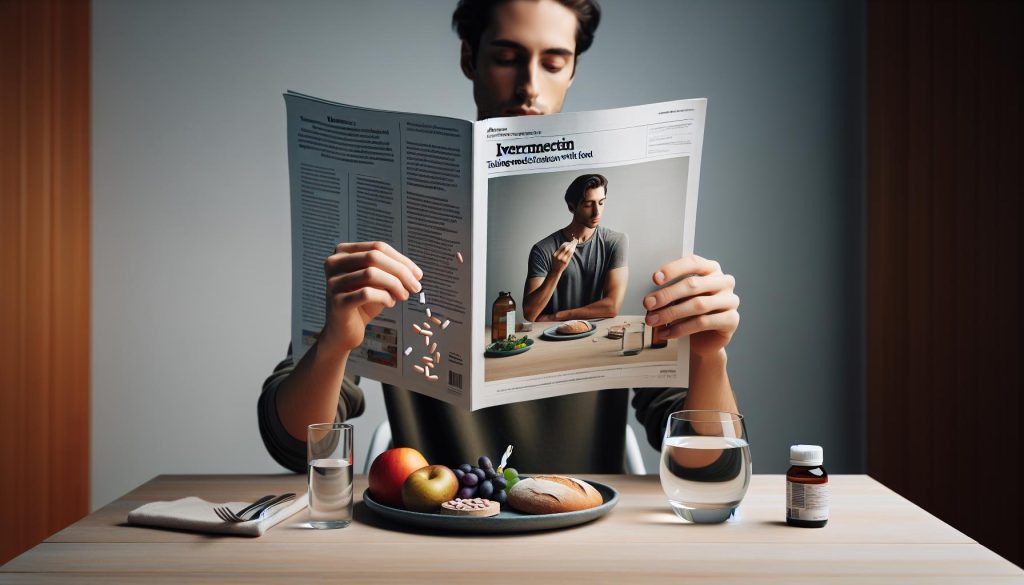
Should You Take Ivermectin with Food? Answer

Should you take Ivermectin with food? Discover the truth behind this common question and find out how it affects effectiveness. Get the facts now!

What Is Ivermectin Lotion Used For? Guide

What Is Ivermectin Lotion Used For? Guide

Discover what Ivermectin lotion is used for-its surprising benefits and applications. Learn how it can help with skin conditions today!

Can I Take Ivermectin With Antibiotics? Safety

Can I Take Ivermectin With Antibiotics? Safety

Discover the safety of combining Ivermectin with antibiotics. Learn essential insights to protect your health-find out what you need to know today!

What Is Ivermectin Used for in Horses? Guide

What Is Ivermectin Used for in Horses? Guide

Discover what ivermectin is used for in horses and how it can ensure their health and wellbeing. Learn essential insights and tips to keep your equine friends thriving!

How to Use Ivermectin Pour-on for Humans Guide

Unlock the secrets of using Ivermectin Pour-on for humans! Discover effective methods, dosing tips, and crucial safety guidelines to transform your health today.

What To Avoid When Taking Ivermectin? Important

What To Avoid When Taking Ivermectin? Important

Avoid dangerous pitfalls when taking Ivermectin! Discover essential tips to ensure safe use and protect your health. Don’t miss these crucial insights!

Ivermectin Tablets: Effective Treatment Options Reviewed

Ivermectin Tablets: Effective Treatment Options Reviewed

Discover effective Ivermectin tablets as powerful treatment options for various ailments. Learn now how they can improve your health! Don’t miss out!

Do You Take Ivermectin With Food? Instructions

Do You Take Ivermectin With Food? Instructions

Discover if you should take ivermectin with food! Get clear instructions and crucial insights for optimal use and effectiveness. Don’t miss essential guidance!

Parapurge Ivermectin: Parasite Cleansing Protocol Detailed

Parapurge Ivermectin: Parasite Cleansing Protocol Detailed

Discover the powerful “Parapurge Ivermectin” protocol for effective parasite cleansing. Learn how to reclaim your health and find relief today!

Is It Safe to Take Ivermectin? Full Answer

Is It Safe to Take Ivermectin? Full Answer

Discover the truth: Is it safe to take Ivermectin? Learn the benefits, risks, and expert insights to make informed health choices. Click for answers!

← Previous
Next →
  • Homepage
  • Ivermectin Guides, Research & News
  • A Comprehensive Guide for Pet Owners
  • About ivermectinfordogs.org
  • Ivermectin FAQ
  • Contact ivermectinfordogs.org
  • Privacy Policy
  • Homepage
  • Ivermectin Guides, Research & News
  • A Comprehensive Guide for Pet Owners
  • About ivermectinfordogs.org
  • Ivermectin FAQ
  • Contact ivermectinfordogs.org
  • Privacy Policy
Facebook X-twitter Instagram

Disclaimer: For education only — not veterinary or medical advice. Always speak to a licensed vet or doctor about ivermectin or any treatment decisions. Using this site is at your own risk; no professional relationship is created.

© 2025 Ivermectin for Dogs. All rights secured.

AI Editorial Policy