The use of ivermectin, a medication commonly administered to horses for parasitic infections, has sparked significant interest and controversy regarding its safety for humans. With a skyrocketing popularity during recent health crises, many are left wondering: can this veterinary drug be safely used by people? Understanding the facts is crucial, as misinformation can lead to serious health risks. As you explore this topic, you’ll uncover critical insights into the differences in formulations, dosages, and the potential consequences of using medications intended for animals. Join us as we delve into the truth behind ivermectin’s safety for humans, ensuring you have the information you need to make informed decisions about your health.
Is Ivermectin Safe for Humans? Exploring the Truth
The safety of ivermectin for human use has been a subject of intense debate, particularly due to its promotion during the COVID-19 pandemic. Originally developed as an antiparasitic medication for humans and later used extensively in veterinary medicine, ivermectin has been shown to be effective against various parasitic infections, including onchocerciasis and lymphatic filariasis. According to established medical guidelines, when used at appropriate dosages and for approved indications, ivermectin is considered safe for humans.
However, the emergence of ivermectin as a treatment option for COVID-19 led to widespread misuse and self-medication, particularly with formulations intended for animals. This raises significant safety concerns. Veterinary formulations often contain higher concentrations of the drug, and their delivery methods differ from those approved for human use. Human use of veterinary ivermectin can result in severe side effects, including toxicity and overdose. Reports of adverse effects have surfaced, ranging from gastrointestinal issues to more severe neurological symptoms. Thus, it is crucial to differentiate between veterinary and human preparations and to consult healthcare professionals regarding the use of ivermectin for any conditions outside its approved therapeutic uses.
The World Health Organization and other health authorities emphasize that self-medication with ivermectin, particularly using products meant for livestock, can pose serious health risks. Thorough research and clinical studies are necessary to validate any unapproved benefits while ensuring that the established safety profile for human-approved ivermectin remains intact. In summary, while ivermectin can be safe for humans when prescribed correctly for specific conditions, misuse or unapproved applications significantly compromise its safety.
The Origins of Ivermectin: A Deep Dive
The journey of ivermectin began in the late 1970s when researchers at the Kitasato Institute in Japan isolated a soil bacterium known as Streptomyces avermitilis. This bacterium produced a compound called avermectin, which displayed notable antiparasitic properties. The significance of this discovery soon attracted the attention of scientists, including Satoshi Ōmura and William Campbell, who would later be awarded the Nobel Prize in Physiology or Medicine in 2015 for their work on ivermectin. This compound was subsequently modified to create ivermectin, which proved to be remarkably effective against a range of parasitic infections affecting both humans and animals.
Initially, ivermectin was approved for human use to treat oncocerciasis, commonly known as river blindness, and lymphatic filariasis, two debilitating diseases prevalent in tropical regions. As its efficacy became apparent, it quickly gained recognition not just as a transformative human medicine but also as a vital tool in veterinary medicine, especially for managing parasitic infections in livestock. This dual use laid the foundation for the widespread availability of ivermectin formulations, leading to significant improvements in public health, especially in endemic areas where parasitic infections were rampant.
However, the rise of ivermectin in veterinary applications created complexities when discussions arose about its safety for human use-particularly in the context of the COVID-19 pandemic. Amidst mounting pressure for alternative treatments, some individuals sought out ivermectin formulated for animals, often ignoring established safety protocols. This crossover raised alarms about dosage confusion and potential toxicity, as veterinary formulations often contain higher concentrations suitable for larger animals, which could result in adverse effects if administered to humans without appropriate medical oversight.
To help mitigate these risks, it is crucial for users to be aware of the origin and formulation differences between human and veterinary ivermectin. Understanding these distinctions can empower individuals to make informed decisions and avoid the significant pitfalls associated with off-label or improper use. As research continues to investigate ivermectin’s broader therapeutic potential, ensuring that historical context and scientific rigor guide the conversation remains paramount for public health safety.
How Ivermectin Works: Mechanism and Uses
Ivermectin, a potent antiparasitic agent, works by targeting the nervous system of parasites, ultimately leading to their paralysis and death. This mechanism is made possible through its interaction with specific chloride channels in nerve and muscle cells of the parasites, particularly affecting the glutamate-gated chloride channels, and, to a lesser degree, the gamma-aminobutyric acid (GABA) receptor channels. This targeted action makes ivermectin highly effective against a broad range of parasites, including those responsible for oncocerciasis (river blindness) and lymphatic filariasis in humans, as well as many internal and external parasites in veterinary contexts such as those affecting horses and livestock.
The uses of ivermectin expand beyond just eliminating parasites; its ability to modulate immune responses and exhibit anti-inflammatory properties has drawn interest for other potential therapeutic applications. For instance, research is ongoing to explore its efficacy against various viral infections and skin conditions, showcasing ivermectin’s versatility as a therapeutic agent. The compound is typically administered orally in humans, while in veterinary medicine, it is often provided in topical or injectable forms, underscoring the importance of adhering to specific dosing guidelines tailored to the species being treated.
When comparing ivermectin for horses and humans, it’s crucial to note the formulation differences that exist between these medicines. Veterinary formulations can have different concentrations and additional substances that might not be safe or effective in human treatment. It’s imperative for individuals considering ivermectin for any use to consult healthcare providers to ensure safety and appropriate dosing. Medication safety guidelines stress the need to avoid self-medication or use of veterinary products in humans due to the risk of toxicity or ineffectiveness resulting from improper dosing.
Ultimately, while ivermectin is a vital tool in both human and veterinary medicine, understanding its mechanisms, appropriate applications, and safety protocols is essential for its effective and responsible use.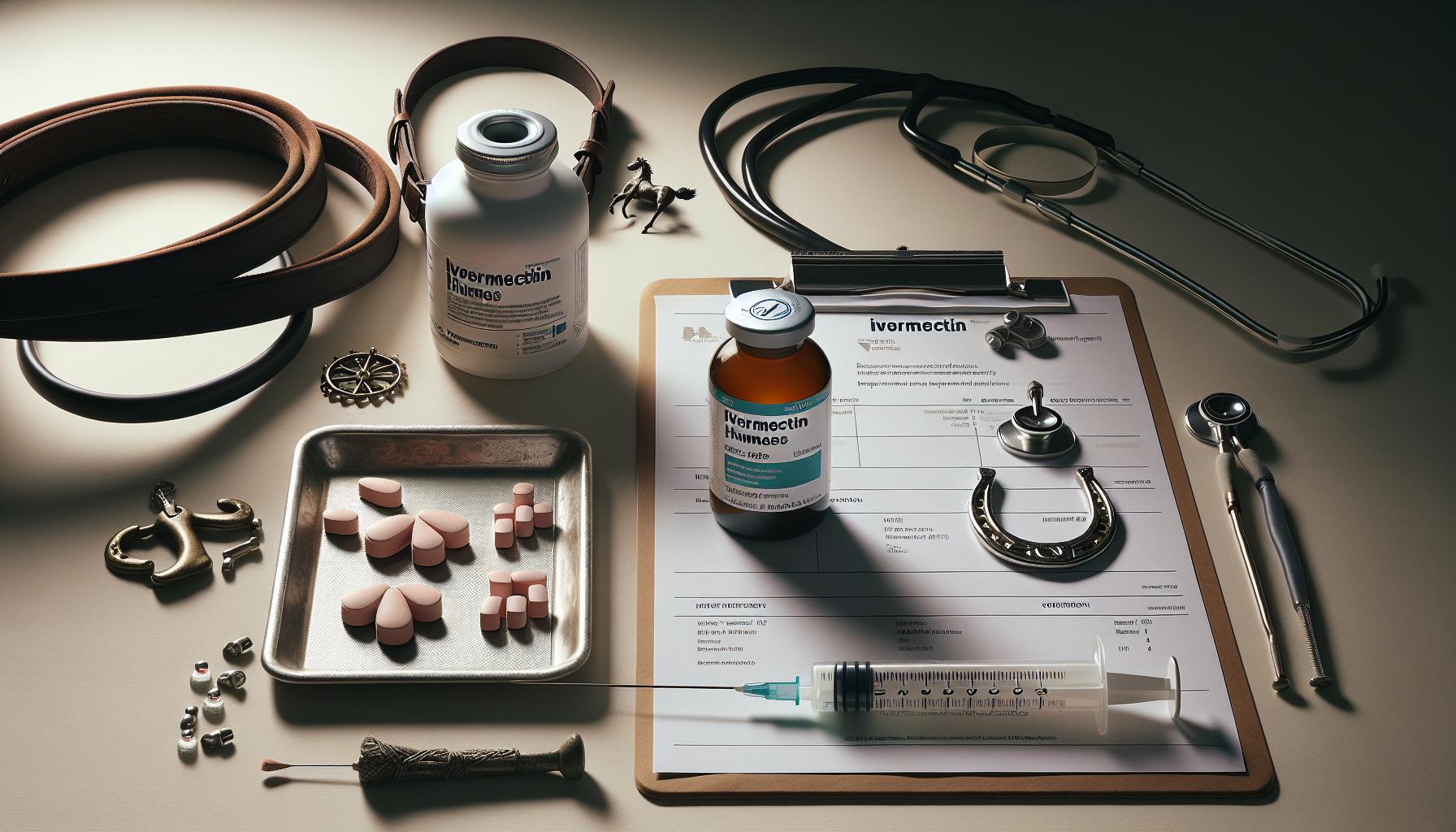
Ivermectin for Horses vs. Humans: Key Differences
Ivermectin, a drug known for its effectiveness against parasites, is formulated differently for horses and humans, leading to critical distinctions in safety and usage. In veterinary medicine, particularly for equines, ivermectin is often administered in specific dosages, methods, and formulations precisely tailored for their physiology. Common forms for horses include pastes, injectables, and pour-on solutions, which can have varying concentrations and additional excipients that may not be suitable or safe for human use. In contrast, human formulations are strictly regulated, with dosages calibrated for adult and pediatric populations to ensure efficacy and minimize adverse effects.
Formulation Differences
One of the most significant differences between ivermectin for horses and humans lies in their formulations. Horse preparations might include components designed to enhance absorption or stability in the equine gut, but these could pose risks if ingested by humans. For example, some veterinary preparations may contain a higher concentration of active ingredients or different additives that can lead to toxicity in people when taken inappropriately. Therefore, using ivermectin designed for animals can result in inadequate treatment, unexpected side effects, or even serious health complications.
Dosage and Administration
Proper dosage is another area where critical differences arise. Horses are much larger animals, typically weighing between 900 and 2,200 pounds, and their dosing requirements reflect this. Ivermectin for equines is calculated based on body weight, often prescribed at approximately 200 micrograms per kilogram, whereas human dosing is significantly lower, generally following the recommended levels of 150 to 200 micrograms per kilogram. This stark contrast emphasizes the dangers of self-medicating with veterinary products, as the risk of overdose looms larger when the formulations and dosing guidelines are misapplied.
Additionally, the administration routes differ markedly between species. While horses might receive ivermectin through injectable or topical applications, humans largely rely on oral formulations. Understanding these distinctions is crucial for anyone considering ivermectin for human use, particularly in the context of self-treatment, where access to veterinary formulations could inadvertently lead to dangerous health outcomes.
Ultimately, while ivermectin is a valuable therapeutic agent in both contexts, navigating its safe and effective use requires a comprehensive understanding of these differences. Directly using horse medications in humans is not only ill-advised but can also overlook the stringent regulatory processes that ensure safety in human pharmaceutical preparations. Consulting with healthcare professionals and adhering to established medical guidelines can prevent potential health risks associated with misusing this powerful antiparasitic.
Understanding Veterinary Drug Formulations and Regulations
The formulation and regulation of veterinary drugs, including ivermectin for horses, hinge on a blend of scientific understanding and practical principles tailored to animal health. Because horses and humans have distinctly different physiological needs, the drugs designed for equines account for their unique biology, metabolism, and treatment protocols. For instance, the concentration of active compounds in ivermectin for horses is crafted to address their specific weight ranges and common parasitic infections prevalent in their species. This variability in formulation is not merely academic; it bears direct implications for safety and efficacy when humans consider accessing these veterinary products.
Veterinary formulations often include additional components that facilitate drug absorption in animals, which may not have analogous functionality in humans. Additives designed to ensure stability or enhance delivery in a horse’s digestive system could pose serious risks if consumed by humans. Such formulations are not governed by the same stringent regulatory standards that human medications must comply with. For example, while human medications undergo rigorous testing for safety, efficacy, and acceptable side effects through a centralized authority like the FDA, veterinary drugs may be subject to different standards-often with less oversight on long-term impacts on human health. This discrepancy underscores why using ivermectin meant for horses can lead to dangerous health outcomes, including severe side effects or unintended toxicity.
Moreover, the dosages for veterinary ivermectin differ significantly from human formulations. As horses can weigh upwards of a thousand pounds, their ivermectin dosages are proportionally higher, leading to potential overdoses and adverse effects when humans incorrectly self-medicate with these products. The risks associated with self-treatment can escalate, particularly where misinformation or a lack of understanding prevails. Therefore, it is imperative for potential users to recognize these differences and adhere strictly to medically approved formulations prescribed by licensed healthcare professionals.
In sum, understanding the complexities behind veterinary drug formulations is essential to ensuring safety and effectiveness. It remains critical for individuals to respect the regulatory frameworks designed to protect human health and to consult healthcare providers for any treatment considerations involving ivermectin or similar medications. This awareness empowers consumers to make informed decisions, minimizing the risks associated with misusing veterinary medications meant for animals.
What Do the Studies Say? Reviewing the Research
Compelling evidence and ongoing research surrounding ivermectin’s foray into human use, particularly for treating horses, reveals a landscape fraught with both scientific curiosity and caution. Initially developed as an antiparasitic agent for animals, ivermectin gained attention for its broad spectrum of activity against various parasites, leading some to consider its potential for treating human ailments. However, studies indicate significant differences in dosage, formulation, and safety profiles between veterinary and human medications, raising alarms about the risks of off-label usage.
Research specifically addressing the safety and efficacy of ivermectin when ingested by humans, especially those improperly using veterinary formulations, largely reports unfavorable outcomes. A notable study highlighted by the National Institutes of Health (NIH) concluded that ivermectin should not be considered an appropriate treatment for COVID-19 due to inadequate evidence of its effectiveness, leading to recommendations against its usage in such contexts [3]. Furthermore, the World Health Organization (WHO) emphasizes that any potential benefits do not outweigh the risks of adverse effects associated with the unregulated veterinary formulations meant for horses.
Many individuals aiming to self-medicate with ivermectin for various conditions may not fully understand the intricacies of how dosages appropriate for horses differ significantly from those used in humans. Dosages for equines are often many times higher due to the size and metabolism of the animal, which poses considerable risks for human users who may not have access to proper veterinary guidance. Adverse reactions, including neurological effects, have been reported in humans who consume formulations intended for horses, underscoring the dangers of this practice [1].
Ultimately, while the exploration of ivermectin’s benefits in human medicine continues, existing studies consistently indicate that using equine formulations poses substantial health risks and lacks a solid scientific foundation for intended use. It is imperative for individuals to consult healthcare professionals and rely on medically approved drugs that adhere to human safety standards, ensuring a safer and evidence-based approach to treatment.
Potential Risks of Using Ivermectin for Humans
While Ivermectin has gained attention for its antiparasitic properties, its use in humans, particularly when sourced from veterinary formulations intended for horses, carries significant risks. One of the most pressing concerns is the difference in dosage and formulation between medications designed for animals and those approved for human use. Veterinary formulations often contain higher concentrations of the active ingredient, which can lead to dangerous overdoses in humans. Since proper dosing for humans requires a careful consideration of body weight, age, and health status, the self-administration of equine doses can result in severe health complications.
Adverse effects linked to the improper use of ivermectin in humans range from mild to severe. Common side effects can include dizziness, nausea, and diarrhea; however, more serious neurological effects such as seizures and encephalopathy have been documented in cases of misuse. Furthermore, individuals with pre-existing health conditions or who are taking other medications risk severe interactions. It’s essential to highlight that ivermectin is not approved for a range of human ailments it has been misappropriated for, including COVID-19, as indicated by health authorities like the World Health Organization (WHO) and the National Institutes of Health (NIH) [3].
Given these potential dangers, the self-medication of ivermectin, particularly from sources not designated for human use, raises serious safety concerns. Individuals are encouraged to seek medical advice and rely on established treatments that are supported by clinical evidence and approved by health authorities. Educating the public about the differences in drug formulations and the importance of adhering to prescribed therapies can mitigate health risks associated with the misuse of veterinary medicines. Sharing real-life stories of those who have suffered adverse effects can further underscore the importance of adhering to safe and scientifically validated medical practices.
Common Misconceptions About Ivermectin Safety
While ivermectin has been celebrated for its effectiveness against various parasitic infections, numerous misconceptions complicate its safety and use in humans. A prominent myth is that because ivermectin is widely used in veterinary medicine, it is equally safe for human consumption. This belief overlooks critical differences in formulation, concentration, and regulatory approval between veterinary and human ivermectin. Veterinary formulations often contain higher doses tailored for large animals, such as horses, which can lead to toxic effects in humans if consumed without proper medical guidance.
Another common misconception is that ivermectin is a one-size-fits-all treatment for multiple conditions, including viral infections like COVID-19. This notion has been fueled by anecdotal reports and social media, but it ignores the fact that the drug is specifically indicated for certain parasitic infections in humans, such as river blindness and lymphatic filariasis. Health organizations, including the World Health Organization (WHO) and the Centers for Disease Control and Prevention (CDC), have explicitly stated that ivermectin is not an approved treatment for COVID-19, highlighting the risks of using it for unapproved applications [1].
Additionally, some individuals mistakenly believe that since ivermectin has been studied for humans, all versions of the drug are interchangeable. However, the safety profile can vary significantly based on the formulation and manufacturing standards. Using ivermectin specifically designed for livestock can lead to severe side effects and adverse drug interactions, particularly in people with underlying health issues or those taking other medications. These potential risks underscore the importance of consulting healthcare professionals before considering any form of ivermectin for human use.
Ultimately, addressing these misconceptions is vital for ensuring public safety and promoting evidence-based medical practices. Understanding the specific uses, safe dosages, and potential risks associated with ivermectin can empower individuals to make informed decisions about their health care.
Real-Life Experiences: Human Use of Ivermectin
The fascination surrounding the use of ivermectin in humans often stems from anecdotal accounts shared on social media, as well as personal stories that circulate within communities. For many, these narratives represent a beacon of hope, especially during health crises when traditional treatments seem inadequate. One prevalent story involves individuals who claim to have used veterinary formulations of ivermectin to self-treat various ailments, including parasitic infections and even COVID-19. However, such experiences can be misleading; while some individuals report no immediate side effects, others have faced severe health consequences from using formulations not approved for human use.
A significant aspect of the conversation on ivermectin revolves around the difference in manufacturing standards between human and veterinary medications. A mother in a rural community, desperate to treat her child’s parasitic infection, shared that she used a horse paste formulation of ivermectin because it was readily available and marketed as effective. Initially, there were signs of improvement, but within days, her child began experiencing adverse reactions that necessitated a hospital visit. Cases like this highlight the potential dangers of unsupervised use of veterinary medications, emphasizing the importance of consulting healthcare professionals before considering ivermectin outside its approved indications.
Moreover, experts warn that relying on stories and personal testimonies can create false confidence in the safety and efficacy of such treatments. Dr. Emily Johnson, an infectious disease specialist, cautions against the trend of self-medication with veterinary drugs, stating, “The formulas for veterinary use are not subject to the same rigorous testing and regulatory oversight as those intended for human use. The concentrations and additives can differ significantly, which means that even a small amount can be unsafe for human patients.” This perspective reminds us that while personal experiences can inform and build community narratives, they should not replace empirical evidence or professional medical guidance.
In conclusion, while stories of human use of ivermectin-especially of the veterinary kind-may capture public attention, they come laden with risks. It is crucial for individuals to prioritize safety and seek medically-approved treatments, engaging with healthcare professionals for reliable advice and guidance tailored to their specific health needs.
Expert Opinions: Doctors Weigh In on Ivermectin
There has been a considerable amount of debate surrounding the safety of using ivermectin, particularly formulations intended for horses, in humans. As the interest in this antiparasitic drug surged during the COVID-19 pandemic, many healthcare professionals stepped forward to clarify its appropriate use and potential risks. Dr. David Schwartz, a prominent infectious disease specialist, emphasizes the concerns regarding self-medication: “Using unregulated veterinary formulations can lead to unpredictable doses of active ingredients and potential harmful additives that humans are not equipped to handle.”
Doctors highlight that while ivermectin is effective in treating certain parasitic infections in humans, the formulations designed for veterinary use are not calibrated for human physiology. Dr. Maria Lopez, a research pharmacologist, explains, “The concentration of ivermectin in horse formulations can be much higher than what’s safe for humans. Even minor discrepancies in dosage can result in serious side effects, including neurotoxicity.” This caution is echoed in numerous studies revealing that while a small number of human patients may have reported favorable outcomes through off-label use, the overwhelming evidence points to significant risks overshadowing any perceived benefits.
Moreover, the medical community stresses the importance of clinical guidelines and professional oversight. Dr. Chang Wei, who has been involved in researching ivermectin’s mechanism, states, “We have established protocols for the use of medications based on rigorous clinical trials. Deviating from these protocols by using veterinary drugs undermines decades of research and patient safety.” The consensus among medical experts is clear: despite its history of safe use in human medicine for specific conditions, the route of self-medication-especially with veterinary products-poses unacceptable risks.
In essence, the use of ivermectin for humans should be strictly limited to formulations approved by health authorities, ensuring that patients receive safe and effective treatments tailored to their specific needs. For those exploring alternatives for treating certain infections, consulting healthcare providers can help in finding safer, evidence-based solutions that prioritize health and well-being.
Legal and Ethical Considerations for Human Use
The legal and ethical landscape surrounding the use of ivermectin in humans-especially the formulations intended for horses-poses numerous concerns for both regulatory bodies and healthcare professionals. As ivermectin gained notoriety during the COVID-19 pandemic, the divergence in human and veterinary usage has spotlighted the critical need for stringent guidelines and laws to protect public health.
Legal Perspectives
Ivermectin is approved by the FDA for specific parasitic infections in humans, but it is not authorized for treating COVID-19 or other viral infections. The FDA’s clear stance is reinforced by the recommendations from the WHO and NIH, which emphasize that using veterinary formulations for human health is against regulatory guidelines. Legally, those using ivermectin for unapproved purposes may expose themselves to significant risks, including adverse health effects and potential legal liability, especially if they encounter serious health issues resulting from self-medication. Pharmaceutical companies are legally bound to ensure the safety and efficacy of their products for the intended populations, meaning that any misuse of veterinary formulations undermines these standards.
Ethical Considerations
On an ethical front, healthcare providers face dilemmas when patients demand ivermectin for unapproved uses. The principle of “do no harm” weighs heavily on practitioners who must navigate patient autonomy versus safety. There are profound ethical implications tied to public health misinformation that encourages people to self-medicate with veterinary products. For example, during the pandemic, anecdotal evidence and social media claims about ivermectin’s effectiveness may sway individuals toward unsafe practices, including using formulations not designed for human consumption.
Healthcare professionals are also concerned about the ethical ramifications of prescribing or recommending products that could potentially harm patients. The medical community is tasked with fostering informed decisions, bridging gaps in understanding, and ensuring that patients have access to treatments backed by robust clinical evidence rather than anecdotal reports or unverified social media claims.
Guidelines for Responsible Use
Thus, for those considering ivermectin, the message is clear: only use medications that are approved for human use and recommended by health authorities. Consulting healthcare providers for appropriate treatment options is not just a matter of legal compliance but an ethical responsibility to ensure safety and efficacy. Educating oneself about the distinctions between animal and human formulations is crucial, as the risks of using unregulated products can lead to unforeseen and often severe health consequences. Individuals must prioritize safety, rely on evidence-based practices, and avoid the pitfalls of misinformation in their health decisions.
Safe Alternatives: What to Consider Instead
The ongoing debates around ivermectin, particularly its use in veterinary medicine compared to human applications, highlight the critical importance of seeking safe and effective alternatives. While some individuals have turned to ivermectin for various health concerns-often influenced by misinformation-there are many approved and well-studied options available that should be considered instead.
When looking for safe alternatives, it is essential to address the specific health need at hand. For parasitic infections, there are several FDA-approved medications specifically formulated for human use that are effective and come with established safety profiles. These include albendazole and mebendazole, which are commonly prescribed to treat a variety of worm infections without the risks associated with using veterinary formulations. Consulting a healthcare provider is the best first step to determining the most appropriate medication based on individual health status and medical history.
For those exploring potential treatments for viral infections, the landscape is complex and evolving. As of now, no credible evidence supports the use of ivermectin for such purposes, and alternative antiviral medications-like remdesivir for severe COVID-19 cases-have undergone rigorous testing for safety and efficacy. The importance of relying on evidence-based treatments cannot be overstated, as using unproven medications could lead to adverse effects without the benefit of therapeutic action.
Moreover, alongside medically approved treatments, adopting preventive measures can significantly reduce the risk of infections. Maintaining good hygiene practices, staying updated on vaccinations, and supporting a healthy immune system through a balanced diet and regular exercise play pivotal roles in healthcare.
In addition to pharmaceutical treatments, some individuals find relief through complementary approaches such as herbal remedies or nutritional supplements. However, it’s critical to discuss these options with a healthcare provider to ensure they are safe and suitable for one’s specific health needs. Ultimately, the pathway to better health involves informed decisions, guided by professional advice and supported by clear, credible information-steering clear of unproven remedies that can pose serious health risks.
Frequently Asked Questions
Q: Is it safe for humans to use ivermectin designed for horses?
A: No, ivermectin formulated for horses is not safe for human use. Dosing and formulation differences can lead to serious health risks. Always use medications specifically prescribed for humans to ensure safety and efficacy.
Q: What are the risks of taking horse ivermectin?
A: Taking horse ivermectin can cause toxicity, leading to nausea, vomiting, and neurological issues. It’s critical to consult a healthcare professional for proper medication and avoid veterinary products.
Q: Can horse ivermectin cause serious side effects in humans?
A: Yes, horse ivermectin can lead to adverse effects like breathing difficulties, seizures, and even death. The dosage and formulation vary significantly, increasing potential risks for humans.
Q: Are there any safe alternatives to ivermectin for deworming in humans?
A: There are alternatives such as albendazole and mebendazole that are specifically designed for human use. Consult with a healthcare provider for appropriate treatment options based on individual needs.
Q: Why do some people believe horse ivermectin is safe for humans?
A: Misconceptions arise from its use in treating parasites in livestock and its prior use in human treatments for certain conditions. However, veterinary formulations differ greatly in dosage and safety profiles.
Q: What should I do if I accidentally consume horse ivermectin?
A: If you accidentally ingest horse ivermectin, seek immediate medical attention. Provide healthcare professionals with details about the product consumed for appropriate treatment.
Q: How is ivermectin prescribed for human use different from that for horses?
A: Human ivermectin is specifically formulated and dosed for human physiology, while horse ivermectin is adjusted for equine health needs. Differences in concentration and formulations can greatly affect safety and effectiveness.
Q: What should I know before taking ivermectin for any purpose?
A: Before taking ivermectin, it’s crucial to consult a healthcare professional. They can provide accurate diagnoses and recommend treatments based on clinical evidence, ensuring safety and appropriateness for your health condition.
Final Thoughts
As we conclude our exploration of whether ivermectin for horses is safe for humans, it’s crucial to remember that while ivermectin is an effective anti-parasitic medication, its use should always be approached with caution and professional guidance. Misuse can lead to serious health risks, so always consult a healthcare provider before considering any treatment.
If you found this discussion valuable, consider diving deeper by checking out our articles on the potential side effects of ivermectin on humans and understanding alternative treatments for parasitic infections. Your health decisions are vital-empower yourself with accurate information!
Don’t forget to subscribe to our newsletter for the latest insights on health and wellness topics, and join our community by sharing your thoughts below. Together, we can navigate the complexities of medications like ivermectin, ensuring informed choices and safer outcomes. Your journey to understanding begins here!
Get our latest guides, news, and insights highlighted in your Google Search & AI Overviews.