Did you know that microscopic mites known as Demodex can be a hidden cause of skin conditions like rosacea? These tiny parasites thrive on our skin and can contribute to irritation and inflammation. Fortunately, ivermectin, a treatment initially popular for other parasitic infections, has shown remarkable success in targeting these mites. Not only does it offer relief from the symptoms associated with Demodex infestations, but it also addresses the root cause, paving the way for clearer skin and improved quality of life. For those struggling with persistent skin issues, understanding ivermectin’s role can provide new hope. Dive in to discover how this innovative treatment works, its effectiveness, and what you need to know to explore it for yourself.
Understanding Demodex: What You Need to Know
Demodex mites, microscopic parasites that dwell in the hair follicles and sebaceous glands of human skin, can often go unnoticed yet may play a significant role in various skin conditions, particularly those affecting the face. Studies indicate that Demodex folliculorum and Demodex brevis are the two primary species found on human skin, thriving in the oily environment provided by sebaceous glands. While these mites are a natural part of the skin’s microbiome, an overgrowth can lead to symptoms such as redness, itching, and inflammation, often mimicking conditions like rosacea and blepharitis. Understanding their biology and behavior is crucial for effective management and treatment.
The prevalence of these mites can be surprising; research shows that nearly 100% of adults may harbor them, particularly as they age. Nevertheless, not everyone experiences adverse effects. The key challenge lies in identifying when their population exceeds normal levels, leading to clinical symptoms. Factors such as immune dysfunction, poor hygiene, or increased skin oiliness can contribute to a rise in mite density, prompting an inflammatory response. This condition highlights the delicate balance between host and parasite, revealing that while Demodex mites are typically benign, they can become problematic under certain circumstances.
Identification of Demodex-related issues usually begins with a clinical assessment, where symptoms such as persistent redness on the face, scaling, and irritation around the eyes can be indicators. Diagnostic methods might include skin scrapings or microscopic examinations that reveal elevated mite counts. Recognizing these signs early can facilitate timely treatment interventions, reducing discomfort and the potential for chronic skin issues. Thus, a comprehensive understanding of Demodex is integral not just for dermatologists but also for individuals experiencing skin issues, paving the way for more informed decisions about their skincare and treatment options.
When considering treatment, topical ivermectin has gained attention for its efficacy against Demodex infestations, making it a focal point for those seeking relief from mite-related skin conditions. As research continues to evolve, so too does the understanding of how to coexist with these pervasive organisms while maintaining skin health.
Ivermectin: The Science Behind Its Effectiveness
Topical ivermectin has emerged as a groundbreaking treatment for Demodex infestations, particularly in conditions like rosacea and ocular demodicosis. Traditionally used as an anti-parasitic agent, ivermectin’s effectiveness against mites is rooted in its mechanism of action. It works by binding to specific channels in the nervous system of parasites, leading to paralysis and eventual death of the mites. This targeted action not only helps in significantly reducing mite populations but also alleviates associated symptoms such as redness, itching, and inflammation.
Clinical studies have showcased the robustness of ivermectin’s efficacy. For instance, research indicates that a 3-month course of topical ivermectin 1.0% cream resulted in noticeable improvements for patients suffering from ocular demodicosis [1]. Moreover, Dr. Zoe Draelos emphasizes that ivermectin 1% cream uniquely addresses the underlying cause of rosacea, which is often tied to increasing Demodex densities. By targeting these skin mites, ivermectin not only serves as a symptom reliever but also plays a pivotal role in addressing the root cause of skin issues [2].
One of the most compelling aspects of ivermectin therapy is its low incidence of side effects, particularly when compared to traditional treatments for skin conditions. Patients often find this option more tolerable, owing to its topical application and lack of systemic absorption. Ivermectin stands out for its dual action; it combats not just the mites but also the inflammatory processes they trigger, providing patients with a comprehensive treatment approach. As such, it represents a significant advancement in dermatological care, offering hope and relief to those burdened by the uncomfortable symptoms associated with Demodex infestation.
The safety profile and efficacy of ivermectin support a growing consensus in the dermatological community, leading to enthusiastic endorsements from experts. As research continues to unfold, the future implications of ivermectin in treating skin conditions associated with Demodex appear promising, paving the way for enhanced patient outcomes and improved skin health overall.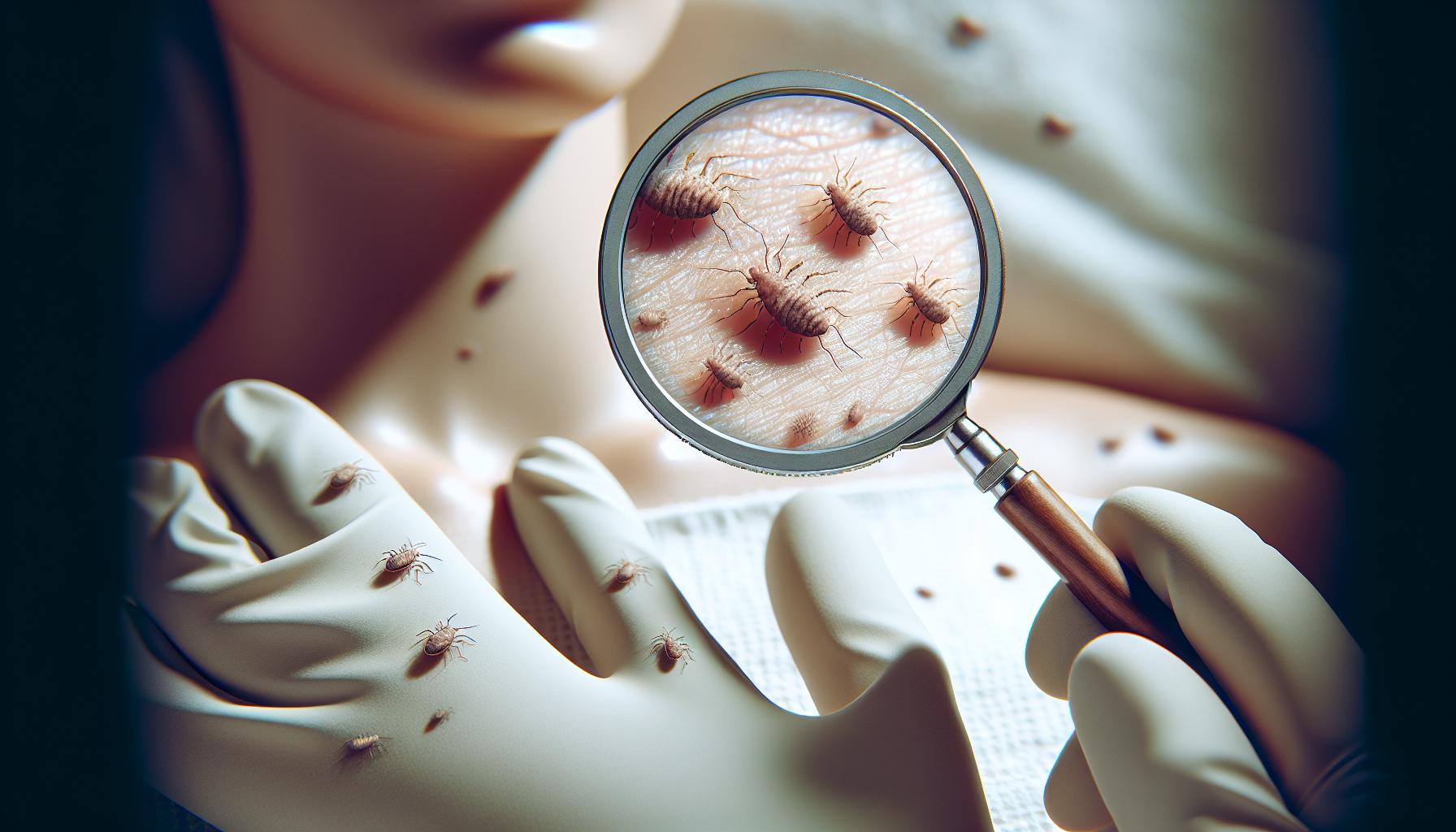
Identifying Demodex Infestation Symptoms
Demodex mites, tiny organisms that naturally inhabit human skin, can become problematic when their populations grow unchecked. Recognizing the symptoms of Demodex infestation is crucial for seeking timely treatment, as these infestations can lead to a range of uncomfortable skin conditions. Common signs include persistent redness, itching, and inflammation, particularly on the face, around the eyes, and in other sensitive areas. Individuals may also experience a sensation of crawling on the skin or a burning feeling, often exacerbated during skincare routines or after using certain products.
One notable manifestation of Demodex overpopulation is rosacea, which often presents with redness, flushing, and visible blood vessels. This condition can be distressing, not just physically but also emotionally, given its impact on appearance. In some cases, patients might also notice pustules similar to acne, which can further complicate the skin’s condition and lead to significant discomfort. Similarly, ocular demodicosis, a specific form affecting the eyes, presents symptoms such as itching, redness, and crusty eyelids, emphasizing the need for careful observation of any eye discomfort alongside facial symptoms.
Addressing these symptoms early can lead to better management results, improving the quality of life for those affected by excessive Demodex. Keeping a close watch for these signs is essential, particularly for individuals with a history of skin sensitivities or conditions such as rosacea. If symptoms persist, consulting a healthcare provider for further evaluation and potential treatment options is recommended.
Treatment Protocols: How to Use Ivermectin Successfully
In the pursuit of effective treatment for Demodex infestations, Ivermectin has emerged as a leading option due to its targeted action against these pesky mites. This topical medication, specifically formulations like Ivermectin 1% cream, has demonstrated significant efficacy in reducing Demodex populations while providing a well-tolerated and non-antibiotic alternative for patients. Understanding how to properly utilize Ivermectin not only helps ensure optimal outcomes but also enhances patient compliance and satisfaction with the treatment process.
To use Ivermectin successfully, it’s crucial to follow a structured treatment protocol. Typically, patients are advised to apply the cream once daily to the affected areas, gently massaging it in until fully absorbed. This method maximizes the medication’s interaction with the skin and its ability to target the underlying mite infestation effectively. Duration of treatment can vary, but many studies suggest a regimen of at least 12 to 16 weeks to achieve comprehensive results, especially for conditions like rosacea affected by Demodex mites [1].
While using Ivermectin, it’s essential for patients to maintain a consistent skincare routine and follow any additional instructions from their healthcare provider. Avoiding heavy makeup or irritating skincare products during the treatment phase can help minimize exacerbation of symptoms. Patients should also be encouraged to monitor their skin’s response, as initial flare-ups may occur before improvement is noted, a common aspect when tackling mite infestations. For those experiencing ocular symptoms, a specialized formulation such as Ivermectin 1.0% cream designated for ocular demodicosis can be particularly beneficial [2].
In summary, leveraging Ivermectin successfully involves adherence to application guidelines, open communication with dermatology professionals, and patience throughout the treatment period. Given its strong safety profile and targeted effectiveness, Ivermectin represents a solid foundation in the management of Demodex-related skin conditions, paving the way for patients to restore and maintain healthy skin.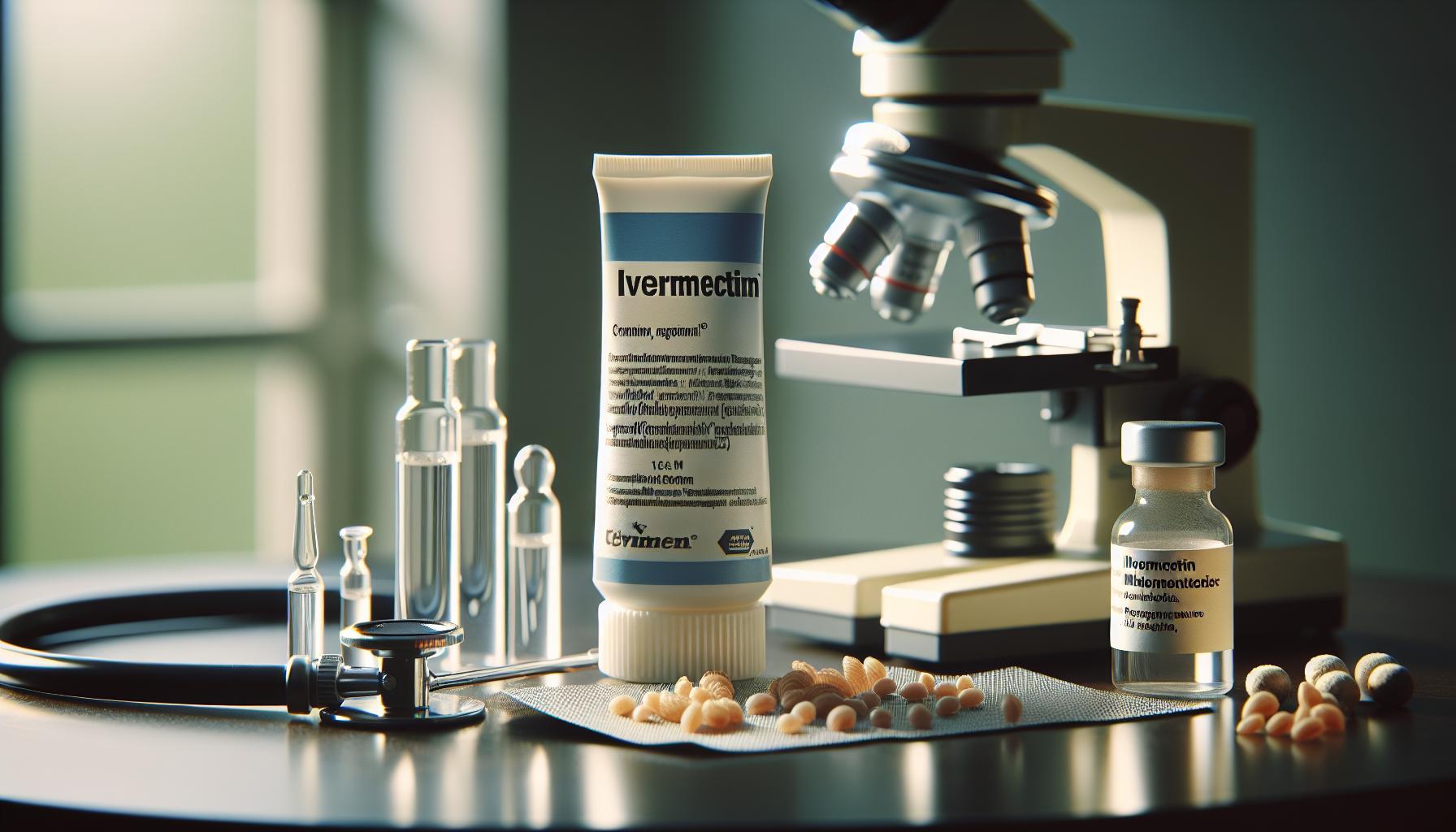
Comparing Ivermectin with Other Demodex Treatments
In the realm of Demodex treatment, Ivermectin stands out due to its unique mechanism of action and proven effectiveness. However, understanding how Ivermectin compares to other treatment options is essential for informed decision-making. Various therapies exist, each with distinct features, benefits, and limitations, making it crucial for patients and healthcare providers to consider individual circumstances when choosing a treatment approach.
One popular alternative to Ivermectin is metronidazole, an antibiotic that is often prescribed for rosacea and known to reduce inflammation. While metronidazole can be effective for inflammatory symptoms, it does not specifically target Demodex mites. This distinction is vital because an underlying Demodex infestation may persist, leading to chronic symptoms despite temporary relief from the antibiotic. Furthermore, prolonged use of antibiotics can raise concerns about resistance and gut health.
Another treatment option includes tea tree oil, known for its natural antimicrobial properties and effectiveness against Demodex when used in a diluted form. Research indicates that tea tree oil can significantly decrease mite populations, but it requires careful application to avoid skin irritation and allergic reactions. Unlike Ivermectin, which is generally well-tolerated, tea tree oil can cause adverse effects in sensitive individuals, making it less desirable as a standalone treatment.
Comparative Overview of Treatments
| Treatment | Effectiveness Against Demodex | Side Effects | Administration |
|---|---|---|---|
| Ivermectin | High | Minimal | Topical cream, applied daily |
| Metronidazole | Indirect (for inflammation) | Mild skin irritation | Topical gel, applied twice daily |
| Tea Tree Oil | Moderate | Potential skin irritation | Diluted oil, applied as needed |
While Ivermectin is primarily effective in directly reducing Demodex populations, the choice of treatment can also depend on the patient’s specific condition. For instance, someone with concurrent rosacea may benefit from a combination of therapies, including metronidazole for inflammation and Ivermectin for mite management. Moreover, incorporating proper skincare routines and lifestyle adjustments can enhance treatment outcomes.
In summary, while a variety of treatments are available for Demodex infestation, Ivermectin’s targeted action against mites sets it apart as a cornerstone in effective management. Each treatment option has its place in therapy, and the best results often come from a tailored approach that acknowledges the unique needs of each patient. As the field of dermatology continues to evolve, ongoing research into the efficacy and safety of these treatments remains vital for optimizing care.
Common Concerns About Ivermectin Use
When considering treatment options for Demodex infestation, many patients express valid concerns regarding the use of Ivermectin. This anti-parasitic medication, widely recognized for its effectiveness, often raises questions about its safety, administration, and long-term implications. Addressing these concerns is crucial for informed decision-making and to foster confidence in treatment regimens.
One common worry involves potential side effects of Ivermectin, particularly when used in topical forms. While most patients report minimal adverse effects such as slight skin irritation or burning, these reactions are generally short-lived and resolve quickly. Studies indicate that less than 1% of patients experience significant discomfort, implying that Ivermectin is well-tolerated for most individuals [2]. For those with sensitive skin, conducting a patch test prior to full application can help mitigate any adverse reactions and provide peace of mind.
Another concern relates to the appropriateness of Ivermectin for varying populations, including pregnant women or individuals with specific health conditions. While research primarily focuses on standard adult populations, it is essential to consult healthcare providers to assess personal health circumstances and any possible interactions with existing medications. This collaborative approach enables a tailored treatment plan, balancing efficacy with safety based on individual needs.
Moreover, the method of administration plays a pivotal role in how patients perceive the treatment. Correct application of Ivermectin-whether in cream or oral form-ensures optimal results. Patients should follow prescribed guidelines carefully, including dosage instructions and application frequency. Combining treatment with good skincare practices can enhance outcomes and reduce symptoms associated with Demodex infestation.
As more information emerges about Ivermectin’s applications in treating Demodex, ongoing dialogue between patients and their healthcare providers remains vital. By addressing concerns and fostering open communication, patients can feel more secure in their treatment choices, ultimately leading to better health outcomes.
Success Stories: Real-Life Treatment Experiences
Many individuals struggling with Demodex mite infestations have found renewed hope and relief through the use of Ivermectin. This anti-parasitic treatment has transformed the lives of patients who once dealt with persistent skin issues, often leading to significant psychological distress. Personal stories reveal the profound impact this medication can have, sparking a community of advocates who share their journeys and successes.
One patient, Sarah, recounts her battle with facial redness and irritation that seemed to worsen despite numerous treatments. After being diagnosed with a Demodex infestation, she began using topical Ivermectin cream as prescribed by her dermatologist. Within weeks, Sarah noticed a marked improvement-her skin felt calmer, the redness subsided, and blemishes that had previously taken weeks to heal began to clear up within days. In her words, “I felt like I was finally getting my life back. It wasn’t just about my skin-it was about my confidence.” Stories like Sarah’s underscore the effectiveness of Ivermectin in managing symptoms and restoring not just skin health but overall well-being.
Similarly, James, who struggled with rosacea exacerbated by Demodex mites, shared how oral Ivermectin therapy brought him relief after years of ineffective treatments. He described the burden of finding a solution, saying, “It felt like I tried everything, but nothing worked until I tried Ivermectin. After just a month, I could finally socialize without feeling embarrassed about my skin.” His experience echoes findings from clinical studies that show faster resurfacing times and symptom relief for those with lower Demodex density-a notable statistic reflecting the drug’s effectiveness [[1]].
The positive outcomes associated with Ivermectin treatment extend beyond mere symptom management; they highlight improved quality of life and psychological health. For many, success is measured not just by visible skin improvements but also by renewed self-esteem and the ability to engage in daily activities without fear or discomfort. Through these shared experiences, it becomes clear that Ivermectin is more than a treatment-it represents a step towards reclaiming a sense of normalcy for those impacted by Demodex infestations.
Potential Side Effects of Ivermectin Therapy
Ivermectin has emerged as a pivotal treatment for those grappling with Demodex mite infestations, offering significant symptom relief and improved quality of life for many. However, like any medication, it comes with potential side effects that patients and healthcare providers should be aware of. Notably, most patients tolerate Ivermectin well, but some may experience skin-related side effects which can include mild to moderate reactions.
Common side effects of topical Ivermectin cream typically include
- Skin irritation: This may manifest as a localized burning sensation, pruritus (itchiness), or erythema (redness). These reactions are usually transient and resolve on their own as the skin adjusts to the treatment.
- Dryness or peeling: Some individuals may notice an increase in skin dryness or desquamation (skin peeling), as the treatment works to eliminate the mites.
While these side effects are generally mild, it is crucial to monitor any adverse reactions, particularly during the initial phases of treatment. In rare cases, more severe allergic reactions may occur, characterized by swelling or a rash that could warrant immediate medical attention.
For patients using oral Ivermectin, the side effect profile is different. Potential side effects can include
- Gastrointestinal issues: Some individuals report nausea, diarrhea, or abdominal discomfort.
- Neurological effects: Although uncommon, there can be neurological symptoms such as dizziness or headaches.
To maximize the efficacy of Ivermectin while minimizing side effects, it’s advisable for patients to follow prescribed dosing instructions closely. Gradual introduction and consistent application are also recommended, especially for those with sensitive skin. Patients should engage in open dialogue with their healthcare providers to ensure that management strategies are tailored to their unique situations, potentially integrating supportive skincare routines to alleviate any irritation.
Overall, while Ivermectin has proven effective in managing Demodex infestations, understanding the potential side effects can empower patients to navigate their treatment journey with confidence. By remaining informed and proactive, individuals can effectively communicate their experiences and adjustments needed in their care plan, thus enhancing treatment outcomes.
Integrative Approaches: Enhancing Treatment Outcomes
Integrating additional strategies into the treatment of Demodex infestations can significantly enhance outcomes and improve patient experiences. While Ivermectin has shown efficacy in reducing mite populations and alleviating associated symptoms, combining it with complementary practices can optimize results. For instance, incorporating a comprehensive skincare routine tailored to sensitive skin can help mitigate potential side effects and promote skin health.
Skincare Practices to Consider
Using gentle, non-irritating cleansers is essential, as they help maintain the skin’s barrier while reducing potential irritation from treatments. Regularly moisturizing with products designed for sensitive skin can also alleviate issues such as dryness and peeling, which some patients may experience during Ivermectin application. Additionally, implementing a routine that includes exfoliation can assist in removing dead skin cells, further minimizing conditions that might allow Demodex populations to thrive.
Diet and Lifestyle Adjustments
Diet plays a pivotal role in skin health and can influence symptoms associated with Demodex. Emphasizing a diet rich in antioxidants, healthy fats, and vitamins can support skin resilience and overall health. Foods high in omega-3 fatty acids, such as fatty fish and flaxseeds, can help reduce inflammation, while plenty of fruits and vegetables can enhance the skin’s healing ability. Furthermore, managing stress through mindfulness practices such as yoga or meditation may positively impact skin conditions, as stress is known to exacerbate many dermatological issues.
Collaboration with Healthcare Professionals
Engaging in an open dialogue with healthcare providers can help tailor treatments more effectively. Dermatologists can guide patients on how to integrate Ivermectin with other topical treatments if necessary, as well as recommend procedures that may further reduce mite density, such as laser therapy or chemical peels. These options can become part of a well-rounded approach tailored to the individual’s needs.
Incorporating these integrative strategies can empower patients to take an active role in their treatment journey, potentially leading to more profound and lasting improvements in managing Demodex infestations. By combining effective pharmacological treatments with sensible skincare, dietary, and lifestyle choices, individuals can navigate their paths to recovery with greater confidence and efficacy.
Preventive Measures Against Demodex Infestation
Maintaining healthy skin can significantly decrease the risk of Demodex mite infestations, known to cause conditions like rosacea and demodicosis. One of the most effective preventive measures is practicing good hygiene, particularly focused on facial care. Regularly cleansing the skin with gentle, non-comedogenic products helps remove excess oils and debris that can provide a nurturing environment for these mites. Additionally, routinely washing bed linens, pillowcases, and towels in hot water can prevent the transfer of mites from contaminated fabrics.
Skincare Routine
A well-structured skincare routine is vital for preventing Demodex overgrowth. Here are key elements to consider:
- Use Non-Irritating Cleansers: Opt for gentle, sulfate-free cleansers that don’t strip the skin of its natural oils. This helps maintain a balanced skin barrier.
- Incorporate Exfoliation: Regular exfoliation, using products containing salicylic acid or glycolic acid, can remove dead skin cells and reduce buildup that encourages mite proliferation.
- Moisturize: A lightweight, non-comedogenic moisturizer helps to keep the skin hydrated without clogging pores, creating a less favorable environment for mites.
Dietary Influences
Diet can play a surprisingly important role in skin health. A diet rich in antioxidants, healthy fats, and vitamins can bolster skin resilience. Foods high in omega-3 fatty acids, such as salmon, walnuts, and chia seeds, may help reduce inflammation, which can mitigate some of the adverse effects associated with mite infestations. Furthermore, staying hydrated with water supports overall skin health.
Regular Skin Checks
Being proactive about skin health means being vigilant for symptoms of Demodex infestations, such as redness, itching, or unusual breakouts. Early detection and treatment can prevent further complications. Regular check-ins with a dermatologist can help clarify any concerns and allow individuals to discuss the effectiveness of their skincare regimen, including the use of options like ivermectin should infestations occur.
By incorporating these preventive strategies into daily routines, individuals can create a more hostile environment for Demodex mites, reducing their chances of causing skin issues while promoting overall skin health.
Future Research Directions in Demodex Treatment
As researchers continue to uncover the complexities of Demodex mites and their role in various skin conditions, future studies are poised to enhance treatment protocols significantly. One promising avenue is the exploration of combination therapies that pair ivermectin with other topical agents or systemic treatments. For instance, integrating anti-inflammatory medications with ivermectin may offer dual benefits by not only reducing mite populations but also alleviating the inflammation caused by the host’s immune response to these parasites.
Another critical area of investigation centers on the genetic and environmental factors that contribute to Demodex overpopulation. Advanced genomic studies could provide insights into the specific strains of Demodex associated with more severe skin conditions, paving the way for targeted therapies. Researchers may also investigate how various external factors, like climate and personal hygiene practices, interact with Demodex populations. Understanding these dynamics could lead to more effective preventive measures and treatment strategies tailored to individual patient profiles.
Moreover, as the global burden of Demodex-related diseases continues to rise, there is a growing emphasis on patient education and engagement in the treatment process. Future research could assess the impact of educational interventions on patient adherence to treatment regimens, particularly regarding the consistent application of topical ivermectin and the adoption of complementary skincare practices. This approach not only empowers patients but also fosters a greater understanding of their condition, ultimately enhancing treatment outcomes.
Lastly, long-term studies evaluating the efficacy and safety of treatments like ivermectin in diverse populations are essential. Given that responses to treatment can vary based on demographic factors, establishing a comprehensive database of efficacy across different ethnicities and age groups will refine how clinicians manage Demodex-related conditions. With ongoing research and a patient-centered focus, the landscape of Demodex treatment is likely to evolve dramatically, potentially transforming the lives of those affected by these often-misunderstood mites.
Expert Insights: Dermatologists’ Perspectives on Ivermectin
The emergence of Demodex mites as a significant factor in various skin disorders, including rosacea and blepharitis, has sparked a wave of interest among dermatologists, particularly regarding the treatment potential of ivermectin. This topical agent, primarily recognized for its efficacy in parasitic infections, has shown promise in targeting the underlying causes of conditions associated with Demodex overpopulation. Dermatologists emphasize the importance of individualized treatment plans that consider not only the severity of the infestation but also the specific symptoms presented by each patient.
In practice, many dermatologists report positive experiences with ivermectin, particularly its 1% cream formulation, which has been well-tolerated by patients, causing minimal side effects such as slight irritation or burning sensations in a small percentage of users [1]. The efficacy of this treatment is often highlighted in cases of ocular manifestations of rosacea, wherein patients have experienced marked improvements within just a few weeks of consistent application. The cream not only helps in reducing mite density but also plays a role in mitigating inflammation, making it an excellent choice for patients struggling with redness and irritation.
Moreover, dermatologists encourage ongoing research and clinical trials to better understand the role of ivermectin in treating Demodex-related conditions. They advocate for comprehensive patient education to improve adherence to treatment regimens, as a commitment to the application protocol is crucial for achieving optimal results. As Demodex infestations can vary widely- influenced by factors such as age, skin type, and underlying health conditions-experts are keen on refining therapeutic approaches and may combine ivermectin with complementary treatments such as anti-inflammatory agents or advanced skincare routines.
Ultimately, the evolving landscape of Demodex treatment underscores the necessity for dermatologists to stay informed about the latest research and treatment strategies. Their insights not only guide clinical practice but also empower patients with knowledge about their conditions, fostering a collaborative approach to skincare and wellness.
Faq
Q: How does Ivermectin work against Demodex mites?
A: Ivermectin targets the nervous system of Demodex mites, causing paralysis and death. This mechanism effectively reduces mite populations on the skin, alleviating associated conditions like rosacea and blepharitis. For detailed treatment protocols, please refer to our section on Treatment Protocols: How to Use Ivermectin Successfully.
Q: What results can I expect from using Ivermectin for Demodex?
A: Users typically see a reduction in mite density within weeks, leading to improved skin conditions. Studies indicate significant clinical improvement in symptoms like redness and inflammation associated with rosacea. To learn more, check the Success Stories: Real-Life Treatment Experiences section.
Q: Is Ivermectin safe for all skin types?
A: Ivermectin cream is generally safe and well-tolerated across diverse skin types. However, individuals with sensitive skin should consult a dermatologist before use. Visit our Common Concerns About Ivermectin Use for more insights.
Q: How long should I use Ivermectin for Demodex treatment?
A: Treatment duration usually spans 12 to 16 weeks for optimal results. Continuous use may be necessary for maintenance, especially in cases of recurrent infestation. Explore our Treatment Protocols: How to Use Ivermectin Successfully section for guidance on application.
Q: Can Ivermectin be used alongside other treatments?
A: Yes, Ivermectin can be integrated with other therapies for rosacea, such as metronidazole or azelaic acid. However, it’s essential to consult with a healthcare provider to tailor the best regimen for your needs. Refer to Comparing Ivermectin with Other Demodex Treatments for more details.
Q: Are there any specific side effects associated with Ivermectin use?
A: Common side effects include mild skin irritation and burning, occurring in less than 1% of users. Serious reactions are rare. For a comprehensive understanding, review our Potential Side Effects of Ivermectin Therapy section.
Q: How can I prevent Demodex infestations in the future?
A: Regular cleansing and avoiding oily skin products can help prevent future infestations. Maintaining a healthy skincare routine is essential. For more preventive measures, check out our Preventive Measures Against Demodex Infestation section.
Q: When should I see a dermatologist about my Demodex problem?
A: If over-the-counter treatments, including Ivermectin, do not yield results after several weeks or if symptoms worsen, it’s advisable to consult a dermatologist. For expert insights, visit our Expert Insights: Dermatologists’ Perspectives on Ivermectin section.
Final Thoughts
If you’re struggling with Demodex mite infestations, remember that topical ivermectin has been proven effective and safe, offering a clear path to relief. With treatment options showing significant results in decreasing mite populations, now is the ideal time to take control of your skin health. If you haven’t already, explore our in-depth articles on managing Demodex and the role of ivermectin in treating related conditions.
Don’t let uncertainties hold you back-click to learn how to maximize your treatment journey or consult with a specialist for personalized advice. Join our community by signing up for our newsletter, where you’ll receive the latest insights and support for your healing journey. Let’s combat these mites together and help you achieve the clear, healthy skin you deserve!
Get our latest guides, news, and insights highlighted in your Google Search & AI Overviews.