
What is the complete list of parasites ivermectin kills? Ivermectin is a broad-spectrum endectocide that targets both internal roundworms (nematodes) and external arthropods (ectoparasites) by opening glutamate-gated chloride channels. The definitive list of parasites ivermectin kills across veterinary and human medicine includes: (1) Internal Nematodes: Heartworm microfilariae (Dirofilaria immitis larvae), gastrointestinal roundworms (Toxocara canis, Ascaris lumbricoides), threadworms (Strongyloides stercoralis), hookworms (Ancylostoma caninum), whipworms, pinworms (Enterobius vermicularis, Oxyuris equi), and filarial worms (Onchocerca volvulus, Wuchereria bancrofti); and (2) External Ectoparasites: Sarcoptic mange mites (Sarcoptes scabiei), Demodex mange mites, ear mites (Otodectes cynotis), sucking lice (Linognathus spp.), head lice (Pediculus humanus capitis), and horse stomach bots (Gasterophilus larvae). Critical Note: Ivermectin does NOT kill tapeworms (cestodes) or flukes (trematodes), which lack glutamate-gated chloride channels.
Did you know that ivermectin, a well-known anti-parasitic medication, has been a game changer in the fight against various parasitic infections? Originally developed for veterinary use, it has revolutionized treatment in humans, addressing conditions like river blindness and lymphatic filariasis. But what specific parasites does ivermectin target, and how does it work? Understanding ivermectin’s capabilities is crucial for anyone interested in health, whether you’re navigating treatment options or just curious about this powerful drug’s reach. In this article, we provide a comprehensive list of the parasites that ivermectin effectively kills, helping you to grasp its significance for both individual and public health. Stay with us as we explore the many benefits and uses of ivermectin in combating parasitic diseases.
What Is Ivermectin and Its Uses?
Taxonomic Spectrum: List of Parasites Ivermectin Kills vs Untargeted Parasite Groups
Parasitologists categorize parasite susceptibility based on neuromuscular receptor physiology. When evaluating the list of parasites ivermectin kills, target species possess invertebrate-specific glutamate-gated chloride channels:
| Parasite Taxonomic Group | Representative Susceptible Species | Clinical Efficacy Level | Primary Treatment Rationale |
|---|---|---|---|
| Gastrointestinal Nematodes | Toxocara canis, Ascaris suum, Haemonchus contortus, Cyathostomins | High Lethal Efficacy | Paralyzes pharyngeal muscles and somatic motility, leading to fecal expulsion. |
| Filarial Nematodes | Dirofilaria immitis (L3/L4 & microfilariae), Onchocerca volvulus | Microfilaricidal Efficacy | Eliminates circulating microfilariae; does not directly kill adult cardiac heartworms rapidly. |
| Sarcoptiform Mites | Sarcoptes scabiei (scabies), Notoedres cati, Otodectes cynotis | High Lethal Efficacy | Penetrates epidermal capillary beds, eradicating burrowing mite infestations. |
| Follicular Mites | Demodex canis, Demodex folliculorum | High Efficacy (multi-dose) | Suppresses mite populations in sebaceous gland ducts and hair follicles. |
| Arthropod Insects | Linognathus setosus (lice), Gasterophilus intestinalis (bot fly larvae) | High Lethal Efficacy | Disrupts neuromuscular signaling at invertebrate nerve terminals. |
| Cestodes (Tapeworms) | Dipylidium caninum, Taenia spp., Echinococcus spp. | Zero Efficacy | Tapeworms utilize calcium-dependent tegumental mechanisms; requires praziquantel. |
| Trematodes (Flukes) | Fasciola hepatica (liver fluke), Schistosoma spp. | Zero Efficacy | Trematodes lack susceptible GluCl receptor subunits; requires triclabendazole or praziquantel. |
Ivermectin is a potent antiparasitic medication that has gained global recognition for its effectiveness in treating various parasitic infections. Originally developed in the late 20th century for veterinary use, it has since become a cornerstone in human medicine, particularly for combating neglected tropical diseases. This drug works by immobilizing and killing parasites, which helps alleviate the symptoms of infections caused by these organisms.
Ivermectin targets a range of parasites, making it a versatile tool in the fight against such diseases. Its most common applications include the treatment of river blindness (onchocerciasis) and lymphatic filariasis, both of which are caused by filarial worms. Additionally, it is effective against several types of intestinal parasites, including common roundworms and certain ectoparasites like lice and scabies. Recent advancements have led to the combination of ivermectin with other medications, such as albendazole, to enhance its efficacy against soil-transmitted helminth infections, a leading cause of morbidity in many developing countries [[1]](https://www.ema.europa.eu/en/news/new-combination-medicines-treat-parasitic-worm-infections).
In clinical settings, ivermectin is typically administered as a single, oral dose, which simplifies treatment logistics, especially in mass drug administration campaigns in endemic regions. The World Health Organization endorses its use for public health programs aimed at controlling and eliminating specific parasitic diseases. Its proven safety profile, even in populations with high loads of parasitic infections, helps facilitate widespread use. As global health initiatives continue to push for the eradication of parasitic diseases, ivermectin remains a pivotal component in these efforts [[2]](https://pmc.ncbi.nlm.nih.gov/articles/PMC10507222/).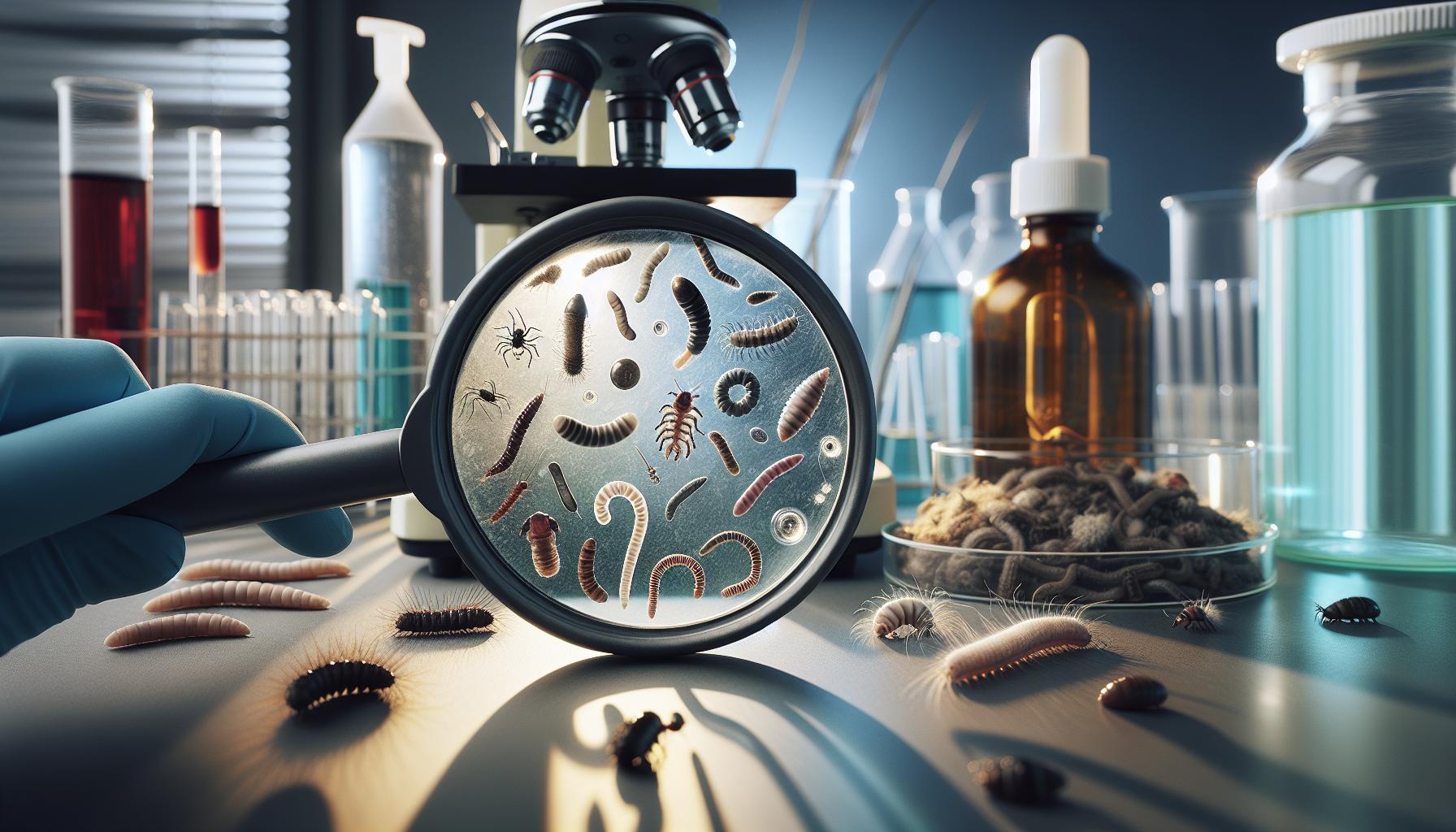
Understanding Parasites Targeted by Ivermectin
Ivermectin has revolutionized the treatment of various parasitic infections, effectively addressing a broad spectrum of pathogens. This remarkable antiparasitic medication is particularly important in regions where parasitic diseases pose significant health risks, showcasing its ability to target a variety of parasites that affect both human and animal health.
Common Parasites Treated by Ivermectin
Ivermectin is well-known for its effectiveness against several key parasites that can lead to severe health issues. Among its primary targets are:
- Filarial Worms: These include *Onchocerca volvulus*, responsible for river blindness (onchocerciasis), and *Wuchereria bancrofti*, which causes lymphatic filariasis. Ivermectin significantly reduces the microfilariae load in affected individuals, helping to control these debilitating diseases.
- Intestinal Parasites: Ivermectin is effective against various soil-transmitted helminths (like roundworms), which are widely prevalent in many developing countries. In combination with other antiparasitic treatments, it can provide comprehensive management of these infections.
- Ectoparasites: The medication is also used to treat external parasites such as lice, scabies, and certain mites, proving its versatility in tackling infections that manifest on the skin or scalp.
Recognizing the specific parasites Ivermectin can target helps to address public health issues, particularly in resource-limited settings where these infections are endemic. The targeted approach of Ivermectin facilitates mass treatment campaigns, which are crucial in controlling outbreaks and reducing the overall burden of disease.
The Impact of Ivermectin on Global Health
The role of Ivermectin extends beyond individual treatment; it is instrumental in public health strategies aimed at eradicating parasitic diseases. For instance, the World Health Organization endorses Ivermectin for use in mass drug administration (MDA) programs, which have successfully decreased the prevalence of onchocerciasis and lymphatic filariasis in numerous regions. By reducing parasite load in communities, MDA not only curbs transmission but also significantly improves the quality of life for affected populations.
As ongoing research efforts explore the boundaries of Ivermectin’s efficacy, it remains a crucial ally in the fight against parasitic diseases, forging a path towards better global health outcomes and a clearer understanding of how to combat these persistent health threats effectively.
How Ivermectin Works Against Common Parasites
Ivermectin has emerged as a pivotal player in the fight against parasitic infections due to its unique mechanism of action. Understanding how this compound interacts with common parasites provides valuable insight into its effectiveness and utility in treating various conditions. At its core, Ivermectin operates by targeting the nervous system and muscle function of parasites, leading to paralysis and eventual death, making it highly effective against a range of harmful organisms.
When introduced into the bloodstream, Ivermectin binds to specific chloride channels, known as glutamate-gated chloride channels, which are essential for the neurological function of parasites. The binding disrupts these channels, resulting in paralysis and death of the parasites, particularly in filarial worms such as Onchocerca volvulus and Wuchereria bancrofti. This mechanism is notably effective in targeting microfilariae, the larval forms of these worms, greatly reducing their presence in the host body and subsequently improving symptoms associated with conditions like river blindness and lymphatic filariasis.
Additionally, Ivermectin has proven effective against various soil-transmitted helminths (STHs) that affect millions worldwide, especially in areas with poor sanitation. Through its action on the neuromuscular systems of these intestinal parasites, Ivermectin helps eliminate adult and larval stages, supporting better health outcomes in affected populations. Furthermore, the medication’s ability to tackle ectoparasites-such as lice and scabies-demonstrates its versatility in treating infections that manifest externally, highlighting its broad relevance across different forms of parasitic infestations.
By simplifying complex interactions within parasitic systems, Ivermectin underscores the significance of targeted treatment strategies. Its dual role in both acute and chronic infection management makes it a cornerstone of public health initiatives, especially in regions burdened by high rates of parasitic diseases. The ongoing research continues to refine our understanding of Ivermectin’s capabilities and explore its potential applications, reinforcing its importance in the global health landscape.
List of Parasites Treated with Ivermectin
Ivermectin is a powerful antiparasitic medication recognized for its broad-spectrum effectiveness against various parasitic infections. This medication has been instrumental in addressing both human and animal health concerns linked to a range of parasites, thanks to its unique mechanism of action that targets the nervous system and muscle function of these organisms.
Among the primary parasites treated with Ivermectin are the following:
Filarial Worms
- Onchocerca volvulus: Responsible for river blindness, where the adult worms live in the human body and release larvae that can cause severe ocular complications.
- Wuchereria bancrofti: The causative agent of lymphatic filariasis, which can lead to severe swelling and disability.
- Brugia malayi: Another filarial worm that can cause similar symptoms to those caused by Wuchereria bancrofti.
Intestinal Nematodes
- Strongyloides stercoralis: A parasitic roundworm that can lead to Strongyloidiasis, often asymptomatic but potentially life-threatening in immunocompromised individuals.
- Ancylostoma duodenale and Necator americanus: Commonly known as hookworms, these parasites can cause anemia and protein deficiency due to blood loss.
Soil-Transmitted Helminths (STH)
Ivermectin is also effective against several soil-transmitted helminths, which affect millions worldwide:
- Ascaris lumbricoides: A large intestinal roundworm known for causing ascariasis.
- Trichuris trichiura: The whipworm, another intestinal parasite that can lead to anemia and rectal prolapse in severe cases.
- Enterobius vermicularis: The pinworm, commonly found in children and can lead to significant itching around the anal area.
Ectoparasites
Ivermectin’s versatility extends beyond internal parasites. It is also used to treat various ectoparasitic infections, including:
- Scabies: A contagious skin condition caused by the infestation of the skin by the Sarcoptes scabiei mite.
- Pediculosis (lice): Ivermectin can effectively treat lice infestations, including head lice.
These examples represent just a portion of the numerous parasites that Ivermectin can target. Its widespread use in mass treatment campaigns, particularly in endemic areas, underscores its crucial role in public health initiatives aimed at controlling parasitic diseases. Through its efficacy and safety profile, Ivermectin continues to be a cornerstone in the global fight against parasitic infections, ultimately improving health outcomes for affected populations.
Ivermectin for Animal Parasite Control
Ivermectin is a critical tool in veterinary medicine, known for its remarkable efficacy against a wide array of parasitic infections in animals. Since its introduction, this antiparasitic drug has revolutionized the management of parasitic diseases in various animal species, from livestock to pets, highlighting its importance in maintaining animal health and welfare. Beyond its effects on human health, understanding Ivermectin’s role in animal parasite control reveals its profound impact on agriculture and economies reliant on livestock.
When using Ivermectin for animal health, it primarily targets both internal and external parasites. Among the most notorious internal parasites are gastrointestinal nematodes, which include species like Haemonchus contortus (barber’s pole worm) and Ostertagia ostertagi (cattle barber’s pole worm). These parasites can severely affect the health and productivity of livestock, leading to stunted growth and decreased milk production. Ivermectin helps to combat these issues effectively, making it invaluable to farmers who rely on their herds for sustenance and commerce.
While Ivermectin is well-known for treating internal parasites, it’s equally valuable against external parasites such as mites, ticks, and lice. For example, it is commonly used to manage infestations of Sarcoptes scabiei in sheep and Rhipicephalus (Boophilus) microplus, a tick that poses a significant threat to cattle by transmitting diseases such as babesiosis. The versatility of Ivermectin is evident as it accommodates various administration routes, including injectables, topical formulations, and oral medications, ensuring ease of use across different species.
The safety profile of Ivermectin in animals has also been a significant factor in its widespread acceptance. When used according to the guidelines, adverse effects are rare, making it a reliable choice for veterinarians. However, it is crucial to follow appropriate dosing schedules and monitor for any potential interactions with other medications, particularly in racehorses or dogs with specific genetic sensitivities like the Collie breed, known for carrying a genetic mutation that affects drug metabolism.
In summary, Ivermectin plays a pivotal role in animal parasite control, addressing a spectrum of parasitic threats that can compromise animal health, productivity, and welfare. Its application extends beyond mere treatment, reinforcing the health of entire herds and flocks, and consequently supporting sustainable agricultural practices and food security. As research continues to unveil new findings on Ivermectin’s uses and safety, it remains a cornerstone in modern veterinary pharmacology.
Ivermectin’s Role in Human Health: Treating Conditions
Despite its primary development for veterinary use, Ivermectin has made significant strides in human medicine, proving to be an effective treatment against several parasitic infections. Launched initially in the 1980s, this drug has changed the landscape of public health, particularly in regions plagued by diseases like river blindness (onchocerciasis) and lymphatic filariasis. Its affordable cost and ease of administration have made it a cornerstone in controlling these debilitating conditions, particularly in developing countries.
Targets and Effectiveness
Ivermectin primarily targets a variety of parasitic worms and ectoparasites. Its efficacy stems from its ability to bind selectively to certain ion channels in the nerve and muscle cells of parasites, leading to paralysis and death of the parasites. This mechanism has proven invaluable in treating conditions such as:
- Onchocerciasis (River Blindness): Transmitted by blackflies, this disease can lead to severe itching and vision impairment. Ivermectin significantly reduces the microfilariae (larval stage) in the bloodstream, thereby limiting the spread of the disease.
- Lymphatic Filariasis: Caused by filarial worms, this condition leads to significant morbidity characterized by swelling and disability. Ivermectin, often used in mass drug administration campaigns, helps decrease the infection rates and contributes to the control of lymphedema.
- Strongyloidiasis: Ivermectin is also effective against the soil-transmitted helminth Strongyloides stercoralis, offering a safe option for treating this infection, particularly in immunocompromised patients.
Global Health Impact
The role of Ivermectin in global health cannot be overstated. It has been instrumental in various mass treatment initiatives, contributing to the significant reduction in the prevalence of diseases like river blindness in Africa and lymphatic filariasis in Asia. Programs utilizing Ivermectin often focus on community engagement and participation, ensuring that the populations at risk are both reached and educated about these diseases. Additionally, its introduction into integrated control strategies for tropical diseases highlights its versatility and importance.
However, debates around the use of Ivermectin for non-approved conditions, including COVID-19, emphasize the need for rigorously conducted clinical trials to ascertain safety and efficacy. Regulatory bodies like the FDA maintain a cautious stance, underscoring that, while the drug is valuable, its use must align strictly with established indications to avoid harmful misinformation.
In summary, Ivermectin’s role in treating various parasitic infections significantly enhances its profile beyond veterinary applications, contributing to global health efforts and providing a clearer pathway to disease management in affected populations. As research progresses, continuous evaluation of its effects and broader applications remains crucial to harnessing its full potential safely.
Potential Side Effects of Ivermectin
Ivermectin, while a powerful agent against numerous parasitic infections, can also lead to various side effects that merit attention. For many patients, particularly those treating conditions like river blindness or lymphatic filariasis, the benefits often outweigh the risks. However, understanding potential adverse effects is crucial for safe and effective use.
Many people tolerate ivermectin well, experiencing only mild side effects that resolve once treatment is completed. Common issues may include symptoms like skin rash, itching, diarrhea, and some gastrointestinal discomfort. These effects are usually transitory and not serious, but their occurrence can be alarming, especially for first-time users.
Severe Side Effects
On the other hand, more serious side effects, although rare, can manifest. These include severe allergic reactions, hypotension, and neurological symptoms such as dizziness, confusion, or even seizures. Patients may also experience joint pain and swelling, which may indicate an inflammatory response as the immune system reacts to the dying parasites. It’s crucial to monitor any severe symptoms and consult a healthcare provider immediately if they occur. These potential serious effects underscore the importance of using ivermectin under medical supervision-especially for individuals with pre-existing health conditions or those on other medications.
Who Should Exercise Caution?
Certain populations should exercise additional caution when using ivermectin. This includes individuals who are pregnant, breastfeeding, or have liver disease, as their responses to the medication may differ. Moreover, co-infection with other parasites can potentially exacerbate side effects, leading to increased morbidity and longer recovery times. For these reasons, discussing any concerns with a healthcare provider before beginning treatment is vital.
In summary, while ivermectin is widely celebrated for its effectiveness against many parasites, it is not without risks. By remaining informed and proactive about potential side effects, patients can ensure a safer treatment experience. Monitoring symptoms and maintaining an open line of communication with healthcare professionals can provide the reassurance needed to navigate the complexities of treatment.
Alternatives to Ivermectin for Parasite Treatment
When it comes to treating parasitic infections, ivermectin is a popular choice due to its effectiveness and relatively safe profile. However, it’s essential to recognize that there are alternatives available, especially for those who may not be able to use ivermectin due to allergies, pre-existing conditions, or personal preferences. Understanding these alternatives can help patients and healthcare providers make informed decisions about parasite treatment.
Conventional Pharmaceutical Alternatives
Several medications are effective against parasites similar to those treated by ivermectin. For example:
- Albendazole: This broad-spectrum anthelmintic is used to treat various worm infections, including roundworm and hookworm. It disrupts the parasite’s energy metabolism, leading to its elimination from the body.
- Praziquantel: Primarily for treating schistosomiasis and liver flukes, praziquantel works by causing paralysis in the parasites, making it easier for the body to expel them.
- Metronidazole: Commonly used for certain protozoal infections like giardiasis and amoebiasis, metronidazole disrupts the DNA of the parasites, ultimately leading to their death.
In some cases, a combination of these medications may be employed to enhance efficacy, particularly in multi-parasitic infections.
Natural Alternatives
Beyond conventional pharmaceuticals, there is a growing interest in natural remedies for parasite treatment. While these approaches may not be as extensively researched or regulated, some alternatives include:
- Pumpkin Seeds: Known for their traditional use in eliminating tapeworms, pumpkin seeds contain cucurbitacin, which paralyzes the parasites.
- Garlic: With its strong antimicrobial properties, garlic may help in repelling parasites and boosting the immune system.
- Wormwood: This herb has been historically used as a remedy for intestinal worms, with some studies supporting its efficacy, particularly against roundworms.
Patients interested in these natural options should consult healthcare providers to ensure safety and avoid any potential interactions with other medications.
Herbal Medicine and Homeopathy
Herbal remedies and homeopathic approaches offer additional avenues for parasite control. Products such as black walnut hull and clove oil are often highlighted for their traditional roles in cleansing treatments. However, scientific support for these methods varies and further research is essential to substantiate claims. Collaborating with a qualified herbalist or homeopath can guide proper usage and combinations tailored to individual health needs.
In summary, while ivermectin is a cornerstone in fighting parasitic infections, an array of alternatives exists. Whether through other medications, natural remedies, or holistic practices, individuals have choices that should align with their wellness goals. Engaging in informed discussions with healthcare providers about available options is key to effective and safe treatment.
Debunking Myths: Ivermectin in Popular Culture
In recent years, ivermectin has been thrust into the spotlight, sparking a myriad of myths and misunderstandings about its intended uses and effects. Originally developed as an antiparasitic medication used in the treatment of various conditions, ivermectin was largely celebrated for its effectiveness against parasites like river blindness (onchocerciasis) and lymphatic filariasis. However, misinformation has led to its controversial use beyond its intended purposes.
One common myth is that ivermectin is a broad-spectrum anthelmintic-all, particularly touted in some circles as a treatment for COVID-19. This perception fails to acknowledge that while ivermectin does have validated applications in treating specific parasitic infections, the current consensus from health authorities, including the FDA and WHO, is that it is not approved for treating COVID-19. Such beliefs have arisen from anecdotal reports and social media claims, often overshadowing the rigorous scientific evaluations that have established the safety and efficacy profile of ivermectin for its approved uses.
Another prevalent misconception is that ivermectin poses minimal risk due to its accessibility. While ivermectin is generally safe when used as directed for approved conditions, improper use or self-medication can lead to serious side effects, including neurological complications. This emphasizes the importance of using ivermectin only under the guidance of a healthcare professional and for indicated conditions. Education about the drug’s actual uses is crucial; it should be recognized not as a panacea but as a targeted treatment with specific indications.
Furthermore, the polarized opinions around ivermectin often blur the lines between scientific evidence and popular belief. The surge in interest during public health crises highlights the need for clear, evidence-based information. Engaging with credible healthcare sources and scientific literature can help dispel myths and promote a better understanding of ivermectin’s role in pharmacotherapy. By fostering open, informed discussions about its applications and limitations, individuals can make safer and more effective healthcare decisions regarding parasitic infections and beyond.
Current Research on Ivermectin’s Effectiveness
Current research continues to explore the full scope of ivermectin’s effectiveness against various parasitic infections, building on its longstanding use in both human and veterinary medicine. Notably, studies highlight its efficacy in treating conditions caused by a range of intestinal helminths, with an increasing interest in combining ivermectin with other antiparasitic agents to enhance treatment outcomes. Recently, the European Medicines Agency (EMA) has endorsed the use of a combination of ivermectin and albendazole to treat soil-transmitted helminth infections and lymphatic filariasis. This combination aims to improve efficacy and patient compliance by addressing multiple types of parasitic organisms simultaneously, ultimately streamlining public health strategies in endemic regions [2].
Moreover, a comprehensive review highlighted ivermectin’s broad-spectrum antiparasitic activity, showcasing its potential in addressing neglected tropical diseases (NTDs) that disproportionately impact vulnerable populations. The World Health Organization has integrated ivermectin into mass drug administration programs, drastically improving health outcomes in communities affected by river blindness and lymphatic filariasis [1]. The current research landscape underscores not only the importance of ivermectin in treating existing infections but also its preventive role in controlling outbreaks of these diseases.
Recent studies are also investigating the pharmacodynamics of ivermectin, including its mechanisms of action at the molecular level. It is characterized by its ability to bind to glutamate-gated chloride channels in parasites, leading to paralysis and death of a broad range of helminths and ectoparasites. This molecular focus is crucial for developing new derivatives with enhanced effectiveness and reduced side effects [3].
As research evolves, there remains an emphasis on the need for careful application of ivermectin to mitigate potential risks. Clinical trials are increasingly designed to clarify dosing regimens and safety profiles, which is essential for ensuring that patients receive the most effective and safest treatment methods available. Future investigations also aim to unpack the nuances of ivermectin’s use in non-traditional contexts, including its implications for emerging infectious diseases, fostering a deeper understanding of its role in global health.
Guidelines for Safe Ivermectin Use
Ivermectin has gained recognition not only as a powerful antiparasitic agent but also as a medication that requires careful usage guidelines to maximize its benefits and minimize risks. Ensuring safe use of this drug is essential for both individuals and public health initiatives.
For anyone considering or prescribed ivermectin, adhering to specific guidelines can enhance safety and effectiveness. First and foremost, it is crucial to obtain ivermectin through legitimate medical prescriptions or designated health programs. This ensures that the correct dosage and formulation are provided, as inappropriate use can lead to ineffective treatment or adverse reactions. Patients should follow the prescribed dosage strictly, which may vary based on factors such as age, weight, and the specific condition being treated.
Monitoring Potential Side Effects
While ivermectin is generally well-tolerated, potential side effects include dizziness, fatigue, and gastrointestinal symptoms. Close monitoring during the treatment period can help identify any adverse effects early on. Individuals with a history of certain neurological conditions or those who are pregnant should discuss their medical history with healthcare providers, as they may require special considerations or alternative treatments. Hence, it’s always advisable to have follow-up appointments to assess treatment efficacy and safety.
Public Health and Community Health Programs
In populations at risk for diseases treated by ivermectin, such as lymphatic filariasis and onchocerciasis, mass drug administration (MDA) approaches are employed. These programs help to ensure that entire communities receive treatment, which is vital for controlling outbreaks and preventing transmission. It is essential for public health officials to engage in educational campaigns on the importance of taking ivermectin as directed and the impact of these treatments on community health.
Conclusion
Ultimately, understanding and adhering to guidelines for the safe use of ivermectin is key to its successful incorporation into treatment plans. Both healthcare providers and patients play significant roles in this process, working together to ensure the medication is used appropriately and effectively, contributing to improved health outcomes in both individual and community settings.
Ivermectin’s History and Medical Advances
The story of ivermectin is one of remarkable discovery and significant public health impact. Initially developed in the late 1970s by Japanese scientists Satoshi Ōmura and William Campbell, ivermectin was derived from a soil bacterium called Streptomyces avermitilis. This innovative endeavor led to the drug being approved for use in veterinary medicine by the early 1980s, targeting a variety of parasitic infections in livestock and companion animals. However, its potential in human medicine was soon recognized, marking a pivotal moment in the fight against parasitic diseases.
As research progressed, ivermectin demonstrated efficacy against several serious human conditions, particularly onchocerciasis, commonly known as river blindness. This debilitating disease is caused by the parasitic worm Onchocerca volvulus and leads to severe visual impairment and even blindness. Ivermectin’s ability to reduce the microfilarial load in infected individuals proved transformative, leading to widespread implementation in mass treatment campaigns across endemic regions in Africa and Latin America, effectively reducing the prevalence of the disease over time.
The impact of ivermectin extends beyond onchocerciasis. It has also been shown to be effective against lymphatic filariasis and a host of soil-transmitted helminth infections, contributing to global efforts in eliminating these neglected tropical diseases. As a result, the World Health Organization (WHO) has integrated ivermectin into its public health strategies, demonstrating its crucial role in improving health outcomes for millions of people in endemic areas.
In recent years, the evolution of ivermectin’s use has been accompanied by ongoing research exploring its broader applications. Investigations into its antiviral properties, including during the COVID-19 pandemic, sparked widespread debate and further scrutiny. While evidence did not support its widespread use for COVID-19, the discussions highlighted the need for a careful examination of available data and emerging science regarding ivermectin.
The legacy of ivermectin is characterized by its dramatic impact on public health, its role in reducing morbidity and mortality from parasitic diseases, and its continuing relevance in medical research. As we advance, understanding its history can guide the development of new treatments and strategies against infectious diseases that continue to challenge global health.
FAQ
Q: What types of parasites does ivermectin treat?
A: Ivermectin treats a variety of parasites, including those that cause lymphatic filariasis, river blindness (onchocerciasis), strongyloidiasis, and certain types of intestinal worms. It is also effective against external parasites, such as lice and scabies, making it widely used in both humans and animals.
Q: How does ivermectin work to eliminate parasites?
A: Ivermectin works by binding to specific channels in the parasite’s nervous and muscular systems, causing paralysis and death. This mechanism effectively inhibits the ability of parasites to survive and reproduce, making it a potent treatment for parasitic infections.
Q: Can ivermectin be used for all types of worms?
A: No, while ivermectin is effective against certain roundworms and external parasites, it is not effective against all worm species, such as flatworms (trematodes). For comprehensive treatment, it’s essential to identify the specific type of parasite infected and discuss alternative therapies with a healthcare provider.
Q: Is ivermectin safe for long-term use in humans?
A: Ivermectin is generally considered safe for short-term use, but long-term administration should be monitored by healthcare providers to avoid side effects. It’s crucial to follow prescribed doses and schedules to reduce risks associated with potential adverse effects.
Q: Can animals be treated with ivermectin?
A: Yes, ivermectin is commonly used in veterinary medicine to treat various parasitic infections in pets and livestock. Dosages and formulations vary depending on the animal species and specific parasites being addressed.
Q: What are the common side effects of ivermectin?
A: Common side effects of ivermectin include mild headache, dizziness, nausea, and diarrhea. In rare cases, it can cause more serious effects, especially in individuals with compromised immune systems or certain co-infections. Monitoring by a healthcare professional is advisable.
Q: Can ivermectin treat COVID-19?
A: Although there have been claims about ivermectin’s efficacy against COVID-19, current guidelines do not recommend its use for treating COVID-19 due to insufficient evidence. It is critical to follow public health recommendations and use therapies that are proven safe and effective.
Q: Where can I find more information on the effectiveness of ivermectin?
A: For detailed studies and the latest research, consult reputable medical sites or peer-reviewed articles about ivermectin’s antiparasitic effects. This will provide insights into ongoing research and clinical applications, especially regarding its usage in various regions and conditions.
To Conclude
As we wrap up our exploration of the parasites that Ivermectin effectively combats, it’s clear this powerful medication is vital in the fight against various parasitic infections. From treating conditions like strongyloidiasis to tackling lymphatic filariasis, Ivermectin’s broad efficacy highlights its importance in global health initiatives. If you’re concerned about parasitic diseases or considering Ivermectin treatment, consult with a healthcare professional to discuss your specific needs.
For more in-depth information, check out our articles on the mechanism of action of Ivermectin and the latest research on its applications. Don’t miss our guide on how to safely use Ivermectin for various conditions. We encourage you to join our community by subscribing to our newsletter, where you can receive the latest updates and expert insights directly to your inbox.
Your health is paramount. Please share your experiences or questions in the comments below, and let’s continue this important conversation!
Get our latest guides, news, and insights highlighted in your Google Search & AI Overviews.