Ivermectin, a common medication used to treat various parasitic infections in dogs, can unfortunately lead to toxicity in certain situations. This condition is a growing concern for pet owners, especially considering that the symptoms can manifest quickly and severely. Understanding the signs of ivermectin toxicity is crucial, as early identification can significantly improve outcomes. Many pet owners may not realize that inadvertently administering an incorrect dosage, often through livestock formulations, can place their beloved dogs in jeopardy. In this guide, we will explore the symptoms to watch for and provide essential recovery tips to ensure that your canine companion receives the care they need. Empower yourself with knowledge to navigate this critical issue and foster a healthier environment for your pet.
Understanding Ivermectin: What Pet Owners Need to Know
Ivermectin, a potent antiparasitic medication, has gained attention not just for its therapeutic effects but also for its potential toxicity, especially in dogs. Understanding how this drug works and the risks associated with its use is crucial for pet owners. Originally developed for livestock, ivermectin effectively treats various internal and external parasites in both humans and animals. However, its impact on dogs can be variable depending on factors such as breed, dosage, and individual sensitivity.
Certain breeds of dogs, particularly those with a genetic predisposition, such as Collies and other herding breeds, may exhibit severe reactions to ivermectin. This sensitivity stems from a mutation in the MDR1 gene, which affects the blood-brain barrier’s ability to transport drugs, leaving these dogs vulnerable to the central nervous system effects of ivermectin. Symptoms of toxicity can range from mild lethargy and incoordination to severe neurological issues, including seizures and coma. Understanding these risks can help pet owners make informed decisions about using ivermectin.
Common questions revolve around safe dosages and the importance of consulting with a veterinarian. It’s essential for pet owners to remember that any medication, including ivermectin, should only be administered under veterinary guidance. Moreover, preventive measures can significantly mitigate the risk of toxicity. For instance, if a dog is prescribed ivermectin for certain conditions, the veterinarian will consider breed-specific factors and monitor the dog closely for any adverse effects.
In the event of suspected toxicity, immediate action can be crucial. Pet owners should familiarize themselves with signs of ivermectin poisoning and maintain open lines of communication with their veterinarian. By staying informed and vigilant, dog owners can navigate the complexities of ivermectin use effectively while ensuring the safety and well-being of their beloved pets.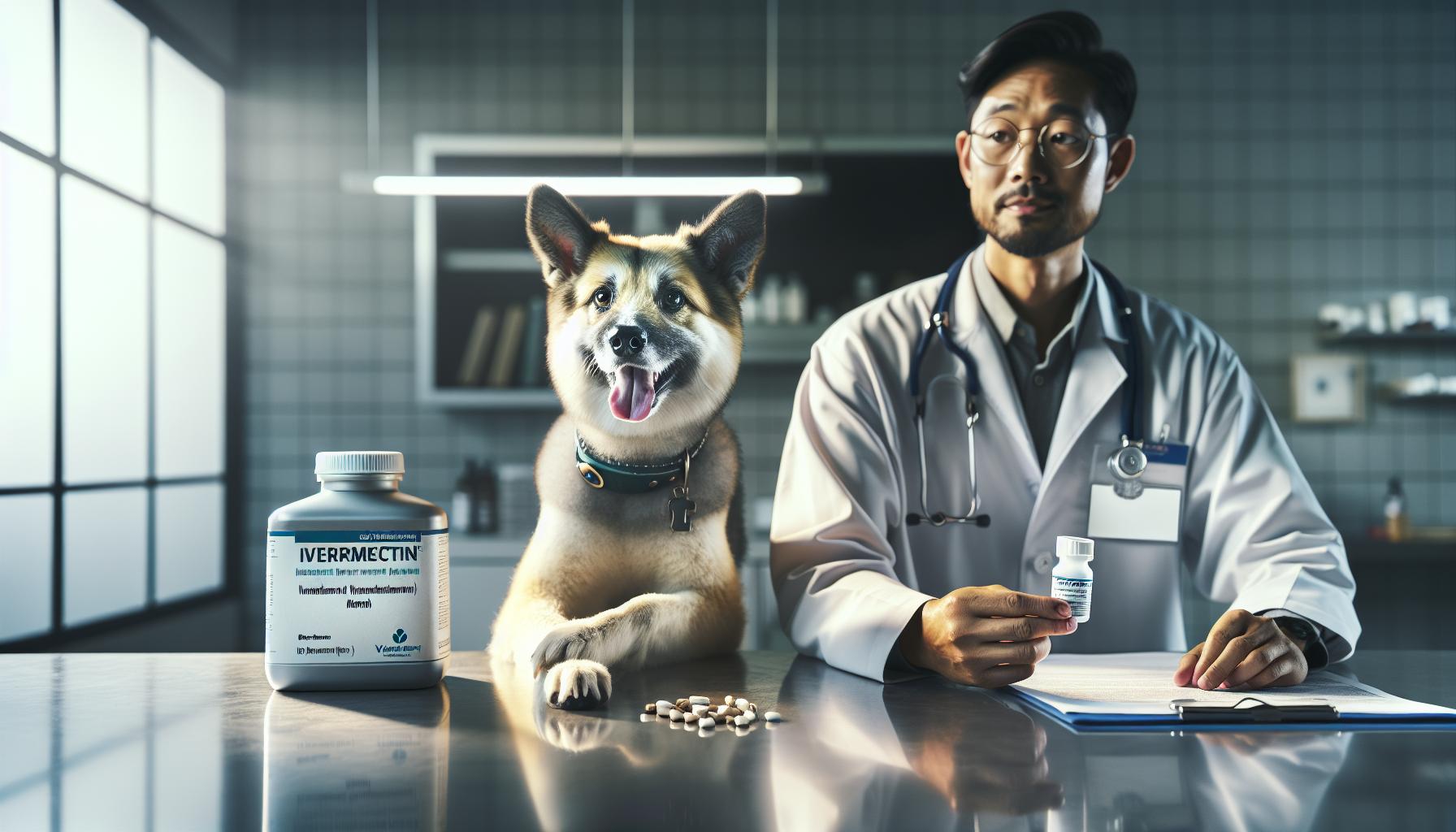
Signs of Ivermectin Toxicity in Dogs
Recognizing the is crucial for timely intervention and treatment. This potent antiparasitic medication, while effective, can lead to severe reactions, particularly in sensitive breeds such as Collies and other herding dogs. The distinct genetic predisposition in these animals makes them more susceptible to the neurotoxic effects of ivermectin, which can result in a spectrum of alarming symptoms.
Symptoms of ivermectin toxicity can manifest rapidly and can significantly affect a dog’s neurological and physical health. Pet owners should be vigilant for the following signs:
- Lethargy: A common early indicator; affected dogs may seem unusually tired or disinterested in regular activities.
- Disorientation: Dogs may appear confused or may even lose their sense of place, walking in circles or bumping into objects.
- Coordination Issues: Watch for staggering, wobbling, or difficulty in walking, which indicates potential central nervous system involvement.
- Vomiting: This can occur as the body reacts negatively to the medication.
- Seizures: In severe cases, ivermectin toxicity can lead to seizures, a clear medical emergency that requires immediate veterinary attention.
- Coma: The most severe manifestation of toxicity; dogs may lose consciousness and need prompt care.
Immediate recognition of these symptoms can be life-saving. If you suspect your dog may be suffering from ivermectin toxicity, it’s critical to contact your veterinarian right away. Providing your vet with as much detail as possible can help them assess the situation and determine the best course of treatment. Quick responses can make a significant difference in outcomes, highlighting the importance of understanding and monitoring your dog’s health when ivermectin is in use.
Immediate Actions to Take in Case of Toxicity
If you suspect your dog has ingested ivermectin or is exhibiting symptoms of toxicity, swift action is crucial. Ivermectin is a powerful antiparasitic medication that can lead to severe neurological issues, especially in sensitive breeds. Recognizing the signs early and knowing how to react can save your dog’s life.
First and foremost, contact your veterinarian immediately. They are best equipped to provide guidance tailored to your dog’s condition. Be ready to describe the situation in detail, including the amount of ivermectin ingested, the time of ingestion, and any symptoms you’re observing. This information will help your vet determine urgent next steps.
While waiting for veterinary assistance, ensure your dog is in a safe and quiet environment. Remove any potential hazards from the area, as disorientation or coordination issues may increase the risk of injury. If your dog is vomiting, try to keep them calm and discourage them from further attempts to vomit unless directed by your vet. Avoid administering any human medications or home remedies without professional advice, as they could complicate the situation or worsen the toxicity.
In cases where seizures occur, it is vital to keep the dog from injuring itself. Clear the area around them and gently guide them into a safe position-ideally on their side, which can help maintain airflow and reduce the chance of aspiration. Do not attempt to restrain their movements, but do keep fingers and objects away from their mouth to prevent accidental bites.
Prompt veterinarian intervention can make a significant difference in outcomes following ivermectin toxicity, including possible hospitalization for supportive care such as intravenous fluids, medications to control seizures, and monitoring in a controlled environment. Awareness and quick actions can lead to better recovery prospects for your furry friend.
Veterinary Treatments for Ivermectin Poisoning
The urgency of addressing ivermectin poisoning in dogs cannot be overstated; with its potential to cause severe neurological damage, timely veterinary intervention is crucial. Treatment strategies can vary significantly based on the severity of toxicity and the specific symptoms exhibited by the dog. Your veterinarian will likely start with a thorough assessment, which may include taking vital signs and performing blood tests to understand the extent of the toxicity.
Immediate Veterinary Care
In cases of suspected ivermectin poisoning, the first step is often decontamination. If the ingestion was recent, your veterinarian may induce vomiting or perform gastric lavage to remove the drug from the stomach. Activated charcoal may be administered to absorb any remaining ivermectin in the gastrointestinal tract. This intervention can significantly mitigate the effects if executed within a few hours of ingestion.
Symptom Management and Supportive Care
After initial decontamination, treatment moves to managing symptoms. Dogs experiencing seizures may be given anticonvulsant medications to control these episodes and prevent further brain injury. In addition to addressing seizures, supportive care such as intravenous fluids is essential to maintain hydration and support overall organ function. Monitoring in a veterinary facility allows for quick adjustments to treatment plans as necessary.
Long-Term Monitoring and Follow-Up
Recovery from ivermectin toxicity can vary; while some dogs may respond quickly and return to normal within a few days, others may experience prolonged neurological effects requiring ongoing support. Your veterinarian will recommend follow-up visits to assess recovery, identify any lingering complications, and adjust treatment as necessary. Keeping a close watch on your dog’s condition at home-observing for signs of lethargy, loss of coordination, or any changes in behavior-is also crucial to ensure a safe recovery.
By being proactive and seeking veterinary assistance immediately, you maximize your dog’s chances for a positive outcome after ivermectin exposure. The collaborative effort between pet owners and veterinarians can make all the difference in ensuring the health and well-being of your furry companion.
Long-term Effects of Ivermectin on Canines
The repercussions of ivermectin toxicity can extend far beyond the immediate symptoms observed in dogs, leading to a spectrum of long-term effects that owners must be vigilant about. While some dogs might recover fully within days, others may face enduring neurological challenges that require ongoing monitoring and care. Owners should be aware that the severity of exposure and individual dog factors, such as breed and overall health, play significant roles in recovery trajectories.
In the aftermath of ivermectin poisoning, neurological effects can be particularly concerning. Some dogs may exhibit lasting behavioral changes, such as increased anxiety or aggression, which can stem from brain injury caused by the toxicity. Additionally, coordination problems may persist, making activities like walking or playing difficult. Regular follow-ups with a veterinarian are essential during this recovery phase to assess these symptoms and adapt care plans accordingly.
Notably, the long-term health of dogs recovering from ivermectin intoxication can also hinge on how quickly and effectively they received treatment. For instance, delayed medical intervention can lead to more pronounced neurological deficits. Owners might consider incorporating supportive therapies, such as physical rehabilitation, to help improve mobility and coordination over time. Such therapies can be beneficial not just for healing but also for enhancing a dog’s quality of life, as they might regain confidence in their physical abilities.
Moreover, ongoing communication with your veterinarian is crucial. Delve into questions about your dog’s recovery process and potential complications that may arise months after the incident. Understanding the signs of lingering toxicity effects can empower dog owners to act swiftly if issues arise. Ultimately, a proactive approach to monitoring and treatment can make a significant difference, fostering better outcomes and extending the joy of companionship between you and your pet.
Prevention Strategies: Safeguarding Your Dog
One of the most effective ways to protect your dog from ivermectin toxicity is through proactive education and management of their environment. Understanding the sources and effects of ivermectin can empower dog owners to take preventive measures. Ivermectin, commonly used in various veterinary and parasitic treatments, can be particularly dangerous for certain breeds, such as Collies and other herding breeds that have a genetic sensitivity to this medication. It’s crucial to consult with a vet about safe alternatives if your dog falls into a high-risk category.
To minimize the risk of accidental exposure, follow these practical strategies:
- Secure storage: Always keep medications out of reach of pets. Store ivermectin and similar drugs in a locked cabinet to prevent accidental ingestion.
- Proper dosing: If your veterinarian prescribes ivermectin, ensure you understand the correct dosage for your pet’s specific weight and condition. Never administer medication intended for other animals or humans.
- Regular check-ups: Schedule regular veterinary visits to monitor your dog’s health and ensure they are up to date on preventative care. Discuss any medications your dog is currently taking and their potential interactions.
- Educate family and friends: Make sure everyone who interacts with your dog understands the risks associated with ivermectin and the importance of adhering to safe practices.
Being vigilant about your dog’s health, understanding breed sensitivities, and fostering a dialogue with your veterinarian will create a strong foundation for keeping your furry friend safe. Regularly educate yourself about potential poisons and know the first signs of ivermectin toxicity, which may include vomiting, disorientation, or lethargy. Having a plan can make all the difference in the unfortunate event of an exposure. By prioritizing prevention, you can ensure a healthier, happier life for your canine companion.
Home Remedies for Mild Toxicity Symptoms
Mild symptoms of ivermectin toxicity in dogs can often be addressed at home, providing pet owners with a crucial line of defense while waiting for veterinary guidance. Recognizing the early signs-such as slight lethargy, mild vomiting, or decreased appetite-can help in managing these symptoms effectively. However, it’s essential to remember that more severe symptoms warrant immediate veterinary attention.
One practical approach involves ensuring your dog stays hydrated, especially if they are experiencing vomiting or diarrhea. Offer fresh water frequently, and for dogs that might be reluctant to drink, consider enticing them with low-sodium chicken broth. Additionally, feeding small amounts of bland food, like boiled chicken and rice, can help settle their stomach and provide necessary nutrients without causing further irritation.
Another supportive measure is creating a calm environment for your pet. Reducing stress can significantly contribute to their recovery, so provide a comfortable space free from noise and other disturbances. Gentle petting or soothing words can also help your dog feel more at ease during this time. Keep watch on their behavior and physical condition, as monitoring is key to ensuring their recovery progresses positively.
When to Seek Veterinary Care
While these home remedies can effectively manage mild symptoms, it’s vital to remain vigilant. If symptoms persist or worsen, contact your veterinarian for professional advice. They can provide tailored recommendations based on your dog’s specific situation and may suggest further intervention if necessary, ensuring your furry friend receives the best care.
The Role of Dosage in Ivermectin Toxicity
Understanding the dosage of ivermectin is crucial for both efficacy and safety in canines. While this antiparasitic medication is widely used to treat various infestations, its narrow therapeutic index means that the margin between a therapeutic dose and a toxic dose can be surprisingly small. Consequently, improper dosing can lead to serious health consequences, making it imperative for dog owners to be aware of how dosage influences the severity of toxicity.
When administering ivermectin, the appropriate dosage often depends on several factors, including the dog’s weight, breed, and the specific formulation of the medication. For instance, dogs that are sensitive to ivermectin, such as those in herding breeds like Collies, may experience toxic effects at lower doses that would be safe for other breeds. A dosage that is safe for one dog may be perilous for another, highlighting the need for individualized treatment plans based on veterinary guidance.
It’s also important to recognize that the route of administration can impact how the drug is absorbed and metabolized in the body. Ivermectin is available in several forms, including topical, oral, and injectable, each with different bioavailability and risk profiles. For example, topical formulations may lead to variable absorption, especially if not applied correctly, while oral doses can present a risk of overdosing if not measured accurately. Therefore, pet owners should always adhere to their veterinarian’s prescribed plans and avoid self-medicating.
In cases of suspected overdose, symptoms can manifest quickly and can include lethargy, tremors, seizures, and even comas. Monitoring and recognizing these signs early can be life-saving. If you suspect your dog has ingested too much ivermectin or is showing signs of toxicity, contacting a veterinarian immediately is essential. Overall, understanding the critical role that dosage plays in ivermectin toxicity can empower pet owners to safeguard their furry companions from unnecessary harm.
Risks of Ivermectin Use in Different Dog Breeds
Certain dog breeds face a heightened risk of ivermectin toxicity due to genetic and physiological differences that influence how their bodies process the drug. Herding breeds, such as Collies, Shetland Sheepdogs, and Australian Shepherds, are particularly sensitive to ivermectin because they may have a genetic mutation that affects the permeability of the blood-brain barrier. This means a dose that is safe for non-sensitive breeds could lead to severe neurological effects, including tremors, seizures, or even death in these animals.
Another category of dogs at increased risk includes those that are mixed breed or unknown lineage, particularly if they exhibit similar characteristics to herding breeds. Additionally, smaller breeds may be more vulnerable due to their lower body weight, which makes even a minor overdose potentially dangerous. Understanding these breed-specific risks is essential for pet owners when considering ivermectin as a treatment option.
Key Factors Influencing Toxicity
It’s important to consider not only breed but also individual health factors such as age, weight, and pre-existing health conditions. Older dogs and those with compromised liver function may be less able to metabolize ivermectin safely. Therefore, evaluating each dog’s unique risk profile before administering ivermectin is crucial. Engaging with your veterinarian about specific breed sensitivities and any historical incidences of toxicity within breed lines can provide valuable insights.
Practical Advice for Pet Owners
To safeguard against ivermectin toxicity, dog owners should take proactive steps:
- Consult Your Vet: Always discuss with your veterinarian whether ivermectin is a suitable option for your dog, especially if it is a herding breed or smaller breed.
- Read Labels Carefully: If using OTC ivermectin products meant for livestock, ensure they are appropriate for canine use and review dosages meticulously.
- Monitor Closely: After administration, watch for any adverse effects and seek veterinary assistance immediately if toxicity symptoms arise.
Awareness and education regarding these breed-related risks can empower dog owners to make informed decisions and act swiftly to protect their furry companions from potentially harmful consequences of ivermectin misadministration.
Connecting with Your Vet: Essential Questions to Ask
Building a strong partnership with your veterinarian is essential, especially when navigating the complexities of ivermectin toxicity in dogs. Effective communication can lead to better decision-making and outcomes for your furry friend. To make the most of your vet visits, prepare a set of targeted questions that address your dog’s unique needs and risks associated with ivermectin use.
Start by inquiring about the specific dosage and administration guidelines for ivermectin. Ask, “What is the appropriate dosage for my dog’s weight and breed, and how should it be administered?” This is crucial, as incorrect dosing can lead to serious toxicity, especially in breeds more susceptible to ivermectin’s effects. Following this, delve into potential side effects by asking, “What signs of toxicity should I monitor for after administering ivermectin?” Understanding what to watch for can empower you to act swiftly if any adverse reactions occur.
It’s also important to discuss your dog’s overall health. Pose questions like, “Can my dog’s age or any pre-existing health conditions affect the safety of ivermectin?” A comprehensive health evaluation can highlight risks that might not be apparent initially. Additionally, inquire about alternatives by asking, “Are there safer alternatives to ivermectin for my dog’s condition?” This opens the door to exploring other treatment options that may pose less risk.
Lastly, consider the context of ivermectin use within your veterinary practice. Ask about past experiences by inquiring, “What has been your experience with ivermectin toxicity in similar breeds?” This can provide insight into the vet’s expertise and awareness of the nuances involved in treating specific dog breeds. Moreover, ensure you leave with a clear plan for monitoring your dog’s recovery, such as, “What follow-up actions do you recommend if I notice any concerning symptoms?” This proactive approach can help to safeguard your dog’s health and ensure a successful recovery from any potential ivermectin exposure.
Monitoring Recovery: What to Watch For
Recognizing the signs of ivermectin toxicity and effectively monitoring recovery in your dog is crucial for ensuring a successful healing process. Following administration, vigilance is key; many symptoms can manifest in the first hours or days after exposure. Common signs to watch for include lethargy, weakness, unsteady gait, seizures, and any changes in behavior such as increased aggression or anxiety. Because these symptoms can escalate quickly, early detection and intervention are essential.
What to Observe
Regular observation of your dog’s daily activities can provide vital insights into their recovery. Take note if they show reluctance to engage in routine activities like walking or playing. Changes in appetite or drinking habits are also significant; a decline may indicate ongoing issues. Other symptoms of concern include:
- Vomiting or diarrhea
- Tremors or muscle twitching
- Abnormal pupil size or vision issues
- Difficulty breathing or unusual respiratory patterns
If any of these signs appear, swift action by contacting your veterinarian can be lifesaving. Have real-time updates on your dog’s condition ready for the vet, including the specific ivermectin dosage given and the timeframe since administration.
Assessing Recovery
As your dog begins to recover, you should start to notice a gradual return to normal behavior. Monitor their ability to stand, walk, and interact with family members. Keep a close watch for signs of fatigue; short bouts of play followed by rest can be expected initially but should improve rapidly as recovery progresses.
It’s also important to keep track of their vitals, if possible. Measuring heart rate, respiration, and overall demeanor can provide valuable data to share with your veterinarian during follow-up visits. Effective communication around these observations is critical. For instance, informing your vet when your dog begins eating and drinking normally again can indicate a turning point in their recovery.
Supporting your dog post-exposure is vital, not just in terms of physical recovery but also in monitoring their emotional well-being. Pets can experience stress after health scares, so creating a calm and supportive environment will aid their overall recovery. By staying alert to changes in behavior, appetite, and activity levels, you equip yourself with the tools necessary to foster your dog’s health and well-being following potential ivermectin toxicity.
Expert Insights: Voices from Veterinarians and Toxicologists
Veterinarians and toxicologists emphasize that understanding the nuances of ivermectin toxicity is crucial for every dog owner. One common misconception is that all dogs can tolerate the same dosage of ivermectin, but this simply isn’t true. Certain breeds, particularly herding dogs like Collies and Australian Shepherds, have a genetic predisposition that makes them more susceptible to ivermectin’s toxic effects. This is due to a mutation in the MDR1 gene, which affects drug metabolism. Pet owners are therefore strongly advised to consult with their veterinarian before administering any medication that contains ivermectin.
The recovery process following ivermectin exposure can vary significantly among dogs. It’s imperative for pet owners to provide constant monitoring during this time. Veterinarians highlight the importance of documenting specific symptoms-such as changes in gait, appetite, and energy levels-and sharing these observations with the veterinarian. This detailed information can guide treatment decisions and help track recovery progress. Effective communication about your dog’s condition, including the dosage and timing of ivermectin administration, can make a significant difference in treatment outcomes.
Moreover, veterinarians recommend a proactive approach to prevention. Pet owners should always store medications securely and ensure their dogs are not exposed to products intended for other species, such as livestock. As veterinarians often advise, “A little caution goes a long way.” Having an emergency plan in place, which includes a list of local veterinary clinics and poison control hotlines, can reduce panic and improve outcomes should an accidental ingestion occur.
In conclusion, expert perspectives underscore the balance between treatment, monitoring, and prevention. As more studies emerge regarding the effects of ivermectin, ongoing education for pet owners becomes essential. The aim is not just to treat but also to prevent potential toxicities, ensuring our furry companions lead healthy, happy lives. Staying informed and vigilant can empower dog owners to make the best decisions for their pets’ health.
Frequently Asked Questions
Q: What should I do if I suspect my dog has ingested ivermectin?
A: If you suspect your dog has ingested ivermectin, contact your veterinarian immediately. Provide details about the amount consumed and your dog’s weight. Quick action can significantly influence the recovery outcomes and may involve treatment that starts as soon as possible.
Q: How can I prevent ivermectin toxicity in my dog?
A: To prevent ivermectin toxicity, only use medications prescribed by a veterinarian specifically for your dog. Keep large animal ivermectin products out of reach, and be cautious if your dog has access to areas where such treatments are used, as exposure can occur through feces from treated animals.
Q: Can ivermectin toxicity affect different dog breeds differently?
A: Yes, certain breeds, particularly those with the MDR1 mutation (like Collies), are more susceptible to ivermectin toxicity. These dogs may develop toxic effects at lower doses, which is crucial to consider when administering any treatments that contain ivermectin.
Q: What symptoms indicate severe ivermectin toxicity in dogs?
A: Severe symptoms of ivermectin toxicity in dogs can include persistent lethargy, seizures, excessive salivation, and loss of coordination. If you notice these signs, seek veterinary care immediately as they require urgent treatment to address potential life-threatening conditions.
Q: How long does it take for a dog to recover from ivermectin toxicity?
A: Recovery time from ivermectin toxicity varies and can take from a few days to several weeks, depending on the severity of symptoms and treatment. Monitoring your dog during recovery is essential to ensure they are returning to normal behavior and health.
Q: Are there any home remedies for treating mild ivermectin toxicity?
A: For mild ivermectin toxicity, consult your veterinarian for guidance. They may recommend monitoring your dog closely and providing supportive care such as hydration and rest. Do not attempt home remedies without professional advice, as incorrect treatments can worsen the condition.
Q: What additional tests might my veterinarian conduct for suspected ivermectin toxicity?
A: Your veterinarian may conduct several tests, including blood tests and neurological examinations, to assess your dog’s health status and the impact of the toxicity. These diagnostics help to tailor an effective treatment plan specific to your dog’s needs.
Q: How does ivermectin interact with other medications in dogs?
A: Ivermectin can interact with various medications, leading to increased toxicity risks or reduced effectiveness. Always inform your veterinarian about any other medications your dog is taking, as they can advise on safe combinations and potential risks.
Concluding Remarks
Understanding ivermectin toxicity in dogs is crucial for your pet’s health and safety. Remember, if you suspect your dog has ingested too much ivermectin, immediate veterinary attention is essential. Don’t hesitate to educate yourself further about the symptoms, treatment options, and the risks associated with this common medication. To dive deeper, check out our articles on recognizing emergency signs and preventing toxicity in dogs.
We value your commitment to your pet’s well-being. For regular updates and expert tips on dog health, consider signing up for our newsletter. Your proactive approach can make a significant difference in your furry friend’s life. Explore more of our resources and continue to be a responsible pet parent-the health of your dog depends on it!
Get our latest guides, news, and insights highlighted in your Google Search & AI Overviews.