Ivermectin, widely known as an effective anti-parasitic treatment in humans and animals, poses unique risks, especially among certain dog breeds. It’s crucial for pet owners to understand the potential for ivermectin toxicity and the breeds most at risk, such as Collies and Shepherds. This knowledge empowers you to safeguard your furry friends against inadvertent exposure and harmful consequences. As veterinary medicine evolves, discussions surrounding “safe” uses of ivermectin and its companion products have stirred confusion and concern among pet owners. By exploring its effects and preventive measures, you can make informed decisions that prioritize your dog’s health and wellbeing. Join us as we delve into the essentials of preventing ivermectin toxicity in vulnerable dog breeds, ensuring your beloved pets remain safe and healthy.
Understanding Ivermectin Toxicity in Dogs
Dogs are vulnerable to various toxins, and one of the most concerning for pet owners is ivermectin. This antiparasitic medication, commonly used in livestock and some dogs, can lead to severe toxicity, particularly in certain breeds. Understanding the mechanics of ivermectin toxicity is crucial for pet owners, especially when considering treatment options and preventive measures.
Ivermectin acts by binding to specific receptors in the nervous system of parasites, leading to paralysis and death. Unfortunately, some dog breeds, especially those with a genetic mutation affecting their ability to metabolize the drug, are at high risk. Breeds such as Collies, Shetland Sheepdogs, and Australian Shepherds are particularly susceptible due to a mutation in the MDR1 gene, which encodes for a protein that protects the brain from toxins. In these breeds, even a small dose of ivermectin can lead to neurological symptoms and, in extreme cases, death.
Recognizing the risks associated with ivermectin is vital not just for preventing accidental poisoning but also for those seeking to use the medication as a treatment for heartworm or external parasites. Educating oneself about dosage, the potential for adverse effects, and alternative treatments can safeguard vulnerable breeds. Pet owners should always consult with a veterinarian before administering any medication and ensure they are aware of their dog’s breed-specific sensitivities.
Common Dog Breeds Susceptible to Ivermectin Toxicity
Certain dog breeds are particularly vulnerable to ivermectin toxicity due to a genetic predisposition that affects their ability to metabolize the drug. The most notable examples include the Collie, Shetland Sheepdog, and Australian Shepherd. These breeds possess a mutation in the MDR1 gene (Multidrug Resistance gene), which normally encodes for a protein that helps protect the brain from potentially harmful substances. Without this protective mechanism, even a small dose of ivermectin can lead to severe neurologic signs and adverse reactions.
Additionally, other breeds that may show increased sensitivity include the American Staffordshire Terrier, Boxer, and certain mixed-breed dogs that might carry the same genetic markers. It’s crucial for dog owners to be aware of their pet’s breed and the associated risks when considering medications that contain ivermectin. Responsible pet ownership entails being informed and cautious, particularly when it comes to administering treatments for parasites, such as heartworm or mites, which might include ivermectin as an active ingredient.
To further safeguard these susceptible breeds, pet owners should consult their veterinarian before administering any medication. This is especially true if their dog belongs to these high-risk categories. Careful monitoring and adherence to prescribed dosages can all contribute to preventing potential toxicity and promoting a healthier outcome for our four-legged companions.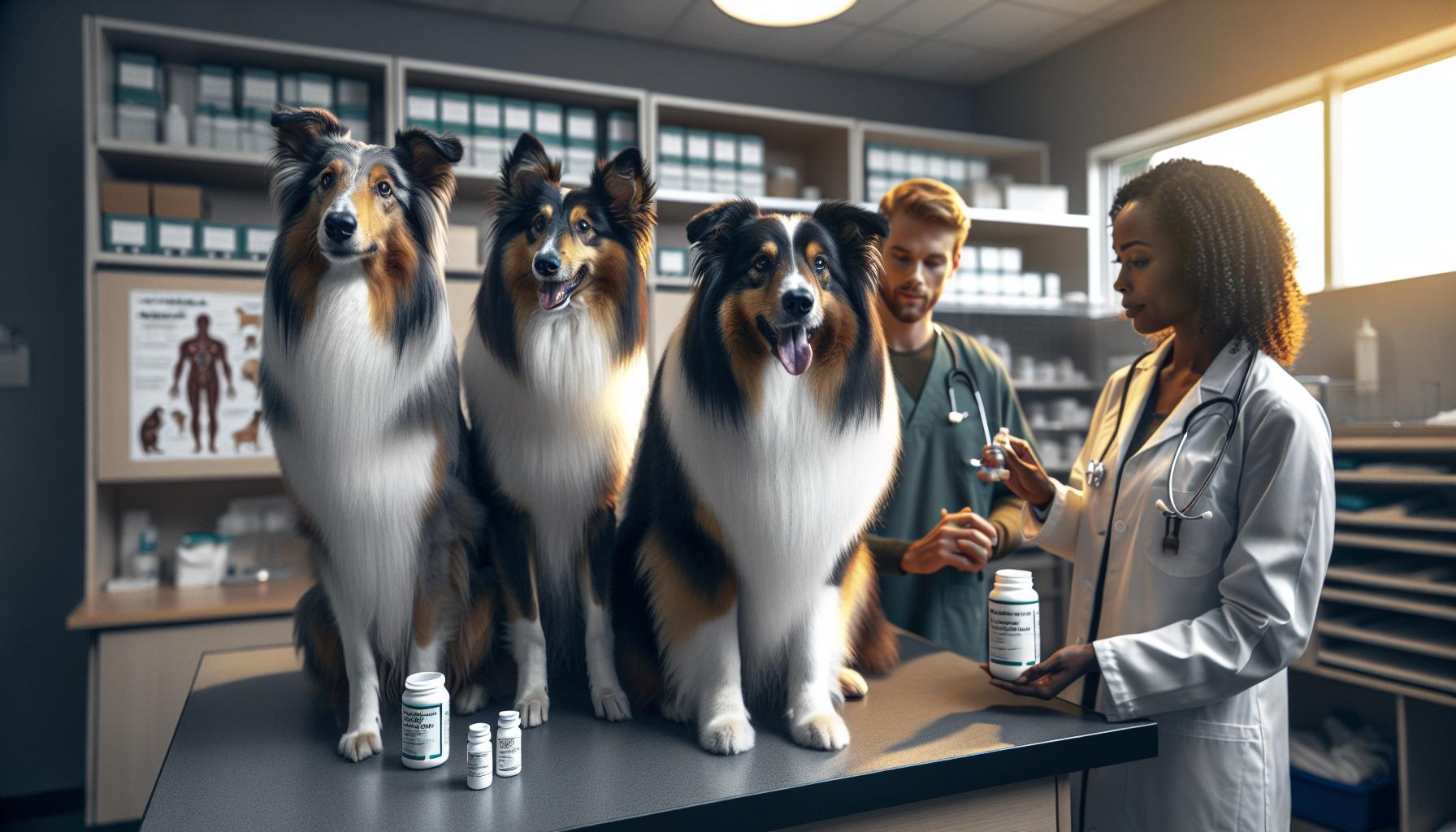
Signs and Symptoms of Ivermectin Poisoning in Dogs
The potential dangers of ivermectin are notably pronounced in dogs, especially in breeds genetically predisposed to toxicity. Recognizing the signs and symptoms of ivermectin poisoning is crucial for the timely intervention that can save a pet’s life. When a dog is exposed to harmful levels of this medication, various clinical signs may present, ranging from subtle to severe.
Dogs experiencing ivermectin toxicity may exhibit neurological symptoms, which are often the most alarming. These can include:
- Ataxia: A lack of coordination that may cause the dog to stumble or appear dizzy.
- Seizures: Seizures can occur and vary in intensity and duration.
- Excessive Salivation: Dogs may drool excessively as a response to nausea or oral discomfort.
- Disorientation: Affected dogs may seem dazed or confused, showing signs of altered mental status.
- Pupil dilation: Eyes may appear overly dilated, indicating neurological distress.
- Vomiting: Gastrointestinal upset is common, leading to episodes of vomiting.
Additionally, more severe cases may manifest as depression or lethargy, where a dog may be unresponsive or lack energy. It’s essential to remember that the onset of symptoms can vary depending on the dose and the individual dog’s sensitivity. If any of these signs are observed-especially in breeds like Collies, Shetland Sheepdogs, and Australian Shepherds-it is critical to seek veterinary assistance immediately.
Quick recognition and response to these signs can make a significant difference in the outcome for a dog suffering from ivermectin toxicity. By staying informed and aware of these symptoms, dog owners can ensure the safety and well-being of their pets during treatment or exposure to potentially harmful medications.
Preventive Measures for Dog Owners
Understanding the potential risks associated with ivermectin is essential for dog owners, particularly for those with breeds prone to toxicity. Taking proactive steps can help prevent accidental exposure and ensure the safety and well-being of your pet. Here are several effective preventive measures every dog owner should consider.
First and foremost, it’s crucial to consult with a veterinarian before administering any medication, including ivermectin. This is especially important for breeds known to be sensitive to ivermectin, such as Collies, Shetland Sheepdogs, and Australian Shepherds. Your veterinarian can provide guidance on safe dosages and alternative treatments specific to your dog’s health needs. Additionally, keep all medications securely stored and out of reach to prevent any accidental ingestion.
Education plays a vital role in prevention. Familiarize yourself with the signs of ivermectin toxicity so that you can act quickly should an incident occur. Share this information with family members and anyone else who may be responsible for your pet. Training and socializing your dog can also minimize the risk of unexpected encounters with potentially harmful substances, whether during walks or at dog parks.
Another key strategy is to be cautious when using ivermectin-containing products, such as heartworm prevention. Always check product labels and closely follow instructions. When introducing new medications or treatments, monitor your dog for any side effects and report any unusual behavior to your veterinarian immediately. In addition, regularly assess your dog’s environment for potential hazards, such as food scraps, household chemicals, or wild parasites, which can also pose health risks.
In summary, taking these preventive measures can significantly reduce the risk of ivermectin toxicity in dogs. By staying informed, consulting with professionals, and maintaining a vigilant environment, pet owners can help ensure their furry friends lead healthy and happy lives.
Emergency Response: What to Do When Ivermectin Toxicity is Suspected
When it comes to the health of our furry friends, swift action can be the difference between a minor incident and a serious health crisis. If you suspect that your dog has been exposed to ivermectin, it is vital to respond quickly and effectively. Time is of the essence, and understanding the proper steps can help mitigate the effects of toxicity.
The very first step is to evaluate the situation. If you know that ivermectin was ingested, or if your dog is displaying concerning symptoms such as lethargy, vomiting, diarrhea, tremors, or seizures, it is crucial to remain calm while preparing for immediate action. Contact your veterinarian or an emergency animal poison control hotline right away. Provide them with details about your dog’s breed, weight, the amount of ivermectin likely ingested, and the symptoms you are observing. They can determine how critical the situation is and advise you on the next steps, which may include bringing your dog in for emergency care.
After contacting a professional, monitor your dog closely for any changes in behavior or symptoms. If there are more severe signs of distress, such as difficulty breathing or loss of consciousness, prepare to take your pet to an emergency veterinary clinic immediately. While in transit, keep your dog calm and safe. If you’ve been advised to induce vomiting (which should only be done under the guidance of a veterinary professional), do so appropriately and safely if directed.
Ultimately, being knowledgeable about the risks associated with ivermectin and recognizing the signs of toxicity can empower dog owners to respond more effectively during emergencies. Advocating for your pet’s health by being prepared and informed is paramount. Early intervention can dramatically affect outcomes, so keep the contact information for veterinary services and poison control accessible at all times.
The Role of Weight and Size in Ivermectin Toxicity Risk
The potential for ivermectin toxicity in dogs can vary significantly based on their weight and size. This variance is crucial for dog owners to understand, as it directly influences the dosage that can lead to toxicity and the subsequent risk factors associated with ivermectin exposure.
Smaller breeds, due to their reduced body mass, are particularly susceptible to the effects of ivermectin. For example, a breed like the Chihuahua may experience adverse effects from doses that are relatively safe for larger breeds like Labrador Retrievers. This is because the margin for error in dosing is much thinner for smaller dogs, making even minor miscalculations in administration dangerously impactful. In contrast, larger dogs have more body mass to metabolize the drug, but that does not provide them immunity; certain large breeds, such as Collies and Shetland Sheepdogs, possess a genetic predisposition to ivermectin sensitivity due to a mutation that affects drug metabolism.
To manage the risks associated with ivermectin toxicity, dog owners should consider the following preventive measures:
- Weight Assessment: Always ensure that your dog is accurately weighed before any medication is administered to avoid dosage errors.
- Breed Awareness: Familiarize yourself with your dog’s breed and its sensitivity to ivermectin. Consult with your veterinarian if you have any concerns.
- Dosage Guidelines: Strictly adhere to prescribed dosage guidelines. Veterinarians often calculate doses based on body weight; thus, using precise scales can prevent dangerous overdoses.
- Monitor Reactions: After administering ivermectin, closely observe your dog for any unusual symptoms that may indicate toxicity.
Second to proper administration is having a comprehensive understanding of each dog’s unique health profile, as conditions like liver disease or age-related factors can amplify the risk of ivermectin toxicity. Ignoring these variables can lead to severe consequences, underscoring the need for diligence and careful planning in medication management. Being informed and proactive about your dog’s needs can significantly enhance their safety and well-being in relation to ivermectin use.
Safe Alternatives: What to Use Instead of Ivermectin
There are numerous effective and safer alternatives to ivermectin when it comes to managing parasites in dogs, especially for breeds that are genetically predisposed to toxicity. Understanding these options can empower dog owners to make informed decisions tailored to their pet’s specific needs.
One of the most widely used alternatives is milbemycin oxime, which is effective against a variety of parasites including heartworms and certain intestinal worms. It is often better tolerated in sensitive breeds, making it a suitable choice for smaller dogs susceptible to ivermectin toxicity. Another option is selamectin, available in topical form, which can treat a host of parasites while minimizing systemic exposure. This is particularly beneficial for breeds like Collies who are at risk for neurological side effects from ivermectin.
For dog owners who prefer holistic approaches, herbal remedies such as diatomaceous earth can be incorporated into a dog’s diet to help manage internal parasites. This natural powder can be mixed into food and works mechanically to eliminate worms. Additionally, some supplements, like pumpkin seeds, are known for their natural deworming properties, making them a safe and palatable alternative for many dogs.
It’s crucial for dog owners to consult with their veterinarian before switching medications or trying new products. A veterinarian can help identify the most appropriate and effective treatments based on the individual dog’s health status, size, and breed. By exploring these alternatives, pet owners can better safeguard their furry companions against parasites without risking the potentially harmful effects of ivermectin.
Veterinary Insights: Expert Opinions on Ivermectin Use
Veterinary professionals emphasize the critical importance of understanding the potential risks associated with ivermectin use in dogs, particularly for breeds that are genetically predisposed to toxicity. One compelling insight from veterinarians is that while ivermectin can be a highly effective antiparasitic treatment, it is essential for dog owners to recognize which breeds are at greater risk. Breeds such as Collies, Shetland Sheepdogs, and other herding dogs have a genetic mutation that limits their ability to metabolize ivermectin, making them particularly vulnerable.
Expert opinion consistently highlights the role of comprehensive veterinary guidance in managing parasitic infections. Veterinarians advocate for individualized treatment plans that consider the dog’s breed, size, and overall health. For instance, in cases involving breeds known for their sensitivity to ivermectin, professionals often recommend alternative medications like milbemycin oxime or selamectin, which tend to have a better safety profile in high-risk dogs. This tailored approach prevents adverse reactions and ensures effective parasite control.
Beyond medication choices, veterinarians also stress the importance of ongoing client education. They encourage dog owners to maintain open communication regarding any changes in their pet’s behavior or health after administering antiparasitic treatments. Staying vigilant about signs of toxicity-such as lethargy, vomiting, or unusual neurological symptoms-allows for prompt intervention if needed. Additionally, veterinarians recommend regular parasite screenings to tailor prevention methods for each specific dog.
Ultimately, the collaborative relationship between pet owners and veterinarians is vital for successful parasite management and prevention of ivermectin toxicity. By fostering this partnership, owners can make informed, safe decisions about their pet’s health, ensuring a happier and healthier life for their canine companions.
Frequently Asked Questions About Ivermectin and Dogs
Understanding the complexities of ivermectin use in dogs raises many questions among pet owners, particularly regarding its safety and potential risks. Ivermectin, while effective against various parasites, can lead to serious toxicity in certain breeds. This raises concerns that merit discussion. Below are answers to some of the most frequently asked questions about ivermectin and its impact on dogs.
What breeds are most susceptible to ivermectin toxicity?
Certain breeds, particularly herding dogs, are genetically predisposed to ivermectin toxicity due to a mutation in the MDR1 gene. Breeds such as Collies, Shetland Sheepdogs, and Australian Shepherds are known to have heightened sensitivity. It’s crucial for pet owners of these breeds to consult a veterinarian before administering any ivermectin-containing products.
What are the signs of ivermectin poisoning in dogs?
Recognizing the signs of ivermectin toxicity early can be lifesaving. Symptoms may include:
- Lethargy or weakness
- Drooling
- Vomiting
- Diarrhea
- Ataxia (lack of coordination)
- Seizures
If pet owners observe any of these symptoms after administering ivermectin, it is crucial to contact a veterinarian immediately.
How can I prevent ivermectin toxicity in my dog?
Prevention is key when it comes to ivermectin use. To minimize the risk:
- Consult your veterinarian about your dog’s breed and potential risks before administration.
- Consider alternative antiparasitic medications specifically formulated for sensitive breeds, such as milbemycin oxime or selamectin.
- Regularly screen your dog for parasites to allow for timely treatment adjustments.
What should I do if I suspect my dog has ingested too much ivermectin?
In the event of suspected ivermectin toxicity, immediate action is necessary. Contact your veterinarian or an emergency animal clinic right away for guidance. They may recommend treatments such as intravenous fluids, medications to control seizures, or other supportive care to aid recovery.
By staying informed and proactive, pet owners can help safeguard their dogs against the risks associated with ivermectin while ensuring effective parasite management. Understanding and addressing these frequently asked questions fosters a better partnership with veterinarians and enhances the overall health and well-being of our canine companions.
Understanding Ivermectin: What Every Dog Owner Should Know
Many dog owners are unaware that while ivermectin can be a powerful antiparasitic medication, it also poses significant risks to certain breeds. This stems from a genetic mutation in the MDR1 gene prevalent in specific breeds, particularly in herding dogs like Collies, Australian Shepherds, and Shetland Sheepdogs. The mutation affects the blood-brain barrier, leading to increased sensitivity to ivermectin, making these dogs more susceptible to toxicity even at normal doses. Therefore, understanding the implications of ivermectin use is crucial for responsible pet ownership.
Pet owners should always consult their veterinarian before using ivermectin, particularly if they have one of the at-risk breeds. This proactive step can help to avoid accidental overdoses and the dangerous consequences that can ensue. It’s equally vital to be informed about the alternative treatments available. Options such as milbemycin oxime and selamectin can be safer choices for sensitive breeds. Regular check-ups and screenings for parasites not only keep your dog healthy but also provide an opportunity to discuss any concerns about medication with your vet.
In the unfortunate event that a dog shows signs of ivermectin toxicity, which may include lethargy, drooling, or seizures, it’s essential to act quickly. Immediate veterinary assistance can make a significant difference in treatment outcomes. Being knowledgeable and vigilant can not only prevent toxic reactions but also promote the overall well-being of your furry friend. The relationship between pet owners and veterinarians is key to managing the risks associated with ivermectin and ensuring that effective parasite control strategies are in place.
Frequently Asked Questions
Q: What breeds are most affected by ivermectin toxicity?
A: Breeds such as Collies, Shetland Sheepdogs, and Australian Shepherds are particularly vulnerable to ivermectin toxicity. Their genetic predisposition makes them more sensitive to this medication. Owners of these dog breeds should exercise extra caution regarding ivermectin exposure to prevent potential health issues.
Q: How can I prevent ivermectin toxicity in my dog?
A: To prevent ivermectin toxicity, always consult your veterinarian before administering any medication. Ensure that your dog is not given any products labeled for livestock or if they belong to a breed predisposed to toxicity. Keep all medications securely stored away from pets.
Q: What should I do if my dog accidentally ingests ivermectin?
A: If your dog accidentally ingests ivermectin, contact your veterinarian immediately. Be prepared to provide details about the amount ingested and your dog’s weight. Prompt action can significantly improve outcomes in cases of toxicity.
Q: Are there alternative treatments for parasites in dogs?
A: Yes, there are several safe alternatives to ivermectin for treating parasites in dogs. Products containing milbemycin oxime or selamectin are often used. Always consult your veterinarian for the best alternative based on your dog’s specific needs and health status.
Q: How does a dog’s weight affect ivermectin toxicity?
A: A dog’s weight plays a critical role in the risk of ivermectin toxicity. Smaller dogs generally require lower dosages, making them more susceptible to negative effects. Always take your dog’s weight into account when discussing medication options with your vet.
Q: What are the long-term effects of ivermectin exposure in dogs?
A: Long-term exposure to ivermectin can lead to neurological issues, including seizures and coordination problems, especially in sensitive breeds. Regular veterinary check-ups can help monitor any side effects from past ivermectin use.
Q: How can I recognize early signs of ivermectin poisoning?
A: Early signs of ivermectin poisoning may include lethargy, vomiting, and lack of coordination. If you notice these symptoms, seek veterinary care immediately for proper assessment and treatment.
Q: Where can I find reliable information about ivermectin use in dogs?
A: Reliable information about ivermectin use in dogs can be found through your veterinarian, veterinary websites, and trusted pet health organizations. For detailed insights, refer to sections on preventative measures and emergency responses in comprehensive articles on dog health.
The Way Forward
Understanding ivermectin toxicity in specific dog breeds is crucial for every pet owner. By recognizing the signs and implementing preventive measures, you can safeguard your furry friends from potential harm. Don’t wait until it’s too late; keep your pets safe and informed about their health needs.
For further insights, explore our articles on “Common Symptoms of Ivermectin Toxicity” and “Safe Medication Practices for Your Pets.” If you’re considering ivermectin for your dog, consult your veterinarian to discuss your options. Every breed is different, and tailored advice is key to their safety!
We’d love to hear your thoughts-share your experiences in the comments below, and don’t forget to sign up for our newsletter for the latest insights on pet health. Together, we can ensure a happy and healthy life for our beloved companions!
Get our latest guides, news, and insights highlighted in your Google Search & AI Overviews.