Understanding the ivermectin withdrawal period for livestock is crucial for farmers and animal health practitioners. Properly managing this timeline ensures meat and dairy products are safe for consumption, preventing potential health risks and regulatory penalties. Did you know that the withdrawal period can vary significantly depending on the species treated and the formulation used? By delving into the specifics of ivermectin use, including its effects on different livestock, readers can gain valuable insights into optimizing animal health while safeguarding food safety. This guide will explore the essential timelines and considerations that influence these decisions, offering practical advice and fostering a deeper understanding of responsible animal husbandry practices.
Ivermectin: What You Need to Know for Livestock
Understanding how to safely administer Ivermectin to livestock is essential for animal health and food safety. This antiparasitic medication is widely used to treat various parasitic infections in livestock, offering a reliable solution for producers. However, one critical aspect that every livestock owner must consider is the withdrawal period-the time frame that must elapse after treatment before the animal’s meat, milk, or eggs can be safely consumed. Ignoring these guidelines can pose serious health risks to consumers and lead to significant legal consequences for producers.
When discussing Ivermectin use in livestock, it’s important to acknowledge the varying withdrawal times across species. Factors like metabolism, the nature of the product used, and animal weight influence these periods. For instance, cattle and sheep typically require a longer withdrawal period compared to swine or poultry. As a general guideline, producers should always refer to product labeling and consult with a veterinarian to establish precise timelines tailored to their specific livestock and environmental conditions, ensuring compliance with regulations.
Best practices for updating management systems regarding Ivermectin administration can significantly mitigate risks associated with withdrawal periods. Maintain detailed records that document not only the date of administration but also the specific product used and the observed withdrawal recommendations. Employing reminder systems to alert producers when animals in treatment are nearing their withdrawal timelines is also a smart strategy. Engaging with veterinary professionals for guidance on appropriate dosages and monitoring post-treatment animal health supports responsible use while maximizing efficacy.
In light of ongoing research into the impacts of Ivermectin on animal health and food safety, livestock owners must stay informed about the latest findings and regulatory changes. Engaging with veterinary experts ensures that they are equipped with current knowledge about the effectiveness and safety of treatments, reinforcing best practices throughout their operations and promoting healthier livestock and safer food production.
Understanding the Importance of Withdrawal Periods
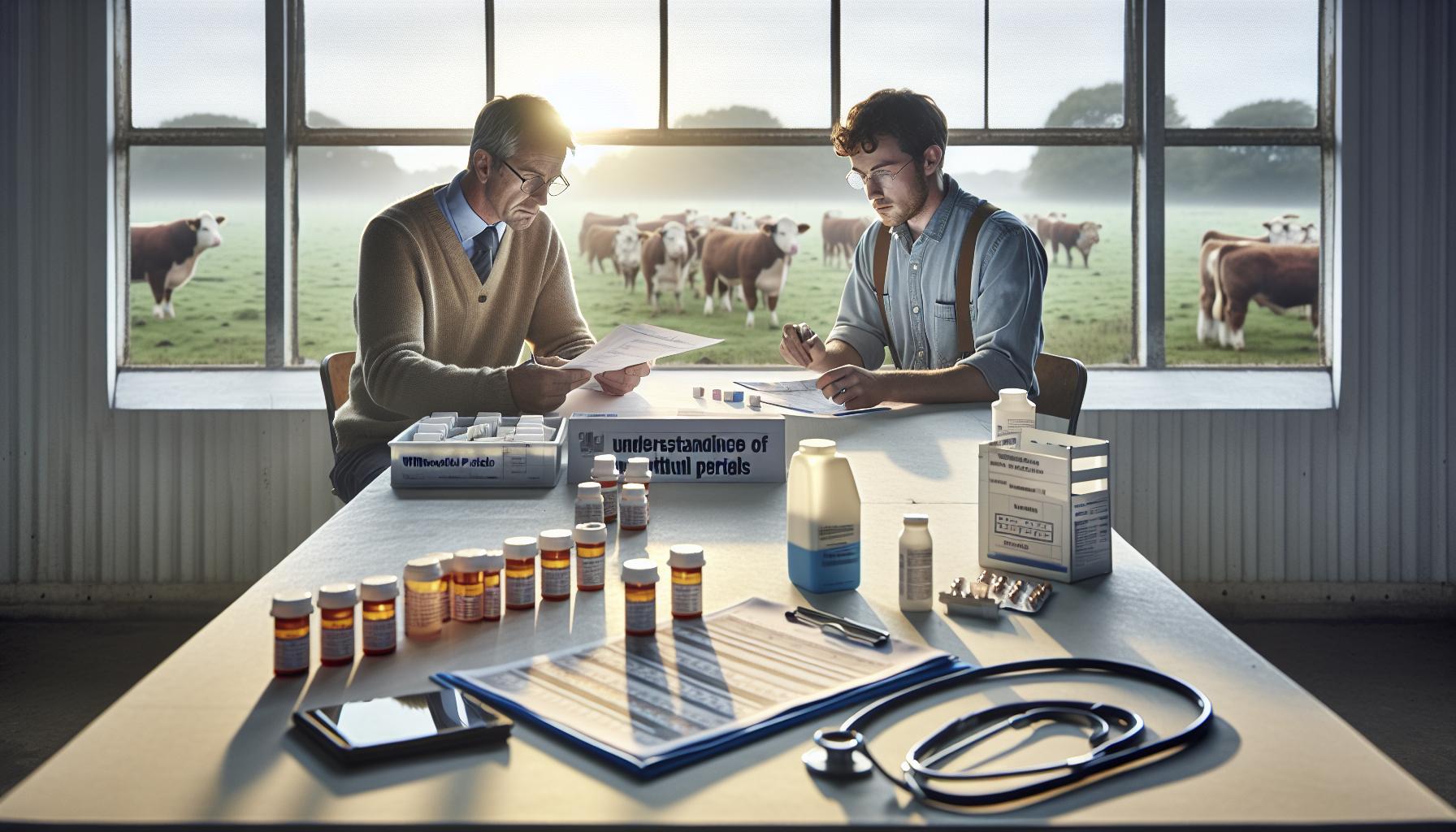
Adhering to the established withdrawal periods for medications like Ivermectin is vital for ensuring food safety and maintaining consumer health. Withdrawal periods refer to the specific duration that must pass after administering Ivermectin before livestock products-such as meat, milk, or eggs-can be deemed safe for human consumption. Failure to observe these timelines can lead to harmful residues remaining in animal products, potentially causing adverse reactions in consumers or triggering regulatory penalties for producers.
The importance of these withdrawal times is underscored by the pharmacokinetics of Ivermectin, which can vary significantly among different species and even within individuals of the same species. For example, cattle may require a longer withdrawal period compared to poultry due to differences in metabolism and the elimination rate of the drug from their systems. As such, understanding these nuances is essential for farmers, animal health technicians, and veterinarians who must navigate the complexities of medication administration responsibly.
Practically, to ensure compliance with withdrawal periods, livestock producers should always consult specific product labeling and veterinary recommendations. Maintaining comprehensive records of medication administration-including exact dosages, treatment dates, and the applicable withdrawal periods-can greatly reduce the likelihood of accidental violations. Furthermore, implementing automated reminder systems can assist in tracking these timelines, providing an additional layer of assurance that products are safe for market.
In conclusion, respecting withdrawal periods is not merely a regulatory obligation; it is a critical aspect of ethical livestock management that prioritizes consumer safety. By upholding these guidelines, producers not only protect their customers but also enhance the credibility and sustainability of their farming practices. Monitoring ongoing research and regulatory updates will further equip producers to make informed decisions, ultimately fostering a healthier agricultural ecosystem.
How to Calculate Ivermectin Withdrawal Times
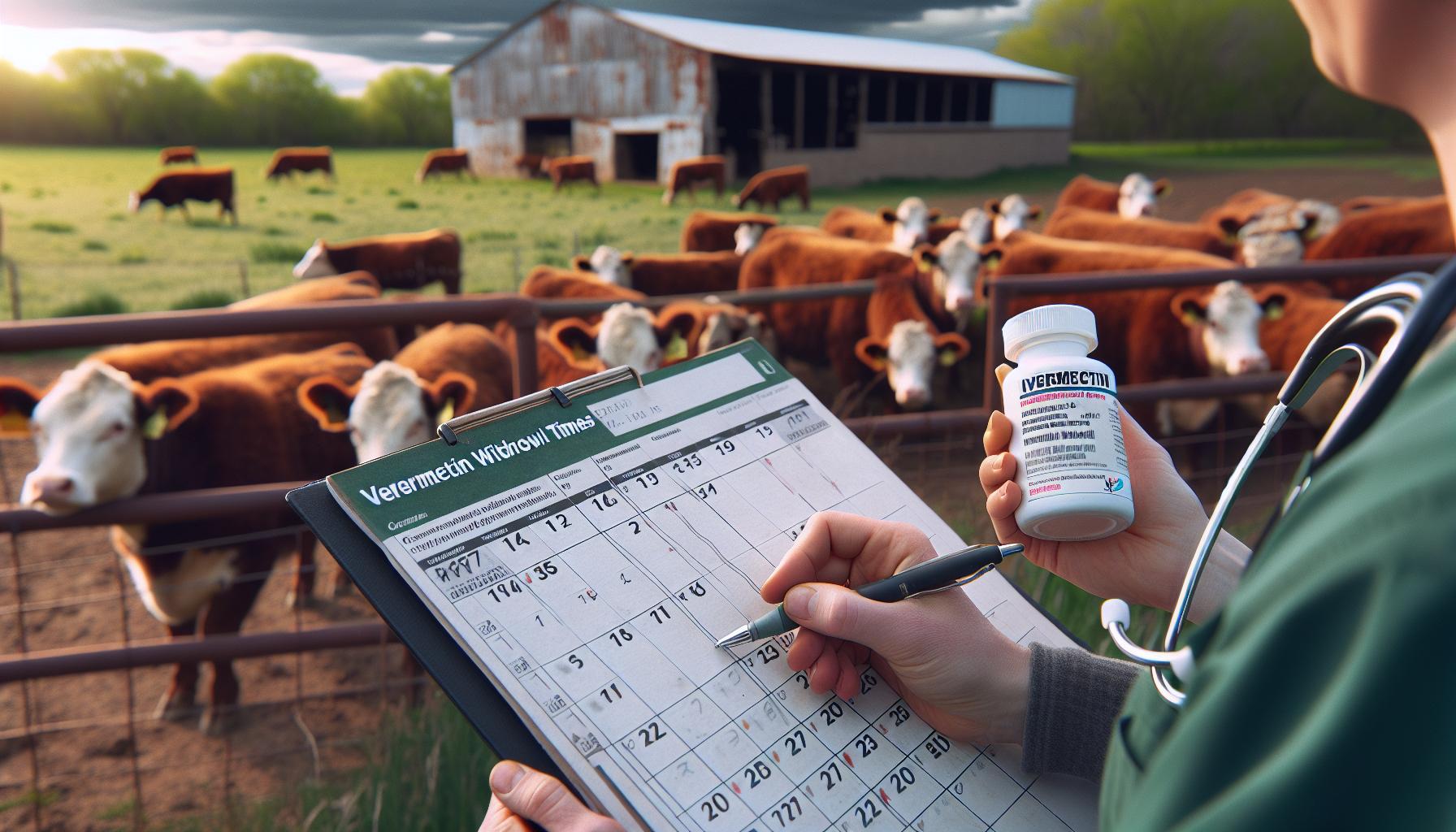
Calculating the withdrawal times for Ivermectin in livestock is crucial for ensuring food safety and compliance with regulations. Understanding this process can seem complex, but with a few straightforward steps, farmers and livestock managers can effectively monitor and manage medication schedules. Withdrawal times can vary significantly based on species, the form of Ivermectin used, and individual animal factors.
To accurately calculate withdrawal times, start by referencing the product label. Each Ivermectin formulation will specify withdrawal periods for different livestock species. It’s important to note that these timelines can differ among cattle, sheep, goats, pigs, and poultry. Generally, the withdrawal period after administration for each species can range from 0 to 35 days, contingent on factors like dose, route of administration (oral, injectable), and individual animal metabolism.
Key Steps to Calculate Withdrawal Times
- Identify the Ivermectin Product Used: Confirm the specific formulation and concentration of Ivermectin (e.g., injectable, oral paste) as these can influence withdrawal times.
- Consult the Withdrawal Period outlined on Label: This information is legally required and provides the necessary timeframe before livestock products can safely enter the food chain.
- Consider Animal Health and Individual Variances: Factors such as age, health status, and stress levels can affect how quickly an individual animal metabolizes the drug. Monitoring how your livestock responds to treatment can provide insights that may necessitate adjusting standard withdrawal times.
Example Withdrawal Times by Species
| Species | Typical Withdrawal Time (Days) |
|---|---|
| Cattle | 28 |
| Sheep | 30 |
| Pigs | 14 |
| Poultry | 0-7 |
Maintaining Accurate Records is essential. Documenting the administration date, dosage, and species treated can guard against errors and enhance compliance with withdrawal regulations. By implementing a record-keeping system, such as a digital log or agricultural software, livestock producers can track treatment and automate reminders, reinforcing best practices in medication management.
Understanding not only helps ensure compliance with food safety regulations but also builds consumer trust in livestock products. By committing to diligent practices, producers can contribute to a healthier agricultural marketplace and promote best health outcomes within their herds.
Ivermectin Withdrawal Timeline by Livestock Species
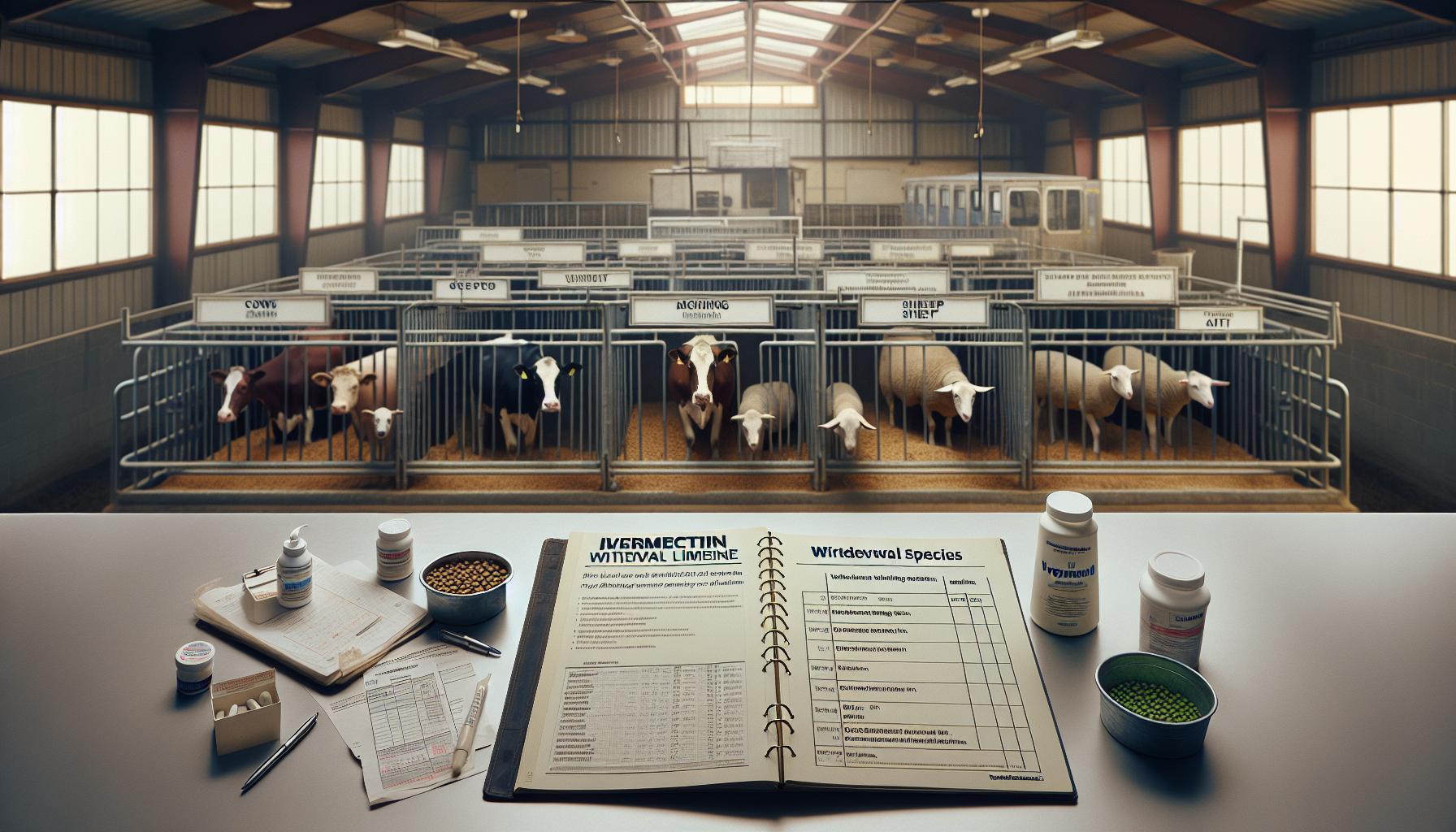
Utilizing Ivermectin for livestock health comes with a critical responsibility: understanding the withdrawal timeline associated with its use. Withdrawal periods are essential not only for animal welfare but also for ensuring that animal products are safe for human consumption. These timelines can differ widely among species due to variations in metabolism, administration methods, and the specific formulation of Ivermectin used.
When considering Ivermectin administration, it’s important to track the species being treated, as the typical withdrawal periods can greatly influence when the animal products can safely enter the food chain. For example, while cattle typically have a withdrawal period of approximately 28 days, sheep may require up to 30 days, and pigs about 14 days. Poultry, being a much shorter-term production animal, often have withdrawal times ranging from 0 to 7 days, depending on the specific product used.
Typical Withdrawal Periods by Species
| Species | Typical Withdrawal Time (Days) |
|---|---|
| Cattle | 28 |
| Sheep | 30 |
| Pigs | 14 |
| Poultry | 0-7 |
Beyond just the numbers, these withdrawal periods emphasize the importance of meticulous management practices in livestock operations. For instance, livestock owners should consistently document the administration of Ivermectin, including the date, dosage, and method used. This kind of record-keeping not only aids compliance with withdrawal regulations but also helps in managing treatment effectiveness and animal health outcomes. Recognizing that individual animals can metabolize the drug differently due to factors such as age and health status is vital. By keeping thorough records and being aware of these dynamics, producers can navigate the complexities of Ivermectin use more effectively and ensure food safety while maintaining herd health.
Factors Influencing Ivermectin Withdrawal

The use of Ivermectin in livestock is pivotal for managing various parasitic infections, but several influential factors dictate the effectiveness and safety of withdrawal periods before animals can re-enter the food supply. Understanding these factors is crucial for producers aiming to uphold both animal health and food safety standards.
Firstly, metabolism rates significantly differ among livestock species, affecting how quickly Ivermectin is cleared from their systems. Younger animals may metabolize drugs differently than adults, leading to extended withdrawal times. For example, calves may process Ivermectin at a different rate compared to mature cattle, which highlights the necessity of age-appropriate dosing protocols.
Additionally, the formulation of Ivermectin plays a vital role. Various formulations-including injectables, pour-ons, and oral administration-can lead to different absorption and elimination rates. This variation necessitates specific withdrawal guidelines tailored to the administration method. Producers must always refer to the manufacturer’s guidelines for each specific product used.
Other influences include health status and environmental conditions. Animals under stress, whether from illness, poor nutrition, or adverse environmental factors, may experience slower drug clearance. Consequently, extra care should be taken to monitor the health of livestock before and during treatment.
Lastly, the presence of co-administered medications also impacts drug interactions and metabolism. It is essential for veterinarians and livestock owners to consider any additional treatments being given concurrently, as they can alter the pharmacokinetics of Ivermectin, potentially leading to changes in the expected withdrawal times.
By taking these factors into account, livestock producers can better manage Ivermectin administration and ensure compliance with withdrawal periods, thereby safeguarding animal health and consumer safety.
Common Misconceptions About Ivermectin Use
Misunderstandings surrounding the use of Ivermectin in livestock can lead to serious consequences, not only for animal welfare but also for public health and safety. One prevalent misconception is that all forms of Ivermectin are interchangeable across species. This is not the case; different livestock species metabolize Ivermectin at varying rates, necessitating species-specific dosing and withdrawal protocols. For instance, protocols suitable for cattle may not apply to sheep or goats, which could result in both ineffective treatment and undesirable residue in the food supply.
Another common fallacy is the belief that Ivermectin’s effectiveness is diminished over time or with repeated use. While some antiparasitic medications can lead to resistance, studies have shown that when used responsibly and in accordance with veterinary guidance, Ivermectin remains effective. This raises the importance of adhering to recommended withdrawal periods, which are designed to ensure that the drug has been adequately cleared from the animal’s system before slaughter or milk production. Ignoring these guidelines can not only undermine the treatment’s efficacy but also pose health risks to consumers.
In addition to these misunderstandings, there is often confusion about the safety of using Ivermectin during stressful situations. Some farmers believe that it is unsafe to administer Ivermectin when animals are ill or stressed, leading to unnecessary treatment delays. In reality, proper veterinary intervention can still be effective in stressed animals; however, monitoring and adjustment to withdrawal times may be required based on the overall health status of the animal and any concurrent treatments they may be receiving.
Finally, the legal regulations surrounding Ivermectin use are often misunderstood. Some producers may think that because Ivermectin is available over-the-counter, it is entirely safe to use at their discretion. However, it is critical to understand and comply with local laws regarding the use of specific formulations, withdrawal times, and approved labeling. Not adhering to these regulations can result in penalties and jeopardize both animal health and consumer safety.
By debunking these misconceptions, livestock producers can take informed actions in their Ivermectin usage, ensuring both the health of their animals and the safety of the food supply.
Best Practices for Administering Ivermectin
Administering Ivermectin to livestock effectively requires a combination of precise timing, methodical observation, and adherence to safety guidelines. It is crucial for livestock producers to understand both the pharmacokinetics of Ivermectin and its implications for animal health and food safety. Since the drug works by binding to nerve and muscle cells of parasites, providing the correct dosage not only ensures the elimination of harmful organisms but also minimizes the risk of residues in meat or milk, which can have severe repercussions for both the producer and consumers.
One of the primary best practices is to assess the specific needs of the species being treated. Different livestock metabolize Ivermectin at different rates, which means dosages and withdrawal times are not one-size-fits-all. Always refer to veterinary guidance for each particular animal type, whether it’s cattle, sheep, goats, or horses. Creating a treatment schedule that includes weighing animals before administering Ivermectin ensures that the correct dose is given according to their weight, significantly increasing the effectiveness of the treatment.
Monitoring the animal’s health post-administration is equally important. Observations should include any signs of adverse reactions and ensuring the animal is not experiencing undue stress. It’s beneficial to provide a calm environment during treatment, as stressed animals may not absorb the medication effectively. Keep detailed records of treatments given, including the date, dosage, and species treated, to maintain compliance with withdrawal regulations.
Another key aspect is to educate all involved in animal care about the legal regulations surrounding Ivermectin use. This emphasizes the importance of adhering not only to recommended dosages and withdrawal periods but also to local laws regarding the administration of veterinary drugs. Regular training sessions can assist staff in understanding these regulations, the consequences of non-compliance, and ensuring that the best practices are applied consistently across the farm.
By integrating these best practices-tailoring dosages for specific species, closely monitoring health and behavior during and after treatment, and maintaining thorough legal knowledge-producers can optimize the benefits of Ivermectin while safeguarding animal welfare and consumer health. The result is not just healthier animals but also a safer food supply for everyone.
Legal Regulations for Ivermectin Usage in Livestock
In the realm of livestock management, adhering to legal regulations concerning the use of Ivermectin is as critical as understanding its pharmacological effects. Not only do these regulations ensure the welfare of the animals being treated, but they also protect public health by preventing drug residues from entering the human food chain. Regulatory standards can vary widely by country and region, which adds a layer of complexity for producers who must navigate these rules diligently.
A key aspect of compliance involves understanding the established withdrawal periods. These are set by regulatory bodies to specify how long after administration of Ivermectin an animal must wait before its meat or milk can be safely consumed. For instance, the U.S. Food and Drug Administration (FDA) and other international health agencies have defined specific withdrawal times for various livestock species, which producers must strictly observe. Failure to do so can lead to significant penalties, including product recalls, loss of consumer trust, and even legal action against the producer.
Educating the workforce is another vital facet of regulatory compliance. Regular training sessions should focus on the legal stipulations related to Ivermectin usage, along with the serious consequences of misuse. Implementing a practice of keeping detailed records of Ivermectin administration-including dates, dosages, and the particular livestock treated-serves as both a compliance measure and a tool for ongoing management of animal health. This can significantly protect producers from unforeseen liabilities associated with non-compliance.
Furthermore, staying informed about evolving regulations is essential. As research continues to uncover new data regarding the efficacy and safety of veterinary drugs, laws may change. Producers should actively engage with veterinary professionals and industry organizations to ensure they remain compliant with the latest guidelines. By fostering a culture of compliance and education within livestock operations, producers not only maintain adherence to laws but also contribute to the broader goal of enhancing food safety and animal welfare.
Potential Risks of Incorrect Withdrawal Compliance
The ramifications of failing to adhere to Ivermectin withdrawal periods can be severe, not just for livestock producers but also for public health and consumer trust. When animals treated with Ivermectin are slaughtered or their milk is collected before the established withdrawal time has elapsed, there is a significant risk that drug residues will enter the food supply. These residues can pose health risks to consumers, leading to potential adverse effects and undermining the credibility of livestock operations.
Moreover, regulatory compliance is not merely a suggestion; it is legally mandated. In many regions, meat or dairy products that do not meet safety standards can result in hefty fines, product recalls, and damaged reputations. Producers may face legal action not only from regulatory bodies but also from consumers who suffer adverse effects from contaminated food products. For example, a farmer faced severe consequences after overlooking withdrawal times, resulting in a major recall that cost thousands and eroded consumer confidence in their brand.
Beyond the immediate legal and financial risks, incorrect withdrawal compliance can lead to more significant long-term implications. The perception of livestock products as unsafe can have a cascading effect, impacting sales and market access. In a climate where consumers are increasingly health-conscious, the credibility of livestock producers hinges significantly on their compliance with safe medication practices. Engaging in regular training and education for all staff involved in Ivermectin administration, along with strict documentation of treatment schedules, can mitigate these risks.
In conclusion, the potential risks associated with incorrect withdrawal compliance are multifaceted, affecting not just producers’ bottom lines but also public health and consumer trust. By prioritizing adherence to withdrawal periods and fostering a culture of compliance and education, livestock producers can safeguard their operations and the health of the community at large.
Real-Life Case Studies: Withdrawal Experiences
In the complex landscape of livestock management, understanding the consequences of adhering or failing to adhere to Ivermectin withdrawal periods can significantly influence the health of the animals and the safety of food products. One notable case involved a dairy farmer, Ms. Peterson, who, in an effort to manage an outbreak of parasites in her herd, administered Ivermectin without fully considering the required withdrawal timeline. Unfortunately, she sent milk for processing just days after treatment, not realizing that the withdrawal period was longer than she anticipated.
After some milk tested positive for residues, her dairy brand faced an abrupt and damaging recall, costing her thousands in financial losses and eroding consumer trust. Creative marketing strategies and public relations efforts could not fully repair the harm done to her brand’s reputation, illustrating how one lapse could have long-lasting impacts. What Ms. Peterson learned was not just about the importance of withdrawal periods, but also about the necessity for comprehensive training and clear communication practices in her farm management.
Similarly, another case highlights the proactive steps taken by a beef cattle rancher, Mr. Thompson. Having witnessed a neighboring farm suffer due to Ivermectin residue violations, he implemented a rigorous tracking system for all pharmaceutical interventions. By educating his team about the specific withdrawal times required for different types of livestock and ensuring thorough record-keeping, he bolstered compliance and safeguarded his operation. Not only did this prevent potential legal ramifications, but it also enhanced his customers’ trust, as they knew his products were consistently safe.
These stories underscore the multifaceted challenges producers face concerning Ivermectin use. Effective communication and training programs can empower livestock managers to mitigate risks and foster a culture of accountability, ultimately protecting consumer health and securing a more sustainable business model. By sharing experiences and learning from the past, the industry can aim for safer practices that benefit both producers and the wider community.
Latest Research on Ivermectin and Animal Health
Recent investigations into Ivermectin’s effects on animal health have expanded our understanding of its efficacy, safety, and optimal use in livestock. One area of focus has been the drug’s pharmacokinetics-the study of how the drug is absorbed, distributed, metabolized, and excreted in different species. This knowledge is critical for determining appropriate withdrawal times, which ensure that livestock products are free from drug residues at the time of processing. For example, new studies have revealed varying half-lives of Ivermectin in different species, highlighting the necessity for tailor-made treatment protocols based on species-specific factors.
Research has also shed light on the potential for Ivermectin resistance, particularly in parasites that affect livestock. Just as with antibiotic resistance in humans, there is a pressing need to monitor and mitigate resistance development in veterinary medicine. Recent studies suggest implementing rotational deworming strategies and combining Ivermectin with other anthelmintic agents to maintain its effectiveness. These strategies not only prolong the life of Ivermectin as a viable treatment option but also safeguard animal health by preventing parasite infestations, thereby diminishing the need for reactive treatments and reducing overall withdrawal periods.
Furthermore, the impact of Ivermectin on non-target species, such as beneficial insects and soil microbiota, has drawn increased scrutiny. Understanding these interactions is vital for sustainable agricultural practices. For example, some research indicates that certain formulations of Ivermectin can adversely affect pollinator populations, leading to recommendations for cautious application practices and timing that avoid peak pollinator activity.
Ongoing research continues to explore the broader implications of Ivermectin use in agriculture, including its role in food safety and the potential for residue accumulation in animal products. This has spurred initiatives for refining withdrawal timelines, which aim to align more closely with the pharmacokinetic profiles of Ivermectin to enhance consumer safety while ensuring effective parasite management. Implementing these research findings can empower livestock producers to make informed decisions that benefit both animal health and the integrity of the food supply chain.
Expert Opinions on Ivermectin Use in Veterinary Medicine
Veterinarians and animal health experts increasingly emphasize the critical role that Ivermectin plays in livestock health, particularly in managing parasitic infections. However, with its widespread use comes a nuanced discussion around withdrawal periods-essential for ensuring food safety and maintaining consumer trust. Expert opinions converge on the necessity of tailored protocols that consider the specific needs of different livestock species, driven by pharmacokinetic variations. These expert recommendations often highlight the importance of adhering to scientifically established withdrawal times to prevent drug residues from entering the food supply.
Veterinary professionals advocate for a proactive approach to Ivermectin administration, urging livestock producers to engage in thorough planning before treatment. This includes an examination of the animal’s health status and a clear understanding of the specific withdrawal timeline required for that species. Experts often recommend utilizing veterinary guidance and monitoring the effectiveness of treatments, as a failure to adhere to established withdrawal periods can result in significant repercussions, including market penalties and consumer health risks.
To further enhance compliance with withdrawal guidelines, specialists suggest implementing educational programs for farmers about proper use and timing. Sharing success stories where proper adherence to Ivermectin withdrawal periods resulted in improved animal health and market access can foster a culture of responsibility among livestock producers. Such initiatives not only promote adherence but also ensure ongoing vigilance against the emergence of resistant parasites, an increasing concern within the veterinary field.
In addition, ongoing dialogue within veterinary medicine about the environmental impacts of Ivermectin use is crucial. Some experts caution against the potential negative effects on non-target species, including pollinators and soil microbiota. As a response, they advocate for integrated pest management strategies that combine Ivermectin with other management practices to minimize environmental impact while maximizing the drug’s efficacy in parasite control. This holistic perspective on Ivermectin use underscores the importance of blending animal health needs with sustainability objectives, providing a more comprehensive framework for its application in veterinary medicine.
FAQ
markdown
Q: What is the standard withdrawal period for ivermectin in livestock?
A: The standard withdrawal period for ivermectin varies by species but typically ranges from 7 to 28 days depending on the specific livestock and the formulation used. Always consult veterinary guidelines for precise withdrawal times for your animals.

Q: How do withdrawal periods differ between livestock species?
A: Withdrawal periods for ivermectin differ significantly among species. For example, cattle may require a 35-day withdrawal, while pigs generally need only 10 days. Consult the section on "Ivermectin Withdrawal Timeline by Livestock Species" for detailed information.

Q: Can I use ivermectin on pregnant animals?
A: Yes, ivermectin can be used on pregnant animals, but it is crucial to follow the appropriate dosage and withdrawal periods. Consult with a veterinarian to ensure safety during pregnancy and for the unborn offspring.

Q: What are the consequences of not adhering to the ivermectin withdrawal period?
A: Not adhering to the ivermectin withdrawal period can lead to animal health issues and contamination of the food supply, potentially resulting in violations of food safety laws. Always ensure compliance with established withdrawal times.

Q: Are there any alternatives to ivermectin for treating parasites in livestock?
A: Yes, there are alternatives to ivermectin, such as fenbendazole or moxidectin. These alternatives can be effective against various parasites but may have different withdrawal periods and considerations. Consult a veterinarian for tailored advice on treatments.

Q: How can I verify the withdrawal period for a specific ivermectin product?
A: You can verify the withdrawal period for a specific ivermectin product by checking the product label, manufacturer's guidelines, or consulting with a veterinarian. Always refer to these sources before treatment.

Q: What should I do if I accidentally administer ivermectin closer to slaughter than recommended?
A: If ivermectin is administered closer to slaughter than the recommended withdrawal period, contact your veterinarian immediately. They can provide guidance on next steps to ensure compliance and animal safety.

Q: How does the route of administration affect the ivermectin withdrawal period?
A: Yes, the route of administration (oral, injectable, topical) can affect the withdrawal period. Injectable forms often have longer withdrawal times due to increased bioavailability. Refer to "Factors Influencing Ivermectin Withdrawal" for more insights.
Insights and Conclusions
As you wrap up your understanding of the Ivermectin Withdrawal Period for livestock, remember that managing withdrawal times is crucial for food safety and animal health. Each species may have specific guidelines, so it’s essential to refer back to this timeline whenever you’re administering treatments. If you have further questions or need more detailed resources, explore our articles on Ivermectin dosage strategies and common side effects to ensure comprehensive care for your animals.
Don’t forget to sign up for our newsletter for the latest updates on best practices in animal husbandry and treatment protocols. Your insights and experiences matter to us-feel free to share in the comments below or connect with fellow livestock owners. Navigating the complexities of livestock health can feel overwhelming, but with the right information and support, you’re well-equipped to make informed decisions. Stay engaged and join our community for ongoing discussions about Ivermectin and its applications in livestock management!
Get our latest guides, news, and insights highlighted in your Google Search & AI Overviews.