Did you know that rat lice can significantly impact the health of your pets and even your living environment? These pesky parasites can lead to discomfort for your rodents and may also spread to other animals in your home. In “Rat Lice Ivermectin: Fast & Effective Eradication,” we delve into an effective solution using ivermectin-a proven treatment for various parasitic infestations. This guide will provide you with essential insights on how to safely and efficiently eliminate rat lice, ensuring the well-being of your pets and peace of mind for you. As we explore the latest research and practical methods, you’ll discover why addressing this issue swiftly is crucial for maintaining a healthy habitat. Let’s embark on this journey together to protect your furry friends from these unwanted invaders!
Understanding Rat Lice and Their Impact on Health
Understanding that rat lice, specifically the species Polyplax spinulosa, can be a significant health concern for both pets and researchers is crucial for effective management. These tiny parasites primarily inhabit the fur of rats and can lead to a variety of health issues, including skin irritation, inflammation, and secondary infections caused by excessive scratching. Moreover, high infestations can result in weight loss and stress, which may compromise the overall health of the host.
One of the remarkable aspects of rat lice is their capacity for rapid reproduction. A single female louse can lay dozens of eggs, exacerbating the infestation in a short period. This rapid lifecycle necessitates prompt intervention to prevent overwhelming infestations, which could have detrimental effects, especially in laboratory settings where specific strains of rats are maintained for research purposes. For instance, in studies where reliable health status of the animals is critical, lice infestations can introduce variables that skew results, underscoring the need for effective lice control.
In terms of public health, while rat lice are typically not vectors for human diseases, their presence can indicate unsanitary conditions, reminding pet owners and researchers of the importance of cleanliness and regular veterinary checks. Practices like routine grooming, checks for signs of infestation, and maintaining a clean living environment can significantly reduce the risk of lice infestations. Thus, understanding rat lice informed by evidence-based practices enables effective management strategies that safeguard the health of both furry companions and research subjects alike.
The Role of Ivermectin in Eradicating Rat Lice
The effectiveness of Ivermectin in eliminating rat lice has made it a go-to treatment among both pet owners and researchers. This antiparasitic agent, originally developed for treating various parasitic diseases in humans and animals, has shown remarkable efficacy against ectoparasites like lice, specifically the species associated with rats. Its ability to disrupt the nervous system of these parasites leads to paralysis and eventual death, offering a swift resolution to infestations that can quickly escalate without intervention.
When administering Ivermectin for rat lice control, it is crucial to consider the appropriate formulation and method. Ivermectin is available in oral forms and topical applications. The choice of administration depends on the severity of the infestation and the specific guidelines provided by a veterinarian. Typically, oral treatments may be easier to administer if the rat is cooperative, while topical formulations may be beneficial for widespread infestations and offer localized treatment. Regular monitoring and follow-up treatment may be necessary to ensure that all stages of lice are effectively eradicated, as Ivermectin primarily targets adult lice rather than eggs.
While Ivermectin is highly effective, caution must be exercised to avoid potential side effects. Symptoms such as lethargy, vomiting, or diarrhea can occur, especially if dosages are not properly calculated. Therefore, consulting a veterinarian to determine the right dosage based on the rat’s weight and overall health is essential. Achieving the correct balance of efficacy and safety not only promotes quicker recovery but also contributes to the well-being of the animal during treatment.
Implementing Ivermectin into a comprehensive eradication strategy is highly recommended. Alongside medication, rigorous sanitation practices and habitat management play vital roles in preventing reinfestation. Regular grooming can help identify early signs of lice and facilitate prompt treatment. A proactive approach in combining Ivermectin treatment with preventative measures leads to a healthier environment for both pet rats and those kept for research, ultimately ensuring the wellbeing of these small but significant creatures.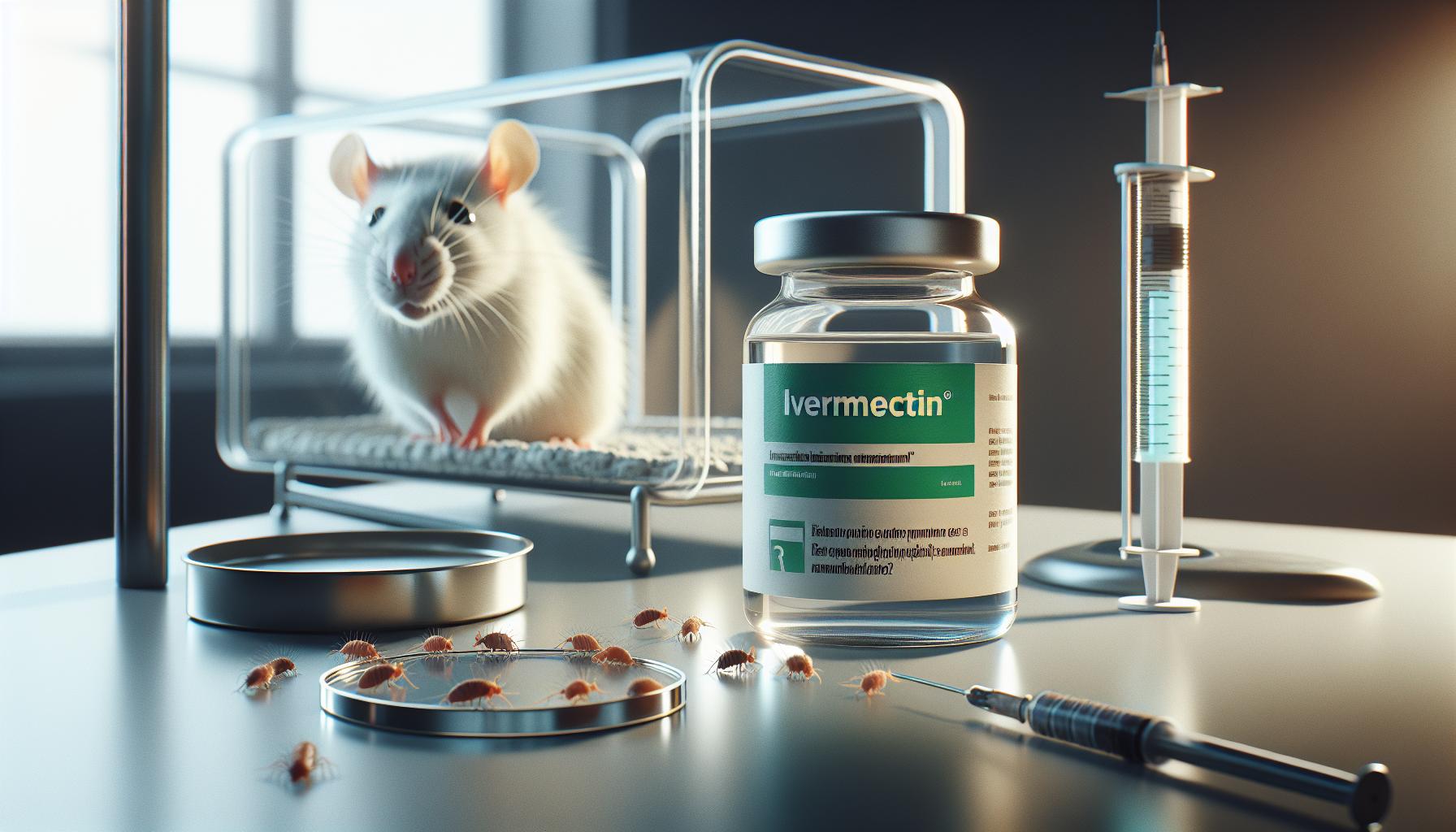
How Ivermectin Works: Mechanism and Efficacy
Ivermectin is a noteworthy antiparasitic medication that has transformed how we approach the management of ectoparasites like rat lice. The drug works primarily by targeting and disrupting the nervous system of these parasites, leading to paralysis and death. This mechanism is particularly effective against various types of lice that infest not only rats but also numerous other host species. With its ability to act swiftly, Ivermectin provides both animal owners and veterinarians with a vital tool in the fight against lice infestations.
Its efficacy stems from its interaction with specific receptors in the nervous system of parasites. Ivermectin binds to glutamate-gated chloride channels, which are essential for the movement of chloride ions across cell membranes. This binding increases the permeability of the cell membrane to chloride ions, leading to hyperpolarization and subsequent paralysis of the lice. In addition, Ivermectin affects gamma-aminobutyric acid (GABA) receptors, further immobilizing the parasites and preventing them from feeding or reproducing effectively.
The rapid action of Ivermectin makes it a favored choice in treating rat lice infestations. Veterinarians often recommend this medication because it not only clears existing infestations but also reduces the likelihood of reinfestation when combined with proper sanitation and management practices. Ivermectin is available in various formulations, allowing for flexibility in administration, whether it be in oral or topical forms. This adaptability is crucial in ensuring effective treatment tailored to the specific needs of the infested rat and the severity of the infestation.
Moreover, ongoing research continues to explore more about the efficacy of Ivermectin on resistant strains of lice, further solidifying its standing in veterinary medicine. Understanding its precise mechanisms and applications helps pet owners and professionals alike to combat rat lice infestations effectively.
Administration Methods: Effective Uses of Ivermectin
Effective administration of Ivermectin is crucial to successfully eradicate rat lice and prevent future infestations. This potent antiparasitic medication can be applied via different methods, ensuring that treatments are tailored to the specific needs of the rats and the severity of the infestation.
Oral Administration
One of the most common methods of administering Ivermectin is orally. This can be achieved using tablets or a liquid formulation mixed into the rat’s food. When opting for this method, it’s important to ensure that the dosage is accurately measured based on the rat’s weight to avoid under-dosing or overdosing. Generally, veterinarians recommend a dosage of Ivermectin ranging from 0.2 to 0.4 mg/kg.
- Advantages: Oral administration is relatively straightforward and ensures systemic delivery of the medication, which can be effective against internal as well as external parasites.
- Considerations: Care should be taken to monitor the rat’s food intake to ensure the full dose is consumed.
Topical Administration
Another highly effective method is topical application, especially for more localized infestations. In this case, Ivermectin is often delivered in a solution or an injectable form directly onto the skin. The advantage of this method is its localized targeting of lice without the need for the rat to ingest the medication.
- Advantages: This method minimizes the risk of gastrointestinal side effects associated with oral dosing and allows for a controlled application.
- Considerations: Care should be taken to avoid direct contact with the eyes and to ensure that the medication is appropriately absorbed into the skin.
Injectable Solutions
Ivermectin can also be administered via injection, which is particularly useful for severe infestations or when rapid action is necessary. This method allows for immediate delivery into the bloodstream, ensuring a quick onset of action against the lice.
- Advantages: Injectable Ivermectin achieves a high bioavailability and fast relief from infestations.
- Considerations: This method requires additional training or assistance from a veterinarian for safe administration.
In each of these methods, ensuring that the correct dosage and administration technique is followed is essential for the successful treatment of rat lice. Owners should work closely with their veterinarians to identify the most suitable approach based on their rat’s condition and the infestation level. Proper administration not only resolves the current lice issue but also contributes to the long-term health and well-being of the pet.
Safety and Side Effects: What to Know Before Use
While Ivermectin is a highly effective treatment against rat lice, it is vital to approach its use with caution and an understanding of potential risks. Like any medication, Ivermectin can cause side effects, though they are generally rare when used correctly. Most commonly, these side effects may include gastrointestinal upset, lethargy, or allergic reactions, which manifest as itching or swelling at the application site, particularly if administered topically. Therefore, monitoring your rat for any unusual behavior or physical changes after treatment is crucial.
It’s also important to consider that Ivermectin is only safe for certain species. For instance, while it’s effective for rats, it can be harmful to other animals, particularly those in the rodent family such as guinea pigs, rabbits, or ferrets. Thus, ensuring that the correct species is treated with Ivermectin is essential to prevent potential adverse reactions. Always consult with a veterinarian before administering any medication to ensure it’s appropriate for your pet’s specific needs and health status.
Another aspect to keep in mind is the necessity of adhering strictly to dosage guidelines. Overdosing can lead to toxicity, particularly in sensitive breeds or individuals with pre-existing health issues. Therefore, working with a veterinarian to calculate and verify the correct dosage based on your rat’s weight is imperative. For effective management of infestations, many experts recommend combining Ivermectin with environmental controls, such as cleaning cages and bedding, to prevent future outbreaks.
In conclusion, while Ivermectin offers a fast and effective means of eradicating rat lice, understanding its safety profile and adherence to recommended guidelines will enhance its efficacy and safeguard the health of your pet. Always prioritize communication with your veterinary professional to achieve the best outcomes for your furry companion.
Choosing the Right Dosage: Guidelines for Treatment
To effectively combat rat lice infestations, selecting the appropriate dosage of Ivermectin is crucial for both the health of your pet and the success of the treatment. Administering the correct dosage not only maximizes efficacy but also minimizes the risk of adverse effects. Generally, a safe starting point for Ivermectin is around 0.2 to 0.3 mg per kilogram of body weight, but this can vary based on the specific needs of your rat and the severity of the infestation. It’s essential to weigh your rat beforehand to calculate an accurate dose, as overdosing can lead to toxicity, particularly in sensitive breeds.
Consultation with Veterinarians
Always consult with a veterinarian before administering Ivermectin. A veterinarian’s guidance is invaluable, as they can assess your rat’s overall health, consider any underlying conditions, and adjust the dosage accordingly. For instance, rats with compromised immune systems or those on other medications may require a different approach. Your vet can also provide insights into the most effective dosage regimen based on your specific situation, which may include repeating doses after a certain period to ensure all lice are eliminated.
Methods for Administering Ivermectin
When considering how to administer Ivermectin, there are different forms available, including liquid and topical preparations. Liquid formulations typically allow for precise measurement based on the calculated dosage. This can be given orally using a syringe, ensuring that your rat consumes the entire dose. Topical applications can also be effective but should be carefully applied at the recommended dosage to avoid absorption issues. Regardless of the method, ensuring that each treatment is applied consistently and monitored can significantly improve outcomes.
Tracking Treatment Progress
After administering Ivermectin, keep a close eye on your rat for any signs of adverse reactions or improvements. Regular observation will help you evaluate the efficacy of the treatment and identify if a follow-up dose is necessary. Many owners have successfully managed and eradicated rat lice by meticulously adhering to dosage guidelines and maintaining communication with their veterinarian. With the right dosage and careful observation, the road to recovery can be swift for your furry friend.
By adhering to these guidelines and collaborating with your veterinarian, you can ensure a safe and effective treatment plan that addresses rat lice infestations effectively.
Alternative Treatment Options: Beyond Ivermectin
When dealing with rat lice, while Ivermectin is a common choice for treatment, it’s important to know that there are alternative strategies and methods available that can effectively complement or substitute this medication. Understanding these options can be crucial, especially for pet owners who want to avoid over-reliance on a single treatment or who have concerns about specific health conditions in their pets.
One widely acknowledged alternative is the use of pyrethrin-based products, which are derived from chrysanthemum flowers. These insecticides are effective against lice and can be found in various shampoos and sprays designed specifically for rodents. Applying a pyrethrin spray can quickly eliminate adult lice and nymphs, making it an excellent option for immediate relief. It’s essential to follow the manufacturer’s instructions regarding application frequency and dosage, as proper usage is key to achieving the desired results without harming your pet.
Another option to consider is neem oil, which is known for its natural insect-repellent properties. Extracted from the seeds of the neem tree, neem oil can disrupt the life cycle of lice and even deter new infestations. To use neem oil, you can dilute it with a carrier oil and apply it directly to your pet’s skin, or mix it into their bathing routine. Unlike chemical treatments, neem oil is generally safer for regular use and can contribute to your rat’s skin health, making it a favorable choice for long-term management.
For those looking into natural remedies, diatomaceous earth is another alternative that can be sprinkled in your rat’s habitat. This fine powder, made from fossilized aquatic organisms, can help by dehydrating and killing lice upon contact. When using diatomaceous earth, ensure that it is food-grade and safe for pets. It is effective when used consistently, and regular cleaning of the living environment can also help manage and reduce lice populations significantly.
Finally, preventive measures are equally important in managing lice infestations. Maintaining a clean living space, regularly checking your rats for signs of lice, and avoiding contact with untreated animals can significantly decrease the likelihood of an infestation. By integrating these alternative treatments and preventive strategies, pet owners can develop a comprehensive approach to managing rat lice that ensures the health and well-being of their furry friends while minimizing potential risks associated with heavy chemical use.
Preventing Rat Lice Infestations: Best Practices
Maintaining a proactive approach to prevent rat lice infestations is essential for keeping your pets healthy and comfortable. Just as with many pests, prevention is often more effective and less stressful than dealing with an infestation once it has occurred. Implementing best practices can help create a less appealing environment for lice and lower your pets’ exposure to these pesky parasites.
One of the most effective strategies is to maintain a clean living environment. Regularly cleaning your rats’ habitat-cages, bedding, and any accessories-can significantly reduce the likelihood of lice taking hold. To do this, ensure that you remove all droppings and uneaten food daily, and perform deep cleans weekly. Use hot water and safe disinfectants to clean their areas thoroughly. By reducing debris and waste, you diminish the chances of lice finding a suitable habitat to thrive.
In addition to a hygienic environment, it is crucial to conduct regular health checks on your rats, looking for signs of lice such as excessive scratching, hair loss, or visible lice on their fur. Creating a routine where you handle and observe your pets can help you detect any potential issues early. If any lice are found, seeking treatment immediately can prevent them from spreading to other pets or areas of your home.
Another important preventive measure is to avoid contact with untreated animals. If your pets socialize with other rodents, ensure that these animals are healthy and free from lice. This is especially pertinent if you attend rat shows or engage in community events. It may be beneficial to establish friendships with other pet owners who practice regular veterinary care and pest control measures.
Finally, consider integrating natural repellents into your care routine. Essential oils like tea tree or eucalyptus, diluted appropriately, can sometimes deter lice, but make sure to consult a veterinarian for safe usage around your pets. Using these alongside regular preventive measures creates a comprehensive approach to keep rat lice at bay.
Through these practices, you can foster a healthy and lice-free environment for your pet rats, minimizing the need for reactive treatments like Ivermectin down the line. Your proactive efforts today can lead to a happier and healthier life for your furry companions.
Case Studies: Successful Eradication Stories
After dealing with a rat lice infestation, many pet owners find themselves relieved and empowered by successful eradication stories featuring Ivermectin. One notable case involves a pet rat named Nimbus, who was infested with lice diagnosed after his owner noticed increased scratching and patches of hair loss. After consulting a veterinarian, treatment with Ivermectin was administered. Within a week, Nimbus’s condition markedly improved, with a noticeable reduction in scratching and a gradual return of his fur. This case demonstrates not only the effectiveness of Ivermectin in eliminating rat lice but also highlights the importance of early detection and timely veterinary intervention.
In another instance, a rescue organization faced a widespread lice outbreak among several of their rescued rats. The organization’s veterinary team conducted thorough assessments and decided to apply a systematic approach using Ivermectin as the primary treatment. They divided the rats into groups based on weight and health status, calculating the appropriate dosages meticulously. Following a regimen of Ivermectin treatment paired with enhanced cleaning protocols for the shelter, the lice were completely eradicated within two weeks. The organization documented this process to educate other rescues on best practices for managing infestations, emphasizing the need for vigilant monitoring and swift action.
Furthermore, testimonials from pet owners reveal that the successful eradication of rat lice often comes from combining Ivermectin with diligent hygiene practices, such as cleaning cages and bedding regularly. One owner shared that after treating her rats with Ivermectin, she maintained a strict cleaning schedule and performed weekly health checks. This proactive approach allowed her to catch any resurgence of lice early, reinforcing the notion that treatment and prevention should go hand in hand.
These stories underscore the significance of community knowledge-sharing and veterinary guidance in tackling rat lice. When informed pet owners proactively employ treatments like Ivermectin and maintain a rigorous hygiene routine, they can ensure their pets remain healthy, comfortable, and lice-free. Such collaborations between pet owners and professionals not only improve individual outcomes but also enhance the overall wellbeing of small animal communities.
Expert Insights: Veterinarians Weigh In on Treatment
Veterinarians play a crucial role in guiding pet owners through the challenges of treating rat lice infestations, particularly with the use of Ivermectin. According to a well-respected veterinary dermatologist, “Timely intervention is key when it comes to any parasitic infection. The sooner you recognize the symptoms, the better the prognosis.” This perspective underscores the importance of early detection-such as increased scratching, hair loss, or visible lice-enabling prompt and effective treatment.
When it comes to administering Ivermectin, veterinarians emphasize the need for precision. Dosage is critical; too little may be ineffective, while too much can pose risks to your pet’s health. Vets recommend calculating the appropriate dose based on your rat’s weight and overall health status. For instance, a common guideline is to start with a dosage of 0.2 mg/kg, and subsequently monitor the rodent for any adverse reactions. Regular follow-ups are also essential, as they allow veterinarians to assess the effectiveness of treatment and make adjustments if necessary.
In addition to Ivermectin, veterinarians suggest a comprehensive approach that includes thorough cleaning of the living environment. “Parasitic treatments work best when combined with good hygiene practices,” one veterinarian noted. This might include washing bedding, cleaning cages frequently, and isolating newly introduced rats until confirmed lice-free. Such strategies not only help eradicate the current infestation but also prevent future outbreaks.
Moreover, veterinarians encourage pet owners to share their experiences and seek advice from animal health professionals. Engaging with local veterinarians or animal care groups can provide additional insights into effective management strategies and encourage a supportive network for health monitoring. With the right treatments and proactive care, pet owners can successfully manage rat lice and maintain their pets’ comfort and well-being.
FAQs About Rat Lice and Ivermectin Usage
It’s common for pet owners to be apprehensive about dealing with rat lice infestations, especially regarding the treatment options available. Here, we address some frequently asked questions about rat lice and the use of Ivermectin, a widely recommended treatment.
One of the primary concerns is about the effectiveness of Ivermectin. Many pet owners wonder how long it takes for Ivermectin to work against rat lice. Typically, improvements can be observed within a few days after administration, but full eradication may take a couple of weeks depending on the severity of the infestation. It’s crucial to maintain consistent follow-ups with a veterinarian to monitor progress and determine if additional treatments are necessary.
Another common question revolves around the safety of Ivermectin for different rat breeds or health statuses. While Ivermectin is generally safe for use in various types of rats, some specific breeds or individuals with underlying health conditions may react differently. Therefore, it’s essential to consult with a veterinarian to evaluate risks and confirm that the treatment aligns with the rat’s health profile.
Additionally, owners often inquire about dosage guidelines. The recommended starting dose for Ivermectin is usually around 0.2 mg/kg, but dosages can vary based on the specific case and veterinarian recommendations. It’s vital to weigh the rat accurately and follow up on any changes in their condition post-treatment. Regular monitoring helps ensure that the rat is not only responding well but also free from any adverse side effects.
Preventing re-infestation is another key concern for pet owners. Best practices include thorough cleaning of the environment, regular grooming, and monitoring for any new signs of lice. Isolating new rats before introducing them to the rest of the population can also help minimize the risk of lice spreading. These proactive measures, combined with effective treatment methods like Ivermectin, can significantly contribute to maintaining a healthy living environment for your pets.
Q&A
Q: How effective is ivermectin in treating rat lice?
A: Ivermectin is highly effective in treating rat lice, as it targets the parasites directly. Many users report significant reductions in lice populations after a single treatment. For detailed efficacy data, check the section on How Ivermectin Works: Mechanism and Efficacy in our article.
Q: What are the signs of a rat lice infestation?
A: Common signs of rat lice infestation include excessive scratching, irritability, and patches of fur loss. Observing these symptoms should prompt immediate treatment to prevent further health issues. Review the Understanding Rat Lice and Their Impact on Health section for more insights.
Q: Can ivermectin be used preventively against rat lice?
A: Yes, ivermectin can be used preventively in areas at risk of rat lice infestations. Regular treatments can help maintain low lice populations, ensuring the health of your pets. Refer to the Preventing Rat Lice Infestations: Best Practices section for comprehensive preventive measures.
Q: How long does it take for ivermectin to work on rat lice?
A: Ivermectin typically starts to work within 24 hours, but complete eradication can take several days as it disrupts the lice lifecycle. For effective administration, see our Administration Methods: Effective Uses of Ivermectin section.
Q: Are there any natural alternatives to ivermectin for rat lice treatment?
A: Yes, natural alternatives such as essential oils (like tea tree oil) and diatomaceous earth can be used, though their efficacy varies. For comparisons to ivermectin and other options, explore the Alternative Treatment Options: Beyond Ivermectin section.
Q: Is ivermectin safe for all rats?
A: While ivermectin is generally safe, some health conditions may contraindicate its use. Always consult with a veterinarian before administering. For more information on safety and side effects, visit our Safety and Side Effects: What to Know Before Use section.
Q: What precautions should be taken when using ivermectin for rat lice?
A: Precautions include ensuring proper dosage and monitoring for any adverse reactions. Always follow veterinary guidance to avoid overdosage. For detailed dosage guidelines, please refer to the Choosing the Right Dosage: Guidelines for Treatment section.
Q: Can Ivermectin be mixed with other treatments for rat lice?
A: It’s generally advised to avoid mixing treatments without veterinary advice. Combining treatments could lead to complications. For safe and effective treatment strategies, consult the guidelines in our FAQs About Rat Lice and Ivermectin Usage.
In Conclusion
In conclusion, addressing rat lice with Ivermectin not only provides a fast and effective eradication method but also ensures the health and comfort of your environment. If you haven’t taken action yet, now is the time-don’t let these pests disrupt your peace any longer! For additional insights on maintaining a pest-free space, check out our articles on preventive measures for rodent infestations and the benefits of keeping your home pest-free.
Ready to take the next step? Consider signing up for our newsletter to receive expert tips and exclusive offers directly to your inbox. If you have any questions or concerns about using Ivermectin or require guidance on application, don’t hesitate to reach out to us. Join our community to share your experiences and ask for advice-your journey towards a healthier home starts now!
Get our latest guides, news, and insights highlighted in your Google Search & AI Overviews.