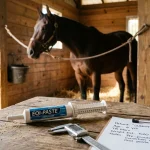
Did you know that Ivermectin, a medication often associated with humans, is widely used in the equine world for its remarkable effectiveness in treating parasitic infections in horses? Understanding what Ivermectin is and how it benefits equine health is crucial for horse owners who want to ensure their animals remain healthy and vigorous. As a powerful antiparasitic agent, Ivermectin is important for preventing and controlling a variety of worm infestations and external parasites, which can lead to serious health issues if left untreated. This article will delve into the specifics of Ivermectin for horses, including its uses, administration guidelines, and safety considerations. By exploring its applications and benefits, we’ll help you make informed decisions about the best health care practices for your equine companions, ultimately ensuring their well-being and performance in the field. Stay tuned to uncover the essential role Ivermectin plays in safeguarding equine health and enhancing the quality of life for your horses.
What Is Ivermectin and How Does It Work?
Ivermectin is a well-established antiparasitic agent that has gained recognition for its effectiveness in treating various parasitic infections in both humans and animals, including horses. Originally developed for veterinary use, ivermectin works by interfering with the transmission of signals in certain parasites, ultimately leading to their paralysis and death. It selectively targets the nervous system and muscle function of invertebrates, making it a critical part of equine health management.
In the equine world, ivermectin is commonly utilized to combat a range of parasites, such as strongyles, roundworms, and bots. By administering this medication, horse owners can effectively treat and prevent parasitic infestations that can impair a horse’s health, cause weight loss, and lead to other serious complications. The success of ivermectin has made it a staple in many equine deworming programs, often chosen for its broad-spectrum activity and relatively low risk of side effects when used correctly.
For horse owners, understanding how ivermectin functions is vital for ensuring its effective application. Typically administered via paste or liquid formulations, the dosage is carefully calibrated based on the horse’s weight to minimize risks and maximize effectiveness. Regular deworming protocols often incorporate ivermectin to maintain optimal health and prevent the emergence of resistant parasite strains, underscoring the importance of proper dosing and adherence to veterinary recommendations.
Common Uses of Ivermectin in Horses
Ivermectin has become a cornerstone in the treatment of equine parasites, significantly enhancing the health and quality of life for many horses. This potent antiparasitic agent is primarily used in horses for the treatment of a range of external and internal parasites. Commonly targeted parasites include strongyles-both large and small-which are notorious for causing severe colic and weight loss in horses. Additionally, ivermectin is effective against other roundworms, such as Ascaris and strongyloides, as well as ectoparasites like mites and bots, helping to control infestations that could otherwise compromise a horse’s overall health.
One of the primary uses of ivermectin in equine care is in preventative deworming protocols. Many horse owners incorporate this medication into regular deworming schedules, often combining it with other antiparasitic treatments to combat emerging resistance. This broad-spectrum efficacy not only helps in treating existing infestations but also plays a crucial role in preventing future ones, thereby fostering long-term health and performance in equine athletes. When used appropriately, the advantages of ivermectin extend beyond mere parasite control-it can lead to improved digestion, nutrient absorption, and weight maintenance due to reduced parasitic burdens.
Administration of ivermectin can vary based on the specific needs of the horse and the nature of the infestation. It is available in several formulations, including pastes and injectable forms, allowing for flexibility based on the horse’s preferences and treatment requirements. For instance, injectable formulations might be preferable in critical cases where quick action is needed. Understanding these distinctions helps horse owners make informed choices, ensuring that their animals receive the most effective treatment tailored to their individual situations.
In sum, ivermectin plays a vital role in maintaining equine health by controlling parasitic infections that can severely affect wellbeing and performance. Its common uses and preventative applications demonstrate its value in equine medicine, providing horse owners with essential tools to safeguard their animals against the plethora of challenges posed by internal and external parasites.
Potential Benefits of Ivermectin for Equine Health
The use of ivermectin in equine health presents a myriad of advantages that make it a fundamental part of horse care. This antiparasitic agent is not only pivotal in treating parasitic infections but also plays a significant role in promoting overall health and well-being in horses. Ivermectin’s effectiveness stems from its ability to disrupt the nerve and muscle function of parasites, leading to their paralysis and subsequent elimination from the host. This quick action helps horses recover from infestations that, if left untreated, could lead to severe health complications, including colic and weight loss.
One of the standout benefits of ivermectin is its broad-spectrum efficacy. It targets a variety of internal parasites-including roundworms and bots-as well as external parasites such as lice and mites. This versatility allows horse owners to rely on a single treatment option rather than juggling multiple medications, simplifying the deworming process. Furthermore, by consistently including ivermectin in deworming schedules, horse owners can manage and prevent the buildup of parasite populations, which is crucial for maintaining optimal health throughout the horse’s life.
Utilizing ivermectin can lead to improvements in the horse’s overall nutritional absorption and performance. Parasites often compete with their host for essential nutrients, which can impair a horse’s ability to maintain weight and energy levels necessary for athletic endeavors or daily activities. By effectively reducing the parasite load, ivermectin enables horses to absorb nutrients more efficiently, contributing to healthier body condition, improved coat quality, and enhanced stamina. As a result, happy, healthy horses are more able to perform at their best, whether on the racetrack or in the show ring.
Finally, when following safety and administration guidelines, the risks associated with ivermectin are minimal, making it a reliable option for horse owners. With proper dosing and guidance from veterinarians, horse owners can harness the full potential of ivermectin while ensuring their animals are safe from the adverse effects of unchecked parasitic infestations. Whether you are a seasoned horse owner or new to equine management, understanding the potential benefits of ivermectin can equip you with the knowledge necessary to make informed decisions about your horse’s health and treatment options.
Safety and Dosage Guidelines for Horse Treatment
Understanding the appropriate safety and dosage guidelines for ivermectin treatment is crucial for the health and well-being of horses. Ivermectin, a widely used antiparasitic, is effective against a range of parasitic infections, but improper use can lead to adverse effects. Key to achieving the benefits of this medication is adhering to veterinarian-recommended dosing protocols and understanding the specific needs of your horse.
When administering ivermectin, the typical dosage for horses is around 0.2 mg per kilogram of body weight, given as a single oral dose. It’s essential to weigh your horse accurately to ensure correct dosing. Most commercial formulations come in convenient paste form, which can usually be provided directly into the horse’s mouth using a syringe. It’s important to follow any specific product instructions carefully, as various formulations might have differing concentrations. Always consult with a veterinarian before initiating treatment, especially if your horse is pregnant, nursing, or has pre-existing health conditions, as these factors can influence the appropriateness of ivermectin use.
Monitoring and Administration Tips
- Regular Weighing: Weigh your horse regularly to ensure correct dosing-overdosing can lead to toxicity, while underdosing may fail to clear the infection.
- Timing of Treatment: Consult your veterinarian about the appropriate timing for treatment, especially during peak seasons for parasite transmission.
- Veterinary Consultation: Schedule a follow-up to assess the effectiveness of the treatment and to determine if additional doses are needed.
Understanding potential interactions with other medications is part of safe treatment practices. Always inform your veterinarian about any other medications or supplements your horse is currently taking to avoid complications. Additionally, administering ivermectin during times of parasite stress, like seasonal changes when parasites are more active, can optimize its efficacy.
Most importantly, adhering to the recommended safety protocols minimizes risks and ensures your horse reaps the full benefits of ivermectin treatment. This thoughtful approach not only safeguards the health of your horse but also enhances overall farm management by preventing parasite resistance and maintaining a healthy equine population.
Risks and Side Effects of Ivermectin in Horses
Ivermectin is a powerful antiparasitic agent, known for its efficacy in treating a variety of parasitic infections in horses. However, like any medication, it comes with its share of risks and side effects that horse owners should be aware of to ensure the health of their equine companions.
One of the primary concerns regarding ivermectin use in horses is the potential for adverse reactions, particularly in individual animals that may have sensitivities or underlying health issues. Common side effects can range from mild to severe and may include symptoms such as lethargy, incoordination, and gastrointestinal upset. In rare instances, some horses may experience more serious effects like allergic reactions, which can manifest as hives, swelling, or even respiratory distress. Due to the drug’s efficacy against a broad spectrum of parasites, it is essential for horse owners to monitor their animals closely after administration for any unusual behaviors or signs of discomfort.
The dosage and method of administration are crucial factors in mitigating risks. Adhering to veterinarian-recommended dosages-typically around 0.2 mg per kilogram of body weight-helps to minimize the risk of toxicity. Overdosing can lead to serious complications such as neurological effects, while underdosing may not effectively eliminate the targeted parasites. Moreover, horses that are pregnant or lactating may require adjusted dosages or alternative treatments, emphasizing the importance of professional guidance in these situations.
Another significant consideration is the growing concern of ivermectin resistance among equine parasites. Over-reliance or incorrect use of ivermectin can contribute to this resistance, making future treatments less effective. To combat this, it is advisable for horse owners to adopt integrated parasite management strategies that include regular fecal egg counts and rotation of antiparasitic drugs. These measures not only protect the efficacy of ivermectin but also promote overall equine health.
In conclusion, while ivermectin remains a trusted treatment for parasites in horses, careful management and awareness of potential side effects and risks are essential for optimal health outcomes. Consulting with a veterinarian before initiating treatment can guide horse owners in navigating these complexities effectively, ensuring a safe and beneficial approach to equine care.
Comparison of Ivermectin with Other Equine Medications
Ivermectin has garnered attention as a primary medication for the treatment of parasitic infections in horses, yet it’s essential for horse owners to understand how it compares to other equine medications. When it comes to combating parasites, ivermectin stands out due to its broad-spectrum efficacy, effectively treating a range of internal and external parasites, including roundworms, bots, and lice. However, several other medications are available, each with its unique properties and applications.
Comparative Efficacy
While ivermectin is widely used, medications such as fenbendazole and praziquantel also serve crucial roles in equine parasite control. Fenbendazole, for example, is effective against certain types of roundworms and tapeworms, making it a vital part of strategic deworming protocols. Fenbendazole often appeals to horse owners looking for a less toxic alternative, particularly in young or immunocompromised horses. Meanwhile, praziquantel is specifically effective against tapeworms, which can pose serious health risks if left untreated.
Combining these medications with ivermectin can enhance overall efficacy. For example, in a case where a horse is resistant to one medication, employing a combination treatment can help eliminate stubborn parasites. It’s critical for horse owners to consult with a veterinarian to develop an effective deworming strategy that considers each medication’s strengths and weaknesses.
Safety and Side Effects
Another vital difference lies in the safety profiles of these medications. Ivermectin is generally safe; however, some horses may exhibit sensitivities leading to potential side effects, such as neurological issues or allergic reactions. In contrast, fenbendazole is noted for its favorable safety profile, even at higher doses, making it a suitable option for horses that may be particularly vulnerable to the harsh effects of other antiparasitic medications.
Cost and Availability
When comparing costs, ivermectin is often more readily available in many forms, including paste and injectable options. This accessibility is beneficial for horse owners needing quick treatments. In contrast, while fenbendazole and praziquantel may be slightly less expensive, their availability can vary, depending on the region and veterinary suppliers. Horse owners should assess their unique circumstances, including the prevalence of certain parasites in their area and the specific health needs of their horses, when selecting a medication.
Overall, understanding the differences between ivermectin and other antiparasitic medications not only empowers horse owners to make informed decisions but also promotes better health outcomes for their equine companions. Engaging with a veterinarian can help tailor a deworming program that effectively addresses specific parasite threats while considering safety and cost factors.
Ivermectin Resistance: What You Need to Know
As you manage the health of your horses, understanding the emerging concern of ivermectin resistance is crucial. This phenomenon is not unique to the equine world; it echoes across various species where antiparasitic treatments are commonly used. Resistance occurs when parasites evolve to survive treatments that used to be effective, leading to a significant challenge in managing parasitic infections.
Research indicates that the misuse and over-reliance on ivermectin as a primary dewormer can accelerate this resistance. Inconsistent dosing, treating uninfected horses, and inappropriate treatment intervals can all contribute to the problem. Consequently, some equine parasites, particularly strongyles, have shown reduced sensitivity to ivermectin. This resistance not only poses a threat to individual animal health but can also affect broader equine populations.
To combat resistance, horse owners should consider a strategic approach to deworming. This includes:
- Regular fecal egg count monitoring: This helps determine which horses actually need treatment, avoiding unnecessary medications.
- Rotation of dewormers: Use different classes of dewormers sequentially to reduce the chance of resistance. For instance, alternating ivermectin with fenbendazole or praziquantel can be effective.
- Targeting specific parasites: Identify the parasites prevalent in your area and treat accordingly, rather than defaulting to ivermectin for all situations.
- Consulting with a veterinarian: Collaborate to develop a tailored deworming plan based on your horse’s individual health and local parasite resistance patterns.
Keeping abreast of research and developments in veterinary medicine on this topic is essential. Ongoing studies are investigating how to manage and potentially reverse resistance, emphasizing the need for awareness and proactive engagement in parasite management. Equine health can significantly benefit from a comprehensive understanding of ivermectin resistance, equipping horse owners with the knowledge to keep their horses healthy and thriving in the face of evolving challenges.
Administering Ivermectin: Best Practices for Horse Owners
Administering ivermectin effectively is crucial for maintaining the health of your horses and ensuring optimal treatment outcomes. Understanding the nuances of this medication, including proper dosing, timing, and administration techniques, can make a significant difference in the efficacy of your deworming regimen.
One of the most important aspects of administering ivermectin is ensuring the correct dosage based on your horse’s weight. Most ivermectin formulations are designed for specific weights, so using a scale to accurately measure your horse is essential. This prevents underdosing or overdosing, which can lead to ineffective treatment or potential toxicity. Many horse owners find it helpful to keep a weight tape handy for quick assessments, but it’s best to confirm weights regularly, especially before a deworming cycle.
Timing can also influence the effectiveness of ivermectin. It’s best to administer the medication during periods when parasite burdens are likely to be highest. For many regions, this means deworming in the spring and fall. Additionally, if you are managing a group of horses, consider conducting regular fecal egg counts to determine the need for treatment rather than relying solely on a predetermined schedule. This targeted approach not only improves efficacy but also helps to combat the growing issue of drug resistance.
Best Practices for Administration
When it’s time to give the medication, using the right technique can enhance acceptance and minimize stress for both you and your horse. Here are some practical tips for administering ivermectin:
- Choose the right formulation: Ivermectin comes in several forms, including paste and injectable. Each has its own method of administration, so select the one that best fits your horse’s temperament and your level of experience.
- Ensure a calm environment: Approach your horse gently and in a calm setting to reduce anxiety. A nervous horse may be harder to treat and may spit out the medication.
- Follow manufacturer instructions: Always follow the dosing instructions provided on the package or from your veterinarian to ensure safety and effectiveness.
- Reward your horse: Offering a treat or a gentle rub after administration can help create a positive association with the process, making future treatments easier.
Moreover, communication with your veterinarian is an invaluable resource. They can guide you on the timing of administration, potential interactions with other medications, and the best practices for managing your horse’s overall health, including developing a comprehensive deworming plan tailored to your horse’s specific needs. By being proactive and informed, you can enhance the effectiveness of ivermectin treatment and safeguard your horses against parasitic infections.
Recent Research on Ivermectin in Veterinary Medicine
Recent studies in veterinary medicine have shed new light on the efficacy and safety profile of ivermectin for horses, particularly its role as a dewormer. One recent compelling finding was the identification of a broader spectrum of parasites that ivermectin can effectively target, leading to improvements in overall equine health. Research has shown that ivermectin not only excels in treating common parasitic infections like small and large strongyles but also demonstrates activity against certain ectoparasites, such as lice and mites. This has made it a versatile tool in managing both internal and external parasites in horses.
Moreover, investigations into dosing strategies have revealed interesting insights. Veterinarians are increasingly advocating for a strategic approach to deworming that incorporates fecal egg count monitoring instead of a blanket treatment schedule. Studies indicate that tailored deworming regimens based on individual parasite burdens can enhance the efficacy of ivermectin while minimizing the risk of developing resistance. This individualized strategy also underscores the importance of working closely with an equine veterinary professional to devise an appropriate deworming plan, which is essential given that resistance to dewormers is a growing concern across the industry.
As the body of research grows, so does our understanding of the mechanisms of ivermectin. Investigations into its pharmacokinetics and environmental impact are ongoing, raising questions about how the medication is absorbed, distributed, and eliminated from the horse’s system. These studies are crucial as they can influence best practice recommendations for administration and help inform horse owners about potential risks associated with incorrect dosing. Furthermore, researchers are exploring alternative delivery methods and formulations that could improve absorption and effectiveness, particularly in hard-to-treat populations.
Overall, the recent research on ivermectin highlights its critical role in equine health, while also emphasizing the need for responsible usage and ongoing investigation into its long-term effects. As we learn more, it becomes increasingly important for horse owners to stay informed about the latest findings, establishing a proactive approach to the health and management of their animals. The ongoing dialogue among veterinarians, researchers, and horse owners is essential for combating issues such as drug resistance and ensuring the future efficacy of ivermectin and other treatments.
User Experiences: Testimonials from Horse Owners
Testimonials from horse owners highlight the importance of ivermectin in equine health, illustrating both its effectiveness and the nuances of its use. Many owners have shared transformative stories, indicating that ivermectin not only provides relief from common parasites but also enhances their horses’ overall vitality. For instance, one owner noted a remarkable turnaround in her mare, who had been lethargic and unresponsive to treatments. After incorporating ivermectin into her deworming schedule, she observed an increase in energy levels, improved coat condition, and a noticeable reduction in signs of parasite burden.
Such positive experiences are often echoed in communities of horse owners who prioritize preventive care. Many owners emphasize the importance of fecal egg count monitoring before treating with ivermectin, as this approach tailors the deworming process to each horse’s specific needs. This strategy has led to success stories where owners were able to avoid blanket treatments, reducing the risk of resistance while still ensuring their horses remained healthy and thriving.
However, not all experiences have been seamlessly positive. Some horse owners have faced challenges regarding dosage and administration, especially with younger or more sensitive horses. A common piece of advice shared in forums is to consult with a veterinarian to establish an appropriate regimen, particularly for horses that have shown adverse reactions to medications in the past. Feedback from these discussions often reinforces the notion that communication with equine health professionals is crucial for optimal outcomes.
These testimonials reflect a broader consensus among horse owners: when used responsibly and in conjunction with professional advice, ivermectin can play a vital role in maintaining horse health and preventing parasite issues. The journey of navigating equine health management through personal experiences helps build a collective knowledge base that can guide new horse owners in making informed decisions.
Legal and Ethical Considerations in Animal Medication
The use of ivermectin in equine medicine sparks significant conversation around legal and ethical considerations that every horse owner and veterinary professional should understand. One critical aspect is the legality surrounding drug use in animals, particularly regarding products that may be sourced from human pharmaceutical supplies. It is important for horse owners to only use veterinary-approved formulations of ivermectin to ensure both safety and compliance with regulations. Misusing or mislabeling drugs can lead to serious legal ramifications, including fines or loss of veterinary licenses.
Another vital consideration is the ethical responsibility of administering medications like ivermectin. Horse owners must ensure they are acting in the best interest of the animal. This includes understanding the proper dosing, knowing when and how to administer the drug, and being aware of potential side effects. Engaging with a licensed veterinarian is crucial not only for compliance but for tailored advice regarding each horse’s health needs. For instance, having a comprehensive treatment plan that includes not just ivermectin but also monitoring strategies like fecal egg counts can greatly enhance the welfare of the horse.
Animal Welfare and Ethical Practice
Ethically, the welfare of the animal should always be paramount. This involves not only treating existing conditions but also employing preventive measures to avoid future health issues. Responsible horse owners often discuss their ethical considerations in community gatherings, emphasizing the balance between effective parasite control and the potential risks associated with overmedication. For instance, the discussions around ivermectin resistance highlight the implications of repeated use of a single class of antiparasitic medications.
In navigating these complexities, horse owners can create a structured deworming schedule in collaboration with their veterinarians, which takes into account the latest treatment guidelines and resistance patterns. By sharing knowledge and experiences, the equine community can foster an environment of informed decision-making that prioritizes both legal compliance and the ethical treatment of horses.
In summary, the legal and ethical landscape surrounding ivermectin use in horses is multifaceted. By adhering to veterinary guidelines, being proactive in animal welfare, and engaging with the community, horse owners can responsibly manage their equine’s health while upholding the highest standards of care and compliance.
FAQ
Q: What is the recommended dosage of ivermectin for horses?
A: The standard dosage of ivermectin for horses is 200 micrograms per kilogram of body weight, typically administered as a paste or injection. Always consult a veterinarian to confirm the appropriate dosage for your horse’s specific needs and condition.
Q: How often should I administer ivermectin to my horse?
A: Ivermectin can be given to horses every 6 to 12 months as part of a deworming schedule. However, frequency may vary based on your horse’s specific parasitic load and health status. Consult your veterinarian for tailored advice.
Q: What parasites does ivermectin treat in horses?
A: Ivermectin is effective against a range of internal and external parasites, including roundworms, tapeworms, and certain mites and lice. Regular deworming can help maintain your horse’s health and prevent infestations.
Q: Can ivermectin be dangerous for certain horses?
A: Yes, while generally safe, ivermectin can be dangerous for breeding mares and some horse breeds like Collies and related breeds due to genetic mutations affecting drug metabolism. Always consult a veterinarian for a safe administration plan.
Q: Is there a specific time of year to give ivermectin to horses?
A: It’s often recommended to give ivermectin in late winter to early spring, as this timing helps manage parasites that may be prevalent after winter. However, following a vet-recommended deworming schedule tailored to your region is crucial.
Q: What should I do if my horse misses a dose of ivermectin?
A: If your horse misses a dose, administer the ivermectin as soon as you remember. If it’s close to the next scheduled dose, skip the missed dose and continue with the regular schedule. Always check with your vet for specific guidance.
Q: Are there alternatives to ivermectin for horse deworming?
A: Yes, alternatives to ivermectin include fenbendazole, pyrantel pamoate, and moxidectin. Each has different efficacy against various parasites, so consult with your veterinarian to determine the best option based on your horse’s health needs.
Q: How should I store ivermectin for horses?
A: Store ivermectin in a cool, dry place away from direct sunlight and keep it out of reach of children and pets. Check expiration dates regularly and dispose of any expired medications properly.
In Conclusion
As you explore the specific uses and benefits of ivermectin for horses, remember that this powerful treatment can play a crucial role in maintaining your equine friend’s health. Whether you’re safeguarding against parasites or treating established infections, understanding its application is vital for effective management. Don’t miss out-consider how you can incorporate ivermectin into your horse care routine today!
For further insights, you might want to check out our articles on horse health essentials and safe parasite control methods. If you have any questions or concerns about dosing and administration, don’t hesitate to reach out to a veterinarian or consult our comprehensive dosage guide. Engage with us by leaving your comments below or sharing your own experiences with equine ivermectin treatments. Together, let’s ensure our horses lead happy and healthy lives!
Get our latest guides, news, and insights highlighted in your Google Search & AI Overviews.