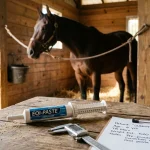
When it comes to medications like ivermectin, understanding shelf life and storage conditions can be crucial for safety and effectiveness. Did you know that improper storage can affect the potency of your medication? Whether you rely on ivermectin for treating parasitic infections or are curious about its longevity, knowing how to properly store it can help you make the most of this important medication. This guide will explore the shelf life of ivermectin, the factors that influence it, and essential storage tips to ensure you have safe and effective treatment when you need it. By the end, you’ll be equipped with practical knowledge to maximize the benefits of ivermectin while safeguarding your health.
What Is Ivermectin and Its Uses?
Ivermectin is a versatile antiparasitic medication that has gained significant attention since its introduction in the 1980s. Initially developed to treat various parasitic infections in animals, it was later proven effective in humans for conditions such as onchocerciasis (river blindness), lymphatic filariasis, and strongyloidiasis, among others. It works by disrupting the function of certain neuronal cells in parasites, leading to their paralysis and death. This makes it a crucial tool in the fight against neglected tropical diseases, particularly in rural and underserved communities.
The drug’s uses extend beyond human health; it’s widely utilized in veterinary medicine as well. Ivermectin is commonly prescribed to treat parasitic infections in livestock and pets, highlighting its broad-spectrum efficacy. However, it’s important to note that although products exist for both veterinary and human applications, only those formulations specifically approved for human use should be administered to people to avoid potential toxicity risks associated with higher concentrations found in animal-grade products.
In recent years, ivermectin has been subjected to scrutiny in the context of COVID-19. Despite some claims regarding its effectiveness against the virus, major health organizations, including the WHO and the NIH, have concluded that there is insufficient evidence to support its use for treating COVID-19. This serves as a reminder of the importance of relying on robust clinical evidence and guidelines when considering treatment options. Thus, while ivermectin remains a vital medication for combating certain parasitic diseases, its role in addressing emerging health crises remains complex and contentious.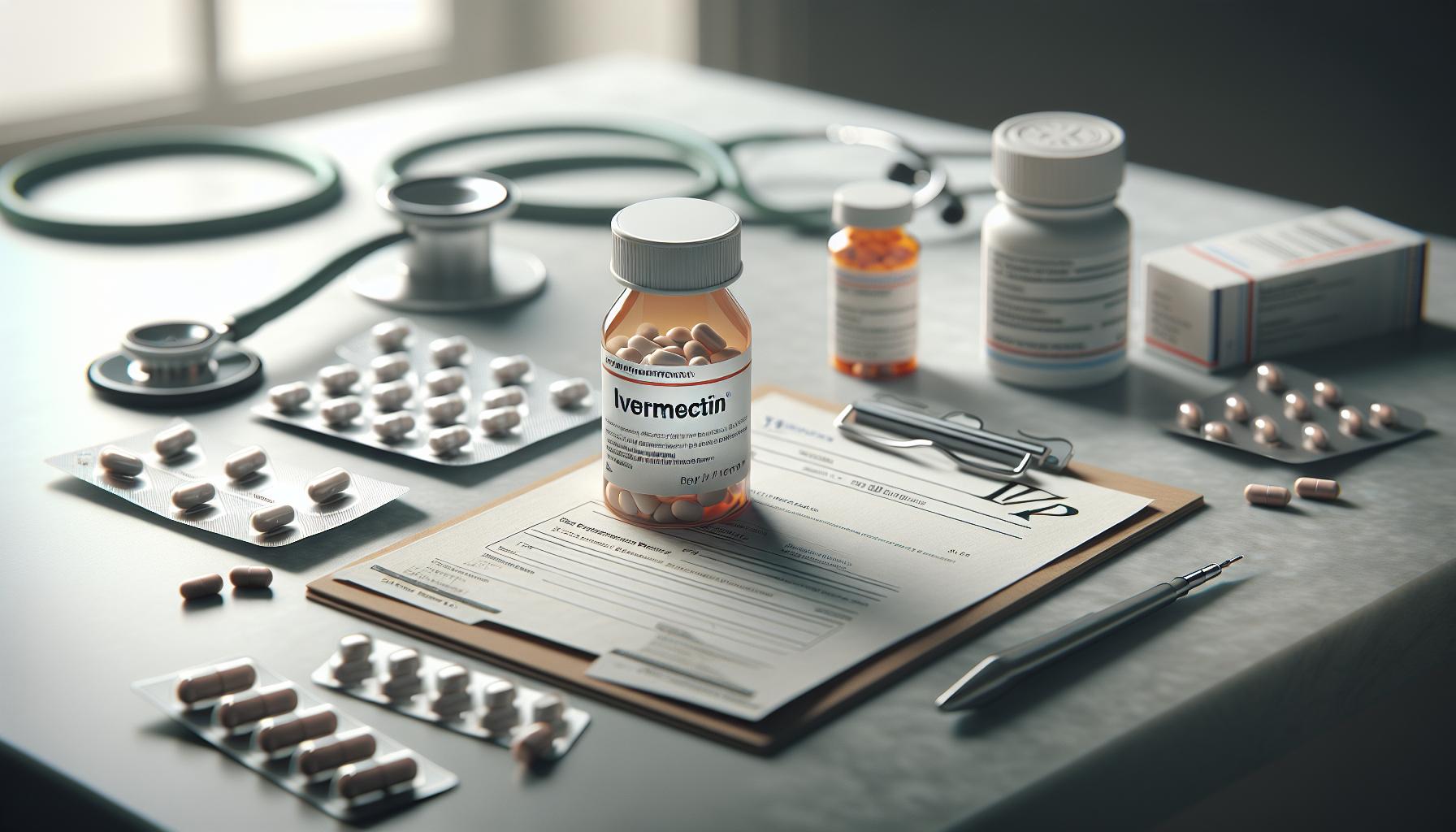
Understanding Ivermectin: A Brief History
Ivermectin has an intriguing history that underscores its pivotal role in combating various parasitic diseases, as well as its implications for shelf life and proper storage practices. Discovered in the late 1970s by Satoshi Ōmura and William Campbell, ivermectin was derived from a soil bacterium and initially developed as a veterinary medication. It quickly gained prominence for its effectiveness against parasites in livestock, setting the stage for its later use in humans. In the 1980s, it was approved for human use to treat onchocerciasis, otherwise known as river blindness, significantly improving quality of life for millions, especially in Africa and Latin America.
Understanding the drug’s history is not just a matter of academic interest; it has practical implications for those who handle it. The formulation of ivermectin for both human and veterinary use means that it’s crucial to store the right product under appropriate conditions to maintain its efficacy. The development of ivermectin was landmark, but as with many pharmaceuticals, its stability and shelf life are influenced by storage factors such as temperature, light, and moisture. For this reason, ivermectin should be stored at room temperature, away from direct sunlight, to prevent degradation, which can compromise its effectiveness.
Additionally, historical context provides vital lessons on usage and disposal. Early formulations of ivermectin highlighted the importance of proper dosing and quality control, which is still relevant today given the rise of fake medications in various markets. Ensuring that ivermectin is properly sourced-from reputable suppliers-maintains not only its effectiveness but can also mitigate risks associated with expired or improperly stored medications. Disposing of expired ivermectin safely is essential in preventing harm, as well as protecting public health.
In sum, the journey of ivermectin from a simple discovery to a key player in public health illustrates the importance of storage practices that ensure its shelf life. This reflection not only highlights the medication’s historical significance but also empowers users with knowledge about safe storage, usage, and disposal, contributing to informed decision-making in health care.
Shelf Life of Ivermectin: Key Factors
The effectiveness of ivermectin, a widely used antiparasitic medication, largely hinges on its shelf life and the conditions under which it is stored. Understanding the key factors that influence the stability of this drug is essential for maintaining its potency and ensuring it remains safe for use. One of the primary determinants of ivermectin’s shelf life is the environmental conditions it encounters, particularly temperature, humidity, and exposure to light.
To begin with, storing ivermectin at room temperature, ideally between 20°C to 25°C (68°F to 77°F), is crucial. Exposure to temperatures outside this range can lead to chemical degradation, compromising the medication’s effectiveness. Additionally, moisture is another enemy; high humidity can foster degradation or promote the growth of unwanted microorganisms, particularly in formulations that are liquid or mixed. Thus, a dry, stable environment is preferable for storage.
Another significant factor is light exposure. Ivermectin should be kept in opaque containers to shield it from direct sunlight, which can break down the chemical structure of the drug over time. This is particularly important for any formulations that might be sensitive to photodegradation. For instance, those who store ivermectin in clear containers in well-lit areas may inadvertently diminish its effectiveness.
Lastly, it’s important for users to be aware of the expiration date marked on the packaging. While many medications retain some potency past their expiration dates, the exact timeframe can vary based on storage conditions and the specific formulation. Therefore, adherents should regularly check supplies and ensure that any expired ivermectin is disposed of properly. Following these guidelines can help maintain the efficacy of ivermectin, ensuring it remains a valuable tool in the fight against parasitic infections.
How to Properly Store Ivermectin
Storing ivermectin properly is essential for maintaining its efficacy and ensuring that it remains a safe and effective treatment. Whether you’re dealing with the oral tablet form or a topical solution, understanding the right conditions for storage can prevent degradation and extend the shelf life of this important medication.
For optimal storage, keep ivermectin in a cool, dry place away from direct sunlight. Room temperature is ideal, with a range between 20°C to 25°C (68°F to 77°F) being most suitable. Avoid locations that may experience extreme temperatures, such as bathrooms or places near stoves. High humidity can also lead to chemical instability, especially in liquid formulations. Use silica gel packets or other desiccants in storage containers to help absorb moisture and keep the environment dry.
In addition to temperature and humidity, light exposure can significantly impact ivermectin’s stability. To guard against light degradation, it’s advisable to store ivermectin in opaque containers. Avoid keeping the medication in clear bottles that might allow light to penetrate, especially if the storage area is frequently illuminated. Following these simple guidelines can help ensure that the ivermectin you use remains potent and effective when you need it.
Lastly, always check the expiration date on your ivermectin packaging regularly. While some medications do retain potency beyond their expiration date, this is not guaranteed, and factors such as the specific formulation and how it has been stored can affect this. Proper storage is a critical step in ensuring that ivermectin performs as expected, contributing to effective management of parasitic infections.
Signs of Ivermectin Degradation
The effectiveness of ivermectin, like many medications, is heavily influenced by its storage conditions, and recognizing signs of degradation is crucial for ensuring its potency. Medications can start to lose effectiveness when they are inadequately stored or after they pass their expiration dates. For ivermectin, the key indicators of degradation to look out for include alterations in its physical appearance, such as changes in color or consistency. If you notice that the solution has become cloudy, particularly in the case of liquid formulations, or if tablets appear chipped or discolored, these could be red flags indicating that the drug is no longer at its best.
Another important factor to consider is the scent of the ivermectin. A strong, unusual odor may suggest that the compound has undergone chemical changes, leading to potential degradation. This is especially relevant for liquid forms, as they can be more susceptible to the influences of light and moisture. Additionally, if the medication has developed any sediment at the bottom of its container, this could signal instability and reduced efficacy.
To maintain its therapeutic benefits, it is advised to perform regular checks on your stored ivermectin. Always reference the expiration date provided on the packaging, but also consider how the medication has been stored. Even if the expiration date has not yet passed, if there are significant signs of degradation, it’s best to consult a healthcare professional about proper disposal and replacement options. Ensuring that ivermectin retains its intended efficacy not only supports individual health outcomes but also enhances the broader effectiveness of treatments against parasitic infections.
Comparing Shelf Life Across Different Forms
Understanding the shelf life of ivermectin across its various forms is crucial for both efficacy and safety. Ivermectin is available in several formulations, including tablets, topical creams, and injectable solutions, each presenting unique considerations regarding their stability and expiration. The shelf life of ivermectin can vary significantly depending on its form, storage conditions, and the presence of preservatives.
Tablets
Ivermectin tablets typically have a shelf life of around 2 to 3 years when stored properly in a cool, dry place away from sunlight. These solid formulations are generally more stable than their liquid counterparts, provided they remain sealed and protected from moisture. It’s important to check the expiration date on the packaging and avoid using tablets that show signs of degradation-such as discoloration or cracking.
Topical Creams
The shelf life of ivermectin cream can be shorter, often around 1 to 2 years. These formulations are more susceptible to breakdown due to exposure to air and light. For optimal preservation, creams should be stored in their original container, tightly closed after each use, and kept in a cool environment. Users should be vigilant for any changes in texture or odor, which can be indicators of degradation.
Injectable Solutions
Injectable forms of ivermectin also have a shelf life typically ranging from 2 to 3 years. However, they require specific storage conditions, often necessitating refrigeration. Exposure to temperature fluctuations or improper storage can reduce their efficacy more rapidly. Always check the manufacturer’s guidelines for specific storage instructions and be cautious of any visible particles or changes in clarity.
Key Takeaways
- Tablets: 2-3 years; keep cool, dry, avoid moisture.
- Topical Creams: 1-2 years; protect from light and air.
- Injectables: 2-3 years; store in refrigeration, monitor for contaminants.
Understanding the differences in shelf life between these formulations can help ensure that patients and consumers safely use ivermectin while maintaining its therapeutic effectiveness. Always consult with a pharmacy or healthcare provider for guidance on proper storage and usage.
Ivermectin Expiration: What You Need to Know
When it comes to pharmaceuticals like ivermectin, understanding the concept of expiration is crucial for ensuring safety and efficacy. Ivermectin is an antiparasitic medication commonly used for a variety of conditions, and its effectiveness can diminish over time. The expiration date is not merely a guideline; it marks the point at which the manufacturer can no longer guarantee the drug’s safety and full potency. Using ivermectin past its expiration date can pose risks, including reduced effectiveness for the intended condition, which can lead to treatment failures.
Key Considerations
It’s important to know that the shelf life of ivermectin varies based on its formulation. Tablets typically last around 2 to 3 years, while topical creams may expire in about 1 to 2 years. Injectable solutions can also last 2 to 3 years, but they often require refrigeration to maintain stability. Therefore, packaging may indicate a single expiration date, but actual usability may vary based on how the medication has been stored. Proper storage conditions-keeping medicines in a cool, dry place away from humidity, light, and temperature extremes-can help ensure that ivermectin remains effective for as long as possible.
Here are some tips to consider regarding expiration and storage:
- Check Labels Regularly: Always inspect the packaging for expiration dates before use, and routinely check any stock you may have at home.
- Monitor Storage Conditions: For injectables, ensure refrigeration as recommended. For creams and tablets, keep them in dry, light-resistant containers.
- Observe Physical Changes: If you notice any discoloration, unusual odor, or texture changes in cream formulations, it may indicate degradation.
- Disposal of Expired Medication: Don’t throw expired ivermectin in the trash. Follow local guidelines on medication disposal, possibly using drug take-back programs to prevent misuse or environmental harm.
Staying informed about the expiration and proper handling of ivermectin helps maximize its effectiveness as a valuable medical resource. Always consult healthcare providers about any concerns regarding medications and their usage.
Impact of Storage Conditions on Ivermectin
The effectiveness of ivermectin, like many medications, is highly influenced by storage conditions. Ensuring that ivermectin is stored correctly can significantly extend its shelf life and maintain its potency. Environmental factors such as temperature, humidity, and light exposure play crucial roles in the degradation of the drug. Studies have indicated that exposure to excessive heat can lead to chemical changes within ivermectin, potentially rendering it less effective than intended.
To optimize the storage life of ivermectin, it is essential to keep it in a cool, dry place. Ideal storage conditions generally range between 20°C to 25°C (68°F to 77°F), with allowances for brief excursions between 15°C to 30°C (59°F to 86°F). Humidity can equally impact the drug’s integrity; therefore, moisture-prone areas such as bathrooms should be avoided. For formulations that require it, refrigeration is recommended, particularly for injectables, to preserve their efficacy over a longer period.
Here are some practical tips for maintaining proper storage:
- Store in Original Containers: Keeping ivermectin in its original packaging helps protect it from light and moisture while also providing important labeling information.
- Avoid Frequent Temperature Changes: Do not store ivermectin in places where temperature fluctuates, such as near windows or heating vents.
- Limit Exposure to Light: Many medications can degrade when exposed to light. A dark cabinet is often a good choice for storage.
- Check for Damage: If the packaging is compromised, such as cracks in bottles or loose seals, replace the medication, as this may expose it to potentially harmful conditions.
By adhering to these recommendations, you can protect the integrity of ivermectin, ensuring that it remains effective when you need it most. Awareness of how storage conditions impact drug stability is an essential part of responsible medication management.
Disposing of Expired Ivermectin Safely
When medications such as ivermectin expire, it’s crucial to dispose of them safely to prevent potential harm to both people and the environment. Many might be tempted to toss expired drugs in the trash or flush them down the toilet, but these methods can lead to contamination and unintended exposure. It’s essential to understand the appropriate disposal methods to ensure safety and compliance with environmental guidelines.
To safely dispose of expired ivermectin, consider the following steps:
- Medication Take-Back Programs: Many communities offer medication take-back programs where expired or unused medications can be collected for safe disposal. Check with your local pharmacy, health department, or law enforcement agencies to find a take-back location.
- Disposal in Household Trash: If a take-back program is not available, you can dispose of ivermectin in your household trash. Before doing so, mix the pills or liquid with an unpalatable substance, such as dirt, cat litter, or used coffee grounds, to make it less appealing to children and pets. Place the mixture in a sealed plastic bag or container to prevent leakage.
- Flushing as a Last Resort: Flushing medications down the toilet was once a common practice; however, it is now recommended only for specific medications that may pose a high risk of harm if ingested by someone else. Always check the product label or guidance from the FDA about whether flushing is appropriate for that particular drug.
Additionally, after disposing of medication, it’s a good practice to remove any personal information from the prescription label before discarding the container to protect your privacy. By following these guidelines, you can ensure that you are handling expired ivermectin responsibly and mitigating any potential risks associated with improper disposal. Employing safe disposal methods not only protects our communities and environment but also reflects a commitment to responsible medication management.
User Experiences: Storage and Efficacy
Maintaining the efficacy of ivermectin largely hinges on proper storage practices, which can significantly impact its effectiveness over time. Users often relate their experiences with different storage conditions, illuminating how minor adjustments can either extend or compromise the medication’s shelf life. For example, many have observed that storing ivermectin in a cool, dry place far from moisture and light not only preserves its potency but also prevents degradation, thus maximizing its therapeutic benefits. It’s essential to follow storage recommendations closely, as some users have noted that exposure to humidity, especially in bathrooms or kitchens, can lead to a noticeable decrease in the medication’s efficacy.
People frequently share anecdotes about the importance of checking expiration dates and the differences they notice in the medication’s effectiveness when stored properly versus carelessly. Some have even experimented with using ivermectin past its expiration date, claiming satisfactory results, though this practice is not recommended due to potential risks. The general consensus among users emphasizes the importance of adhering to guidelines issued by healthcare providers and pharmacists regarding both storage and expiration. Storing ivermectin in its original packaging within a designated medication cabinet, away from children and pets, is a commonly endorsed approach.
Additionally, many individuals raise the issue of understanding how specific storage methods have affected their ivermectin use, especially in veterinary contexts. Stories abound of pet owners who learned through trial and error that improper storage could lead to less effective treatment for their animals. By sharing insights on storage techniques and outcomes, users contribute to a collective knowledge base that can help others avoid mistakes and optimize the use of ivermectin.
In summary, users highlight that proper storage is not just about prolonging shelf life but also ensuring that ivermectin remains effective when it is needed most. By sharing their experiences, they emphasize a community-driven approach to understanding and improving medication management, which is crucial for both human and animal health. Following recommended storage practices not only preserves efficacy but also reinforces a responsible attitude towards medication safety and effectiveness.
Common Myths About Ivermectin Shelf Life
The complexities surrounding ivermectin’s shelf life are often clouded by persistent myths that can misguide users. One of the most common misconceptions is that medications like ivermectin retain their efficacy years beyond their expiration dates. While it can be tempting to use leftover medications, medical experts generally caution against this practice. The chemical integrity of ivermectin can degrade over time, potentially leading to reduced effectiveness or altered safety profiles. Trusting that a medication is safe simply because it looks, smells, or tastes the same is a gamble that could have significant health implications.
Another prevalent myth is that the shelf life of ivermectin is uniform across all formulations. In reality, different forms of ivermectin, such as tablets, powders, and topical applications, may have varying shelf lives due to differences in stability and storage requirements. For instance, liquid formulations might be particularly sensitive to light and temperature, while solid forms may be more robust. Understanding these distinctions is crucial for ensuring the proper use and storage of ivermectin.
Storage conditions also play a pivotal role in the drug’s longevity, yet many consumers mistakenly believe that any cool place will suffice. Inadequate storage, such as leaving medications in bathrooms or areas with fluctuating temperatures, can significantly reduce their shelf life. It’s essential to follow specific storage guidelines, typically recommending a cool, dry place away from direct sunlight and moisture. Users should read product labels carefully and heed storage instructions to preserve the medication’s efficacy.
Lastly, frequent discussions about ivermectin often lead to confusion regarding its effectiveness in treating various conditions. Some users may erroneously believe that if ivermectin works for one condition, it will be effective for all situations. This is misleading. Ivermectin is specifically indicated for certain parasitic infections, and using it improperly can lead to ineffective treatment and increase the risk of adverse effects. Communicating the appropriate uses and limitations of ivermectin is vital for maintaining both safety and health outcomes.
Faq
Q: What is the typical shelf life of ivermectin?
A: The typical shelf life of ivermectin is usually 2 to 3 years, depending on the manufacturer. It’s essential to check the expiration date printed on the packaging for specific information related to the product you are using.
Q: How should ivermectin be stored to maintain its efficacy?
A: Ivermectin should be stored in a cool, dry place away from direct sunlight and moisture. The ideal storage temperature is typically between 20°C to 25°C (68°F to 77°F). Proper storage can help maintain its potency throughout its shelf life.
Q: Can ivermectin be used after its expiration date?
A: Using ivermectin after its expiration date is generally not recommended. While some medications may retain potency beyond this date, efficacy cannot be guaranteed, and it’s better to safely dispose of expired medications.
Q: What are the signs of ivermectin degradation?
A: Signs of ivermectin degradation include changes in color, odor, or consistency of the medication. If you notice any of these signs, it is advisable to avoid using the product and consult a pharmacist or healthcare provider.
Q: Are different forms of ivermectin stored the same way?
A: Yes, different forms of ivermectin, whether tablets, topical solutions, or injectables, should all be stored in similar cool, dry conditions. However, specific product labeling should always be followed for storage guidelines.
Q: What should I do with expired ivermectin?
A: Expired ivermectin should be disposed of safely to avoid environmental contamination. Follow local regulations for medication disposal, or use a drug take-back program if available. Do not throw it in the trash or flush it down the toilet unless specified.
Q: Does heat affect the shelf life of ivermectin?
A: Yes, excessive heat can shorten the shelf life of ivermectin by causing degradation. Always store ivermectin in a stable environment and avoid leaving it in places that experience high temperatures, such as cars.
Q: How can I ensure I am using effective ivermectin?
A: To ensure effectiveness, always check the expiration date, store the medication properly, and inspect for any signs of degradation before use. If you have concerns, consult a healthcare professional for guidance.
For more detailed information on ivermectin storage and shelf life, feel free to explore our article sections on “Shelf Life of Ivermectin” and “How to Properly Store Ivermectin”.
The Conclusion
Understanding the shelf life and proper storage of ivermectin is crucial for ensuring its efficacy and safety. By keeping these guidelines in mind, you can make informed choices about your medication. If you have any remaining questions or concerns, don’t hesitate to reach out to a healthcare professional for personalized advice.
For more in-depth information about ivermectin, including its effects and potential interactions, check out our articles on ivermectin side effects and dosage guidelines. Don’t miss out on staying updated-sign up for our newsletter to receive the latest health insights straight to your inbox. Your health journey is important to us; explore more to empower your decisions today!
Get our latest guides, news, and insights highlighted in your Google Search & AI Overviews.