
Ivermectin, originally hailed as a “wonder drug,” has gained renewed attention in recent years, not only for its antiparasitic properties but also amidst the controversies related to its use during the COVID-19 pandemic. Understanding who owns ivermectin-its patents and manufacturing rights-is crucial, as this ownership impacts accessibility, affordability, and the future of treatment options for countless individuals worldwide. This discussion touches on broader issues of pharmaceutical equity and public health, highlighting the tension between innovation and accessibility in healthcare. As you dive into this topic, you’ll uncover the fascinating history behind ivermectin’s development, the complexities of its patent landscape, and why these issues matter for today’s health discussions. Your quest for knowledge about ivermectin’s ownership could inform not only personal health decisions but also shape conversations around drug equity for the benefit of all.
Who Holds the Patent for Ivermectin?
Ivermectin, a drug famous for its antiparasitic properties, was developed in the late 1970s and has been pivotal in treating diseases like river blindness and lymphatic filariasis. Originally commercialized by Merck, who produced ivermectin under the brand name STROMECTOL, the drug’s patent expired in 1996, allowing other manufacturers to produce generic versions. However, patents can be complex and multifaceted, as they may include various formulations and methods of use. For example, Merck successfully obtained a patent extension for certain formulations and uses of ivermectin, extending its control over specific applications while generic versions became available in a broader context [[2]](https://www.uspto.gov/news/og/1998/week51/patusc1.htm).
Despite the expiration of the original patent, the landscape of ivermectin ownership is not straightforward. While generic manufacturers can produce and sell ivermectin, they must navigate existing patents related to formulations or specific uses that may still be held by companies like Merck or others. This creates a scenario where, even with generic availability, some companies may still profit from specific claims while others provide broader access to the drug [[1]](https://www.scielosp.org/article/bwho/2004.v82n8/562-562/).
The implications of these patent holdings mean that while ivermectin is accessible in many countries, the degree of access can vary based on local patent laws and the legal environment surrounding pharmaceutical products. Consequently, understanding who holds the patents and how they are applied is crucial for stakeholders in public health, healthcare policy, and the pharmaceutical industry.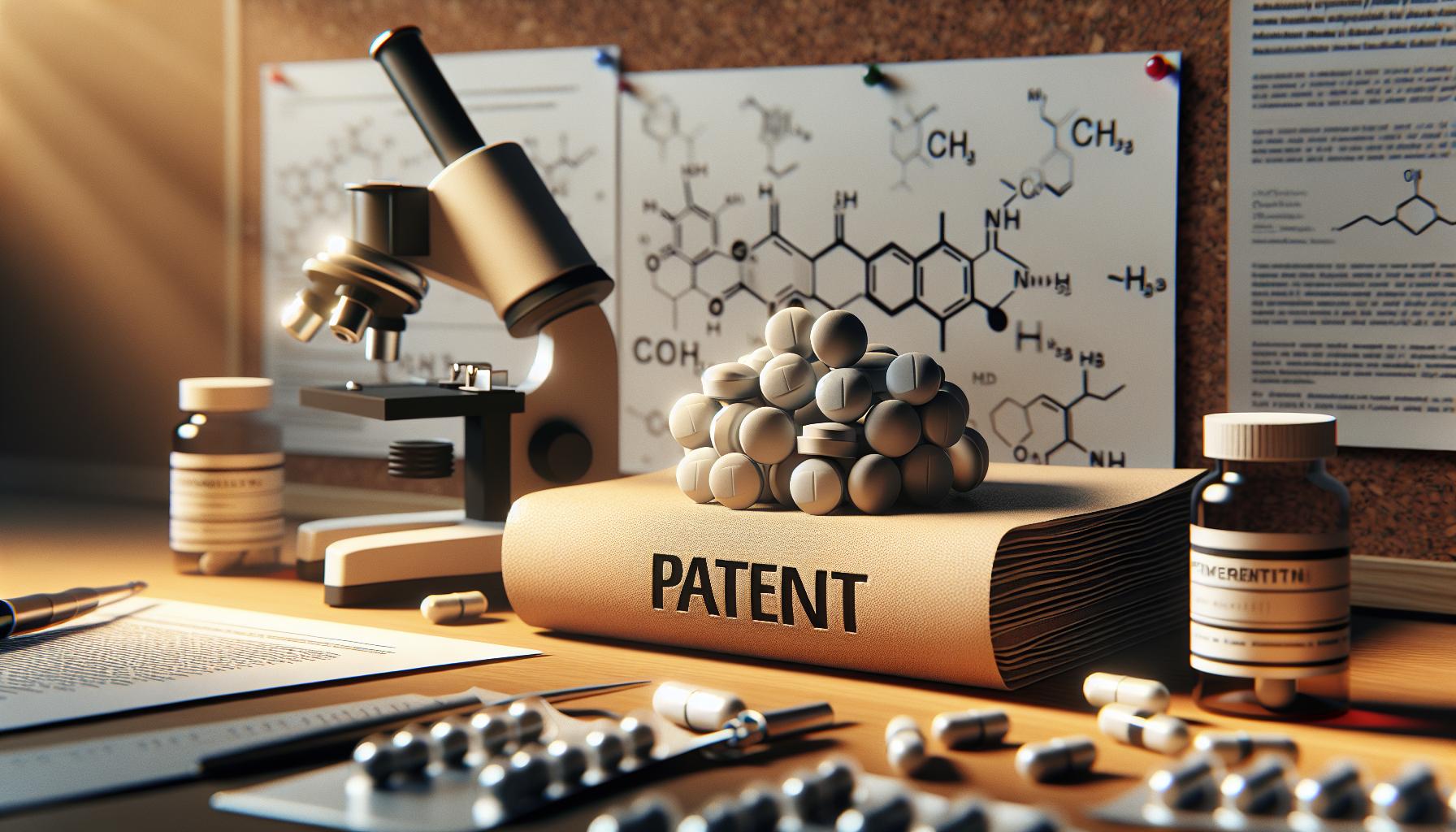
History of Ivermectin and Its Development
In the late 1970s, a remarkable innovation in the field of parasitology emerged when scientists at Merck & Co. discovered ivermectin, a potent antiparasitic agent derived from the soil bacterium Streptomyces avermitilis. Initially developed to combat parasites in veterinary medicine, ivermectin quickly gained recognition for its profound impact on global health, particularly in the treatment of tropical diseases such as river blindness (onchocerciasis) and lymphatic filariasis. This pivotal moment in pharmaceutical history not only highlighted the drug’s effectiveness but also marked the beginning of a complex narrative involving patent rights, accessibility, and public health.
Merck originally secured patent protection for ivermectin, commercializing it under the brand name STROMECTOL. This exclusivity allowed Merck to control the production and distribution of the drug, ensuring significant profits while funding further research. However, the patent expiration in 1996 opened the floodgates for generic versions, thereby increasing accessibility globally. Despite this shift, the landscape of ivermectin ownership remained complicated. Merck successfully sought extensions for various formulations and therapeutic uses, which allowed them to maintain some control over specific applications even in the face of burgeoning generic competition. As a result, certain patented claims continued to allow Merck-and possibly other entity holders-to profit from the drug while facilitating broader public access through generics [2].
This evolving legal landscape prompted a variety of responses from other pharmaceutical companies, researchers, and public health advocates. Efforts to utilize ivermectin in novel applications, including its proposed benefits for COVID-19 treatment, demonstrate the continuing relevance and potential of this drug. Moreover, in the broader context of global health initiatives, ivermectin has been championed as a valuable tool in mass treatment programs aimed at eradicating infectious diseases in developing countries, exemplifying the delicate balance between proprietary interests and public welfare [1].
As the story of ivermectin unfolds, it serves as a reminder of the complexities inherent in pharmaceutical development, patent rights, and the ethical obligations of drug manufacturers in addressing global health needs. Understanding this history is crucial for stakeholders in healthcare policy and public health, as it informs ongoing discussions about access, innovation, and the equitable distribution of medical advancements.
Manufacturing Rights and Distribution Networks
Ivermectin’s journey from a groundbreaking discovery to a widely accessible treatment is deeply intertwined with its . Initially developed by Merck & Co. and introduced for veterinary and human use under the brand name STROMECTOL, the drug’s manufacturing was tightly controlled by the company. This exclusivity allowed Merck to not only dictate production levels but also manage global distribution channels effectively, ensuring that they could maximize profits while supporting extensive research into new applications for the drug.
With the patent expiration in 1996, a significant transformation occurred in the manufacturing landscape. The introduction of generic formulations led to a dramatic increase in accessibility. Now, various manufacturers around the world could produce ivermectin, leading to a broader distribution network that catered predominantly to developing countries where diseases such as river blindness and lymphatic filariasis were prevalent. This accessibility surge has played a crucial role in public health initiatives, allowing for mass drug administration programs that are essential in combating these debilitating diseases.
Despite the rise of generics, Merck has strategically maintained some control over specific formulations and applications of ivermectin by seeking patent extensions for new uses and formulations. Such strategic maneuvering demonstrates the complexities involved in manufacturing rights; even as generic producers increase competition, the original patent holder could still profit from specific uses of the drug. Consequently, the relationship between generic manufacturers, proprietary interests, and public health remains intricate, highlighting ongoing discussions about equity in drug availability and the need for cooperation between the private and public sectors.
Moving forward, the sustainability of ivermectin’s distribution networks will depend not just on the presence of generics, but also on ongoing partnerships with global health organizations and governments to ensure that the drug remains accessible to populations in need. This cooperative approach could be crucial for addressing not only the existing diseases ivermectin treats but also potential future applications that continue to emerge through research and development.
Who Profits from Ivermectin Sales?
Ivermectin, a drug originally developed for veterinary use, has found a significant place in the treatment of various human parasitic diseases, notably river blindness and lymphatic filariasis. The profits from ivermectin sales present a complex picture shaped by its patent history and the advent of generic manufacturing. After the initial patent held by Merck & Co. expired in 1996, the market witnessed a surge in generic versions produced by numerous manufacturers, fundamentally transforming the economics surrounding the drug.
Corporate Dynamics in Profit Sharing
Following the expiration of the patent, various companies began producing ivermectin, thereby driving down prices and increasing accessibility, particularly in low-income countries. However, Merck has managed to retain a foothold in the market by patenting new formulations and seeking extensions for specific uses. This strategic move allows them to continue profiting from certain applications of ivermectin, despite the prevalence of cheaper generics. These tactics highlight the often contentious relationships between original patent holders and generic manufacturers, a dynamic frequently seen in the pharmaceutical industry.
Who Benefits Financially?
The financial benefits from ivermectin sales are widespread, impacting multiple stakeholders:
- Pharmaceutical Companies: Companies that produce ivermectin, both branded and generic, earn revenue from sales, although generic versions tend to have lower profit margins compared to branded products.
- Research Institutions: Entities involved in research and development related to ivermectin can receive funding and grants based on its applications in treating tropical diseases.
- Healthcare Systems: In many countries, especially in Africa and parts of Asia, the mass distribution of ivermectin through public health initiatives leads to reduced costs associated with treating the diseases it targets, indirectly benefiting healthcare budgets.
Despite the rise of generics, the global demand for ivermectin remains robust, particularly for noted disease eradication efforts. The interplay of corporate profits, public health needs, and patent laws means that while some companies benefit significantly, the overarching goal should always focus on accessibility and effective treatment for populations in need, ensuring that profits do not overshadow public health priorities.
Global Regulations and Ivermectin Access
Access to ivermectin is regulated on multiple levels globally, significantly impacting its availability and distribution. Initially developed for veterinary use, ivermectin’s contributions to human health, particularly in treating parasitic infections like river blindness and lymphatic filariasis, have prompted health organizations and governments to intervene in its regulation to ensure equitable access.
The World Health Organization (WHO) plays a pivotal role in facilitating access to ivermectin, especially in endemic regions. Programs such as the African Program for Onchocerciasis Control (APOC) have made ivermectin widely available through mass drug administration (MDA) campaigns. These initiatives aim to distribute ivermectin at no cost to those in need, promoting public health and reducing disease incidence. By collaborating with local governments and NGOs, the WHO ensures that ivermectin reaches even the most vulnerable populations, thus circumventing typical market limitations.
However, the presence of generic manufacturers has introduced complexities into the regulatory landscape. After the patent for ivermectin expired, numerous companies began producing their versions, leading to price reductions and increased accessibility. Nonetheless, patent laws still affect formulations and specific indications. For example, Merck & Co. has continued to seek patent extensions for certain uses of ivermectin, allowing them to maintain a competitive edge in those markets, despite the broader availability of generics.
While regulations aim to balance patent rights with public health needs, disparities remain in how countries manage ivermectin acquisition. In low-income regions, approaches to regulation are often shaped by collaborative international efforts, ensuring access through public health frameworks rather than market-driven forces. Nonetheless, in wealthier nations, the focus can shift towards profitability, which sometimes results in restricted access due to higher consumer prices for new formulations. This dynamic reveals the ongoing tension between innovation, patent law, and the overarching goal of universal access to essential medicines.
The Role of Ivermectin in Veterinary Medicine
The use of ivermectin in veterinary medicine has turned it into an indispensable asset for the health and welfare of livestock and pets worldwide. Initially developed in the late 1970s, ivermectin quickly gained recognition for its effectiveness in treating a variety of parasitic infections in animals. This broad-spectrum efficacy is especially significant in large-scale farming, where livestock can easily become infested with internal and external parasites, affecting their health and productivity.
Ivermectin is commonly administered to treat issues such as heartworm in dogs, and various types of worms and mites in cattle, sheep, and horses. Its mode of action involves binding to specific proteins in the parasite’s nervous system, leading to paralysis and death. This targeted activity allows for effective parasite control while minimizing harm to the host. The drug’s ease of use, typically available in formulations such as injectables, oral paste, and pour-on solutions, makes it popular among veterinarians and pet owners alike.
In addition to its therapeutic applications, ivermectin is also utilized as a preventative measure in veterinary medicine. For instance, it is crucial in heartworm preventive treatments for dogs, especially in regions where the disease is endemic. This preventive action not only protects individual animals but also contributes to public health by reducing the prevalence of zoonotic diseases.
However, the widespread use of ivermectin in veterinary medicine is not without its challenges. The emergence of drug resistance in certain parasitic populations has raised concerns, prompting ongoing research into alternative treatments and the development of new formulations. Moreover, because ivermectin is often used off-label in some animal species, regulations are in place to ensure its safe and effective use, safeguarding animal health.
In summary, ivermectin holds a pivotal role in veterinary settings, providing significant benefits to animal health while also presenting challenges that necessitate continued research and regulation. The balance between effective treatment and the management of resistance will shape the future landscape of ivermectin’s use in veterinary medicine.
Human Applications and Controversies Surrounding Ivermectin
The story of ivermectin in human medicine is as compelling as it is controversial. Initially celebrated for its remarkable effectiveness against parasites like river blindness and lymphatic filariasis, ivermectin has become a focal point of heated debates, particularly in light of the COVID-19 pandemic. While the drug has been used safely and effectively for decades in treating various parasitic infections, its sudden surge in popularity as a potential treatment for COVID-19 has sparked significant contention both in the scientific community and among the public.
Despite its proven success in treating human ailments, including onchocerciasis and scabies, the enthusiasm around ivermectin as a treatment for COVID-19 has ignited profound controversies. Many studies and health organizations, including the World Health Organization (WHO), have cautioned against its unproven efficacy in treating the virus. Misinformation and anecdotal successes have led to a public perception that ivermectin is a viable option, even prompting usage in some countries without substantial scientific backing. The conflict between scientific rigor, public demand, and misinformation has created a landscape of confusion, making it crucial for individuals to seek reliable information and consult healthcare professionals when considering treatments.
R&D, Patents, and Accessibility
The rights to ivermectin are as complex as its applications. Originally derived from a natural compound found in a soil bacteria, ivermectin was developed in the late 1970s by scientists William C. Campbell and Satoshi Ōmura, leading to its approval for human use in the 1980s. The drug was initially patented by Merck, which allowed it to be distributed largely at cost in developing nations to combat neglected tropical diseases. However, the expiration of the original patents over time means that various manufacturers can produce generic versions, raising questions about quality, pricing, and accessibility across different global contexts.
This scenario often leads to disparities in availability and cost. While many low-income countries benefit from generic formulations that are affordably accessible, the debate around pricing and profit becomes more pronounced in wealthier nations where the drug’s scarcity has increased its price exponentially in specific markets. The challenge remains in balancing the patent rights that protect pharmaceutical interests with the need for global health equity, ensuring treatments like ivermectin remain available to those who need them most.
In summary, the journey of ivermectin through human medicine illuminates the intricate interactions between scientific innovation, public health policies, and the challenges posed by misinformation. As research continues and the debate evolves, clear communication and evidence-based guidance will be critical in navigating the future of ivermectin, both in its established roles and emerging applications.
Alternative Treatments and Competing Patents
In the landscape of pharmaceuticals, the journey of ivermectin has opened the door to numerous that challenge its longstanding dominance in treating parasitic infections. As research continues and the medical community seeks effective solutions, several contenders have emerged that not only provide alternatives to ivermectin but also reflect on the ongoing innovation in the drug development arena.
Among the leading alternatives, albendazole and mebendazole are frequently highlighted for their efficacy against a range of parasitic infections, especially in the treatment of soil-transmitted helminthiases. Both medications belong to the class of benzimidazoles, and their mechanisms of action disrupt the metabolism of parasites, leading to their elimination. As generic formulations, their availability and affordability often exceed those of ivermectin, particularly in regions where cost is a major barrier to healthcare.
Additionally, nitazoxanide has gained attention as a broad-spectrum antiparasitic agent. Initially approved for the treatment of diarrhea caused by certain protozoa, its spectrum has expanded to include efficacy against helminths as well. This broad action makes it a potential alternative to ivermectin for doctors aiming to diversify treatment regimens. Furthermore, nitazoxanide has the added advantage of being effective against certain viral infections, which contexts like the COVID-19 pandemic have made particularly relevant.
Competing with these existing alternatives are ongoing patent applications aimed at improving or modifying ivermectin. For example, recent research explores the formulation of innovative delivery methods, such as topical creams or specialized sprays that promise increased absorption and effectiveness. As stated in a provisional patent submission for topical ivermectin, these formulations could significantly expand access and ease of use, making ivermectin not only a treatment but a preventive measure in certain populations [1].
The dynamic nature of drug development suggests a continuing evolution with respect to ivermectin and its competitors. As healthcare professionals assess their treatment options, it is essential for them to consider the pharmaceutical landscape’s complexities, including the implications of patents and generics on treatment accessibility. With each alternative treatment, the conversation around public health continues to evolve, highlighting the importance of innovation in the quest for effective therapies against parasitic diseases.
Public Perception and Misconceptions About Ivermectin
Misunderstandings about ivermectin have proliferated, particularly during recent global health crises. Given its history as a veterinary medicine and its revitalized interest for human applications, it’s crucial to disentangle myths from facts regarding this compound. A significant aspect of public perception centers around its use outside the established guidelines, especially as voices have emerged advocating for its application in treating various conditions, including COVID-19.
One compelling misconception is that ivermectin is an untested or experimental drug for human use. In reality, ivermectin was developed in the late 1970s and has been used effectively for decades in treating parasitic infections in humans, such as onchocerciasis (river blindness) and lymphatic filariasis. As its original patent expired in 1996, it became widely available as a generic drug, which has contributed to its broad accessibility and affordability globally, especially in developing nations where these diseases are prevalent.
Additionally, the role of perceived endorsements and criticisms by public figures and health organizations can deeply influence public trust and usage behaviors. Many individuals have been swayed by anecdotal testimonies rather than robust scientific evidence, leading to a skewed understanding of what ivermectin can and cannot do. To combat hesitancy to use widely accepted treatments, health professionals must focus on disseminating clear, evidence-based information regarding both the efficacy and safety of ivermectin-especially when discussing its potential benefits versus the risks of inappropriate use or self-medication.
For those seeking to educate themselves and others, understanding the distinction between approved uses of ivermectin and its controversial off-label applications is vital. Readers are encouraged to rely on credible sources, such as peer-reviewed studies and official health guidelines, to form an informed opinion. Engaging discussions that address common questions and providing a balanced view of ivermectin’s role-both as a valuable tool in the fight against parasitic diseases and as a subject of ongoing debate-can foster a more nuanced public understanding of this important medication.
The Future of Ivermectin: Research and Innovations
As interest in ivermectin has surged, particularly amid health crises like the COVID-19 pandemic, it’s essential to consider its future in both research and innovation. This versatile compound, primarily recognized for its effectiveness against parasitic diseases, is now the subject of renewed exploration for diverse applications. Ongoing research could uncover new therapeutic uses, expanding ivermectin’s role in human health beyond its traditional boundaries.
Recent studies have hinted at the potential of ivermectin in treating viral infections, including preliminary investigations into its efficacy against SARS-CoV-2. While these studies remain controversial and under scrutiny, the fundamental pharmacological properties of ivermectin-particularly its ability to inhibit certain viral replication processes-offer intriguing possibilities. Continued investigations could play a critical role in elucidating whether these applications can be substantiated with rigorous clinical validation.
Moreover, as the patent status of ivermectin allows for its generic production, there’s an ever-increasing opportunity for innovation in delivery systems. Advancements like topical formulations or novel biocompatible delivery methods could enhance the bioavailability and patient adherence to treatment regimens. This would not only benefit the pharmaceutical landscape but also ensure that patients receive medications that are easier to use and more effective.
In this evolving landscape, collaboration among scientists, pharmaceutical companies, and regulatory bodies becomes crucial. By sharing knowledge and resources, the potential to optimize ivermectin’s applications can be realized. As research progresses, public perceptions are likely to shift, fostering a more nuanced understanding of ivermectin’s capabilities. This shift can empower healthcare practitioners to consider ivermectin within a broader therapeutic context, ultimately leading to improved public health outcomes.
How to Source Ivermectin Safely and Legally
Navigating the world of pharmaceuticals can be challenging, especially when it comes to sourcing medications like ivermectin, which has gained international attention due to its various applications. To ensure safe and legal access to this medication, it’s crucial to understand the avenues available for purchasing it, as well as the legal and safety standards that should be followed.
The most reliable way to obtain ivermectin is through a licensed healthcare provider. Consulting with a physician can lead to a legitimate prescription if ivermectin is deemed appropriate for your condition. Pharmacies, particularly those integrated within healthcare systems, are best suited for providing medications that meet safety and efficacy standards. In many countries, generic versions of ivermectin are available due to the expiration of the original patent, permitting a broader range of options for patients seeking affordable treatments.
Online Pharmacies and Safety
If you’re considering sourcing ivermectin online, it’s essential to do so through reputable, licensed pharmacies. Here are some tips for ensuring safety:
- Check for Licensing: Ensure that the online pharmacy is licensed in your country. Look for certifications from relevant health authorities.
- Evaluate Product Information: Legitimate pharmacies provide clear, detailed product descriptions, including dosage and usage instructions.
- Consult Reviews: Look for reviews from other customers to gauge the pharmacy’s reliability and service quality.
- Beware of Red Flags: Be cautious of pharmacies that do not require a prescription or those that offer prices significantly lower than the market average.
Additionally, consider engaging with healthcare professionals or pharmacists who can provide insights into the best practices for sourcing ivermectin safely. They can guide you on the appropriate dosage and administration forms based on individual health needs, reinforcing the importance of tailored medical oversight.
Local Regulations and Access
It’s vital to be aware of local regulations surrounding ivermectin. In some regions, ivermectin is available over the counter, while in others, it requires a prescription. Familiarizing yourself with these laws can help streamline the process and ensure that you are compliant with legal requirements. In areas where ivermectin is primarily marketed for veterinary use, human applications might still be accessible but should always be approached with caution and professional guidance.
By following these steps and remaining informed about both legal constraints and safety considerations, individuals can navigate the complexities of sourcing ivermectin responsibly, highlighting the importance of sticking to trusted channels for all medical needs.
FAQ
Q: What pharmaceutical company developed Ivermectin?
A: Ivermectin was developed by Merck & Co., Inc., specifically by researchers William Campbell and Satoshi Ōmura, who were awarded the Nobel Prize in Physiology or Medicine in 2015 for their work. Merck holds the patent for Ivermectin and has donated it for use in treating river blindness and lymphatic filariasis.
Q: Are there any current patents related to Ivermectin?
A: Although the original patent for Ivermectin expired, new patents can emerge relating to formulations or uses of the drug, including specific applications in human and veterinary medicine. Manufacturers might seek patent protection for various advancements in delivery methods or combination therapies.
Q: How is Ivermectin manufactured and who oversees its production?
A: Ivermectin is manufactured by various companies globally under strict regulatory oversight, particularly by the FDA and EMA. This ensures compliance with safety standards. The licensing and production rights can vary by region, based on local regulations and partnerships.
Q: What are the implications of generic Ivermectin production?
A: The expiration of Ivermectin’s patent has allowed generic versions to be produced, which can lower costs and increase access for patients in need. However, quality control and production standards must still be upheld to ensure efficacy and safety.
Q: Who benefits financially from Ivermectin sales?
A: Merck, as the original developer, benefits from brand recognition and any continued sales of patented formulations. Additionally, generic manufacturers can profit from their versions of Ivermectin once patents expire, making treatments more accessible.
Q: What is the role of international organizations regarding Ivermectin use?
A: International organizations, like the World Health Organization (WHO), facilitate distribution and accessibility of Ivermectin, particularly in low-resource settings for treating onchocerciasis and lymphatic filariasis. They often collaborate with manufacturers to ensure supply.
Q: How does public perception affect the availability of Ivermectin?
A: Public perception, especially regarding Ivermectin’s use beyond its approved indications, can significantly impact its demand and regulatory attention. Misinformation may lead to increased scrutiny or hesitancy among patients and healthcare providers.
Q: Are there any legal disputes over Ivermectin patents or production rights?
A: Legal disputes over Ivermectin patents may arise concerning generic production rights or drug safety standards, especially if there are claims about efficacy or safety variations among generic versions. Monitoring ongoing litigation is essential for prospective manufacturers.
Key Takeaways
Understanding who owns Ivermectin-its patents and manufacturing rights-provides valuable insights into its availability and impact on global health. As we’ve uncovered, this drug plays a crucial role in treating parasitic infections worldwide, making knowledge of its ownership more than just an academic concern. If you’re interested in the broader implications of drug ownership or want to delve deeper into related topics like the distribution of Ivermectin in low-income countries or its role in public health, check out our articles on “The Impact of Drug Patents on Healthcare Access” and “How Ivermectin is Revolutionizing Treatment for Tropical Diseases.”
Don’t miss out on the opportunity to stay informed about health innovations. Sign up for our newsletter for updates on the latest research and expert insights, or explore our deeper dive into Ivermectin’s mechanisms and other treatments that are reshaping medicine. Your next step in understanding pharmaceutical ownership and its consequences is just a click away-join the conversation and empower yourself with knowledge today!
Get our latest guides, news, and insights highlighted in your Google Search & AI Overviews.