
Ivermectin, widely known for its role in treating parasitic infections, is available in various formulations, including tablet form. This makes it accessible for many patients seeking effective treatment for conditions like roundworm infections. Understanding how ivermectin works, its benefits, and its different delivery methods is crucial, especially as it has garnered attention for potential uses beyond its original purpose. By exploring the various formulations of ivermectin, including pills, we can address key concerns regarding dosing, administration, and effectiveness. Join us as we delve into the specifics of ivermectin tablet formulations, ensuring you have the information needed for informed health decisions and better understanding of this important medication.
Does Ivermectin Come In Pill Form? Understanding the Basics
Ivermectin, a medication originally developed for veterinary use, has gained significant attention over the years for its effectiveness in treating various parasitic infections in humans. One of the most commonly asked questions about this drug is whether it comes in a pill form. The answer is yes-ivermectin is available as an oral tablet formulation, commonly referred to as Stromectol. This form allows for straightforward administration, making it a convenient option for patients.
Oral ivermectin tablets are typically prescribed for the treatment of several parasitic infections, including onchocerciasis (river blindness), strongyloidiasis, and cutaneous larva migrans. They come in dosages of 3 mg and 12 mg, allowing healthcare providers to tailor the treatment according to the patient’s specific needs and the type or severity of the infection. The ease of taking a pill contributes significantly to patient compliance, especially when compared to other forms of medication that may require injections or topical application.
Understanding the pharmacokinetics of ivermectin is crucial as well. When taken orally, the medication is absorbed and distributed throughout the body, effectively targeting the parasites. This capability has made oral ivermectin a vital tool in combating parasitic diseases, particularly in regions where these infections are endemic. Moreover, it has prompted ongoing research into the drug’s broader applications, including investigations into its potential antiviral properties.
In summary, the availability of ivermectin in pill form has made it an accessible and effective option for the treatment of various parasitic infections, showcasing its significance in global health.
Exploring Ivermectin Pill Formulations
Ivermectin’s transformation from a livestock treatment into a critical component of human medicine is a captivating tale of scientific discovery. The oral tablet formulation of ivermectin, commonly known as Stromectol, has emerged as a vital tool in combating various parasitic diseases. These formulations are specifically designed to allow easy ingestion, with tablets typically available in dosages of 3 mg and 12 mg. This versatility facilitates individualized treatment plans, enabling healthcare providers to prescribe the correct dosage based on a patient’s infection type and severity.
One of the significant advantages of ivermectin pills is their stability and standardization compared to some other treatment forms. In pill form, the bioavailability and dosage assurance are enhanced, ensuring that patients receive consistent therapeutic levels. This is crucial for maintaining effective treatment regimens, as the pharmacokinetics-how the drug is absorbed, distributed, metabolized, and excreted-support the medication’s efficacy. When ingested, ivermectin systematically targets parasites, making it particularly effective for conditions such as onchocerciasis and strongyloidiasis.
Unlike topical applications or injectables that may be less patient-friendly due to discomfort or application difficulty, ivermectin tablets offer a logistical advantage. Patients can easily adhere to their treatment schedules without the complications that often accompany other methods, such as injections needing medical supervision. This ease of administration contributes directly to improved patient outcomes and higher compliance rates, affirming the role of oral ivermectin in both clinical and community health settings.
The formulation of ivermectin in pill form has not only paved the way for innovative uses in veterinary medicine but also sparked ongoing research into its potential against other conditions, including viral infections. Such studies highlight the importance of continued investment in understanding this multifaceted drug, paving the way for new treatment opportunities that harness its unique mechanisms of action. The adaptability and effectiveness of ivermectin pills underscore a significant milestone in parasitic disease treatment, reinforcing the importance of such formulations in global health strategies.
How Ivermectin Pills Are Administered
Administering ivermectin pills is designed to be straightforward, enhancing patient compliance and the overall effectiveness of treatment. These pills can be taken orally with water, making them a convenient option for both patients and healthcare providers. For adult formulations, ivermectin is typically available in 3 mg and 12 mg tablets, with the specific dosage often determined by the condition being treated and patient characteristics such as weight and renal function. It’s crucial that patients follow their healthcare provider’s directions regarding when and how to take the medication to maximize its benefits.
One of the significant advantages of pills is their ease of administration compared to other forms of ivermectin. Unlike topical treatments that may require specific application techniques or cause skin irritation, or injectables that necessitate professional oversight, oral ivermectin allows patients to self-manage their treatment in a comfortable setting. It’s recommended that these tablets be taken on an empty stomach for optimal absorption, which usually means taking them at least one hour before a meal or two hours after. This simple guideline helps ensure that the drug is efficiently absorbed into the bloodstream, allowing it to effectively target parasitic infections.
Furthermore, adherence to the prescribed dosing schedule is vital not only for treating the underlying infection but also for preventing the development of resistance. Patients should be educated about the importance of completing the full course of treatment as prescribed, even if symptoms improve before the medication is finished. Clear communication between patients and healthcare providers can also help address any questions about potential side effects or interactions with other medications, ensuring safer administration and improved health outcomes.
Overall, the straightforward nature of administering ivermectin pills underscores their value in the therapeutic landscape for treating various parasitic infections, contributing to higher rates of compliance and patient satisfaction in managing these conditions.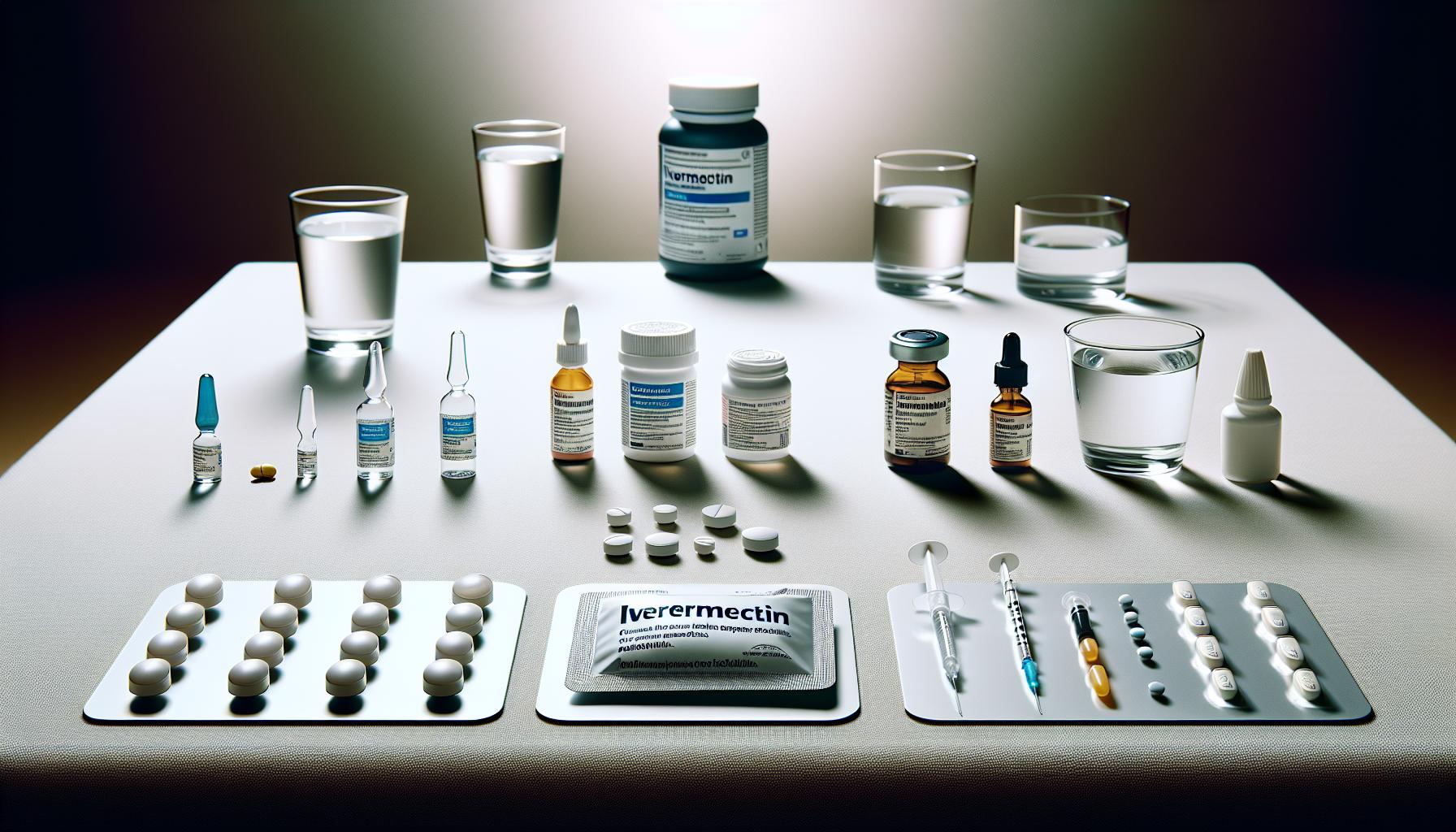
Comparing Ivermectin Pills and Other Forms
When it comes to ivermectin, the pill form stands out due to its convenience and ease of use in comparison to other delivery methods, such as topical formulations and injections. Each form of ivermectin brings distinct advantages and limitations, which can significantly influence treatment choice based on patient needs and specific conditions.
Ivermectin Tablets vs. Topical Creams
Ivermectin is available as both pills and topical creams. The oral tablets are particularly suitable for systemic infections where the parasites are not located on the skin’s surface. In contrast, topical formulations are ideal for conditions like rosacea or localized parasitic infections, where direct application to the skin is necessary. However, topical treatments may require more careful application to avoid side effects like skin irritation or allergic reactions. Moreover, pills may enhance patient adherence due to their straightforward administration route, eliminating the need for specific application techniques that topical treatments demand.
Ivermectin Pills vs. Injectable Forms
Injectable forms of ivermectin are generally reserved for severe cases under medical supervision, given the complexity associated with injections. For instance, administering an injection typically necessitates a healthcare provider’s involvement, which can be inconvenient and sometimes distressing for patients. Pill formulations, on the other hand, allow for self-administration, making them an appealing option for patients who need ongoing treatment for conditions like onchocerciasis (river blindness) or lymphatic filariasis. Additionally, the oral form generally offers a better overall experience in terms of comfort and independence, especially for long-term use.
Conclusion: Choosing the Right Form
Ultimately, the choice between ivermectin pills, topical treatments, and injectables depends on several factors, including the nature of the infection, patient preference, and medical considerations. Understanding the specific uses and benefits of each form helps patients and clinicians make informed decisions tailored to individual treatment needs. By prioritizing ease of use and adherence, ivermectin pills represent a vital option within the broader landscape of parasitic infection therapies.
Potential Benefits of Ivermectin Pills
One compelling aspect of ivermectin pills is their remarkable versatility in treating various parasitic infections effectively and efficiently. Not only are these pills easy to administer, but they also ensure that the medication is distributed throughout the body, reaching parasites that may be located deep within tissues. This systemic approach is crucial for conditions such as onchocerciasis (river blindness) and strongyloidiasis, where parasites can evade topical treatments.
Convenience and Adherence
The convenience of taking a pill cannot be overstated. For patients, especially those managing chronic conditions that require ongoing treatment, the simplicity of oral administration enhances adherence to the prescribed regimen. Taking a tablet is generally quicker and requires no special training, making it an ideal choice for individuals who might have difficulty with injections or complex application techniques associated with topical treatments. This ease of use can lead to improved health outcomes, as consistent uptake of the medication is crucial for achieving and maintaining efficacy.
Broad Accessibility and Cost-Effectiveness
Ivermectin pills are also widely accessible in many regions, contributing to their popularity as a first-line treatment. Cost-wise, they often come at a lower price point compared to some brand-name topical formulations and injectable options. This affordability is particularly important in resource-limited settings where parasitic infections are prevalent, ensuring that more individuals can access necessary treatment without financial strain. Moreover, many programs and initiatives are focused on distributing ivermectin, especially for mass drug administration campaigns aimed at eliminating river blindness and lymphatic filariasis in endemic areas.
In summary, the extend beyond their efficacy in treating parasitic infections. Their ease of administration, broad accessibility, and cost-effectiveness make them a practical and essential tool in the fight against parasitic diseases, emphasizing their role in promoting public health worldwide.
Common Uses of Ivermectin in Pill Form
Ivermectin pills are a commonly used medical treatment with diverse applications, particularly in combatting parasitic infections. Their efficacy is rooted in their ability to target a range of parasites, which makes them a vital resource in both human and veterinary medicine. One of the most well-known uses of ivermectin is in the treatment of onchocerciasis, commonly referred to as river blindness. This debilitating disease, caused by the parasitic worm Onchocerca volvulus, is primarily found in parts of Africa and Latin America. Ivermectin effectively kills the juvenile forms of the parasite, significantly reducing the risk of the disease’s severe complications and preventing its transmission.
Another significant application of ivermectin is in the treatment of strongyloidiasis, an infection caused by the Strongyloides stercoralis parasite. This condition can be particularly dangerous for immunocompromised individuals, as the parasite can cause severe gastrointestinal symptoms and even lead to life-threatening complications. Ivermectin acts by paralyzing the worms and allowing the body to eliminate them, proving to be a quick and effective solution for patients who require swift intervention.
Apart from these major uses, ivermectin pills are also effective against other parasitic infections, including lymphatic filariasis, scabies, and some types of head lice. In regions where parasitic diseases are prevalent, public health initiatives often include mass distribution of ivermectin as part of community treatment programs, significantly contributing to disease control efforts and improving the health of entire populations.
Moreover, due to their low cost and ease of administration, ivermectin pills are particularly accessible in developing countries, ensuring that even those in resource-limited settings can receive this essential medication. This accessibility plays a crucial role in global health strategies aimed at eradicating neglected tropical diseases. As more research is conducted, the understanding of ivermectin’s mechanisms and potential additional applications continues to expand, promising further advancements in treatment strategies for various conditions.
Safety and Side Effects of Ivermectin Pills
Ivermectin, widely recognized for its effectiveness against various parasitic infections, is generally well-tolerated when taken in pill form. However, like any medication, it can have side effects, which vary in severity among different individuals. Understanding these safety considerations is crucial for anyone considering or prescribed ivermectin tablets.
Most users experience minimal adverse effects, but some common mild reactions may include nausea, vomiting, diarrhea, stomach pain, and fatigue. These symptoms are typically self-limiting and resolve without any medical intervention. In rarer cases, people may develop allergic reactions that manifest as rashes, itching, or swelling-particularly concerning if they exhibit signs of anaphylaxis, such as difficulty breathing or swelling of the face and throat. It’s essential for patients to monitor their reactions post-administration and seek immediate medical advice if severe allergies or significant side effects occur.
Individuals with particular health conditions should exercise caution when considering ivermectin. For example, those with a history of liver disease or certain neurological conditions might be at an increased risk for more pronounced side effects. Additionally, the interaction of ivermectin with other medications-particularly those affecting liver enzymes-can lead to increased side effects or diminished efficacy. As such, disclosing all current medications and health conditions to a healthcare provider before starting treatment is advisable.
Key Safety Considerations
- Common Mild Side Effects: Nausea, diarrhea, stomach pain, fatigue.
- Serious Reactions: Allergic reactions, skin rashes, breathing difficulties.
- Pre-existing Conditions: Liver or neurological diseases may elevate risk profiles.
- Drug Interactions: Discuss all medications with a healthcare provider to avoid adverse effects.
By adhering to medical guidance and being aware of potential side effects, individuals can maximize the benefits of ivermectin while minimizing risks, paving the way for successful treatment. As the medical community continues to research and understand the longer-term implications of ivermectin use, ongoing conversations about safety and efficacy remain vital for informed patient decisions and health outcomes.
Who Should Avoid Ivermectin Pills?
Certain individuals should approach ivermectin pills with caution or avoid them entirely due to specific health conditions or medication interactions. For example, people with a history of liver disease are at a heightened risk for developing adverse reactions. Ivermectin is metabolized in the liver, so impaired liver function could lead to increased levels of the drug in the bloodstream, elevating the potential for toxicity or side effects. Therefore, individuals with compromised liver health should consult their healthcare provider carefully before considering this medication.
Additionally, neurological conditions such as seizures or other disorders affecting the nervous system may warrant avoidance of ivermectin. The drug’s impact on the central nervous system can pose risks for those already living with these issues, potentially exacerbating their symptoms or leading to complications. Patients with these concerns should discuss alternative treatments with their healthcare professionals.
Moreover, individuals taking medications that interact with ivermectin, particularly those that affect liver enzymes, should avoid using ivermectin without medical supervision. These interactions can diminish the efficacy of either the ivermectin or the coadministered treatments, resulting in insufficient therapeutic effects. It is advisable for patients to provide a complete list of their current medications to their healthcare provider to ensure safe and effective treatment planning.
In general, pregnant or breastfeeding women should also approach ivermectin with caution. While specific studies have not conclusively established major risks, the potential effects of ivermectin on fetal and infant health are not fully understood. Consulting a healthcare provider is essential to weigh the risks and benefits in these situations. By being aware of these factors, individuals can make more informed decisions about their treatment options and prioritize their health and safety.
The Science Behind Ivermectin’s Effectiveness
Ivermectin stands out as a groundbreaking treatment in the realm of parasitic infections, renowned for its efficacy and broad application. lies in its ability to bind selectively to specific receptors in the bodies of various parasites, disrupting their nervous systems and metabolic processes, ultimately leading to their death. This mechanism of action is highly effective against a number of parasitic diseases, which is particularly relevant given its diverse formulations, including pill form.
Ivermectin works primarily by targeting the glutamate-gated chloride channels found in nematodes and arthropods, which are crucial for the regulation of ion flow across cellular membranes. When ivermectin binds to these channels, it causes an influx of chloride ions into the cell, leading to paralysis and death of the parasite. Additionally, ivermectin has shown effectiveness against other types of pathogens, including certain viruses and fungi, although its primary use remains in the treatment of parasitic infections like River Blindness and Lymphatic Filariasis.
Research has also indicated that the drug’s pharmacokinetics-how the body absorbs, distributes, metabolizes, and excretes the medication-play a substantial role in its effectiveness. Ivermectin is known for its long half-life, allowing for sustained dosing effects. When taken in pill form, it is absorbed through the gastrointestinal tract and reaches peak plasma concentrations that are generally effective for treating infections. Moreover, studies have demonstrated that even low doses of ivermectin can effectively clear parasitic infections, providing a compelling case for its use in public health initiatives, particularly in regions burdened with parasitic diseases.
The ongoing research into ivermectin also reveals its potential beyond traditional uses; for instance, it has been explored as a treatment option for diseases caused by other pathogens, demonstrating a remarkable ability to adapt to emerging health crises. However, as research continues to evolve, it is essential to remain informed about its safety profile and the specific health conditions where caution is advised, making it crucial for individuals to consult healthcare professionals regarding its use. Through its scientific foundation, ivermectin has proven to be a versatile tool in the fight against various ailments, continuing to inspire ongoing discussion and investigation in the medical community.
Regulatory Status and Approval of Ivermectin Pills
Ivermectin has navigated a complex regulatory landscape since its discovery in the 1970s and its introduction into clinical use in the 1980s. Initially approved for veterinary use, this potent antiparasitic medication received its first human use approval in the early 1980s, specifically for treating onchocerciasis, commonly known as river blindness. Over the years, its safety and efficacy have led to broader acceptance and use in various parasitic diseases, underscoring its importance in public health, especially in regions heavily burdened by these infections.
In the United States, ivermectin is available by prescription under the brand name Stromectol for specific conditions such as strongyloidiasis and onchocerciasis. The approval process by the Food and Drug Administration (FDA) involved rigorous clinical trials demonstrating its effectiveness and safety profile. The World Health Organization (WHO) has also included ivermectin in its Essential Medicines List, highlighting its critical role in treating neglected tropical diseases. Despite its established efficacy, the emergence of controversies around its use for off-label purposes-particularly during public health crises-has raised significant discussions in the medical community.
Furthermore, while ivermectin is now widely recognized, its regulatory status can vary significantly across countries. In some regions, it remains available solely through prescription, while others may allow non-prescription sales. Such differences can challenge access, particularly in underserved areas. As the global health landscape continues to evolve, ongoing research and dialogue concerning both the clinical applications of ivermectin and its regulatory status are crucial. Emphasizing the need for healthcare professionals to guide and inform patients is essential to navigate these complexities safely and effectively.
Ultimately, understanding the regulatory nuances of ivermectin pills not only sheds light on historical and current uses but also reinforces the importance of adhering to established medical guidelines for its appropriate application. As research progresses, these guidelines may adapt, reflecting new findings and ensuring that this invaluable medication continues to serve those who need it most.
Where to Buy Ivermectin Pills: Trusted Sources
Finding trusted sources for ivermectin pills is crucial for ensuring safety and efficacy, particularly given the complex regulatory landscape surrounding this medication. It’s vital to obtain ivermectin from reputable suppliers to avoid counterfeit products and potential health risks. Here are some key points to consider when looking to purchase ivermectin pills.
Pharmacies and Prescriptions
In many regions, including the United States, ivermectin is available only by prescription; thus, visiting a licensed pharmacy is often the safest option. A healthcare provider can prescribe ivermectin pills like Stromectol for approved indications, such as strongyloidiasis or onchocerciasis. Here’s how to ensure you’re sourcing it appropriately:
- Consult a Doctor: Before purchasing ivermectin, consult with a healthcare provider to assess whether this medication is appropriate for your condition.
- Licensed Pharmacies: Purchase from licensed pharmacies, which are more likely to provide genuine medications. Chain pharmacies and well-reviewed local pharmacies are generally good options.
- Online Pharmacies: If opting for online shopping, verify that the pharmacy is accredited by agencies like the National Association of Boards of Pharmacy (NABP) or is part of the Verified Internet Pharmacy Practice Sites (VIPPS) program.
Considerations for Online Purchases
If you choose to buy ivermectin online, exercise caution to avoid unregulated vendors that may offer non-verified products. Ensure that the online pharmacy requires a valid prescription and provides reliable customer service. It can also be beneficial to look for reviews and ratings from previous customers to gauge the credibility of the supplier.
Alternative Sources
In regions where ivermectin is available over the counter or where regulatory restrictions differ, local health departments or clinics may have programs providing ivermectin at no or low cost. These avenues often target populations at risk of neglected tropical diseases. Always ensure that any alternative source meets local health regulations and standards.
By obtaining ivermectin from trusted suppliers, including licensed pharmacies or accredited online vendors, individuals can contribute to their health in a safe and informed manner. Always remember to follow healthcare guidance to ensure appropriate and effective use of this important medication.
Future Developments in Ivermectin Research
Innovations in ivermectin research continue to evolve as scientists explore the full range of its potential therapeutic applications beyond its well-established uses in treating parasitic infections. Recent studies have investigated its efficacy and safety in treating various conditions, including skin disorders and viral infections. For instance, researchers are examining ivermectin’s ability to modulate immune responses, which could open new avenues for treatment in immune-mediated diseases. The ongoing investigation into its mechanism of action enhances our understanding of how this agent affects cell processes, potentially leading to novel applications in medicine.
Moreover, there’s a strong focus on optimizing the formulations of ivermectin to improve bioavailability and efficacy. Research on nanoparticles and more sophisticated delivery systems aims to enhance the absorption and effectiveness of ivermectin pills, making them more beneficial for patients. Additionally, there is growing interest in fixed-dose combinations with other medications to synergize treatment efforts, especially in resource-limited settings where polypharmacy is common for managing multiple infections simultaneously.
As debates over the use of ivermectin for COVID-19 highlighted a need for evidence-based guidelines, future studies will be crucial in definitively determining the drug’s role in viral treatments. Regulatory authorities will likely continue to review emerging data to provide clear recommendations. This evolving landscape underscores the importance of rigorous clinical trials and research to substantiate claims about ivermectin’s efficacy across various conditions.
In conclusion, the future of ivermectin research is promising, with potential to expand its applications significantly. As discoveries unfold, healthcare providers and patients alike must stay informed about the latest findings to effectively navigate the landscape of ivermectin therapies while ensuring safety and efficacy.
Frequently Asked Questions
Q: What are the different formulations of Ivermectin available?
A: Ivermectin is primarily available in oral tablets, topical creams, and injectable forms. The pill form is commonly used for treating parasitic infections in humans and animals. Each formulation has specific dosages and intended uses, ensuring targeted treatment for various conditions.
Q: How is Ivermectin in pill form absorbed in the body?
A: Ivermectin pills are absorbed through the gastrointestinal tract, with peak concentrations typically occurring within several hours after ingestion. This allows for effective treatment of parasitic infections by ensuring adequate drug levels in the bloodstream.
Q: Can Ivermectin pills be taken with food?
A: Yes, Ivermectin can be taken with or without food. However, it’s often recommended to take it with food to enhance absorption and minimize gastrointestinal discomfort. Always follow your healthcare provider’s instructions for optimal results.
Q: What are the common side effects of Ivermectin pills?
A: Common side effects of Ivermectin pills can include dizziness, nausea, diarrhea, and skin rashes. Most side effects are mild, but any severe or persistent reactions should be reported to a healthcare provider. Always consult the safety and side effects section of the medication guide.
Q: Are there any specific storage requirements for Ivermectin pills?
A: Ivermectin pills should be stored at room temperature, away from moisture and direct sunlight. It’s important to keep them out of reach of children and to dispose of expired medications properly, as instructed by local guidelines.
Q: How do I know if Ivermectin is safe for my pet?
A: To determine if Ivermectin is safe for your pet, consult with a veterinarian. Species, weight, and health conditions significantly influence safety. Some breeds, particularly herding dogs, may have sensitivities to Ivermectin, and professional guidance is crucial.
Q: Where can I purchase Ivermectin pills?
A: You can purchase Ivermectin pills at licensed pharmacies with a prescription. Online pharmacies may also offer Ivermectin, but make sure to use reputable sources to ensure the authenticity of the medication. Refer to the “Where to Buy” section in the article for more information.
Q: Why is Ivermectin sometimes used off-label?
A: Ivermectin is occasionally used off-label for conditions like viral infections, though this use is controversial and not universally accepted. Research into these applications is ongoing, and discussing potential benefits and risks with a healthcare provider is recommended.
In Conclusion
As we conclude our exploration of whether Ivermectin comes in pill form, it’s clear that understanding the various formulations is crucial for informed health decisions. Ivermectin is available in multiple forms, including tablets, which offer a convenient option for many users. If you have lingering questions or concerns about how to effectively use Ivermectin for your specific needs, we encourage you to consult with a healthcare professional for personalized guidance.
Don’t stop your journey here! Dive deeper into our related articles on the health benefits of Ivermectin and its applications in different conditions. Join our community by signing up for our newsletter to stay informed on the latest updates and insights related to medications that matter to you. Your health is important-take the next step today!
Get our latest guides, news, and insights highlighted in your Google Search & AI Overviews.