
When dealing with parasitic infections, many people turn to ivermectin, a widely used anti-parasite medication renowned for its effectiveness against various worm infestations. But how long should you take ivermectin for optimal results? Understanding the proper duration of treatment is critical, as it directly influences the medication’s effectiveness and your overall health. Whether you’re navigating a diagnosis or simply seeking information, knowing the appropriate treatment length can empower you to make informed decisions. This article will unravel the nuances of ivermectin dosing, addressing common concerns and providing guidance tailored to different types of infections. Join us as we explore what you need to know to ensure a successful treatment journey.
How Ivermectin Works Against Parasites
Ivermectin is a powerful antiparasitic medication that has revolutionized the treatment of various parasitic infections in both humans and animals. Its efficacy stems from its unique mechanism of action: ivermectin selectively binds to certain ion channels in the nervous system and muscle cells of parasites. By targeting the glutamate-gated chloride channels and, to a lesser extent, gamma-aminobutyric acid (GABA) receptors, ivermectin disrupts the normal functioning of these organisms, ultimately leading to paralysis and death.
When administered, the drug effectively paralyzes and eliminates a range of parasites, including roundworms, whipworms, and some ectoparasites like lice and mites. This action is marked by its high affinity for parasitic cells compared to mammalian cells, which helps minimize toxicity in humans and other host species. Moreover, its long half-life allows for prolonged drug action, often necessitating just a single dose for effective treatment in many cases.
To further appreciate how ivermectin works, it’s important to note its impact on the life cycle of parasites. Upon administration, ivermectin can remain effective in the body for an extended period, helping to ensure that any larvae or adult forms that emerge later are also susceptible to the drug. This makes it an excellent option for treating infections where multiple life stages of the parasite may be present, as seen with conditions like lymphatic filariasis and onchocerciasis.
Ivermectin’s role in controlling parasitic infections extends beyond individual treatment; it also has public health implications. Mass drug administration (MDA) strategies utilizing ivermectin have significantly reduced the prevalence of diseases such as river blindness in developing regions. As researchers continue to explore its potential in other areas, including antiviral applications, on-going studies reinforce ivermectin’s versatility and importance in global health.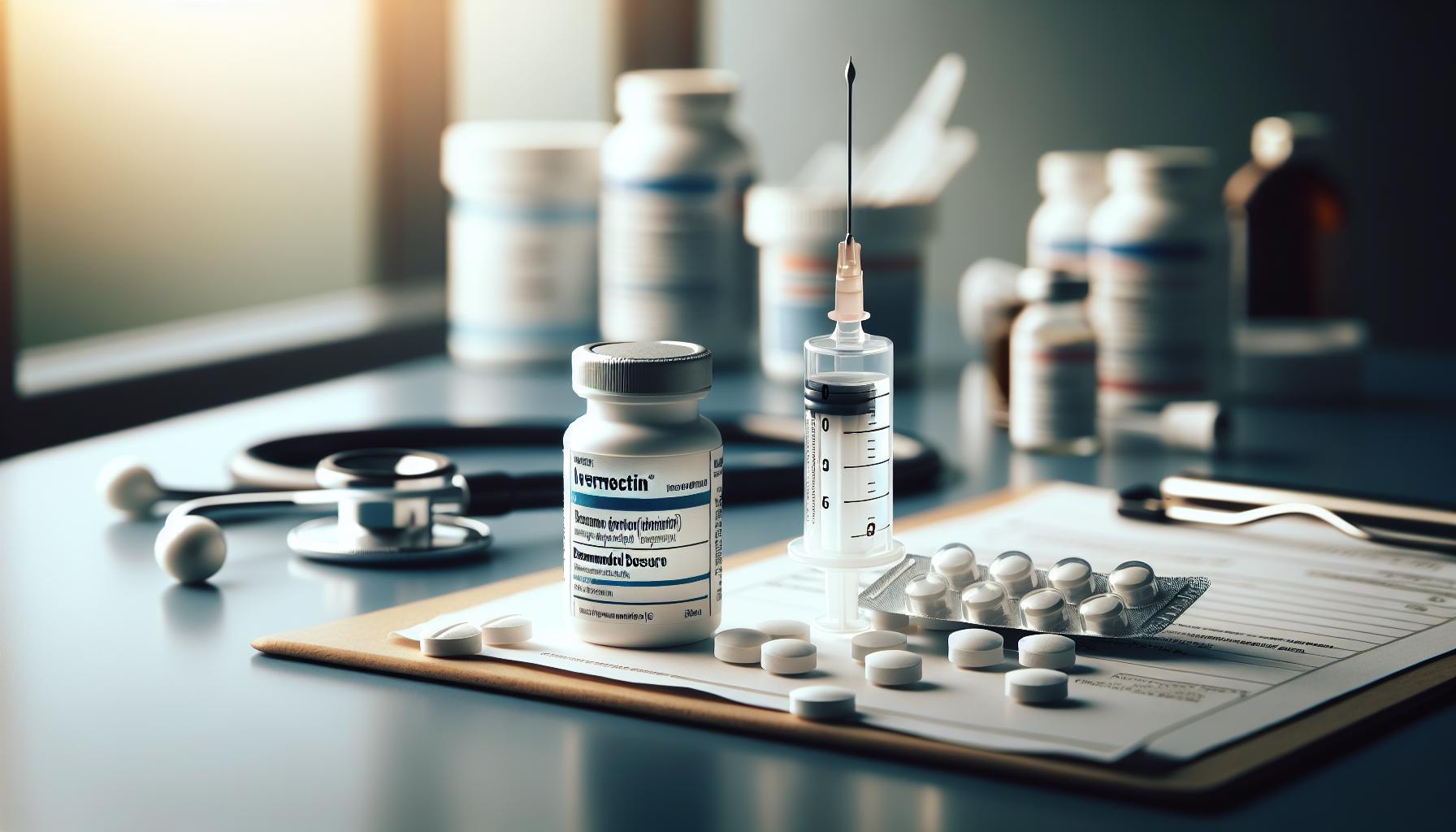
Recommended Dosage for Ivermectin
The recommended dosage of ivermectin can vary significantly depending on the specific parasite being treated and the patient’s individual health circumstances. For effective treatment, it is crucial to adhere to medically guided dosages to ensure safety and efficacy. Typically, for adult patients, the dosage is calculated based on body weight, generally around 150 to 200 micrograms per kilogram of body weight taken as a single oral dose for many parasitic infections. This dosing strategy is particularly effective for conditions such as strongyloidiasis and onchocerciasis, where the aim is to achieve a rapid therapeutic effect through a single administration [1].
When discussing dosage, it is essential to consider the variety of formulations available. Ivermectin comes in different forms, including tablets and topical preparations, with oral tablets being the most common for systemic infections. The simplicity of its administration is one of the reasons it is often used in mass drug administration programs, particularly in regions plagued by parasitic infections, as this facilitates compliance among large populations [2].
That said, it’s paramount to consult with a healthcare professional before starting treatment. This is essential not only to confirm the correct dosage but also to address any potential interactions with existing medications or underlying health conditions. Moreover, certain populations, such as those with compromised liver function, may require adjusted dosages to avoid toxicity [3].
Regular follow-ups are also advisable post-treatment to monitor for any adverse effects and to assess the effectiveness, as some parasitic infections may necessitate follow-up treatments or additional interventions based on their severity and the patient’s response to the initial dose.
Duration of Ivermectin Treatment
The therapy duration for ivermectin largely hinges on the type of parasitic infection being treated and the individual characteristics of the patient. In many cases, a single dose of ivermectin can be remarkably effective against certain parasites, but some infections may require a more extended treatment protocol. Understanding these nuances is essential for ensuring an effective and safe treatment journey.
For example, in the case of onchocerciasis (river blindness), the recommended treatment regimen typically consists of a single dose every 6 to 12 months, depending on the severity and prevalence of the disease in the population. In contrast, strongyloidiasis may necessitate a more intense approach, where a single high dose or a series of doses over a few days is often the strategy employed to eradicate the infection completely. This variability in treatment duration underscores the importance of tailoring therapy to the specific needs of the patient based on both the parasite involved and the individual’s health profile.
Factors influencing the duration of treatment can include the patient’s age, weight, liver function, and potential drug interactions. Moreover, continuous monitoring during and after the treatment is vital to assess the efficacy of the therapy and to make timely adjustments if necessary. In some cases, individuals might experience a temporary exacerbation of symptoms as the parasites die off, making follow-up appointments critical for managing these responses. Therefore, leveraging the expertise of healthcare professionals ensures that treatment is both effective and suitably managed throughout the recovery process.
Factors Affecting Treatment Length
Determining the appropriate duration for ivermectin treatment is not a one-size-fits-all scenario; it varies significantly based on multiple factors related to both the specific parasitic infection being targeted and the individual patient’s characteristics. Each parasite presents distinct challenges and often requires tailored approaches for effective treatment.
For instance, infections like onchocerciasis (river blindness) might call for a more extended regimen, with patients receiving a single dose every 6 to 12 months, heavily influenced by the intensity of the infection within the community. Conversely, strongyloidiasis can necessitate a more aggressive treatment scheme, which may include several doses over a short period to completely eradicate the infestation. These variances highlight the importance of personalized treatment planning, considering each patient’s unique health profile alongside the nature of the infection.
Several critical factors can affect how long a patient needs to remain on ivermectin. These include:
- Age and Weight: Younger and lighter patients may metabolize ivermectin differently, potentially requiring adjustments in dosage or duration.
- Liver Function: Since ivermectin is processed by the liver, any hepatic impairment may prolong the medication’s half-life, influencing both dosing and treatment length.
- Drug Interactions: Ivermectin has known interactions with various medications, which can alter its effectiveness and necessitate a reevaluation of treatment duration.
- Severity of Infection: The more severe the parasitic load, the more intensive the treatment, which could extend the duration of therapy.
Monitoring throughout treatment is vital-not just to evaluate response but also to manage any adverse effects that may arise, such as a temporary worsening of symptoms as dead parasites are processed by the body. Regular follow-ups with healthcare professionals facilitate timely adjustments to the treatment regimen, ensuring a balance between efficacy and patient safety. Leveraging expert guidance plays a crucial role in navigating these complexities, ultimately enhancing treatment outcomes and patient well-being.
Signs of Effective Treatment With Ivermectin
Recognizing the is crucial for assessing whether the medication is successfully combating parasitic infections. An initial milestone involves the reduction or disappearance of symptoms associated with the infection. For instance, in cases of strongyloidiasis, improvement might manifest through decreased abdominal pain, reduced gastrointestinal disturbances, or alleviation of skin lesions. As patients observe these positive changes, they often report a general sense of well-being and an increase in daily functioning, which reinforces the treatment’s efficacy.
Regular follow-ups with healthcare providers can enhance the assessment process, as these appointments allow for professional evaluation and may include tests to measure the parasite’s load. A negative stool test for intestinal parasites or a decrease in microfilariae in the bloodstream are strong indicators of successful treatment, particularly in diseases like lymphatic filariasis or onchocerciasis. Furthermore, patients may experience a decrease in side effects like fever or dermatitis, which are often a reaction as the body clears the dying parasites.
It’s essential for patients undergoing ivermectin treatment to maintain open communication with their healthcare team. Reporting any persistent or new symptoms, such as allergic reactions or other unexpected changes, can be critical in ensuring that the treatment plan remains effective and safe. Ultimately, understanding these signs not only empowers patients but also facilitates a collaborative approach to managing their health and curing the infection.
In summary, successful treatment with ivermectin can be gauged through symptom relief, laboratory assessments, and effective communication with healthcare professionals, fostering an informed and proactive patient experience.
Potential Side Effects of Ivermectin
The use of ivermectin in treating parasitic infections has garnered significant attention, not only for its effectiveness but also for its associated side effects. While many patients tolerate ivermectin well, understanding the potential side effects is crucial for effective and safe treatment. It’s important to remain aware of these reactions, as they can inform both patients and healthcare providers about how the treatment is progressing.
Commonly reported side effects include mild symptoms such as dizziness, nausea, diarrhea, and fatigue. These reactions typically resolve on their own and do not require discontinuation of the medication. However, some individuals may experience more significant effects, such as skin rashes or itching, which could indicate an allergic reaction or related issues. In rare cases, serious side effects, including hypotension (low blood pressure) or neurological symptoms, may occur, particularly in individuals with high parasite loads, like those with lymphatic filariasis or onchocerciasis.
When monitoring for side effects, patients should keep an eye on their overall symptoms and report any unusual changes to their healthcare provider. This not only helps in assessing the effectiveness of ivermectin but also ensures that any adverse effects can be managed promptly. Communication is essential; discussing concerns about side effects can lead to potential adjustments in treatment or supportive care options.
In summary, while ivermectin is a powerful tool against parasites, awareness of its potential side effects empowers patients. This knowledge ensures a proactive approach to health management, creating a partnership between patients and their healthcare providers that fosters safety and optimism in the treatment journey.
Comparing Ivermectin to Other Antiparasitic Drugs
Ivermectin has gained recognition as a versatile treatment for various parasitic infections, but it’s important to understand how it compares to other antiparasitic drugs. This knowledge can guide patients and healthcare providers in making informed decisions regarding treatment options.
One of the primary competitors of ivermectin is albendazole, which is extensively used for infections caused by nematodes and cestodes, such as Ascaris lumbricoides (roundworm) and Taenia spp. (tapeworms). While albendazole functions through the disruption of glucose uptake in worms, leading to their energy depletion, ivermectin paralyzes nematodes and arthropods by binding to glutamate-gated chloride channels, resulting in paralysis and death of the parasites. The choice between these medications often depends on the specific type of infection, as Ivermectin is particularly effective against ectoparasites like lice and scabies, while albendazole has broader coverage for certain roundworm infections.
Another notable alternative is praziquantel, which is primarily used for treating schistosomiasis and liver fluke infections. Praziquantel works by increasing the permeability of the parasite cell membranes, which leads to the contraction and paralysis of the worms. Compared to ivermectin, praziquantel has a narrower range of applications but remains essential for specific infections.
Practical Considerations in Treatment
When choosing between ivermectin and other antiparasitic drugs, several factors come into play:
- Effectiveness Against Specific Parasites: Ivermectin is recommended for conditions like onchocerciasis and lymphatic filariasis, making it a first-line treatment in regions where these are endemic.
- Side Effects and Tolerability: While ivermectin is generally well-tolerated, some patients may experience side effects that differ from those associated with alternatives like albendazole or praziquantel. Comparing tolerability profiles can aid in selecting the suitable medication.
- Dosage and Duration: Ivermectin treatment is often a single dose for many infections, whereas alternatives may require multiple doses over a more extended period. This aspect can significantly impact patient adherence to therapy.
As research progresses, the understanding of these medications continues to evolve. Studies often examine the effectiveness and mechanisms of various antiparasitic drugs, revealing potential combination therapies that may enhance efficacy and reduce resistance. Therefore, informed discussions with healthcare providers about the most appropriate choice of drugs based on current scientific insights and individual patient contexts are essential for achieving optimal treatment outcomes.
Ivermectin Use in Different Species
Ivermectin is not only a cornerstone medication for human treatment against various parasites, but it also plays a crucial role in veterinary medicine. This antiparasitic drug is utilized across a range of animal species, highlighting its versatility and effectiveness. Understanding how ivermectin is applied in different species can help caregivers and veterinary professionals make informed decisions about its use.
In livestock, particularly cattle, sheep, and goats, ivermectin is often used to control a variety of parasites, including gastrointestinal nematodes and ectoparasites like lice and mites. For example, in cattle, it’s critical for managing parasite burdens that can affect growth rates and milk production. The administration might vary, but it’s typically given as an injection or pour-on formulation, which allows for easy application and effective absorption into the animal’s system.
Horses also benefit significantly from ivermectin treatments, particularly for managing strongyles and bots. A single dose is usually sufficient to ensure effective control of these parasites. Horse owners often turn to ivermectin-based pastes for ease of administration, which can be given orally. Similarly, in companion animals like dogs and cats, ivermectin is used to treat heartworm disease and certain intestinal parasites. While most dosages for dogs are safe, caution is advised for breeds like Collies and related herding breeds due to a genetic sensitivity that can lead to adverse effects, underscoring the importance of veterinary guidance.
For each species, the recommended dosage and method of administration can differ significantly, influenced by factors such as the animal’s weight, the type of parasite being targeted, and its overall health. Always consulting with a veterinarian prior to administering ivermectin is essential to ensure not just effective treatment, but also the safety and well-being of the animal.
In summary, ivermectin’s role extends well beyond human medicine. Its application in veterinary practice showcases its broad spectrum of efficacy, tailored dosing for different species, and the necessity for professional guidance to optimize health outcomes in both livestock and pets.
Ivermectin Treatment for Specific Parasites
Ivermectin is widely recognized for its effectiveness in treating a range of parasitic infections, making it a go-to option in both human and veterinary medicine. Understanding the specific parasites that ivermectin targets, and how long treatment may last, can empower individuals and pet owners to navigate the complexities of parasitic infections more effectively.
Common Parasites Treated with Ivermectin
Ivermectin is particularly effective against several types of parasites:
- Strongyloides stercoralis: This intestinal roundworm requires careful dosing, often involving a treatment duration of several days to effectively clear the infection.
- Onchocerca volvulus: Responsible for river blindness, this parasite necessitates long-term treatment; typically, patients may need to take ivermectin annually or as prescribed by a specialist.
- Acarina (mites): Ivermectin is effective in treating sarcoptic mange in dogs, with treatment usually lasting 2-4 weeks, depending on the severity of the infestation.
- Heartworms: In dogs, a typical treatment plan may involve a single dose followed by additional treatments as necessary, with intervals carefully monitored by a veterinarian.
Factors Influencing Treatment Duration
The length of time an individual or an animal may need to be treated with ivermectin can vary significantly based on several factors:
- Type of Infection: Different parasites have varying life cycles and stages, influencing treatment duration.
- Severity of Infestation: More severe cases may require longer treatment protocols to effectively eradicate the parasites.
- Immune Response: Individual immune responses can affect how quickly parasites are cleared from the system, which can also influence treatment length.
- Species-Specific Guidelines: Different species (humans, dogs, livestock) have specific maximum safe doses and treatment plans designed to optimize health outcomes without adverse effects.
The Importance of Monitoring and Follow-Up
Achieving effective treatment with ivermectin is not solely about the drug itself but also involves ongoing monitoring. For instance, after the initial treatment for heartworms in dogs, follow-up evaluations are essential to ensure that the parasites have been eradicated without causing harm to the pet. Similarly, in humans, where parasites like Onchocerca can lead to severe health issues, healthcare providers may conduct regular follow-ups to assess the success of the treatment and to manage any potential side effects.
In conclusion, while ivermectin is a powerful tool against various parasites, the specifics of treatment-like duration and monitoring-depend heavily on the parasite involved and individual circumstances. Anyone considering the use of ivermectin for specific parasitic infections should consult healthcare professionals or veterinarians to ensure effective and safe treatment tailored to their needs.
Importance of Professional Medical Guidance
Seeking medical guidance when considering ivermectin for treating parasitic infections is crucial not only for ensuring effective treatment but also for safeguarding health. Ivermectin, while a powerful antiparasitic drug, can present variability in its effects and appropriate dosages, making professional supervision an essential aspect of its use. This guidance helps in tailoring treatment plans to individual needs, factoring in personal health histories, potential drug interactions, and specific parasite types.
For instance, treatments for conditions like strongyloidiasis or onchocerciasis require careful assessment of the severity of the infection, as well as an understanding of the patient’s overall health. In such cases, professionals can provide critical insights on dosages, often adjusting them based on factors such as body weight, kidney function, and the presence of co-morbidities. Furthermore, they can interpret signs of effectiveness throughout the treatment, determining when a follow-up might be necessary or when a different approach might be warranted.
Additionally, the history of ivermectin use illustrates the importance of ongoing research and evidence-based practices in medicine. For example, the reconsideration of its applications during the COVID-19 pandemic showcased the need for regulated medical advice amidst evolving scientific understanding. By consulting with healthcare providers, patients can stay informed about the latest research and recommendations, thus avoiding misinformation and ensuring treatments reflect current best practices.
When it comes to administering ivermectin in veterinary contexts, similar principles apply. Veterinarians are equipped to evaluate the specific needs of animals based on species, age, and health status, which is crucial in achieving optimal treatment outcomes. Pens other variables such as species-specific reactions to the drug and the dynamics of treating different parasitic infestations underscore the necessity for tailored medical advice in both human and veterinary medicine.
Real-Life Experiences: Success Stories with Ivermectin
The effectiveness of ivermectin in treating parasitic infections is underscored by numerous success stories shared by patients and healthcare providers alike. Many people have experienced remarkable improvements in their health after undergoing treatment, reaffirming the drug’s reputation in the antiparasitic realm.
Consider the case of a patient battling strongyloidiasis, a severe parasitic infection that often goes undiagnosed. After receiving a proper diagnosis, the patient was prescribed ivermectin according to the recommended dosage tailored to her weight and health condition. Within a week, she began noticing a significant reduction in symptoms such as abdominal pain and fatigue. By the end of her treatment cycle, a follow-up test confirmed the absence of the parasite, marking a pivotal moment in her recovery journey. This type of rapid response is not uncommon, particularly when ivermectin is administered correctly and under medical supervision.
In veterinary applications, ivermectin has also proven life-changing for many pet owners. One story comes from a cat owner whose feline friend was diagnosed with a heavy parasite load affecting its health and vitality. The veterinarian prescribed a targeted ivermectin treatment course. Remarkably, within just a few days, the cat showed signs of increased energy and improved appetite, illustrating ivermectin’s swift action in clearing parasites and restoring health.
These anecdotes serve as powerful reminders of ivermectin’s potential when used correctly. They encourage individuals to consult with their healthcare providers for tailored treatment plans and to share their own experiences with others facing similar challenges. By fostering a collaborative approach to health and wellness, patients can navigate their treatment paths more effectively and confidently.
Staying Informed: Recent Research and Developments
Staying informed about recent research and developments regarding ivermectin is essential for both patients and healthcare providers as new findings can significantly impact treatment protocols and patient outcomes. For instance, ongoing studies continue to explore ivermectin’s effectiveness against various parasitic infections, as well as its potential uses beyond traditional applications. One noteworthy area of research has focused on the drug’s efficacy against resistant strains of parasites, which remain a growing concern in the medical community.
Current Findings on Ivermectin’s Efficacy
Recent investigations have reported varying treatment durations for different parasites. For example, while a single dose of ivermectin is often effective for strongyloidiasis, other conditions, such as onchocerciasis, may require multiple doses over several months. Studies have demonstrated that consistent usage aligned with updated treatment guidelines can dramatically improve patient health and reduce the incidence of reinfection. Moreover, research is expanding into how ivermectin interacts with other drugs, which can optimize treatment strategies particularly in patients with comorbidities.
Emerging Applications
Another exciting development surrounds ivermectin’s applications in veterinary medicine, showcasing its effectiveness in treating a range of parasites in species from dogs to livestock. This has encouraged further examination of the drug’s safety profile across different animal species, paving the way for broader use in managing parasite-related health issues. Concurrently, researchers are also studying the potential for ivermectin in controlling vector-borne diseases, like malaria, by reducing vector populations.
Importance of Continued Research
The evolving landscape of ivermectin research has prompted calls for rigorous clinical trials and comprehensive reviews of existing studies to ensure the evidence base remains robust. Patients should remain engaged with their healthcare providers about recent findings and emerging trends in treatment practices. Understanding the science behind these developments can empower patients to make informed decisions regarding their health, ensuring they receive the most effective and current therapies available.
Staying informed not only aids in personal health management but also contributes to the broader discourse surrounding antiparasitic treatments, helping to ensure that both individuals and healthcare systems can respond proactively to the dynamic challenges presented by parasitic infections.
Faq
Q: How often should I take Ivermectin for parasites?
A: Ivermectin is typically taken as a single dose for most parasitic infections, but your healthcare provider might adjust the frequency based on the type of parasite and severity of infection. It’s essential to follow your doctor’s guidance for optimal results.
Q: Can I take Ivermectin for longer than the prescribed time?
A: Taking Ivermectin longer than prescribed is not recommended. Extended use can increase risk of side effects without improving treatment efficacy. Always consult your healthcare provider if you feel the treatment needs adjustment.
Q: What are the signs that Ivermectin is working?
A: Indicators that Ivermectin is effective include a reduction in symptoms related to the parasite, such as itching or stomach pain, typically a few days after treatment. Regular follow-ups with your doctor can help monitor your progress.
Q: Will I need a follow-up treatment after taking Ivermectin?
A: Follow-up treatments may be necessary, depending on the type of parasite and your initial response to Ivermectin. Your healthcare provider will recommend any additional doses based on follow-up tests and symptoms.
Q: How long does Ivermectin stay in the body?
A: Ivermectin has a half-life of approximately 18 hours, which means it takes about 3-5 days for the drug to be mostly cleared from your system. Individual factors like metabolism and health can influence this duration.
Q: What should I do if I miss a dose of Ivermectin?
A: If you miss a dose of Ivermectin, take it as soon as you remember. If it’s close to the time of your next scheduled dose, skip the missed dose and return to your regular dosing schedule. Never double up doses.
Q: Are there any dietary restrictions while taking Ivermectin?
A: It’s advised to take Ivermectin on an empty stomach, at least 1 hour before or 2 hours after a meal, to enhance absorption. Discuss any dietary concerns with your healthcare provider for personalized guidance.
Q: How can I manage side effects from Ivermectin?
A: To manage potential side effects from Ivermectin, stay hydrated and rest as needed. Mild side effects might resolve on their own, but consult your healthcare provider if symptoms persist or worsen, ensuring proper care and advice.
To Wrap It Up
Understanding how long to take ivermectin for parasites is essential for effective treatment and recovery. Remember, following the proper dosage and course duration is critical to ensuring the medication’s efficacy and minimizing potential side effects. If you’re considering ivermectin or have further questions about its use, don’t hesitate to consult with a healthcare professional for personalized guidance.
For more insights on managing parasitic infections, check out our articles on “Understanding Parasite Treatments” and “Natural Remedies for Parasites.” These resources can provide additional strategies and support for your health journey.
Now is the time to take action-don’t let parasites linger! Sign up for our newsletter for ongoing health tips, or explore our product recommendations to enhance your wellness. Your health matters-let’s tackle these challenges together!
Get our latest guides, news, and insights highlighted in your Google Search & AI Overviews.