
Did you know that skin conditions like rosacea and demodicosis can affect not just your appearance but also your confidence? Ivermectin cream, an innovative topical treatment, has garnered attention for its ability to transform skin health naturally. This medication works by targeting specific skin parasites, offering relief and healing for stubborn skin issues.
As you navigate the world of skincare, understanding how ivermectin cream can play a role in your journey is crucial. With its growing popularity backed by scientific research, this cream presents an opportunity for those looking to explore effective, safe treatments for their skin concerns. Join us as we delve deeper into the benefits, applications, and essential considerations surrounding ivermectin cream, paving the way to healthier, clearer skin. Your path to discovering a natural solution for skin health starts here.
Understanding Ivermectin: What You Need to Know
Ivermectin, a compound originally developed to combat parasitic infections, has gained considerable attention for its dual role in dermatology, particularly in managing acne and rosacea. Derived from Streptomyces avermitilis, this medication works by targeting the nervous system of parasites, subsequently preventing their replication and spread. This mechanism also translates into efficacy against certain skin conditions, making ivermectin cream a promising option for those seeking relief from inflammatory skin issues without the use of traditional antibiotics.
For conditions like rosacea, research has shown that ivermectin cream can significantly reduce inflammatory lesions. In fact, the U.S. Food and Drug Administration (FDA) approved ivermectin 1% cream, branded as Soolantra, specifically for treating the inflammatory lesions associated with papulopustular rosacea. Clinical trials have demonstrated its superiority over placebo treatments, highlighting not only its effectiveness but also a favorable safety profile, which is crucial for patients often dealing with sensitive skin.
When considering the use of ivermectin cream, it’s essential for users to follow directions from healthcare professionals closely. As with any topical treatment, incorrect application can lead to suboptimal results or potential side effects. This medication is typically applied once daily to affected areas and should only be used on clean, dry skin. Discussions with a dermatologist can provide personalized insights and clarify which skin conditions might benefit most from its use, considering individual variations in skin type and severity of the disorder.
Ultimately, understanding the mechanism and appropriate application of ivermectin cream is vital in harnessing its potential for improving skin health naturally. For those struggling with stubborn skin conditions, this treatment may offer a new avenue of hope, promoting clearer, healthier skin with careful and informed usage.
The Science Behind Ivermectin and Skin Health
Ivermectin represents a remarkable intersection of pharmaceutical development and dermatological application, transforming not only the understanding of skin health but also offering tangible benefits for those battling inflammatory skin conditions like rosacea. Originally derived from the soil bacterium Streptomyces avermitilis, ivermectin was identified due to its efficacy against parasitic infections. However, researchers have uncovered its additional capabilities in modulating the skin microbiome and reducing inflammation, which contributes significantly to its therapeutic use in dermatology.
One of the critical mechanisms through which ivermectin cream works is by targeting the Demodex mites, microscopic parasites that thrive in hair follicles and are often implicated in exacerbating rosacea symptoms. By decreasing the population of these mites, topical ivermectin not only alleviates the visible inflammatory lesions but also promotes a healthier microbial environment on the skin. This dual action of decreasing mite density and potentially influencing the skin’s bacteria presents an innovative approach to treating rosacea. Current studies have shown that patients using ivermectin cream report marked improvements in skin appearance and quality of life, emphasizing the treatment’s significance in everyday dermatological care.
Moreover, clinical trials have demonstrated that ivermectin cream, marketed as Soolantra, has a favorable safety profile. In studies comparing it with metronidazole and placebo treatments, patients using ivermectin experienced fewer side effects while achieving better results in managing their rosacea symptoms. This contrasts with some traditional antibiotics, which may disrupt the skin’s flora and lead to antibiotic resistance, illustrating ivermectin’s potential as a more sustainable treatment option for skin health.
Ultimately, the science of ivermectin in dermatology is rooted in ongoing research and understanding, with exciting opportunities for further applications in the treatment of various skin conditions. As awareness of this unique compound grows, so does hope for individuals seeking effective solutions for persistent skin issues without the complications associated with other treatments. In navigating skin health with ivermectin, patients can look forward to harnessing a treatment that is both innovative and grounded in a substantial scientific foundation.
How Ivermectin Cream Works for Skin Conditions
Ivermectin cream stands out as a revolutionary treatment option in dermatology, particularly for conditions like rosacea and acne. What makes it unique is its dual-action mechanism, tackling both the infestation of microscopic parasites and the inflammation they trigger. By significantly reducing the population of Demodex mites-tiny creatures living in hair follicles that contribute to inflammation-ivermectin not only helps clear up existing lesions but also fosters a healthier skin environment.
The formulation of ivermectin cream facilitates its penetration into the skin, where it can exert its effects directly on the target area. When applied, the cream works to inhibit key functions of the Demodex mites, reducing their numbers effectively. This reduction in mite population leads to a decrease in the inflammatory response, thereby improving skin texture and reducing redness. Most users report a distinct improvement in the clarity and health of their skin after consistent use, a testament to its efficacy in managing chronic skin conditions.
Clinical research underlines the promise of ivermectin cream, showing a favorable safety profile compared to traditional treatments. While antibiotics and other topical medications may disrupt the natural skin flora and lead to resistance, ivermectin provides a method of treatment that minimizes these risks. Patients have noted fewer side effects when using ivermectin cream than with other common therapies, which can often irritate the skin or cause secondary issues like dryness.
For many individuals suffering from inflammatory skin issues, ivermectin cream offers not only relief but also a rejuvenated sense of confidence. The ability to address both the bacterial and inflammatory components of skin conditions presents an innovative approach to treatment, making it a compelling choice for those seeking effective, long-term solutions to their dermatological challenges.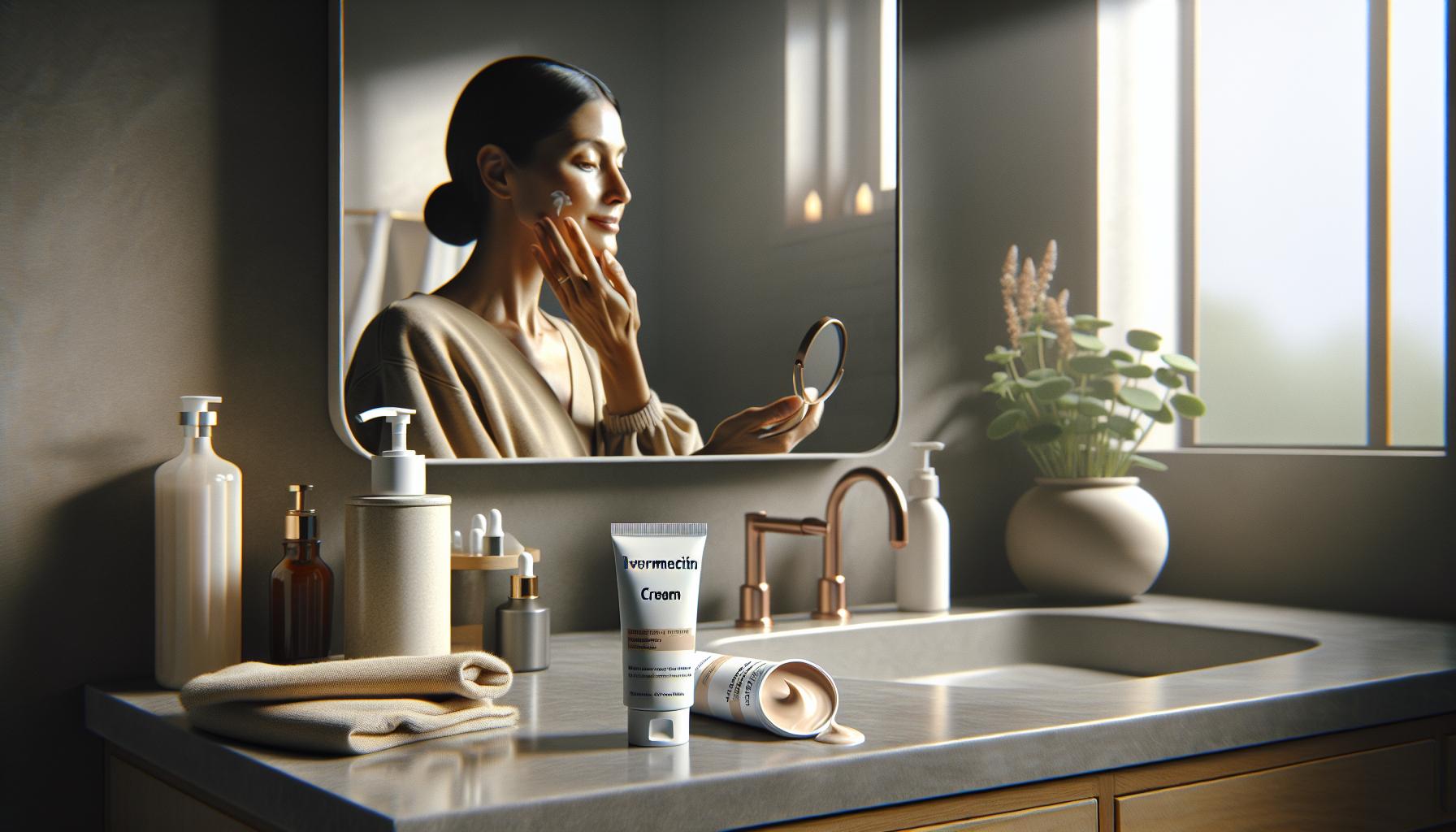
Benefits of Ivermectin Cream for Acne and Rosacea
For those struggling with persistent skin issues like acne and rosacea, the search for effective treatments can often feel overwhelming. Ivermectin cream is gaining recognition not only for its efficacy but also for its ability to address the underlying causes of these conditions. By targeting the inflammation and microbial presence linked to acne and rosacea, ivermectin cream provides a dual-action solution that goes beyond just surface-level treatment.
One of the standout benefits of ivermectin cream is its ability to significantly reduce the population of Demodex mites. These microscopic parasites are commonly found in skin follicles and are thought to contribute to the inflammation associated with rosacea and acne. When applied, ivermectin inhibits the activity of these mites, leading to a decrease in their numbers and, consequently, a reduction in inflammation. Many users report experiencing clearer skin and diminished redness, often within weeks of starting treatment, suggesting that this cream can be a game-changer for managing these chronic conditions.
Moreover, ivermectin cream is lauded for its favorable safety profile compared to traditional therapies. Unlike some topical antibiotics, which can disrupt the skin’s natural flora, ivermectin maintains the integrity of the skin’s ecosystem. This is particularly important for those who have sensitive skin or have previously experienced irritation from other treatments. The cream’s localized effects minimize systemic exposure, which can also reduce the risk of potential side effects often associated with oral medications or harsher topical agents.
In addition to its therapeutic benefits, many dermatologists advocate for ivermectin cream due to its ability to support overall skin health. By not only treating existing acne and rosacea but also promoting a stable, healthy skin environment, it empowers individuals to regain their confidence and improve their quality of life. For anyone considering managing their skin conditions more effectively, exploring the integration of ivermectin cream into their skincare routine may prove to be a transformative step.
Using Ivermectin Cream: Application Guidelines
When it comes to incorporating ivermectin cream into your skincare routine, understanding the right application practices is essential for achieving optimal results. This topical treatment offers a promising approach to managing conditions like acne and rosacea, but how you apply it can significantly influence its effectiveness.
Start by ensuring that your skin is clean and dry before application. Gently wash the affected area with a mild cleanser, and pat it dry with a soft towel. Once your skin is prepared, apply a thin layer of the ivermectin cream directly to the area where you observe symptoms, such as redness, inflammation, or visible pimples. It’s crucial to avoid applying the cream on broken skin or open wounds to prevent irritation. Use your fingertips to massage the cream gently into your skin for even distribution without excessive rubbing.
For best results, adhere to a consistent application schedule as directed by your healthcare provider. Typically, ivermectin cream is applied once daily, preferably at the same time each day. This routine helps maintain consistent levels of the medication in your skin. Remember, patience is key; while some users might notice improvements within a few weeks, others may take longer to see significant changes. Communication with your dermatologist is vital to adjust treatment plans based on your progress and any side effects you might experience.
Moreover, it’s essential to consider interactions with other skincare products. If you are using multiple treatments, consult with your dermatologist to ensure that they can be used together without reducing efficacy or causing irritation. Ivermectin cream can be part of a broader skincare regimen, so combining it with gentle, hydrating products can help maintain skin health and resilience. By following these guidelines, you’ll be better equipped to harness the benefits of ivermectin cream, moving you closer to clearer, healthier skin.
Natural Alternatives to Ivermectin Cream for Skin
Exploring natural alternatives to ivermectin cream can be enlightening, especially for those seeking effective skin treatments with potentially fewer side effects. Neem oil, derived from the seeds and fruits of the neem tree, is often touted for its medicinal properties, including antifungal, antibacterial, and anti-inflammatory effects. This natural remedy has been used for centuries in traditional medicine, particularly in India, where it is applied topically to treat skin disorders and promote healing.
Another promising alternative is Onobrychis viciifolia, also known as sainfoin. Research has suggested that extracts from this plant may mimic some of the beneficial effects of ivermectin by acting on similar biological pathways. It is noted for its potential as a natural treatment, particularly in veterinary medicine, but studies are expanding to explore its application in human dermatological conditions, suggesting it could be an effective agent against certain skin issues as well.
Furthermore, simple ingredients commonly found in kitchens, such as honey and tea tree oil, also serve as effective topical treatments. Honey is well-known for its natural antimicrobial properties and can soothe irritated skin, while tea tree oil contains compounds that help reduce acne and inflammation. Diluting tea tree oil in a carrier oil and applying it to affected areas can help manage symptoms similar to those treated with ivermectin cream.
When making the switch to natural treatments, it is crucial to remember that while these alternatives may be gentler, they can vary in effectiveness from person to person. It is advisable to conduct a patch test before applying any new treatment widely, and consulting a healthcare provider is wise to ensure the chosen method aligns with your specific skin health needs. By considering these options, individuals can explore holistic pathways to achieve clearer, healthier skin while minimizing potential side effects often associated with more conventional treatments.
Potential Side Effects and Precautions
Understanding the potential side effects of Ivermectin cream is essential for anyone considering its use for skin health. While many users experience positive outcomes, it’s crucial to be informed about possible reactions. Ivermectin is generally well-tolerated, but just like any medication, it can pose risks for some individuals. The most commonly reported side effects include localized skin reactions such as redness, irritation, or dryness at the application site. These symptoms may arise from sensitivity to the active ingredient or the cream’s formulation.
Common Side Effects
While adverse effects are relatively rare, users should be vigilant for the following:
- Burning or stinging sensation upon application.
- Peeling or flaking skin that may indicate irritation.
- Allergic reactions manifesting as rash, itching, or swelling.
If these occur, it is essential to discontinue use and consult a healthcare professional. Additionally, individuals with a known allergy to Ivermectin or any component of the cream should avoid its use altogether.
Precautions to Consider
Before starting treatment, a thorough consultation with a healthcare provider is advisable, especially for those with sensitive skin or existing dermatological conditions. Conducting a patch test on a small area of skin can help determine if a more significant reaction will occur. Moreover, it’s essential to use Ivermectin cream solely as directed; excessive use does not yield better results and increases the likelihood of irritation.
Potential interactions with other topical treatments should also be taken into account. Using multiple medicated creams could lead to enhanced sensitivity, so it’s best to alternate applications or seek guidance from a dermatologist. By being mindful of these factors, users can maximize the benefits of Ivermectin cream while minimizing the risks associated with its application.
User Experiences: Success Stories and Testimonials
Many users have shared transformative experiences with Ivermectin cream, highlighting its role in improving their skin health, particularly for conditions like rosacea and acne. For instance, one individual suffering from persistent rosacea reported a dramatic reduction in redness and inflammation within just a few weeks of consistent use. They described their skin as feeling calmer and less reactive, allowing them to confidently engage in daily activities without the worry of frequent flare-ups.
Another user, who struggled with stubborn acne, found that incorporating Ivermectin cream into their skincare routine helped clear existing breakouts and prevent new ones from forming. This person noted that unlike other treatments they had tried, which often left their skin feeling dry or irritated, the Ivermectin cream maintained moisture and improved their overall skin texture. The ability to apply it without experiencing stinging or burning sensations was a notable benefit they appreciated.
Insights from Community Feedback
Feedback from various online forums reveals a common theme: many users appreciate the cream’s gentle formulation that minimizes side effects while effectively targeting problematic skin areas. Those who have shared testimonials frequently emphasize the importance of patient and persistent application for optimal results, often aligning with dermatological advice.
On social media platforms, users frequently post before-and-after photos, showcasing the significant improvements in their skin condition. These shared journeys not only promote the effectiveness of Ivermectin cream but also foster a sense of community and support among those facing similar skin challenges. The collective voices underscore a growing acknowledgment in the dermatological community regarding the efficacy of Ivermectin as a viable option for improving skin health naturally.
Overall, user experiences suggest that Ivermectin cream holds promise for those seeking alternative solutions to complex skin issues, provided it is used as directed under medical supervision.
Ivermectin Cream vs. Other Skin Treatments
When navigating the myriad choices available for addressing skin issues, Ivermectin cream stands out not only for its efficacy but also for its unique mechanism of action. Unlike traditional treatments that focus solely on reducing inflammation or targeting acne bacteria, Ivermectin takes a multifaceted approach. It functions as an effective antiparasitic and anti-inflammatory agent, making it suitable for conditions like rosacea and acne by addressing not just the symptoms but the underlying causes associated with these disorders.
One of the most notable comparisons involves Ivermectin cream and standard topical treatments such as metronidazole and azelaic acid. Studies show that Ivermectin cream has demonstrated greater effectiveness in treating papulopustular rosacea, with a number needed to treat (NNT) of 11 when compared to metronidazole [2]. Furthermore, Ivermectin cream tends to produce fewer and less severe side effects, enhancing patient compliance. Users report less irritation and dryness, common complaints associated with other medications. This difference is significant for individuals with sensitive skin or those prone to adverse reactions, making Ivermectin a compelling choice.
In addition to pharmaceutical alternatives, many people explore natural remedies as potential skin treatments. While options like tea tree oil and witch hazel are praised for their antibacterial properties, they often lack the robust scientific backing and comprehensive action that Ivermectin offers. Some patients have noted that combining Ivermectin with natural treatments, under the guidance of a healthcare professional, can yield synergistic benefits, providing a holistic approach to skin health.
Overall, the choice between Ivermectin cream and other skin treatments comes down to individual needs, skin type, and the specific condition being treated. Consulting with a dermatologist can help clarify the most effective treatment plan while considering personal experiences and preferences. This personalized approach ensures that users can make informed decisions, optimizing their journey toward healthier skin.
Research Developments: What’s Next for Ivermectin?
The exploration of ivermectin’s role in dermatology continues to evolve, showing promising avenues for both treatment enhancement and broader applications. Originally celebrated for its antiparasitic properties, recent studies have illuminated ivermectin’s potential as a multifaceted solution for various inflammatory skin conditions, particularly rosacea. Current research is focusing on understanding the underlying mechanisms that make ivermectin effective, especially its dual action as an antiparasitic and anti-inflammatory agent. This has sparked interest in its application for other skin disorders, including acne, perioral dermatitis, and even conditions linked to Demodex mites, which are increasingly recognized as contributors to skin inflammation.
In terms of future applications, ongoing clinical trials are investigating the efficacy of extended-use protocols and combinations with other therapies. For instance, research is looking into how ivermectin cream can work alongside topical antibiotics or retinoids to enhance therapeutic outcomes for acne-prone skin. By dissecting these combinations, dermatologists may devise more personalized treatment plans, maximizing benefits while minimizing side effects. Moreover, an exciting development is the exploration of ivermectin’s effects on skin-barrier restoration and its potential to reduce post-inflammatory erythema-a common concern for patients recovering from acne and rosacea.
- Broader Therapeutic Indications: Beyond acne and rosacea, studies are currently investigating the effectiveness of ivermectin in treating other dermatological conditions, such as scabies and dermatitis caused by parasites.
- Enhanced Delivery Systems: Researchers are exploring novel formulations and delivery systems to improve the absorption and efficacy of ivermectin. This could enhance its therapeutic potential while reducing side effects.
- Patient-Centric Approaches: Future research aims to include real-world data and patient-reported outcomes to refine treatment protocols further and ensure they meet the needs of diverse populations.
As these developments unfold, the medical community remains optimistic about the continued evolution of ivermectin as a go-to treatment for not only existing conditions but also emerging skin health challenges. Continuous collaboration between researchers, dermatologists, and patients will be critical in driving forward these innovations, ensuring that treatments remain both effective and accessible. As always, consulting healthcare professionals about the latest developments and their implications for individual treatment plans will be essential in navigating the changing landscape of dermatological care.
Where to Buy Ivermectin Cream: A Practical Guide
For those looking to incorporate ivermectin cream into their skincare regimen, knowing where and how to purchase this treatment is essential. Ivermectin cream, typically available by prescription, has gained popularity as a topical solution for various skin conditions such as rosacea and acne, thanks to its dual action as both an antiparasitic and anti-inflammatory agent.
When seeking to buy ivermectin cream, the first step is to consult with a healthcare provider. They can evaluate your skin condition, prescribe the correct formulation, and provide guidance on usage. Once you have a prescription, options for obtaining the cream include traditional pharmacies and online platforms. Large pharmacy chains often stock ivermectin cream, but availability may vary by location.
Online Pharmacies
In recent years, online pharmacies have emerged as a convenient alternative. Websites like Amazon Pharmacy allow you to order ivermectin cream directly from the comfort of your home, often at competitive prices. After transferring a valid prescription to their platform, you can choose a delivery method that suits your needs. Always ensure that any online pharmacy is reputable by looking for customer reviews and verifying that it requires a prescription for medication delivery.
Cost Considerations
Pricing for ivermectin cream can vary significantly depending on the source. Without insurance, the cost typically ranges between $30 to $60 for a 45-gram tube. Through insurance, co-pays can lower the out-of-pocket cost, making it more affordable. Be sure to inquire about pricing when obtaining your prescription, as some pharmacies may offer discounts or savings programs.
Brand Variants
While there are various brands of ivermectin cream, the formulation remains consistent in its active ingredient concentration. If you’re considering a specific brand, such as Teva’s ivermectin cream, check the packaging for any additional components that may affect your skin. Consulting with a dermatologist can also provide insights into which brand might be most suitable for your individual skin type.
In summary, acquiring ivermectin cream involves a straightforward process: consult your healthcare provider, obtain a prescription, and choose between local pharmacies or trusted online services. By staying informed and proactive about your purchase options, you can effectively integrate this promising treatment into your skin health routine.
Expert Insights: Dermatologists Weigh In on Ivermectin
Expert insights from dermatologists highlight the growing recognition of ivermectin cream as a multifaceted solution for skin conditions, especially rosacea. Research shows that ivermectin doesn’t just combat the visible symptoms of such conditions but may also address underlying inflammatory factors. This dual action makes it a unique addition to the dermatologist’s toolkit. According to recent studies, including phase 3 clinical trials, ivermectin cream was found to be more effective than placebo treatments in reducing inflammatory lesions associated with papulopustular rosacea, often leading to significant improvements in patients’ skin quality and overall well-being.
Understanding Ivermectin’s Impact
Dermatologists emphasize the importance of understanding the mechanism behind ivermectin cream. It is believed to exert its effects by modulating the immune response and reducing inflammatory markers, rather than merely acting as an antiparasitic agent. “This helps in managing not only the visible symptoms but also the root causes of inflammation,” explains Dr. Sarah Jenkins, a board-certified dermatologist. This insight is critical for patients who have not seen satisfactory results from other topical therapies, as it opens new avenues for treatment.
Application Recommendations
When using ivermectin cream, dermatologists recommend a consistent application routine, typically once daily, to achieve optimal results. Patients are advised to follow a gentle skincare regimen and avoid harsh irritants that may exacerbate their condition. “It’s vital to pair the use of ivermectin with a tailored skincare routine,” Dr. Jenkins suggests, noting that complementary products, like moisturizers and sunscreens, can enhance the treatment’s effectiveness.
Personal Experiences and Clinical Outcomes
Patient testimonials often reinforce the positive impact of ivermectin cream. Many individuals report significant reductions in redness and bumps, which enhances their quality of life. Dr. Mark Thompson, another practitioner in the field, highlights that “the psychological benefits of clearer skin can be just as important as the physical effects.” This dual benefit not only addresses the dermatological aspects but also greatly improves self-esteem and confidence in affected individuals.
Overall, while ivermectin cream is showing promising results, dermatologists advocate for an individualized approach to treatment. Each person’s skin responds uniquely, and ongoing communication with a healthcare provider is essential to adjust treatment plans as necessary. This collaborative approach ensures that patients receive a comprehensive and effective treatment strategy tailored to their specific skin health needs.
Faq
Q: What skin conditions can Ivermectin cream treat?
A: Ivermectin cream can effectively treat various skin conditions, including rosacea, head lice, and certain types of dermatitis. It works by targeting the parasites and inflammatory processes that contribute to these conditions. For more information, refer to the section on Benefits of Ivermectin Cream for Acne and Rosacea.
Q: How do I apply Ivermectin cream correctly?
A: Apply Ivermectin cream to clean, dry skin as directed. Use a thin layer, massaging it gently into the affected area. Avoid contact with eyes and mouth. For specific application guidelines, see the section titled Using Ivermectin Cream: Application Guidelines.
Q: Can I use Ivermectin cream alongside other skin treatments?
A: Consult your dermatologist before combining Ivermectin cream with other treatments. While some combinations may enhance effectiveness, others can cause irritation or reduce efficacy. Check the Ivermectin Cream vs. Other Skin Treatments section for more insights.
Q: Are there any natural alternatives to Ivermectin cream?
A: Yes, natural alternatives like tea tree oil and witch hazel may help manage similar skin conditions. These remedies have antimicrobial and anti-inflammatory properties. For detailed comparisons, review Natural Alternatives to Ivermectin Cream for Skin.
Q: What are the potential side effects of Ivermectin cream?
A: Common side effects of Ivermectin cream may include mild irritation, redness, or dryness at the application site. If you experience severe reactions, such as itching or swelling, discontinue use and consult a healthcare provider. For more details, refer to Potential Side Effects and Precautions.
Q: How long does it take to see results from Ivermectin cream?
A: Results can vary, but many users notice improvement within a few weeks of consistent use. It’s essential to follow the full treatment course as prescribed for optimal results. Explore user testimonials in the User Experiences: Success Stories and Testimonials section for real-life insights.
Q: Where can I purchase Ivermectin cream?
A: Ivermectin cream is available at pharmacies, both online and in-store, and may require a prescription. For purchasing options and tips, check out the section Where to Buy Ivermectin Cream: A Practical Guide.
The Conclusion
In conclusion, Ivermectin cream offers a promising, natural solution for enhancing your skin health, particularly for those battling the challenges of rosacea. By choosing this antibiotic-free option, you can embrace a path toward clearer, healthier skin. Don’t wait-transform your skin today! To learn more about optimizing your skincare routine, explore our articles on effective skincare ingredients and natural remedies for skin health.
If you have any lingering questions or concerns, feel free to check out our FAQs for guidance or consider scheduling a consultation with our experts. Remember, taking charge of your skin health can significantly impact your confidence and well-being. Join our community by signing up for our newsletter, where you’ll find tips, success stories, and the latest updates on skincare innovations delivered right to your inbox. Your journey to radiant skin starts now!
Get our latest guides, news, and insights highlighted in your Google Search & AI Overviews.