
As a cat owner, ensuring your feline friend is healthy and free from parasites is a priority. Did you know that ivermectin is a widely used medication for preventing heartworm and treating various parasitic infections in cats? However, understanding the safe dosing and application methods is crucial for both their effectiveness and your cat’s safety. With so many products and options available, it’s natural to feel overwhelmed. This guide will break down the essentials of ivermectin, highlighting the correct usage and benefits while keeping your cat’s well-being at the forefront. You’ll gain confidence in making informed decisions about your pet’s health, ensuring they live a happy, healthy life. Let’s delve into the important aspects of ivermectin for cats, providing you with the knowledge you need to keep your furry companion safe and thriving.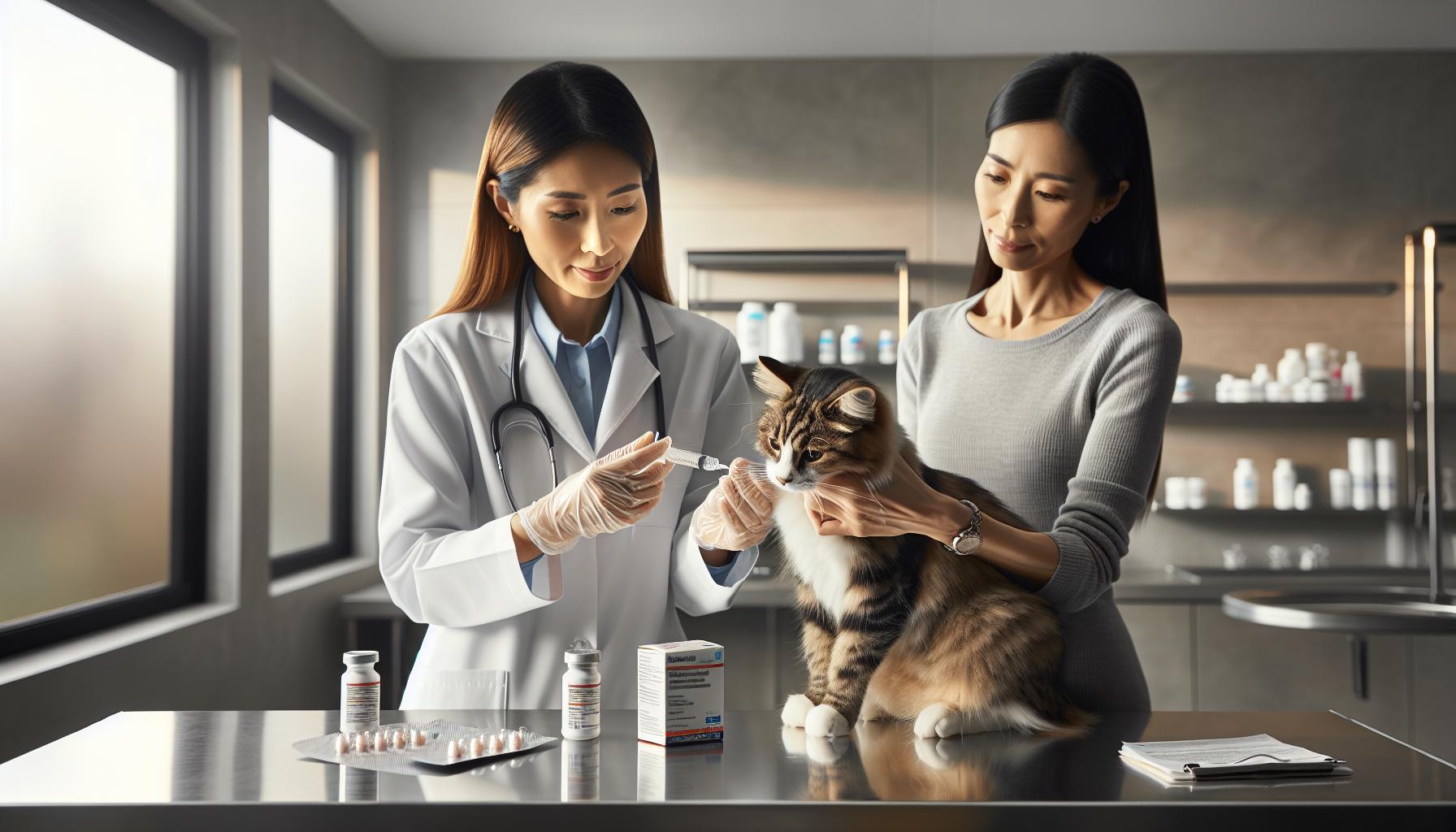
Ivermectin Overview: Understanding Its Use in Cats
Ivermectin has become a widely recognized medication for treating parasitic infections across various species, including cats. Originally developed as an antiparasitic treatment for livestock, its efficacy was soon noted in companion animals, particularly in combating infestations of ear mites, various types of worms, and even certain external parasites like fleas and ticks. It’s a powerful tool in veterinary medicine, yet it is essential to approach its use with caution and respect for its dosage limitations.
The effectiveness of Ivermectin in cats stems from its mode of action, which involves binding to specific receptors in parasites, leading to paralysis and death. However, while it can be highly effective, the safety of Ivermectin in felines is a subject that merits careful consideration. Unlike in some dogs and livestock, cats display a higher sensitivity to Ivermectin, thus requiring stringent adherence to veterinary guidance regarding its dosage and application. Overdosing can lead to serious adverse effects, making veterinary oversight critical prior to administration.
When it comes to treatment, Ivermectin is often administered in specific doses tailored to the cat’s weight and condition. This precision is vital because even slight variations in dosage can significantly influence safety and effectiveness. Methods for administering Ivermectin can range from topical applications to oral doses, with each method presenting unique considerations for both the pet owner and the cat’s comfort. Regular monitoring for signs of effectiveness or adverse reactions is also advised, ensuring that the treatment not only resolves the infestation but does so safely without compromising the cat’s health.
In summary, Ivermectin is a potent agent in managing parasitic infections in cats, but it must be approached with knowledgeable care. Understanding the correct application and its potential risks can empower pet owners and enhance the overall health and well-being of their feline companions.
Is Ivermectin Safe for Your Cat?
When it comes to managing parasitic infections in cats, safety is paramount. Ivermectin is a potent antiparasitic medication that, while effective, can pose significant risks if not used appropriately. Unlike dogs and other livestock that generally tolerate Ivermectin well, cats are particularly sensitive. This heightened sensitivity means that even slight deviations from recommended dosages can lead to serious health complications, highlighting the importance of veterinary guidance in its use.
One critical aspect of ensuring safety is understanding the various forms of Ivermectin available. Ivermectin is often found in formulations specifically designed for other species, such as dogs or livestock, and these can be harmful or even fatal to cats due to their different metabolic processes. Such species mismatches underscore the necessity for vet-approved products specifically tailored for feline use. It’s crucial to follow the prescribed dosage meticulously-an overdose can result in severe side effects, including neurological issues, respiratory distress, or in extreme cases, death.
Additionally, the method of administration plays a key role in safety. Ivermectin can be administered topically, orally, or via injections, and each method carries its own considerations regarding safety and comfort. For instance, topical applications require careful attention to application sites to avoid ingestion during grooming, while oral doses necessitate precision in measuring to avoid overdose. Regular monitoring of your cat’s behavior and health following administration can help catch signs of adverse reactions early.
To ensure that your cat receives the safest and most effective treatment, always consult with your veterinarian before starting any Ivermectin regimen. They will provide tailored advice based on your cat’s unique health profile, weight, and the specific parasitic issue being treated. Through this measured and informed approach, you can harness the benefits of Ivermectin while minimizing potential risks, safeguarding your feline companion’s health.
Determining the Correct Dosage for Cats
Determining the correct dosage of Ivermectin for cats is essential for both safety and efficacy. Unlike other animals, cats are particularly sensitive to Ivermectin, so getting the dosage right can mean the difference between successful treatment and serious complications. Generally, veterinarians prescribe Ivermectin based on a combination of the cat’s weight, the specific parasite being targeted, and the formulation being used. Dosages typically range from 0.1 to 0.4 mg per kg of body weight, but precision is critical. It’s crucial to weigh your cat accurately before treatment and to consult with your veterinarian for a tailored prescription.
Administering Ivermectin often involves careful consideration of the product’s concentration and method of administration. Topical solutions may be dosed differently than oral formulations, leading to mistakes if not followed as per veterinary instructions. Familiarizing yourself with the product’s label and understanding how to measure the dose accurately can prevent overdoses. For instance, if a vial contains a concentration intended for larger animals, it may inadvertently lead to significant overdosing in a cat.
After administering Ivermectin, monitor your cat closely for any signs of side effects or adverse reactions, which might include vomiting, diarrhea, or lethargy. These symptoms could indicate the need for immediate veterinary consultation. Being proactive and observant reinforces your role in your cat’s health journey, ultimately fostering a safer environment for successful treatment.
In summary, calculating the right dosage of Ivermectin requires attentiveness to your cat’s specific needs. By working closely with your vet, accurately measuring dosages, and observing your cat post-administration, you can ensure that this potent antiparasitic medication is used safely and effectively.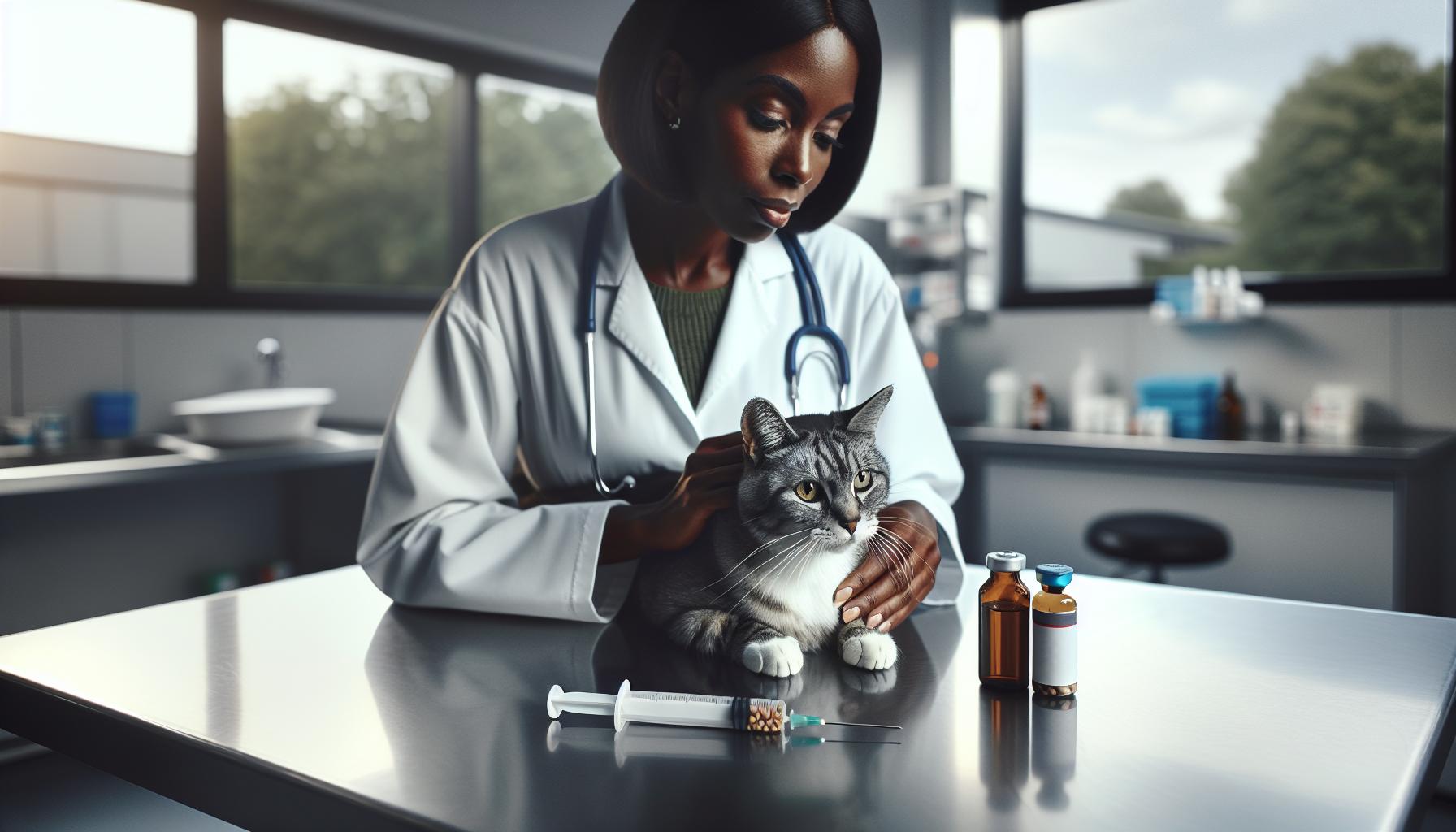
Application Methods: How to Administer Ivermectin
Administering ivermectin to your cat can be a straightforward process, but it requires careful attention to detail and an understanding of the different methods available. There are mainly two forms of ivermectin used for cats: oral and topical. Each method has its advantages and can be selected based on your pet’s specific needs and the veterinarian’s recommendation.
Oral Administration
When giving ivermectin orally, it’s essential to ensure that your cat takes the correct dosage. The medication usually comes in a liquid or tablet form. If using a liquid, a syringe or dropper can help you measure the right amount accurately. To encourage your cat to take the medication, consider these tips:
- Mix with food: You can mix the medicine into a small amount of your cat’s favorite food, which can help mask the taste.
- Use a pill pocket: If the medication is in tablet form, placing it inside a soft treat designed for pills can make it more palatable.
- Directly administer: For some cats, you may need to gently open their mouth and place the tablet as far back on their tongue as possible, then close their mouth and rub their throat to encourage swallowing.
Topical Administration
Topical ivermectin is typically used for specific conditions like dermal parasites or skin issues. This form is applied directly to the skin at a site recommended by your veterinarian, usually between the shoulder blades or along the back. Here’s how to apply it:
- Part the fur: Gently part the fur in the designated area to expose the skin.
- Apply the medicine: Using the applicator provided, apply the correct amount of product directly onto the skin without allowing it to come into contact with your hands.
- Monitor the area: After application, keep an eye on the spot to ensure your cat does not lick it off and that there are no adverse reactions.
Regardless of the method chosen, it’s essential to follow your veterinarian’s instructions closely for dosage and timing. Additionally, observe your cat for at least a few hours after administering the medication for any signs of side effects such as excessive drooling, vomiting, or lethargy, which may require immediate veterinary attention.
By understanding the application methods and taking the necessary precautions, you can help ensure that your cat receives the benefits of ivermectin safely and effectively. It’s a testament to your commitment to your pet’s health and well-being.
Signs of Ivermectin Effectiveness in Cats
Ivermectin is a well-known antiparasitic medication that can be particularly effective in treating various internal and external parasites in cats, such as mites, fleas, and certain worms. Observing how your cat responds to the treatment can provide essential insights into its effectiveness. When assessing the signs of improvement, owners should be attentive to both behavioral and physical changes in their feline companions.
One of the primary indicators that ivermectin is working is a decrease in scratching or grooming behaviors, especially if your cat has been suffering from conditions like mange or flea infestations. You may notice that your cat appears more comfortable and less agitated than before. Additionally, improved coat condition is another positive sign; look for a shinier, healthier-looking coat and the absence of scabs or patches caused by skin irritations.
Another key sign of effectiveness is the resolution of gastrointestinal symptoms if ivermectin is being used to address internal parasites like hookworms or roundworms. This includes observing changes such as the return of a normal appetite, healthy stool consistency, and an overall increase in energy levels. If your cat previously exhibited lethargy or unusual behaviors due to an infestation, a noticeable return to normal activity levels indicates that the treatment is taking effect.
To further ensure that the treatment is working, schedule follow-up visits with your veterinarian, who can perform checks to confirm the absence of parasites through fecal examinations or skin scrapings. Maintaining an open dialogue with your vet is crucial for monitoring treatment progress and making any necessary adjustments.
Ultimately, while visual cues and behavioral changes can indicate ivermectin’s effectiveness, your cat’s health and well-being should always be the top priority. If any signs of distress or adverse reactions occur, such as vomiting or excessive drooling, it is essential to consult your vet immediately to assess whether the medication is being properly tolerated or if a different treatment approach is needed.
Common Side Effects of Ivermectin in Cats
When it comes to treating your cat with ivermectin, being aware of the potential side effects is crucial for ensuring their safety and well-being. While this medication can effectively combat a variety of parasites, some cats may experience adverse reactions that range from mild to severe. Not all felines will have these effects, and many tolerate ivermectin well, but understanding what to watch for can help you respond promptly if issues arise.
Common side effects associated with ivermectin use in cats can include:
- Vomiting: This can occur as the body reacts to the medication. If vomiting persists or worsens, it is important to contact your veterinarian.
- Diarrhea: Similar to vomiting, gastrointestinal upset can indicate that the medication is not being tolerated well.
- Lethargy: Cats might appear more tired than usual. While some lethargy may be normal for a day or two after administration, prolonged fatigue should be addressed.
- Loss of appetite: A diminished eagerness to eat can signal that your cat is experiencing discomfort or distress.
- Neurological symptoms: These may include unsteadiness, disorientation, or seizures in rare cases, especially if the dosage exceeds a safe level.
It’s essential to monitor your cat closely after administering ivermectin. Behavioral changes like increased hiding or avoidance, along with physical symptoms, can provide useful insights into their reaction to the treatment. If you observe any of these side effects, or if your cat exhibits unusual behaviors, seeking veterinary advice is paramount. Regular check-ins with your veterinarian, especially following a treatment, will help ensure that any adverse effects can be addressed swiftly.
While side effects may be concerning, they are not inevitable. Always consult your veterinarian regarding safe dosing schedules and to evaluate your cat’s medical history before treatment, particularly if your cat has pre-existing health issues or is on other medications. By being informed and vigilant, you can use ivermectin responsibly and effectively manage your cat’s health needs.
What to Do in Case of an Accidental Overdose
Accidental overdoses of ivermectin in cats, while concerning, can be effectively managed with prompt action and proper awareness. It’s crucial for cat owners to understand the risks and the immediate steps to take should an overdose occur. Ivermectin, although commonly used for parasitic infections, must be administered carefully to avoid exceeding the safe dosage.
If you suspect your cat has ingested a dose greater than what was prescribed, the first and most important step is to remove any remaining ivermectin from your cat’s reach to prevent further ingestion. Observe your cat closely for any signs of distress or unusual behavior, such as excessive drooling, vomiting, changes in coordination, or seizures, which may indicate that they have absorbed too much of the medication.
Immediate Actions to Take
- Contact Your Veterinarian: Reach out to your veterinarian immediately or call an emergency pet poison hotline. Provide them with details about the amount of ivermectin ingested and your cat’s weight to help them assess the situation accurately.
- Do Not Induce Vomiting: Unless advised by a veterinarian, do not attempt to induce vomiting. In some cases, this can cause further harm, especially if your cat is already exhibiting neurological symptoms.
- Transport Safely: If directed by a veterinary professional, prepare to transport your cat to a clinic or emergency hospital. Bring any packaging or remaining medication to provide the veterinarian with complete information.
Once at the clinic, your veterinarian may perform specific treatments based on the severity of the overdose. This can include administration of activated charcoal, which can absorb excess medication if given shortly after ingestion, as well as intravenous fluids to support hydration and maintain organ function. Monitoring will be critical, and your veterinarian may conduct tests to assess your cat’s overall health and any potential damage caused by the overdose.
Understanding these steps not only aids in managing an overdose but also reinforces the importance of cautious ivermectin administration. Always measure doses carefully and adhere strictly to veterinary guidelines, as the outcomes can vary significantly based on the amount and timing of the overdose. Education and preparation can make a significant difference in the health and safety of your beloved feline companion.
Alternatives to Ivermectin for Cat Parasite Control
Feline health is a priority for pet owners, especially when it comes to controlling pesky parasites. While ivermectin is a well-known option, there are various effective alternatives available for tackling parasites in cats. Some owners may seek these alternatives due to concerns regarding ivermectin’s safety, especially in certain breeds that may be sensitive to it.
One popular alternative is Selamectin, marketed under the brand name Revolution. This topical treatment is effective against fleas, ticks, ear mites, and some worms. Its ease of application-simply applied to the skin-makes it a convenient choice for many cat owners. Another effective option is Lufenuron, which works by inhibiting the development of flea eggs. It is particularly useful for long-term flea control as it can break the flea life cycle and reduce infestations.
In addition to chemical treatments, many pet owners are turning to holistic approaches. Diatomaceous earth (DE), a natural substance composed of fossilized algae, can be used to kill insects when applied to your cat’s environment. However, it’s crucial to handle DE properly and avoid inhalation. Garlic, in limited amounts and with veterinary guidance, is sometimes cited for its potential to repel fleas, though this remains controversial and should be approached cautiously due to toxicity risks in garlic overconsumption.
It’s essential to consult your veterinarian before starting any new treatment plan. They can provide guidance tailored to your cat’s specific needs, including age, health status, and the type of parasites you’re dealing with. Staying informed and working with your vet is key to ensuring the safety and efficacy of any alternatives to ivermectin, allowing for an effective parasite management strategy that keeps your feline friend healthy and happy.
Consulting Your Veterinarian: When and Why
When it comes to managing your cat’s health, especially regarding parasite control, seeking the advice of a veterinarian is essential. Your vet serves as a trusted resource not only for understanding the best treatments, including ivermectin, but also for navigating any complexities related to your cat’s unique health needs. Cats can vary significantly in their responses to medications based on factors such as breed, age, and underlying health conditions, making expert guidance crucial.
When should you consult your veterinarian? If you suspect your cat has a parasite problem, or if you’ve noticed unusual symptoms such as excessive scratching, weight loss, or digestive issues, it’s essential to make an appointment. Your vet can conduct a thorough examination, recommend appropriate diagnostic tests, and help determine whether ivermectin or an alternative treatment is the right choice. This is especially important because some breeds, like Collies, are known to be particularly sensitive to ivermectin, and a misstep in dosage can lead to serious health risks.
Why the Vet’s Expertise Matters
A veterinarian has the expertise to tailor treatment plans specifically for your cat. They can assess the severity of the infestation, the appropriate dosages, and any potential drug interactions if your cat is on other medications. Moreover, they can offer insights into effective application methods, helping you administer ivermectin safely, whether it is in oral or topical form. Regular consultations also allow your vet to monitor your cat’s overall health and adjust treatments as needed.
In addition to dosage recommendations, your veterinarian can educate you about potential side effects of ivermectin and what signs to watch for after administration. This proactive approach not only enhances the effectiveness of the treatment but also ensures your peace of mind, knowing you’re doing the best for your cat’s health. Maintaining an open line of communication with your vet fosters a collaborative relationship that can lead to better health outcomes for your feline companion.
Understanding the Science Behind Ivermectin
Ivermectin has garnered attention for its effectiveness against a variety of parasites in both humans and animals, but its mechanism of action in cats specifically is a key area of interest for pet owners and veterinarians alike. Originally developed as a veterinary drug in the 1970s, ivermectin targets parasites by disrupting their nervous systems and muscle function. It binds to specific receptors-particularly glutamate-gated chloride channels in the parasites-leading to paralysis and eventual death, thus eliminating the infestation.
Understanding Ivermectin’s pharmacokinetics is equally important. When administered, it rapidly distributes throughout the body, including fat tissues, which is vital for its action in eradicating parasites that might reside in those areas. For cats, precise dosing is critical; too little may be ineffective, while too much can lead to toxicity. It’s essential that pet owners rely on veterinary guidance for determining safe dosages, adjusting always based on factors like body weight, age, and overall health.
While ivermectin is a highly effective antiparasitic agent, it’s vital to recognize the importance of its careful application. For instance, certain breeds of cats-those with variations in metabolism such as the Abyssinian and Somali-may be more susceptible to adverse effects from ivermectin. This reinforces the need for ongoing research and a cautious approach when introducing this medication into a cat’s health regimen. As with any drug, understanding the balance between efficacy and safety is crucial, particularly in a species as diverse as felines.
In recent years, discussions around ivermectin have been clouded by misinformation, particularly regarding its application in humans for viral infections. This controversy highlights how imperative it is to return to the fundamental principles of veterinary medicine when discussing the use of ivermectin in cats. Careful adherence to established guidelines and recognized veterinary practices ensures that the benefits of this powerful medication can be harnessed safely, ultimately improving the well-being of our feline companions.
Regulations and Misuse: A Cautionary Tale
The misuse of ivermectin, particularly in veterinary contexts, poses significant risks not only to animal health but also highlights the broader consequences of regulatory oversights. For example, while ivermectin is a well-studied antiparasitic agent that can effectively treat various infections in cats, its improper use-especially in the context of dosing and formulation-can lead to serious health complications. The increasing availability of veterinary formulations has sometimes led owners to self-prescribe or incorrectly dose without veterinary supervision, which is dangerous.
One major area of concern is the overlap between products formulated for livestock and those intended for pets. The dosage of ivermectin in products designed for larger animals is often significantly higher than what is safe for cats. Misguided attempts to use these formulations can result in toxic reactions, given that cats metabolize medications differently than larger mammals. It’s crucial for pet owners to understand that veterinary products are tailored to specific species, and using the wrong formulation, even in smaller doses, can lead to unintended consequences.
Moreover, the widening use of ivermectin in non-approved contexts-for instance, during the COVID-19 pandemic when some speculated on its effectiveness against the virus-has caused confusion and led to incidents of misuse across various animal and human applications. Veterinary professionals firmly advocate for the responsible use of medications according to established guidelines. Only products specifically designed and dosed for cats should be considered, and any treatment should be guided by a veterinarian.
As we navigate these challenges, ongoing education for pet owners and stricter regulations regarding the sale and distribution of ivermectin-containing products will be essential in preventing misuse. For cat owners, understanding both the importance of proper dosing and the potential pitfalls of self-medication is vital in ensuring the health and safety of their furry companions. Consulting a veterinarian not only aligns treatment with best practices but also mitigates risks associated with misapplication and toxicity, ultimately fostering a more informed approach to pet healthcare.
Success Stories: Ivermectin Treatments in Cats
Many cat owners have found success in using ivermectin as a treatment for various parasitic infections, showcasing its potential when applied responsibly under the guidance of a veterinarian. One compelling success story involves a rescue cat named Oliver, who arrived at a shelter suffering from severe flea infestations and demodectic mange. After a thorough veterinary examination, it was determined that ivermectin would be an effective treatment option for his condition. The shelter’s veterinarian meticulously calculated the safe dosage, and Oliver’s treatment began with a series of ivermectin injections.
Over the course of several weeks, Oliver showed remarkable improvement. His fur began to regrow, and his irritated skin healed, which not only relieved his physical discomfort but also allowed his personality to shine through. The staff noted that his playfulness and affection increased as the parasites were eradicated, ultimately leading to his successful adoption into a loving home. This transformation highlights the importance of proper dosing and veterinary oversight in ensuring safe and effective treatment for cats.
In another example, a cat owner named Mia faced a persistent ear mite issue with her feline companion, Bella. After trying various over-the-counter treatments with little success, Mia opted to consult her veterinarian, who recommended a topical ivermectin solution specifically formulated for cats. The vet demonstrated how to apply the solution safely, ensuring Mia understood both the correct dosage and application technique. Following the treatment, Bella’s ear health improved significantly, and she began to show relief from itching within just a few days.
These stories underscore not only the effectiveness of ivermectin in treating specific conditions when used correctly, but also the critical role that veterinarians play in determining the appropriate course of action for pet health. Using ivermectin responsibly can lead to positive outcomes for afflicted cats, provided that pet owners are well-informed and work closely with their vets to navigate treatment options safely. Here, the journey from discomfort and infestation to health and happiness illustrates the profound impact of effective veterinary care, reinforced by responsible medication use.
Frequently asked questions
Q: How often can I give ivermectin to my cat?
A: Ivermectin dosing frequency for cats typically depends on the condition being treated. Consult your veterinarian for a tailored schedule, but it is often administered monthly for parasite prevention. For specific treatment plans, refer to the section on Determining the Correct Dosage for Cats in the main article.
Q: What are the signs of ivermectin overdose in cats?
A: Signs of ivermectin overdose in cats may include drooling, tremors, vomiting, and lack of coordination. Seek immediate veterinary assistance if you notice these symptoms. For more details, check the section on What to Do in Case of an Accidental Overdose.
Q: Can I use human ivermectin medications for my cat?
A: No, you should not use human formulations of ivermectin for cats. The dosages and additives can be harmful. Instead, use vet-approved products specifically designed for felines. Learn more about safe medications in the Is Ivermectin Safe for Your Cat? section.
Q: Is ivermectin effective against all parasites in cats?
A: Ivermectin is primarily effective against certain external parasites like mites and some types of worms. It may not work for all parasite types, so always consult a veterinarian for a comprehensive parasite control plan, discussed further in Alternatives to Ivermectin for Cat Parasite Control.
Q: How should I store ivermectin for my cat?
A: Store ivermectin in a cool, dry place away from direct sunlight. Ensure it is out of reach of children and pets. For administration tips, refer to the Application Methods: How to Administer Ivermectin section.
Q: What should I do if my cat has a reaction to ivermectin?
A: If your cat shows adverse reactions, such as excessive salivation or lethargy, discontinue use and contact your veterinarian immediately. Review the Common Side Effects of Ivermectin in Cats for more insights.
Q: Can ivermectin be mixed with other medications for my cat?
A: Mixing ivermectin with other medications should only be done under veterinary guidance to avoid interactions. Consult the Ivermectin Interactions Checker for detailed information.
Q: What veterinary advice should I consider before giving my cat ivermectin?
A: Always consult a veterinarian before administering ivermectin. They can assess your cat’s health status and recommend the appropriate dosage and treatment plan, as detailed in the Consulting Your Veterinarian: When and Why section.
Wrapping Up
In conclusion, understanding safe dosing and application methods for ivermectin in cats is essential for their health and well-being. By following the guidelines outlined in our article, you can effectively protect your feline friend from parasites while minimizing risks. If you’re ready to take the next step, explore our resource guide on common pet medications or check out our article on preventative care for cats for more insights.
Your cat’s health deserves your attention now-don’t wait until symptoms appear. If you have lingering questions or concerns, consider consulting with your veterinarian to ensure the best treatment plan tailored for your pet. Also, don’t forget to sign up for our newsletter for the latest expert advice and tips on pet care.
Join the conversation! Share your experiences or ask questions in the comments below, or dive deeper into related topics to keep your knowledge growing. Together, we can ensure our pets live healthy, happy lives.