Ivermectin is a well-known medication in veterinary medicine, widely recognized for its effectiveness in treating parasites in a variety of animals, including chickens. As poultry farming becomes increasingly popular, understanding what ivermectin treats in chickens is essential for maintaining flock health and preventing disease outbreaks. With challenges such as lice, mites, and worms commonly affecting birds, this medication serves as a critical tool for both small-scale farmers and large poultry operations. By exploring the applications and benefits of ivermectin in chickens, you’ll gain valuable insights into effective management practices that can enhance your poultry’s well-being and productivity. Whether you’re a seasoned poultry keeper or new to the field, understanding how to safely and effectively use ivermectin can help you protect your flock and optimize your farming efforts. Read on to discover the specific conditions treated by ivermectin and practical guidance for its use in your chickens.
Understanding Ivermectin: An Overview for Poultry
Ivermectin, a widely used antiparasitic agent, has found a significant place in poultry health management, particularly for treating common parasitic infections that affect chickens. This powerful medication offers an efficient solution for poultry farmers facing challenges with various pests. Unlike many other veterinary products, ivermectin operates at the level of the nervous system of parasites, leading to their paralysis and subsequent elimination from the host, making it a vital tool in maintaining flock health.
One of the primary uses of ivermectin in poultry is to combat external parasites such as mites and lice, which can cause distress and compromise the well-being of chickens. Moreover, it also addresses internal parasites including roundworms, which are prevalent in many poultry systems. By managing these pests effectively, ivermectin not only helps in preventing disease but also enhances the overall productivity and growth rates of poultry, leading to better yield for farmers.
In terms of administration, it’s essential for poultry keepers to understand the appropriate dosing tailored to the specific age and weight of their chickens. Ivermectin typically comes in oral forms or as injections, making it relatively easy to administer. However, meticulous attention must be paid to ensure that the dosage adheres to veterinary guidelines to avoid potential overdosing, which could lead to adverse effects.
The integration of ivermectin into a poultry care routine should be done with careful planning. Farmers are encouraged to monitor their flocks for signs of parasitic infections and to consult with veterinarians to establish a regular treatment schedule. By incorporating ivermectin responsibly, poultry managers can sustain healthier birds, reduce medication-related resistance, and ultimately improve their farming outcomes.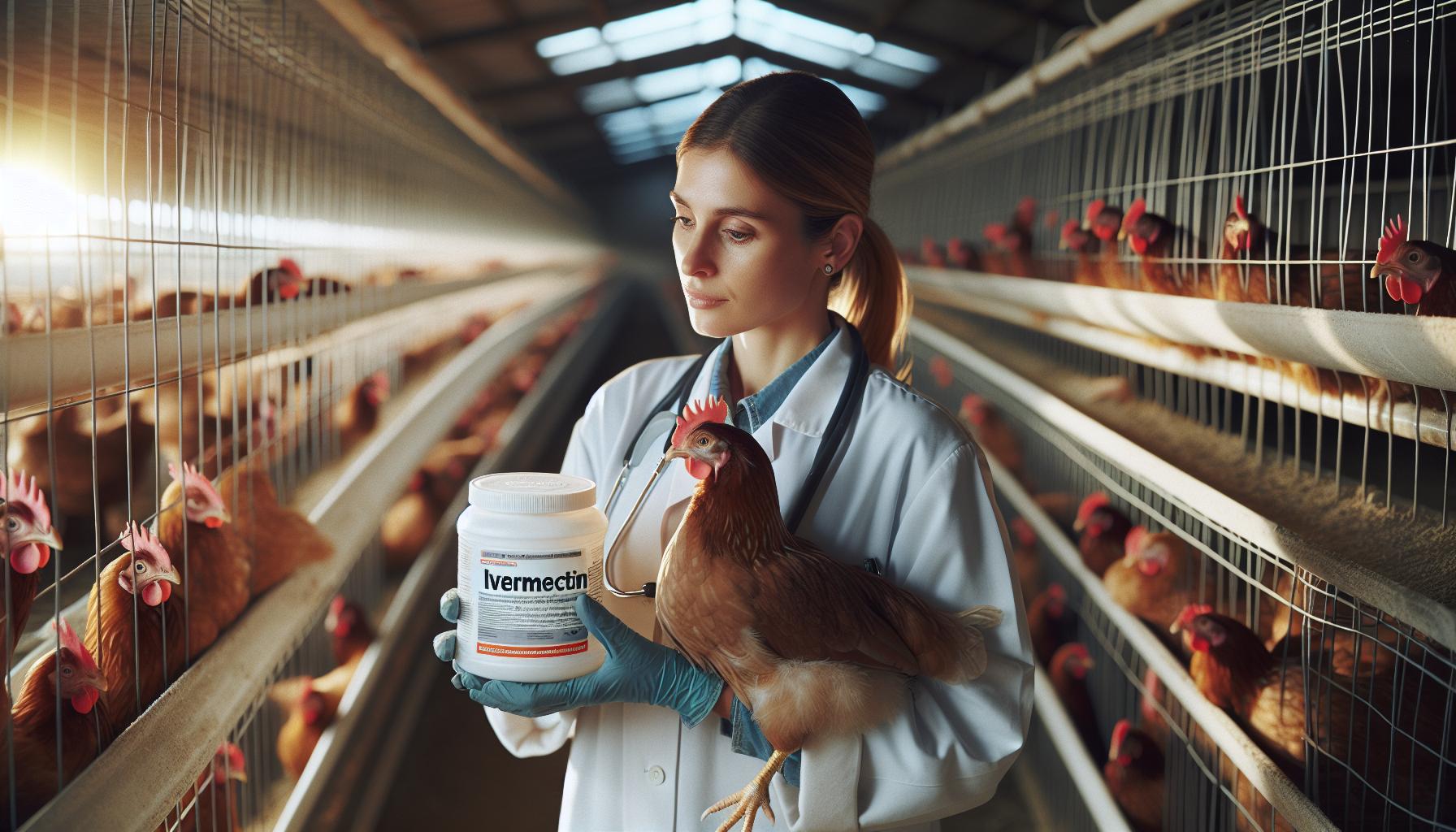
The Role of Ivermectin in Poultry Health
Ivermectin has emerged as a cornerstone in maintaining the overall health of poultry, particularly chickens, by targeting a range of parasitic infections that can severely impact their well-being. This potent antiparasitic agent functions by disrupting the nervous system of parasites, leading to their paralysis and ultimately eradicating them from the host. This mechanism not only alleviates the immediate discomfort associated with infestations but also plays a crucial role in preventing secondary infections and diseases that can arise from untreated parasite burdens.
Effective management of external and internal parasites is essential in poultry farming. Ivermectin is particularly renowned for its ability to combat ectoparasites such as lice and mites, which can lead to feather loss, irritation, and stress among chickens, thus affecting their productivity. Furthermore, it is effective against internal parasites like roundworms, which are commonly found in poultry and can hinder growth and feed efficiency. By optimizing the health of the flock, ivermectin directly contributes to improved growth rates and overall productivity, ensuring that poultry farmers achieve better yields.
The strategic use of ivermectin aligns well with good animal husbandry practices. Poultry owners should routinely monitor their flocks for signs of parasitic diseases, which can include decreased egg production, lethargy, or visible signs of irritation. Establishing a regular treatment schedule in consultation with a veterinarian can help prevent infestations before they become problematic. Maintaining records of treatment and responses can also enhance farm management practices, ensuring a proactive approach to poultry health.
In sum, the integration of ivermectin into poultry health management not only protects individual birds from parasites but also supports the economic sustainability of farming operations. As such, it represents an invaluable tool for poultry keepers aiming to maintain the health and productivity of their flocks while adhering to responsible agricultural practices.
Common Conditions Treated by Ivermectin in Chickens
Chickens are susceptible to a variety of parasitic infections that can significantly impact their health and productivity. Ivermectin is a powerful antiparasitic medication widely used in poultry to combat these issues, making it an essential tool for farmers looking to maintain a healthy flock. This medication is particularly effective against a range of internal and external parasites that threaten the well-being of chickens.
Among the common external parasites that ivermectin targets are lice and mites. These insects not only cause discomfort and stress for the birds but can also lead to more severe complications such as feather loss and decreased egg production. The successful use of ivermectin helps alleviate symptoms associated with infestations and allows chickens to thrive by restoring their comfort and health. Additionally, the product is potent against roundworms and other internal parasites, which are frequent culprits in poultry operations, leading to reduced growth rates and compromised feed efficiency. The ability of ivermectin to address both internal and external parasites is one of its key advantages in poultry medicine.
The application of ivermectin in clinical settings has also proven beneficial in treating coccidiosis, a prevalent concern in young chickens. While ivermectin does not eliminate the coccidia, it can help manage secondary infections by controlling the parasite load, thus preventing further deterioration of the birds’ health. Preventative treatments and timely interventions can help maintain flock health, leading to better productivity metrics over time.
Veterinarians often recommend regular screenings for parasitic infections, as signs can vary greatly. Farmers should be vigilant for symptoms such as lethargy, poor feather condition, and decreased productivity, as these could indicate an infestation. By integrating ivermectin into health management plans, poultry keepers can ensure that their flocks remain healthy and productive, ultimately enhancing their economic viability while adhering to best practices in animal husbandry.
Ivermectin Dosage Guidelines for Poultry
Providing the correct dosage of ivermectin is crucial for effective treatment and prevention of parasitic infections in chickens. Farmers must be diligent in following established guidelines to ensure both the health of their flock and the safety of the food chain. Typically, ivermectin is administered orally or through injections, with dosage recommendations varying depending on the formulation and specific needs of the poultry.
The general dosage for ivermectin in chickens is around 0.2 to 0.5 mg per kilogram of body weight. Depending on the form of ivermectin used-whether as a liquid solution or a paste-the administration method may differ. It is essential to read the label carefully as veterinary products can differ significantly in concentration and formulation. For instance, for a chicken weighing approximately 2 kg, the dosage might be calculated as follows:
| Weight (kg) | Dosage (mg) | Weight Dosage (ml of solution) |
|---|---|---|
| 2 | 0.4 – 1.0 | Approx. 0.1 – 0.25 ml (depending on concentration) |
In practice, it can be beneficial to administer ivermectin during routine health checks or after noticing signs of infestation, as timely intervention can mitigate severe health impacts on the flock. Keep in mind that it is important not to exceed the recommended dosage, as this can lead to toxicity and adverse effects. Additionally, it’s advisable to consult with a veterinarian before initiating treatment to confirm that ivermectin is the appropriate choice for your specific situation.
When counting the number of chickens to treat, accurate weights and close monitoring are vital. For larger flocks, consider the use of mass treatment approaches, but factor in the feed or water solubility of the chosen ivermectin formulation. Ultimately, responsible dosing not only enhances the health of your chickens but also fosters best practices in animal husbandry, ensuring a productive and ethical farming operation.
Safe Administration of Ivermectin in Chickens
Administering ivermectin safely in chickens is crucial for both animal welfare and the overall health of your flock. This antiparasitic medication effectively treats a variety of conditions, but proper administration ensures effectiveness and minimizes the risk of adverse effects. It’s important to approach the use of ivermectin with careful consideration of dosage, method of administration, and monitoring post-treatment.
One of the primary considerations is correctly calculating the dosage. The standard dosage for chickens ranges from 0.2 to 0.5 mg per kilogram of body weight. It’s critical to read the product labeling thoroughly as different formulations may have variable concentrations. For instance, an approximate dosage for a 2 kg chicken would be 0.4 to 1.0 mg, translating to around 0.1 to 0.25 ml of solution, depending on concentration.
| Weight (kg) | Dosage (mg) | Weight Dosage (ml of solution) |
|---|---|---|
| 2 | 0.4 – 1.0 | Approx. 0.1 – 0.25 ml (depending on concentration) |
When administering ivermectin, choose a method that aligns with the needs of the flock. Ivermectin can be given orally or via injection. For oral administration, you can mix it with water or feed, but ensure that all chickens have access to the treated water or feed to guarantee effective dosing. For injected ivermectin, proper technique is essential; foster a calm environment to minimize stress and ensure that the injection is given subcutaneously.
Monitoring your flock after administration is equally important. Watch for signs of any adverse reactions, which may include lethargy, vomiting, or any unusual behaviors. Should any concerning symptoms arise, consult with a veterinarian promptly. Maintaining a routine schedule for the administration of ivermectin, especially during routine health checks or after signs of infestation, promotes timely intervention and helps maintain the overall health of your chickens.
By being diligent with these practices, you not only safeguard the health of your poultry but also enhance the ethical standards of your farming operations. Integrating ivermectin safely into your poultry care routine will foster healthier birds and a more productive farming environment.
Potential Side Effects of Ivermectin in Poultry
When integrating ivermectin into poultry care, understanding its potential side effects is crucial for ensuring the health and well-being of your birds. While ivermectin is widely known for its effectiveness in treating various parasitic infections, it’s not without its risks. Adverse reactions can occur, and being informed helps you monitor your flock closely for any unusual signs after administration.
Some of the most commonly observed side effects in chickens include lethargy, vomiting, and reduced appetite. While these symptoms can be concerning, they are often mild and may resolve on their own as the medication clears from the bird’s system. However, more serious reactions, although rare, may involve neurological symptoms like uncoordinated movement or tremors. If you notice persistent or severe symptoms following treatment, it’s imperative to consult with a veterinarian for appropriate care.
To minimize the risk of side effects, it is vital to adhere strictly to the recommended dosage guidelines. For chickens, dosages typically range from 0.2 to 0.5 mg per kilogram of body weight. Overdosing can lead to serious complications, so precision in measurement cannot be overstated. Additionally, providing a stress-free environment during administration-whether oral or injectable-can help reduce the occurrence of adverse effects. Observing the chickens for a short period after treatment allows for quick action if unexpected symptoms develop.
It’s also beneficial to remain aware of any concurrent medications or treatments, as these can interact with ivermectin. For instance, if your birds are receiving other antiparasitic treatments, combining them without veterinarian guidance could amplify side effects or reduce efficacy. Keeping detailed records of health and treatment responses for each bird can facilitate effective monitoring. By prioritizing the health of your flock through educated and careful use of ivermectin, you can effectively prevent and manage potential side effects while still achieving the desired health outcomes.
Comparing Ivermectin with Other Poultry Medications
Ivermectin is a well-established antiparasitic agent known for effectively treating a variety of parasitic infections in poultry, particularly in chickens. When evaluating its use in comparison with other poultry medications, it’s essential to consider not only its efficacy but also the scope of conditions each medication is designed to address, their mechanisms of action, and safety profiles.
One of the primary alternatives to ivermectin is fenbendazole, which is often used for treating gastrointestinal parasites. While fenbendazole targets worms and protozoa effectively, studies have suggested that ivermectin has a broader spectrum of activity, including efficacy against ectoparasites like mites and lice-conditions that fenbendazole does not address. This makes ivermectin particularly valuable in integrated parasite management strategies, especially in environments prone to multiple parasitic infestations.
Another commonly used medication is levamisole, which is also aimed at treating various gastrointestinal nematodes in poultry. Although levamisole can be effective, it operates differently by stimulating the host’s immune response in addition to its antiparasitic action. This immune-modulating quality can be advantageous in certain instances but may not provide the direct killing effect seen with ivermectin. Therefore, the choice between these medications could hinge on the specific parasites present and the overall health needs of the flock.
The decision-making process regarding which medication to use can also take into account the potential side effects associated with each product. Ivermectin is generally well-accepted in terms of safety, with moderate reactions typically being mild, such as lethargy or a decrease in appetite. In contrast, while fenbendazole and levamisole are also considered safe, their side effects can vary significantly based on dosing and the individual bird’s health status.
Overall, when integrating ivermectin with other poultry medications, it’s crucial for poultry owners to conduct a thorough assessment of the specific health issues affecting their flock, consider the types of parasites, and consult with a veterinarian to determine the most effective treatment plan. This strategic approach can lead to healthier flocks and improved outcomes, aligning treatment choices with veterinary guidance to address complex parasitic challenges effectively.
Ivermectin Use in Different Poultry Species
Ivermectin is a versatile antiparasitic medication not only effective for chickens but also beneficial across various poultry species. Its broad spectrum of activity against both external and internal parasites makes it an essential part of many poultry health management plans. In particular, ivermectin is used to treat infestations of ectoparasites such as mites and lice, as well as endoparasites, including certain nematodes. Understanding how to appropriately apply this medication across species can lead to healthier livestock and enhanced productivity.
When used in different poultry species-such as ducks, turkeys, and geese-ivermectin proves its value through specific applications. For instance, ducks may face specific challenges from parasites that thrive in wet environments. Ivermectin can effectively manage these infestations by eliminating the parasites and minimizing the risk of secondary infections. Similarly, turkeys are susceptible to a range of worms and external parasites, and ivermectin’s effectiveness can help mitigate growth stunting and other production losses associated with these parasites.
Proper dosage and administration vary among poultry species, highlighting the importance of following veterinary guidance. For example, while chickens may tolerate standard ivermectin dosages well, other species may require adjustments based on body weight or specific health conditions. Administering ivermectin via drinking water or as an injectable form can be practical, but ensuring the correct concentration is crucial to avoid underdosing or overdosing.
In addition to its practical applications, ongoing research into ivermectin’s effectiveness across different poultry types continues to reveal more about its benefits and potential limitations. Understanding these nuances equips poultry owners with the tools they need to make informed decisions, ensuring that they effectively enhance the health and productivity of their flocks. By employing ivermectin with consideration for species-specific needs and conditions, poultry keepers can achieve better health outcomes and support sustainable poultry farming practices.
Best Practices for Integrating Ivermectin in Your Chicken Care Routine
Integrating ivermectin into your chicken care routine can significantly enhance the health of your flock and prevent parasitic infestations that may hinder productivity. However, its effectiveness largely depends on understanding the correct protocols for sourcing, administering, and monitoring the treatment.
One of the first steps in using ivermectin effectively is ensuring that you obtain the medication from a reputable veterinary supplier. This guarantees that the formulation is appropriate for poultry and adheres to safety standards. Always discuss with a veterinarian to determine the specific ivermectin formulation suited for your chickens, as there are variations designed for livestock, dogs, and other animals that are not suitable for poultry.
Administration Techniques
When it comes to administering ivermectin, you have two common options: oral ingestion via drinking water and injectable forms. When using drinking water, ensure that all chickens have access to the medicated water and monitor consumption to avoid sub-therapeutic dosing. An effective approach is to withhold clean water for several hours before giving the medicated solution, ensuring that all birds receive the correct dosage. Additionally, consider the environmental conditions and flock dynamics; stress can influence water intake, necessitating closer monitoring in high-stress situations like during heat waves or sudden changes in housing.
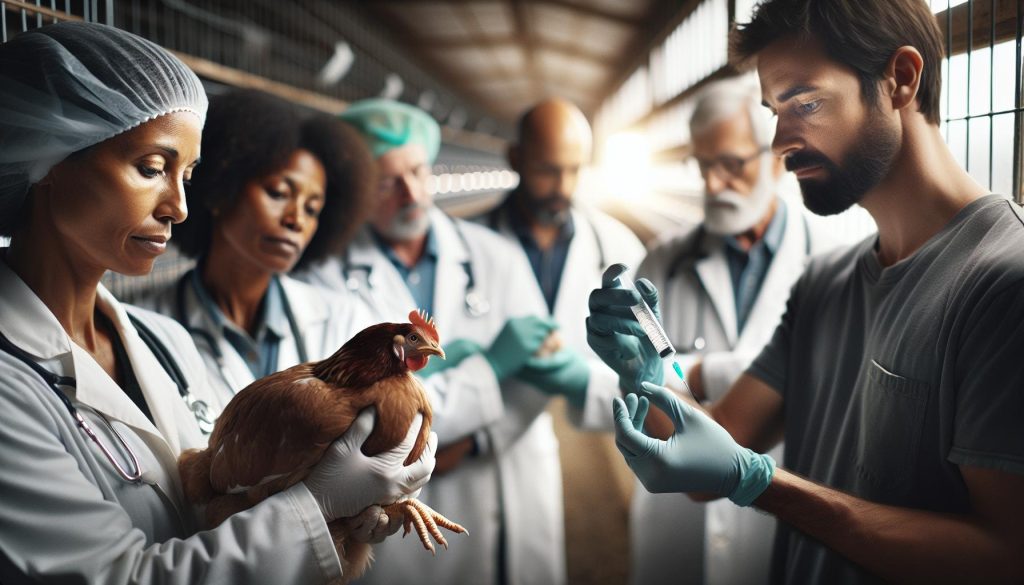
For injectable ivermectin, proper technique is crucial. Use a sterile syringe, and inject the medication intramuscularly or subcutaneously based on veterinary guidance. Ensure you alternate injection sites to prevent irritation and infection. Moreover, always follow dosing guidelines based on each chicken’s weight for precise administration.
Monitoring and Follow-Up
Post-treatment monitoring is essential. Observe your flock for any adverse reactions or signs of parasite resurgence. Keeping records of dosages administered and responses observed can help you fine-tune future treatment plans.
It’s paramount to maintain an open dialogue with your veterinarian, especially for ongoing health assessments and adjustments based on new research in poultry medicine. By incorporating ivermectin into a broader health management strategy that includes proper nutrition, biosecurity practices, and regular health checks, you can create a robust environment for the health and productivity of your chickens.
Current Research and Advances in Poultry Medicine
Recent advancements in poultry medicine have increasingly highlighted the importance of effective parasite management, with ivermectin at the forefront of treatment strategies. With its broad-spectrum efficacy against a variety of parasites, ivermectin has become a staple in the veterinary care of chickens and other poultry species. Current research emphasizes optimizing its use to enhance flock health, productivity, and overall welfare.
One significant area of investigation focuses on ivermectin’s impact on various parasitic infections, such as worms, mites, and lice, which are common challenges in poultry farming. Studies indicate that ivermectin is particularly effective against nematodes and arthropods, providing rapid relief of infestations. Moreover, researchers are exploring the pharmacokinetics of ivermectin in chickens to understand its absorption, distribution, metabolism, and excretion. This knowledge is crucial for developing more effective dosing regimens and can help minimize resistance development.
Another exciting direction in poultry research is integrating ivermectin with other health management practices. For instance, combining ivermectin treatment with improved housing conditions and biosecurity measures can reduce the overall incidence of parasitic infections. Innovations in administration techniques, such as long-acting injectable forms of ivermectin, present promising solutions to enhance compliance and minimize stress for both the animals and the handlers.
Furthermore, recent studies have investigated the ecological implications of ivermectin use, particularly concerning potential residue effects on the environment and nontarget species. This research is essential to ensure that ivermectin’s benefits in poultry health do not compromise environmental integrity, leading to more sustainable agricultural practices.
As the scientific community continues to study the efficacy and safety of ivermectin, poultry producers are encouraged to stay informed about best practices and emerging research findings. Engaging with veterinarians and utilizing the latest data can significantly enhance the management of flocks and ensure responsible ivermectin use. This comprehensive approach not only addresses immediate health concerns but also contributes to the long-term sustainability of poultry farming systems.
Expert Insights: Veterinarian Recommendations on Ivermectin
Veterinarians emphasize the crucial role of ivermectin in managing the health of poultry, particularly in the treatment of parasitic infections. This broad-spectrum antiparasitic agent is widely recommended for its efficacy against a range of common parasites, including nematodes, mites, and lice, which can severely impact the productivity and welfare of chickens. However, veterinarians stress that while ivermectin is a powerful tool, its use should be based on thorough understanding and responsible practices to ensure both animal welfare and environmental sustainability.
One key recommendation from veterinarians is to conduct regular health assessments of flocks. This involves not only monitoring for clinical signs of parasitic infestations-such as weight loss, lethargy, or unusual egg production declines-but also planning treatment schedules accordingly. For example, veterinarians suggest integrating ivermectin administration into a comprehensive parasite control program that includes environmental management practices, minimizing the risk of reinfestation. Properly timing treatments, particularly before periods of high parasite transmission, can enhance treatment effectiveness and minimize the development of drug resistance.
Moreover, veterinarians often advocate for tailored dosing regimens based on the specific needs of the flock and the conditions they face. Depending on the age, weight, and health status of the chickens, dosages can vary. Experts recommend consulting with a veterinarian to determine the precise dosage and formulation (oral, injectable, etc.) suitable for each flock. This individualized approach not only optimizes the outcomes of ivermectin treatment but also aligns with best practices in poultry management.
Finally, it’s important to maintain open communication between poultry producers and their veterinary consultants. As new research emerges, staying informed about the latest developments in ivermectin use and its potential impacts ensures that farmers can make educated decisions regarding their flock’s health. By fostering a collaborative relationship with veterinarians, poultry producers can effectively integrate ivermectin into their management strategies while supporting overall farm sustainability and animal welfare.
Addressing Concerns: Myths vs. Facts about Ivermectin in Chickens
In the realm of poultry health, misconceptions about ivermectin can cloud its beneficial role in managing parasitic infections in chickens. One prevalent myth is that ivermectin is a catch-all solution for all health issues in poultry. In reality, while ivermectin is effective against a variety of parasites-including nematodes, mites, and lice-it should be used as part of a comprehensive health management program that includes regular veterinary consultation and monitoring of flock health. Understanding the specific conditions that ivermectin treats ensures that farmers use this medication wisely and effectively.
Another common misconception is that ivermectin is harmful to birds. When used correctly-as directed by a veterinarian-ivermectin is safe and can significantly improve the wellbeing of affected chickens. However, improper dosing or administration without professional guidance can lead to adverse effects. It is crucial for poultry producers to educate themselves about appropriate dosages and treatment schedules to prevent issues like drug resistance and ensure the well-being of their flock.
The notion that ivermectin is exclusively for chickens is also misleading. This antiparasitic agent can be used across various poultry species, including ducks and turkeys, thus emphasizing its versatility in avian medicine. When incorporating ivermectin into a flock’s health care routine, producers should also be aware of species-specific considerations and adjust their administration methods accordingly.
Ultimately, breaking down these myths and understanding the facts about ivermectin empowers poultry producers to make informed decisions about their flock’s health. By fostering knowledge about proper usage, potential side effects, and the importance of veterinary guidance, farmers can optimize ivermectin’s benefits while enhancing the overall health and productivity of their poultry operations.
FAQ
Q: What parasites does ivermectin treat in chickens?
A: Ivermectin is effective against various parasites in chickens, including roundworms, lice, mites, and some external parasites. Administering ivermectin can help ensure healthier flocks by managing these infestations, promoting overall poultry health.
Q: How should ivermectin be administered to chickens?
A: Ivermectin can be administered orally or via injections, depending on the specific formulation. Follow dosage guidelines carefully to ensure efficacy and minimize potential side effects. Consult a vet for the best method suited for your flock.
Q: Are there any age restrictions for using ivermectin in poultry?
A: Yes, ivermectin is generally safe for use in adult chickens and should only be used in chicks or younger birds under veterinary supervision. Consult your veterinarian to determine the appropriate age for treatment.
Q: Can ivermectin be used during the laying period of chickens?
A: Ivermectin use during the laying period is generally discouraged due to potential contamination of eggs. However, some formulations may have established withdrawal periods. Check with your vet to discuss safe use during this time.
Q: What are the signs of ivermectin resistance in poultry?
A: Signs of ivermectin resistance include a persistence of parasite infestations despite treatment, or a noticeable lack of improvement in symptoms associated with parasitic diseases. If resistance is suspected, consult a veterinarian for alternative treatment options.
Q: How long does ivermectin take to work in chickens?
A: Ivermectin typically starts working within 24 hours of administration, effectively killing parasites. However, complete resolution may take longer, and it is essential to monitor your flock’s health closely.
Q: Is there a risk of side effects when using ivermectin in chickens?
A: While ivermectin is generally safe, side effects can occur, such as lethargy or diarrhea. Most side effects are mild, but it is important to observe your chickens for any adverse reactions and consult your veterinarian if concerns arise.
Q: How often should ivermectin be given to chickens?
A: The frequency of ivermectin administration depends on several factors, such as the severity of infestation and the specific parasites being treated. Regular monitoring is crucial, and it’s best to consult with a veterinarian for a tailored treatment schedule.
In Conclusion
In conclusion, Ivermectin can be a valuable tool in your poultry care arsenal, particularly for treating a range of parasitic infections in chickens. Understanding its applications and proper usage not only enhances your flock’s health but also ensures your investment yields fruitful results. If you want to dive deeper into the best practices for using Ivermectin or explore related health treatments, check out our guides on poultry parasite management and sustainable farming methods.
Don’t hesitate to take proactive steps for your chickens’ well-being today-consider subscribing to our newsletter for the latest insights or visiting our product page to find the right solutions for your poultry needs. Your engagement is crucial; share your experiences or questions in the comments below, and let’s keep the conversation going about sustainable poultry practices. Together, we can ensure a thriving environment for your chickens.
Get our latest guides, news, and insights highlighted in your Google Search & AI Overviews.