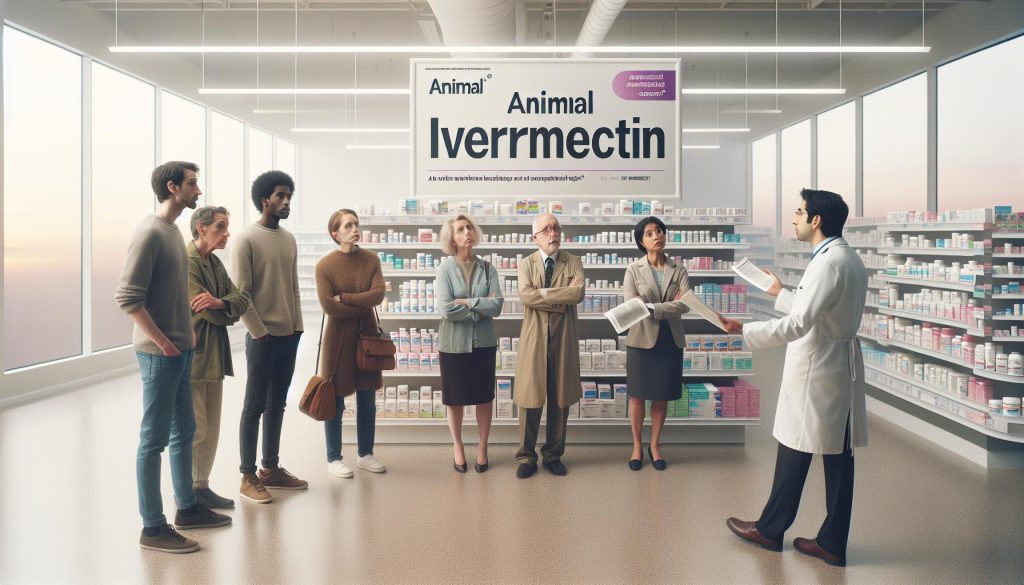
As interest in alternative treatments surged, especially during health crises, many have pondered whether animal-grade ivermectin is safe for human use. This question holds significant importance as misinformation can lead to serious health risks. While ivermectin is a vital medication for various parasitic infections in both animals and humans, it’s essential to understand the differences in formulation and dosage. Medical organizations, including the NIH and WHO, have stressed that animal ivermectin is not approved for human consumption and can pose serious safety hazards. As we delve deeper into this topic, we’ll explore the potential dangers of taking animal ivermectin and why seeking proper medical advice and FDA-approved treatments is crucial for your health. Understanding the facts can empower you to make informed decisions in your health journey.
Can Humans Safely Use Animal Ivermectin?
Humans considering the use of animal formulations of ivermectin often face a complex decision influenced by various factors, including efficacy, safety, and legality. Ivermectin is widely used in veterinary medicine to treat a range of parasites in animals, but its use in humans is specifically formulated and dosed differently to ensure safety and effectiveness. While some anecdotal reports suggest that animal ivermectin may provide similar benefits to human versions in managing certain conditions, this approach is fraught with potential risks due to differences in formulation and concentration.
One notable concern is the presence of inactive ingredients in animal formulations that may not be safe for human consumption. Animal medications often contain additives and preservatives that have not been vetted for human use, which could lead to unforeseen side effects or allergic reactions. Furthermore, the dosages in animal ivermectin are typically higher and not adjusted for human bodies, thereby increasing the risk of toxicity. The lack of regulatory oversight in the veterinary arena means that the safety and efficacy of these formulations have not undergone rigorous clinical trials equivalent to those for human-approved medications.
Moreover, the legal implications of using animal ivermectin are significant. In many areas, acquiring animal medications for human use can violate pharmacy laws and regulations, potentially exposing individuals to legal repercussions. Therefore, it is crucial for individuals to consult healthcare professionals before considering any use of veterinary ivermectin products. Overall, while some may hope to leverage its potential benefits, the risks associated with using animal ivermectin render it unsafe for human consumption without proper medical guidance.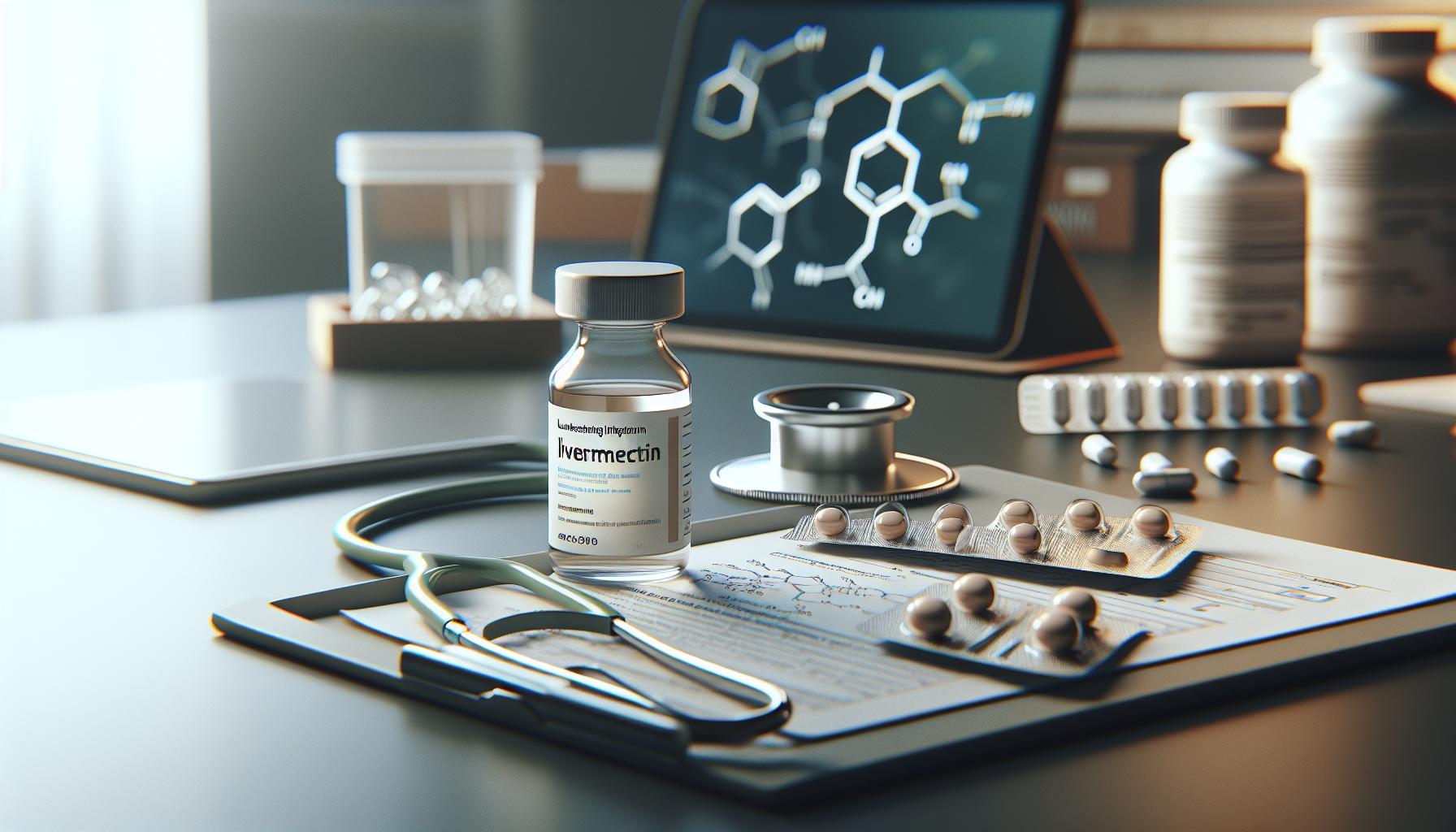
Understanding Ivermectin: What You Need to Know
Ivermectin has become widely recognized, especially during recent public health discussions, for its use against parasitic infections. However, it is essential to understand that the formulations available for animals are distinctly different from those approved for human use. This difference raises critical questions about safety, efficacy, and appropriate use in humans.
Ivermectin in Veterinary Medicine
Ivermectin is predominantly utilized in veterinary medicine to treat various parasitic infections in animals, such as heartworm in dogs and intestinal parasites in livestock. Animal formulations typically contain higher concentrations of the active ingredient and may include additional components that are not safe for human consumption. Inactives in these formulations might provoke allergic reactions or other side effects in humans, presenting a significant risk when used outside veterinary guidelines.
Regulatory Considerations
The regulatory landscape surrounding veterinary medicines differs starkly from that of human pharmaceuticals. While human drugs undergo rigorous testing and evaluation for safety and efficacy, animal drugs do not have the same level of oversight. This gap means that animal ivermectin products may not meet the safety standards necessary for human use, potentially exposing individuals to harmful effects. Users may pose themselves at risk by not only consuming unapproved medications but also by violating pharmacy laws in their pursuit of these drugs.
The Importance of Professional Guidance
Before considering the use of any form of ivermectin intended for animals, it is crucial for individuals to consult healthcare professionals. Medical experts can provide tailored advice based on current scientific evidence and the specific health conditions involved. They can also identify safer and more effective alternatives that have been rigorously tested in human populations. Engaging in informed conversations with healthcare providers ensures a balanced approach and fosters safer health practices.
In summary, while the allure of animal formulations of ivermectin may be strong, particularly in the context of anecdotal reports, the potential risks far outweigh any perceived benefits. Safety, efficacy, and legal compliance should guide any decision involving ivermectin use in humans.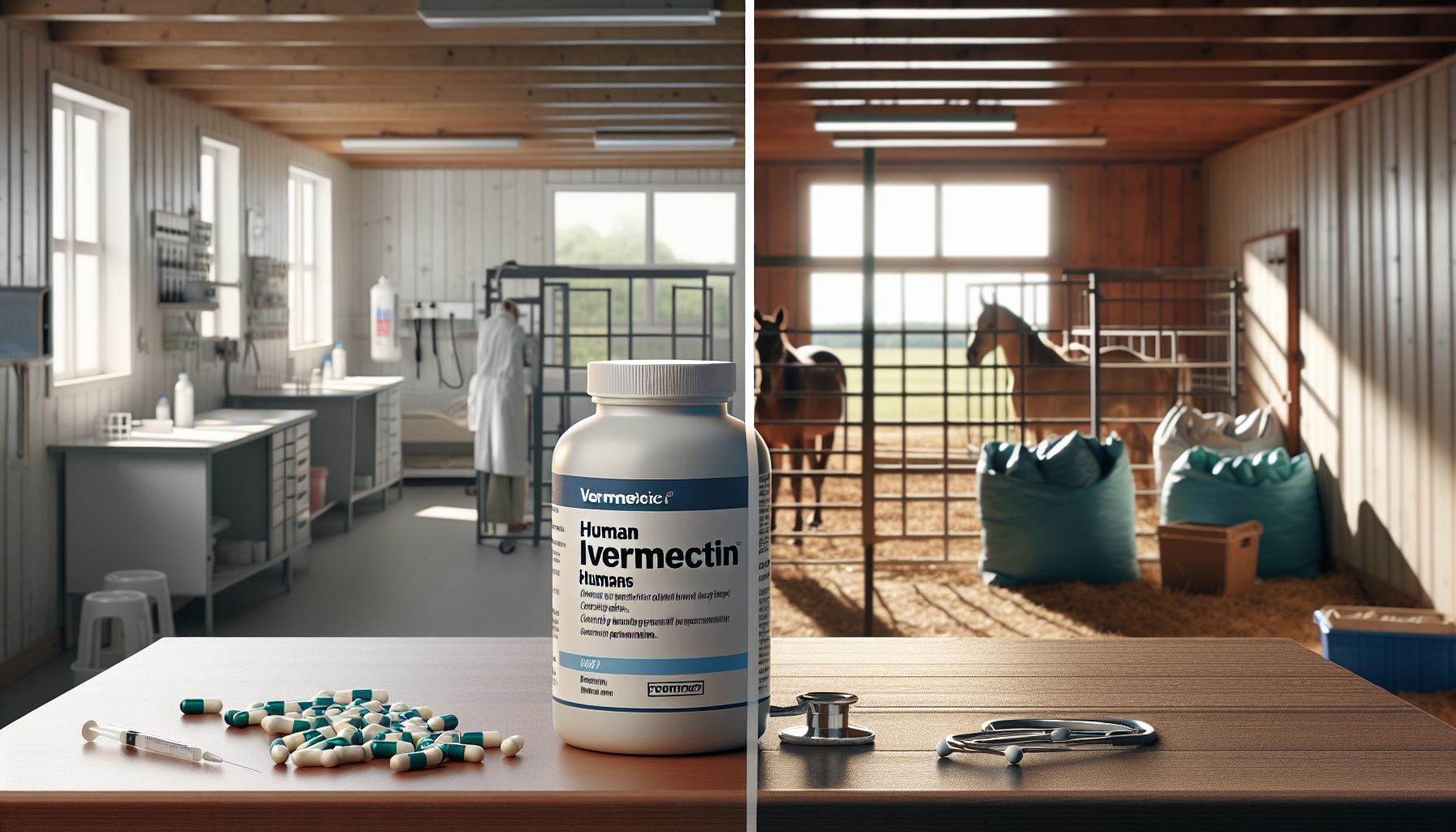
Differences Between Human and Animal Ivermectin
The distinction between human and animal ivermectin is crucial for anyone considering its use. While both types of formulations contain the same active ingredient-ivermectin-there are significant differences in their concentrations, components, and intended uses that can greatly affect safety and effectiveness.
Human ivermectin is specifically designed and tested for use in people, with dosages calibrated for human physiology. It is primarily utilized to treat certain parasitic infections, such as strongyloidiasis and onchocerciasis. In contrast, animal ivermectin, often administered in veterinary settings for a variety of animals including livestock and pets, typically contains much higher concentrations of the active ingredient. This is critical because the dosages that are safe for animals can be unsafe for humans, increasing the risk of overdose and adverse reactions. Additionally, animal formulations may include excipients or preservatives that are not evaluated for safety in humans, which can lead to unexpected side effects, including allergic reactions.
Furthermore, the regulatory standards governing veterinary drugs differ significantly from those for human medications. Human drugs undergo extensive clinical trials to establish their safety and efficacy for human populations, while veterinary drugs may not be subjected to the same rigorous testing. This means that animal ivermectin may lack the necessary evaluations required to determine its safety for human consumption, presenting a notable risk for those considering its use.
Ultimately, it is essential for individuals to understand that using animal ivermectin poses potential health hazards due to these differences. Over-the-counter veterinary products can be misleading because of their packaging and marketing, and using them without professional guidance can lead to serious health complications. Engaging with healthcare professionals before even considering these products can help navigate the complexities surrounding their use.
Potential Benefits of Ivermectin for Humans
Ivermectin has garnered attention for its potential benefits, particularly regarding its effectiveness against various parasitic infections in humans. This antiparasitic medication is primarily noted for its role in treating two serious illnesses: onchocerciasis (river blindness) and strongyloidiasis. Patients with these conditions have reported significant improvement, highlighting that, when used appropriately and under medical guidance, ivermectin can lead to successful treatment outcomes.
Healthcare providers often prescribe ivermectin due to its safety profile relative to its therapeutic effects. The medication essentially interferes with the nerve and muscle function of parasites, leading to their eventual death and clearance from the body. As a result, individuals suffering from such infections may experience relief from symptoms, improved health, and a return to a more normal lifestyle. Additionally, ivermectin has shown promise in treating other conditions, such as scabies and various ectoparasitic infections, further establishing its versatility in managing different health issues.
While the allure of ivermectin has led some to explore its use for other purposes, including viral infections, it is essential to approach this with caution. The regulatory landscape is firmly in favor of established uses backed by rigorous research. So, while anecdotal evidence and some small studies suggest potential benefits beyond parasitic infections, large-scale clinical trials are necessary to fully evaluate these claims. Engaging with healthcare professionals is crucial in making informed decisions about the use of ivermectin, especially when considering alternative applications that warrant further investigation.
In summary, while ivermectin has benefits that are well-documented in treating specific parasitic infections, its safety and efficacy are closely tied to the proper formulation and dosage for human use. Any exploration into broader therapeutic uses should be approached with respect for the current scientific consensus and medical advice.
Possible Risks and Side Effects of Ivermectin
Ivermectin has captured attention not only for its established use in treating parasitic infections but also for the growing interest in its off-label applications. However, amid this interest lies a complex landscape of potential risks and side effects, particularly when it comes to using animal formulations of ivermectin in humans.
When considering ivermectin’s safety profile, it’s essential to recognize that dosages and formulations intended for animals can differ significantly from those prescribed for humans. Animal ivermectin is often available in concentrations and forms not evaluated for human consumption, which can increase the risk of adverse effects. Common side effects of ivermectin, whether sourced from human or animal versions, may include dizziness, nausea, diarrhea, and allergic reactions. Severe reactions, although rare, can occur, especially if the dosage is not correctly adjusted. For individuals with pre-existing conditions or those on specific medications, the risks can be heightened. These populations may experience exacerbated effects due to drug interactions or underlying health issues that ivermectin could negatively affect.
Understanding the Risks
One of the significant concerns with using animal ivermectin in humans is the potential for overdose. Symptoms of ivermectin toxicity can include confusion, seizures, hypotension, and even coma. Given that equine or bovine formulations often contain much higher concentrations compared to those approved for human use, an accurate understanding of suitable dosages is crucial. Moreover, the surfactants or other excipients found in animal medications may not be safe for human consumption, potentially leading to unintended side effects.
Consultation is Key
The overarching message from health professionals emphasizes the importance of consulting a healthcare provider before using any form of ivermectin not specifically formulated for human use. Medical guidance ensures that potential risks are mitigated through appropriate dosing and monitoring. It also helps to consider alternative treatments that may be better studied and validated for efficacy and safety in humans, reducing the risks associated with off-label use of veterinary medications.
Informed discussions with healthcare professionals pave the way for safer therapeutic choices, recognizing that while the pursuit of effective treatments is vital, it should never compromise patient safety.
How Ivermectin Works: The Science Explained
Ivermectin has captured the interest of both the medical community and the public due to its effectiveness in treating various parasitic infections. What makes this drug unique is its mechanism of action, which helps to elucidate why it may not be suitable for every situation-especially when considering animal formulations. Understanding how ivermectin works at a biological level is crucial for anyone contemplating its use, particularly in contexts outside its approved indications.
Ivermectin functions primarily by binding to certain chloride channels in the nerve and muscle cells of parasites. These channels are essential for maintaining the balance of chloride ions across cellular membranes, which is crucial for proper muscle function and nervous system activity. When ivermectin interacts with these channels, it causes an influx of chloride ions, leading to paralysis and death in susceptible parasites, such as those causing river blindness and onchocerciasis. This targeted action is effective against a variety of parasitic worms and ectoparasites like lice and mites.
The safety profile of ivermectin is enhanced by this selective targeting. In humans, it is usually well-tolerated and has a low incidence of serious side effects, provided that it is dosed correctly. However, when it comes to animal formulations, the concentrations of ivermectin can be significantly higher, designed to treat larger animals, such as cattle or horses. This discrepancy poses a serious risk if humans attempt to self-medicate with these veterinary products. For instance, incorrect dosing can lead to toxic effects, including neurological complications-symptoms that can manifest as confusion, seizures, or even coma due to the excessively high levels of the drug in the human body.
Proper use of ivermectin underscores the importance of medical oversight. Healthcare professionals can prescribe doses calibrated for human use based on clinical guidelines and individual health needs. Consequently, substituting animal ivermectin for human use not only poses risks of overdose but also raises concerns about other ingredients present in veterinary formulations, which may not have been tested for human safety. Overall, while ivermectin holds promise as an effective treatment against certain pests and parasites, the complexities surrounding its application-particularly the differences between animal and human formulations-call for caution and informed medical guidance.
Legal and Regulatory Status of Ivermectin
Ivermectin’s pathway from discovery to widespread use illuminates the complexities surrounding its regulatory status, particularly when discussing its application for human versus animal health. Originally approved by the FDA in 1996 for the treatment of specific parasitic infections in humans, ivermectin has also been utilized extensively in veterinary medicine. This dual use presents a regulatory challenge: the formulations designed for animals frequently contain higher concentrations of the drug and might include other inactive ingredients that are not safe for human consumption.
In the United States, ivermectin is available by prescription for human use, ensuring that dosages and applications are closely monitored by healthcare professionals. Conversely, animal formulations, such as those for livestock or pets, are often available over-the-counter, leading to potential misuse or self-medication by humans. The FDA has issued warnings against the use of animal ivermectin for therapeutic purposes in humans, emphasizing that these products are not formulated with human safety in mind and could lead to serious health risks, including neurotoxicity.
Internationally, regulatory perspectives on ivermectin vary. Some countries have included it in their treatment protocols for parasitic infections in humans, while others maintain strict controls over its distribution. The safety and efficacy of ivermectin for COVID-19, a topic of significant debate during the pandemic, further complicated its regulatory landscape. Regulatory agencies like the WHO and FDA have not approved its use for this purpose, while anecdotal reports and non-scientific advocacy have created a patchwork of public sentiment toward ivermectin use outside its approved indications.
As regulatory frameworks evolve, it is crucial for potential users to remain informed about the legal status of ivermectin and related products in their region. Consulting with healthcare providers remains the safest approach when considering any medication, especially one not explicitly approved for human use. Understanding the distinctions between human and veterinary formulations, and the associated risks, is vital for making informed health decisions.
Real-Life Stories: Ivermectin Experiences
In a world where information spreads rapidly, stories about ivermectin use in humans-especially animal formulations-have captured public attention. Some individuals turned to animal-grade ivermectin during the pandemic, inspired by anecdotal evidence suggesting it could help with conditions like COVID-19. While many shared positive experiences online, such as relief from symptoms or successful parasite eradication, the complexities and potential dangers of using animal ivermectin for human consumption are significant.
Take, for instance, a case reported by a farmer who believed that using livestock ivermectin would provide a quick fix for persistent skin issues. After self-administering a dose intended for horses, he experienced severe side effects, including dizziness and confusion. This led to an urgent visit to the emergency room, highlighting the risks associated with misusing veterinary medications. Such stories underscore the overwhelming consensus in the medical community on the importance of using medications specifically formulated for humans, as these are closely monitored for safety and efficacy.
Moreover, testimonials from healthcare professionals echo these concerns. Many doctors emphasize that while ivermectin is an effective treatment for certain parasitic infections when used correctly, using formulations intended for animals poses serious health risks. They advocate for individuals to consult healthcare providers before considering any off-label use of ivermectin. This approach not only protects personal health but also reinforces the importance of research-backed treatments.
Ultimately, these real-life experiences paint a cautionary tale about the allure of quick solutions found in unregulated products. Engaging with healthcare professionals and relying on proven medical guidelines remain the safest ways to navigate treatment options, ensuring comprehensive and safe care.
Expert Opinions: What Doctors Say About Ivermectin
Although ivermectin has garnered attention for its potential uses across various ailments, the consensus among medical professionals is that humans should strictly avoid using animal-grade formulations. The principal reasons are rooted in safety, efficacy, and appropriate medical oversight. When doctors evaluate the use of medications, they consider specific parameters, including dosing accuracy and the presence of additional ingredients that might be harmful to humans, which are not regulated in animal formulations.
Doctors highlight significant differences in the concentrations and delivery methods of Ivermectin used for pets and livestock compared to those intended for human use. A common concern is that an inappropriate dose from animal ivermectin can lead to toxic side effects, such as neurological problems or gastrointestinal distress. Many physicians emphasize that these formulations are not tested for human consumption, which raises serious red flags about safety and potential interactions with other medications a person may be taking.
Furthermore, testimonials from healthcare providers underline that while ivermectin can be effective against certain parasitic infections in humans, this effectiveness is exclusively associated with human-approved formulations. By using veterinary products, individuals risk not only their health but also legal repercussions as these products are not sanctioned for human use. Health experts encourage anyone considering ivermectin for off-label purposes to first engage in a thorough discussion with their medical practitioners. This ensures that treatment methods are both safe and evidence-based, rather than reliant on potentially misleading anecdotal success stories.
In summary, the expert advice is clear: consult a healthcare provider for any use of ivermectin and rely solely on medications specifically designed for human beings. This approach ensures both safety and efficacy, safeguarding adverse effects that can arise from the misuse of veterinary products. It’s important for individuals to seek professional medical advice rather than turning to unregulated treatments as a solution.
Alternatives to Ivermectin for Human Use
While the allure of ivermectin’s potential benefits for various human conditions has grown, many people are understandably seeking safe and effective alternatives. Fortunately, there are several options available depending on the specific health concern you may have. These alternatives not only align with medical recommendations but also come with a level of safety and regulatory oversight absent in animal-grade ivermectin.
To begin with, for treating parasitic infections, doctors often recommend medications such as albendazole or mebendazole, both of which are specifically designed for human use and have a well-documented safety profile. These medications work by inhibiting the metabolism of the parasite, effectively eliminating them from the body. Additionally, for conditions like scabies, topical treatments such as permethrin cream are effective and safe, providing a more targeted approach without the systemic risks associated with orally ingested medications.
For individuals seeking to enhance their immune system or combat the effects of certain infections, natural remedies such as garlic, known for its antimicrobial properties, or oregano oil, which has been shown to possess antibacterial characteristics, can be considered. Moreover, supporting overall health through a balanced diet rich in vitamins and minerals is crucial. Foods high in antioxidants, such as berries and leafy greens, can bolster immune function, providing a holistic approach to health.
It’s important to remember that not all alternative treatments are equal. Always consult with a healthcare provider to determine the most appropriate alternative for your specific circumstances. Engaging in open discussions about symptom management can lead to tailored strategies that respect individual health needs, mitigating the risks associated with using unregulated substances. By actively exploring these validated alternatives, individuals can navigate their health concerns more safely and effectively.
Sourcing Ivermectin: Guidelines for Users
When considering the use of ivermectin, particularly formulations intended for animals, it is essential for users to approach sourcing with caution. While the potential of ivermectin has garnered significant attention, its safety and effectiveness can vary dramatically between products designed for veterinary versus human use. Thus, understanding where and how to source ivermectin is critical for ensuring safety.
Guidelines for Sourcing Ivermectin
To prioritize safety and efficacy, users should adhere to the following guidelines when sourcing ivermectin:
- Consult a Healthcare Professional: Before obtaining any form of ivermectin, it’s crucial to speak with a healthcare provider. They can offer specific advice tailored to your health needs and clarify whether ivermectin is an appropriate option.
- Choose Human-Approved Formulations: If ivermectin is deemed necessary, obtain it through licensed pharmacies that provide formulations specifically approved for human use. These products have undergone rigorous testing for safety and efficacy, unlike animal-grade ivermectin, which may contain different concentrations and inactive ingredients.
- Avoid Unregulated Sources: Steer clear of purchasing ivermectin from online platforms or stores that do not have a verifiable reputation or lack clear information on manufacturing standards. Unregulated sources may sell products that could be unsafe or ineffective.
- Be Aware of Expiration Dates: Always check the expiration date before using ivermectin. Medications that are expired may not produce the desired effects and could potentially be harmful.
- Follow Dosage Instructions Carefully: If prescribed ivermectin, adhere strictly to the dosage recommendations provided by your healthcare provider. Misuse or incorrect dosing can lead to adverse effects.
Legal Considerations
It is also vital to consider the legal landscape regarding ivermectin. In many regions, the use of animal ivermectin in humans is not endorsed by health authorities and may be illegal. Users should familiarize themselves with local regulations to avoid legal repercussions and health risks associated with improper use.
By following these guidelines for sourcing ivermectin, individuals can make informed choices that prioritize their safety and well-being. With the right approach, it is possible to navigate the complexities of ivermectin use while remaining within the framework of medically sound practice.
Frequently Asked Questions About Ivermectin Safety
While the potential for ivermectin as a treatment option has intrigued many, the question of safety, particularly regarding the use of formulations intended for animals, raises significant concerns. Understanding the nuances of ivermectin is crucial for those considering its use. Many people have turned to animal ivermectin products due to their availability and cost, yet this poses a risky endeavor given the differences in formulation, concentration, and regulatory oversight between human and veterinary medications.
One of the most pressing concerns is dosage. Ivermectin for animals is often concentrated differently than human formulations, leading to serious risks if humans take them inappropriately. For instance, a dose intended for large animals could be drastically higher than what is safe for humans, resulting in toxic effects. Moreover, animal medications may contain additional chemicals that are not safe for human consumption. Therefore, it is vital for users to consult with healthcare professionals to determine the appropriateness of ivermectin and the correct formulation needed for their specific conditions.
Another factor to consider is the legal implications of using animal ivermectin in humans, which is often not recognized as safe by regulatory bodies like the FDA. Using these products can lead to unexpected legal consequences, alongside health risks. Users should educate themselves about the laws governing drug use in their area and avoid purchasing from unverified sources where product quality is uncertain. Transparency in sourcing and adherence to guidelines can significantly enhance safety when considering ivermectin for any purpose.
In summary, while the allure of affordable ivermectin for humans is understandable, the safety risks associated with animal formulations cannot be overstated. By following guidelines, consulting healthcare professionals, and understanding legal ramifications, individuals can navigate the complexities of ivermectin use more safely and effectively.
Q&A
Q: Can I use animal ivermectin to treat COVID-19 in humans?
A: No, using animal ivermectin for COVID-19 treatment in humans is not recommended. The formulations differ, and safety and effectiveness in humans have not been established. It’s crucial to consult healthcare professionals for approved treatments and avoid self-medication.
Q: What are the side effects of taking animal ivermectin intended for livestock?
A: Side effects can vary widely and may include nausea, diarrhea, headaches, and more severe allergic reactions. Since these products are not approved for human use, they can lead to unpredictable and dangerous health issues. Always consult a healthcare provider for safe alternatives.
Q: Is it legal for humans to use animal ivermectin?
A: Using animal ivermectin can be legally questionable and unsafe for humans. Regulations vary by region, and it’s best to use medications specifically formulated for human consumption. Check with local health authorities for guidance.
Q: How effective is animal ivermectin compared to human formulations?
A: Animal ivermectin is not proven to be effective or safe for human use. Human formulations have undergone rigorous testing for safety and efficacy, while animal ivermectin lacks such studies. For treatment, only use medications prescribed by a healthcare professional.
Q: Can taking animal ivermectin lead to overdose in humans?
A: Yes, taking animal ivermectin can lead to overdose, which is potentially life-threatening. Symptoms may include confusion, seizures, and other severe neurological impacts. If an overdose occurs, seek emergency medical attention immediately.
Q: Are there any alternatives to ivermectin for humans?
A: Yes, there are various alternatives available depending on the condition being treated. Always discuss treatment options with a healthcare provider to ensure safe and effective alternatives tailored to human health needs.
Q: How should I seek medical advice if I’ve taken animal ivermectin?
A: If you’ve taken animal ivermectin, contact a healthcare professional immediately. They can provide necessary evaluations and interventions. It’s essential to disclose the exact product taken for appropriate care.
Q: What key differences exist between animal and human ivermectin?
A: The primary differences include formulation, dosing, and safety testing. Human ivermectin is specifically designed for human pharmacokinetics, while animal ivermectin products may contain other additives unsuitable for humans. Always opt for human-approved medications for safety.
Closing Remarks
As we’ve explored the important safety considerations of using animal ivermectin for human consumption, it’s clear that making informed decisions is crucial for your health. If you’re contemplating treatment options for parasitic infections or other conditions, don’t hesitate to consult a healthcare professional for personalized advice. For more insights into safe medication practices, check out our articles on Ivermectin Side Effects and Drug Interactions.
Stay informed and empowered in your wellness journey by subscribing to our newsletter for updates on the latest health information. Your health matters, and knowledge is your best ally! If you have any experiences or questions regarding the use of ivermectin, we encourage you to share them in the comments below, fostering a supportive community for everyone. Explore more and take the next step toward understanding your health better today!
Get our latest guides, news, and insights highlighted in your Google Search & AI Overviews.