
Ivermectin has garnered significant attention as a treatment for various parasitic infections, but it’s essential to understand which formulations are safe and effective for human use. This powerful antiparasitic drug is not just for certain conditions; it may also play a role in innovative treatments for other health issues. However, with so many different types available, including those intended for animals, discerning which ivermectin is appropriate for humans can be daunting. Many readers find themselves concerned about the proper dosages, potential side effects, and the controversies surrounding its off-label uses. This article aims to guide you through the complexities of ivermectin, providing expert insights into which options are tailored for human health, their applications, and what you need to consider before treatment. Join us as we explore the science and stories behind ivermectin, empowering you with the knowledge to navigate this critical aspect of health and wellness effectively.
Which Forms of Ivermectin Are Safe for Humans?
Ivermectin, a medication initially developed to treat parasitic infections, is available in various forms, but not all are suitable for human consumption. The forms of ivermectin that are safe for humans primarily include oral tablets and topical formulations. These are specifically approved for treating conditions such as river blindness (onchocerciasis) and lymphatic filariasis, as well as certain skin conditions like rosacea.
Oral Tablets
Oral ivermectin is commonly prescribed in tablet form for various parasitic infections. Its efficacy and safety have been well established, especially in recommended dosages for adults, which typically range around 150-200 micrograms per kilogram of body weight, depending on the specific condition being treated. While ivermectin has garnered attention for its potential use in treating COVID-19, studies, such as a placebo-controlled trial conducted in Japan and Thailand, have shown that it is ineffective as a treatment for mild COVID-19, although its safety profile remains intact for the participants involved in the study[3].
Topical Applications
Topical formulations of ivermectin, such as creams or lotions, are also approved for treating certain skin conditions. One common use is for the treatment of rosacea, where ivermectin acts as an anti-inflammatory and anti-parasitic agent. These formulations are well-tolerated and can provide relief from the symptoms associated with facial redness and pustules.
It is essential for users to consult healthcare professionals before starting any ivermectin regimen, especially given the numerous unapproved uses circulating on the internet. Using veterinary formulations intended for animals can be dangerous and unpredictable in terms of safety and effectiveness in humans. Applications specifically designed for animal use can lead to serious side effects, including toxicity and severe adverse reactions, as seen in cases linked to incorrect usage scenarios[2].
In summary, the safe forms of ivermectin for human use include oral tablets and topical applications prescribed by a healthcare provider. It is vital to adhere to these recommendations to ensure safety and effectiveness in treating approved conditions.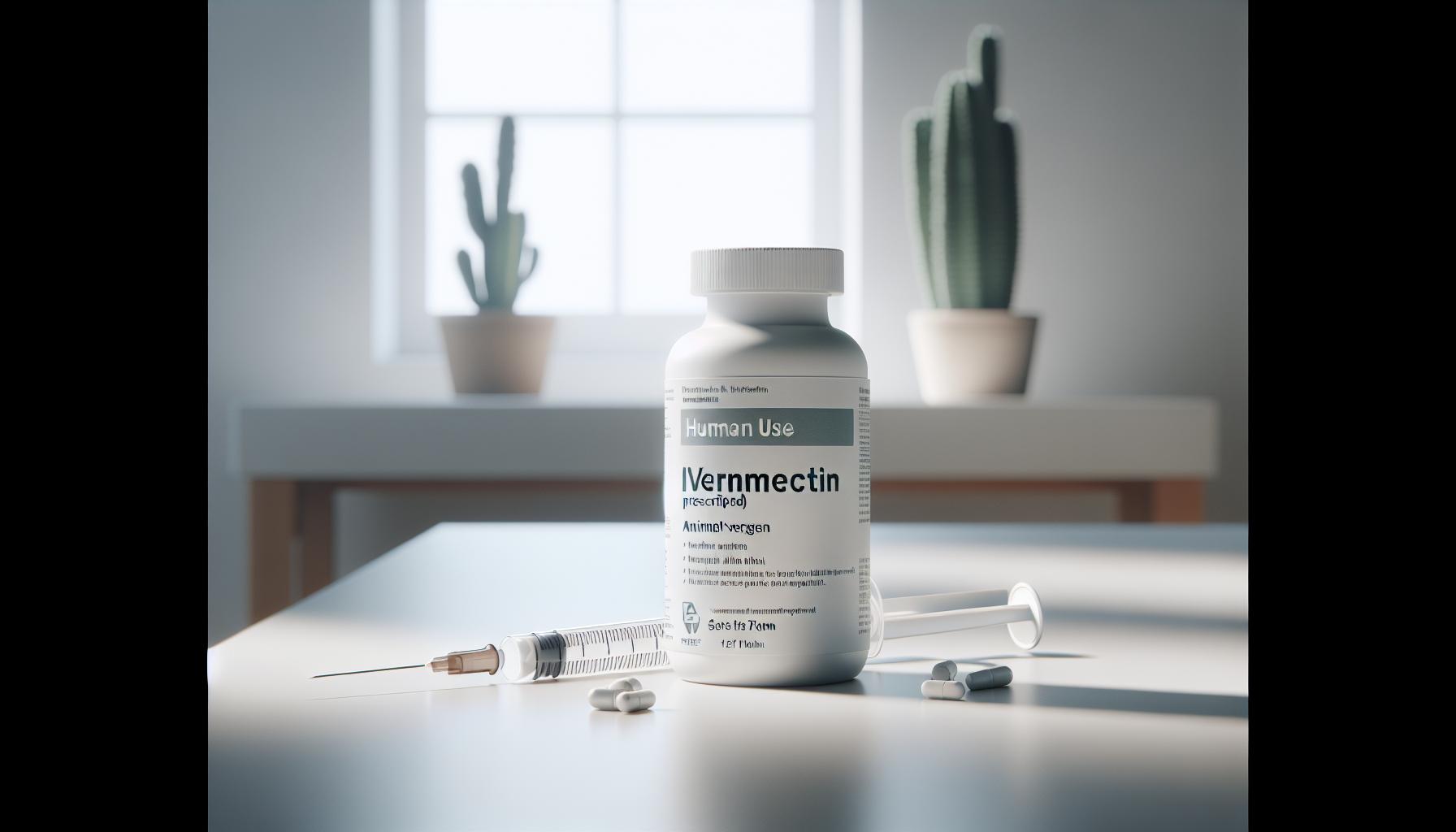
Understanding the Science Behind Ivermectin
Ivermectin has gained significant attention as a versatile therapeutic agent, celebrated for its remarkable ability to combat various parasitic infections. Originally developed in the late 1970s, this drug has transformed the treatment landscape for diseases such as onchocerciasis and lymphatic filariasis. Understanding how ivermectin works involves delving into its mechanism of action, its safety profiles, and the implications of its use in different contexts.
The primary mechanism through which ivermectin exerts its effects is by binding to specific chloride channels, particularly those associated with the neurotransmitter gamma-aminobutyric acid (GABA). This binding disrupts the function of the parasite’s nerve and muscle cells, resulting in paralysis and eventual death of the organism. While this mechanism effectively targets various parasitic worms, its impact is more complex when considering its use in humans, especially regarding conditions such as COVID-19 where claims regarding its efficacy have emerged.
Clinical trials investigating ivermectin for COVID-19 have produced mixed results, with regulatory bodies like the FDA concluding that there is insufficient evidence to support its use for this purpose. Studies, including a multi-regional trial conducted in Japan and Thailand, found that although ivermectin was safe for mild COVID-19 patients, it did not demonstrate clinical efficacy in improving outcomes for these patients [3[3]. This continued uncertainty reflects a broader narrative in the scientific community, where the promise of ivermectin is often contrasted with the need for rigorous testing and adherence to approved uses.
It is imperative for users to consult healthcare professionals before considering ivermectin for any off-label uses. Misuse, particularly with veterinary formulations, can result in severe health risks, including toxicity and serious adverse effects [2[2]. Therefore, grounding our understanding of ivermectin in its established uses-as a treatment for specific parasitic infections-ensures that we approach this drug with the respect and caution warranted by its powerful properties.
Dosage Guidelines: How Much Ivermectin to Take
When it comes to determining the appropriate dosage of ivermectin for humans, understanding specific guidelines based on the treatment’s purpose and the patient’s body weight is essential. This drug, which plays a crucial role in combatting various parasitic infections, typically requires careful calculation to ensure safety and effectiveness.
Ivermectin dosages can vary significantly depending on the condition being treated. For instance, the recommended dosage for strongyloidiasis-the most common use-ranges from 150 to 200 micrograms per kilogram of body weight for a single oral dose. Meanwhile, the treatment for conditions like onchocerciasis (river blindness) often involves different regimens, with doses typically repeated every 6 to 12 months based on patient needs and local health guidelines.
For clarity, here’s a general breakdown of ivermectin dosing based on body weight:
| Body Weight (kg) | Single Dose (mg) | 3 mg Tablets Needed |
|---|---|---|
| 15 to 25 | 1 mg | 1 Tablet |
| 26 to 44 | 2 mg | 1 Tablet |
| 45 to 64 | 3 mg | 1 Tablet |
| 65 to 84 | 4 mg | 2 Tablets |
| 85+ | 5 mg+ | Calculated based on weight |
It’s crucial for individuals to consult healthcare professionals to determine the most appropriate dosage, especially since miscalculation may lead to ineffective treatment or increased risk of side effects. Furthermore, while ivermectin is safe for humans when prescribed appropriately, off-label use-particularly of veterinary formulations-poses serious health risks. Hence, adhering to established dosage guidelines not only enhances treatment effectiveness but also ensures patient safety.
Potential Side Effects of Ivermectin Use
Ivermectin, while widely regarded for its safety profile, is not without potential side effects that users should be aware of before considering its use. Symptoms can range from mild to moderate and typically depend on individual sensitivity, the dosage taken, and the specific condition being treated. Most commonly, patients may experience gastrointestinal issues, including nausea, vomiting, diarrhea, or abdominal pain. These effects are usually transient and diminish as the body adjusts to the medication.
Furthermore, some individuals may report central nervous system-related side effects, such as dizziness or headaches. These symptoms are generally mild but warrant caution, particularly if they significantly impair daily activities. Allergic reactions, while rare, can also occur, potentially manifesting as skin rashes, itching, or swelling. In such cases, it is crucial to seek medical attention immediately, indicating a hypersensitivity to the medication.
Severe Reactions
In extremely rare instances, ivermectin can lead to severe neurological effects, particularly in patients with compromised immune systems or those suffering from infections causing significant inflammation. These rare but serious reactions might include seizures or encephalopathy. The risk for such serious adverse effects increases in individuals who have high parasite loads, as the drug can trigger an inflammatory response.
Patients should be advised to monitor their reactions closely and maintain open communication with healthcare professionals, especially when starting treatment. It’s also vital to adhere strictly to prescribed dosages and avoid using formulations intended for veterinary use, as these can have different concentrations and ingredients that may not be safe for human consumption.
Ultimately, understanding the side effects of ivermectin is essential for anyone considering its use. By being informed, users can more effectively discuss their treatment options with healthcare providers and ensure a balanced approach to managing their health conditions safely.
Ivermectin for Treating Specific Conditions
Ivermectin is a well-known antiparasitic medication that has been used effectively for decades to treat various infections in humans. Originally developed to combat parasitic diseases such as river blindness (onchocerciasis) and lymphatic filariasis, its safety and efficacy for certain conditions make it a valuable tool in the medical arsenal. However, the evolving landscape of its use-especially amid the COVID-19 pandemic-has prompted questions about the specific conditions for which ivermectin is appropriate and the formulations that are safe for human consumption.
When it comes to treating specific conditions, ivermectin is primarily prescribed for parasitic infections. For example, it has been approved for the treatment of onchocerciasis, strongyloidiasis, and scabies. In these instances, the oral formulation of ivermectin is typically administered once or in a series of doses, depending on the severity of the infection. The exact dosage varies based on the patient’s weight and the specific infection being treated, emphasizing the importance of a healthcare provider’s guidance to ensure both effectiveness and safety.
While some studies have explored ivermectin’s potential effectiveness against viral infections like COVID-19, the overall consensus among health authorities-including the FDA-is that there is insufficient evidence to support its use for this purpose in humans. Clinical trials have not demonstrated robust efficacy for treating COVID-19, highlighting the need for caution and consultation with healthcare professionals when considering ivermectin for unapproved uses. Furthermore, adverse reactions can be more pronounced in cases where ivermectin is misused or sourced from veterinary products, underscoring the necessity of adherence to approved formulations designed specifically for human use.
In summary, while ivermectin has a solid track record for treating specific parasitic conditions, its application beyond these approved uses remains contentious and should be approached with caution. Anyone considering ivermectin for a health condition should engage in comprehensive discussions with their healthcare provider to ensure they receive safe and effective treatment tailored to their needs.
Regulatory Status: Approved vs. Unapproved Uses
The regulatory landscape for ivermectin is complex and primarily revolves around its use as a treatment for parasitic infections. Originally developed in the late 1970s, ivermectin garnered attention for its effectiveness in treating conditions such as river blindness and lymphatic filariasis, which have afflicted millions globally. These applications led to its approval in various countries and recognition by the World Health Organization as an essential medicine. However, the recent surge in interest surrounding ivermectin, especially amid the COVID-19 pandemic, has opened up discussions about its safety and legitimacy as a treatment for non-parasitic conditions.
The U.S. Food and Drug Administration (FDA) has made its position clear: it has not authorized or approved ivermectin for the prevention or treatment of COVID-19 in humans or animals, stressing that ongoing clinical trials have not produced sufficient evidence of its efficacy against the virus [2[2]. This unapproved status for COVID-19 treatment stands in stark contrast to its well-established role in managing specific parasitic infections. Human formulations of ivermectin, approved for conditions like onchocerciasis and strongyloidiasis, differ significantly from veterinary products, which can pose grave health risks if misused.
The safety profile of ivermectin when used correctly cannot be overstated; however, misuse, often driven by unfounded claims of effectiveness against viral infections, has resulted in reported toxic effects. Serious side effects, including confusion, seizures, and even death, have been documented, particularly among those self-medicating with veterinary formulations [1[1]. This underlines the importance of obtaining ivermectin through legitimate medical channels, ensuring that patients receive the right formulation at the appropriate dosage. The FDA’s vigilance aims to protect public health amid a landscape where misinformation can lead to dangerous outcomes.
In summary, while ivermectin has proven beneficial for specific approved uses, caution is needed regarding unapproved applications. Anyone considering ivermectin for any condition should engage in thorough discussions with healthcare professionals to ensure safe and effective treatment tailored to individual health needs.
Where to Legally Obtain Ivermectin for Human Use
Navigating the landscape of medication can be challenging, especially when it comes to drugs with specific applications like ivermectin. While commonly recognized as an effective treatment for parasitic infections, such as onchocerciasis (river blindness) and strongyloidiasis, lovers of easy access may wonder about the legal avenues for obtaining ivermectin for human use today. Knowing the right sources is crucial for ensuring safety and efficacy.
To legally obtain ivermectin for human use, the most straightforward method is through licensed healthcare providers. Healthcare professionals, such as physicians or specialists in infectious diseases, can prescribe ivermectin in appropriate formulations and dosages tailored to individual health needs. This approach not only ensures the correct application of the medication but also allows for comprehensive medical oversight, particularly for patients with underlying health conditions or concerns about potential drug interactions.
Another reliable option is pharmacies that are authorized to dispense ivermectin. It’s vital to ensure that you’re acquiring the correct formulation (the human version) since veterinary formulations exist and may contain dosages or ingredients unsuitable for humans. Many pharmacies stock ivermectin as part of their inventory, often in the form of oral tablets. For those in need, contacting a pharmacy ahead of time can confirm availability and provide an opportunity to consult about the medication.
Online telehealth services can also be a resource. Many platforms connect patients with licensed healthcare providers who can evaluate needs and offer prescriptions when appropriate. These services have grown considerably in acceptance and offer the convenience of digital consultations, which can be particularly advantageous for those in remote areas or with limited access to traditional medical practices.
Ultimately, the message here is clear: the safest and most effective way to obtain ivermectin for human use is through proper medical channels. Whether it’s visiting a healthcare professional, utilizing legitimate pharmacy services, or exploring reputable telehealth options, accessing ivermectin lawfully and safely is crucial for ensuring health and wellness.
Comparing Ivermectin Varieties: Human vs. Veterinary
Understanding the distinctions between human and veterinary ivermectin is crucial for both safety and effectiveness in treatment. While ivermectin is widely recognized for its role in managing parasitic infections, the specific formulations available for humans differ significantly from those intended for animals. These differences can affect dosage, administration, and even the presence of additional ingredients that might be harmful to humans.
Human ivermectin is primarily available in oral tablet form, approved by health authorities like the FDA for specific indications, such as treating strongyloidiasis and onchocerciasis. The dosages for these treatments are precisely calibrated for human use. In contrast, veterinary ivermectin, commonly found in forms intended for livestock or pets, such as paste or injectable solutions, often contains higher concentrations, which can be dangerous when used by humans. Furthermore, formulations intended for animals might include additional agents for preservation or flavoring that are not safe for human consumption.
When considering which form of ivermectin can be used by humans, it is essential to consult with healthcare professionals who can prescribe the correct formulations. Using veterinary ivermectin without guidance can lead to serious health risks, including toxicity or ineffective treatment for the targeted condition. It’s crucial to only use products specifically labeled and approved for human use, as the safety and efficacy profile of these formulations is well-studied and monitored.
In summary, while both human and veterinary ivermectin target similar parasitic infections, the formulations and concentrations differ markedly. It is always advisable for individuals to seek professional medical advice to ensure that they are using the appropriate product for their health needs, thereby maximizing safety and therapeutic effectiveness.
Expert Opinions: What Do Doctors Say About Ivermectin?
The discussion surrounding ivermectin has evolved significantly over the years, particularly in relation to its use in humans. Medical professionals emphasize the importance of understanding both the indications for ivermectin and the potential risks associated with its use. While it has proven effective for treating certain parasitic infections such as onchocerciasis and strongyloidiasis, the same enthusiasm is not necessarily shared regarding its use for off-label purposes, such as treating COVID-19.
Experts caution that while ivermectin displays a high margin of safety for its approved uses, the lack of robust clinical evidence supporting its effectiveness against viral infections, including COVID-19, should give patients and practitioners pause. For instance, the recent IVERMILCO Study conducted in Japan and Thailand found that ivermectin was ineffective for treating mild COVID-19, although its safety was confirmed in trials involving participants aged 12 and older [1]. This underscores the critical need for care when considering treating conditions beyond established indications.
Moreover, doctors highlight the distinction between ivermectin formulations intended for human consumption and those designed for veterinary use. Veterinary preparations can often contain higher doses and additional components that may not be safe for humans. Health professionals repeatedly advise against self-medication with veterinary products, emphasizing the importance of proper medical consultation to ensure safe and effective treatment options. As one physician put it, “Medication is not a one-size-fits-all solution; it’s crucial to use the medication that is appropriate for the patient’s individual circumstances and condition.”
In navigating the complexities of ivermectin use, patients are encouraged to discuss alternatives and endorse collaborative decision-making with their healthcare providers. With ongoing research and evolving guidelines, the medical community remains vigilant in assessing both the safety and efficacy of ivermectin, ensuring that patient well-being remains at the forefront of any treatment considerations.
The History of Ivermectin in Human Medicine
Ivermectin’s journey from a veterinary medication to a vital human therapeutic agent is a remarkable tale of scientific discovery and humanitarian impact. Discovered in the late 1970s through the fermentation of a soil bacterium called Streptomyces avermitilis, ivermectin was initially developed as an antiparasitic for animals. Its efficacy in combating parasites attracted attention, paving the way for clinical evaluations in humans. By the mid-1980s, extensive trials showcased ivermectin’s effectiveness against onchocerciasis, commonly known as river blindness, leading to its approval for human use in 1987.
The historical pivot in ivermectin’s role came as it was integrated into public health strategies, particularly in areas burdened by parasitic infections. Organizations like the World Health Organization (WHO) and Merck, the pharmaceutical company that brought Ivermectin to market, launched initiatives to distribute the drug, often for free, to those in need, especially in sub-Saharan Africa and Latin America. The impact was profound: ivermectin not only diminished the incidence of onchocerciasis but also began to show efficacy against other conditions such as lymphatic filariasis and strongyloidiasis.
As the excitement surrounding ivermectin grew, so did investigations into its mechanisms and alternative therapeutic effects. While it gained acclaim as a dependable treatment for specific parasitic infections, controversies arose regarding its use in non-approved contexts, particularly in viral infections. During the COVID-19 pandemic, ivermectin was scrutinized, with numerous studies evaluating its antiviral properties, yet yielding mixed results regarding efficacy against the virus. As a result, healthcare professionals urged caution, pivoting the conversation back to the solid historical context of its safe and effective use in treating specific parasitic diseases.
In light of ivermectin’s storied past, it’s crucial for patients and practitioners to differentiate between formulations intended for human use and those made for animals. The human formulation of ivermectin is rigorously tested for safety and efficacy, unlike many veterinary products that may contain different dosages or additives unsuitable for humans. This emphasis on appropriate use echoes the long journey of ivermectin from obscurity to a global health asset, underscoring the importance of remaining informed and cautious when navigating its application in modern medicine.
Patient Stories: Experiences with Ivermectin Treatment
The stories of individuals who have used ivermectin can provide meaningful insights into its impact and efficacy when used appropriately. For many, ivermectin has served as a lifeline against debilitating parasitic infections. Take, for instance, the experience of Maria, a resident in a rural part of sub-Saharan Africa, where onchocerciasis, also known as river blindness, was a prevalent concern. Maria was one of the thousands who benefited from community health initiatives that distributed ivermectin free of charge. After receiving the treatment, she reported a significant improvement in her quality of life and an end to the debilitating skin conditions caused by the disease. Her story is a vivid reminder of how effective ivermectin can be when used in the right context and with proper guidance.
Moreover, patient experiences extend beyond the successful treatment of onchocerciasis. Richard, a man in his late 30s diagnosed with lymphatic filariasis, described how ivermectin transformed his health and outlook on life. After a series of treatments, Rich reported a substantial reduction in swelling and discomfort, allowing him to resume his daily activities without fear. These testimonials highlight the nuances of ivermectin usage-while the results can be profoundly positive, they also underscore the importance of using the medication as directed by healthcare professionals to avoid potential side effects.
It’s essential to approach these personal stories with a balanced perspective. Some individuals have reported mixed results, especially during the controversial discussions surrounding ivermectin as a treatment for COVID-19. For instance, Julie, who sought ivermectin based on anecdotal claims during the pandemic, found herself facing health complications. Her experience serves as a cautionary tale, emphasizing the importance of consulting with healthcare providers and relying on approved medications specifically designed for human use. This serves to remind us that while shared experiences can be illuminating, they should not replace professional medical guidance.
In summary, personal stories of ivermectin users illustrate its potential to improve health outcomes when used appropriately. As patients navigate their treatment options, it’s crucial to focus on the human-approved formulations and consult healthcare professionals to ensure safety and efficacy. These narratives not only inform but also inspire ongoing discussions about the responsible use of ivermectin in modern medicine.
Controversies and Myths Surrounding Ivermectin Use
In recent years, ivermectin has become a focal point of intense debate, particularly surrounding its use during the COVID-19 pandemic. Originally approved for treating various parasitic infections in humans, many sought it out for uses unsupported by robust scientific evidence. This has led to widespread misconceptions and myths about the drug’s safety and efficacy for conditions beyond its approved indications.
One prevalent myth is that ivermectin can be safely used as a generalized treatment for COVID-19. Despite early studies suggesting a potential antiviral effect, large-scale clinical trials, including a notable Phase III study, found that ivermectin did not significantly benefit patients with mild COVID-19[[3]. The National Institutes of Health (NIH) and other health organizations have issued recommendations against its use for this purpose, highlighting the importance of adhering to evidence-based treatments.
Moreover, the comparison between human-grade and veterinary-grade ivermectin has created further confusion. While ivermectin has well-documented efficacy for specific parasitic infections like onchocerciasis in humans, veterinary formulations can have different dosages and inactive ingredients that may pose risks when ingested by humans. This has been emphasized in discussions regarding self-medication, where anecdotes of individuals using farm-grade drugs have surfaced, often resulting in severe health complications, including toxic effects such as seizures and confusion[[1].
The overarching theme in these controversies is the crucial importance of relying on healthcare guidance. Doctors and medical professionals stress that treatments should be prescribed based on rigorous scientific evidence rather than anecdotal success stories. This not only ensures that patients receive the safest and most effective care but also supports the integrity of medication use in public health. Recognizing the myths surrounding ivermectin is essential for informed decision-making and ultimately reinforces the responsible use of pharmaceuticals in modern medicine.
FAQ
Q: What types of ivermectin are safe for humans?
A: The formulations of ivermectin that are safe for humans typically include oral tablets (like Stromectol) and topical creams or lotions. These are FDA-approved for treating conditions such as onchocerciasis and strongyloidiasis. Always consult a healthcare professional before use.
Q: Can humans use veterinary ivermectin?
A: While some people consider using veterinary ivermectin, it is not recommended due to dosage differences and potential safety concerns. Only ivermectin formulations specifically approved for human use should be taken to ensure safety and efficacy.
Q: How do I know if my ivermectin prescription is safe?
A: To ensure your ivermectin prescription is safe, check that it is FDA-approved for human use and prescribed by a qualified healthcare provider. Confirm that the product is intended for treating your specific condition.
Q: What are the differences between human and veterinary ivermectin?
A: The primary differences between human and veterinary ivermectin include dosage forms, concentrations, and intended uses. Human formulations are customized for specific parasitic infections, while veterinary formulations may not have the same safety standards for humans.
Q: Are there any contraindications for using ivermectin?
A: Yes, contraindications for ivermectin use include allergies to the medication, skin infections, and certain medical conditions like liver disease. Always discuss your medical history with your doctor prior to treatment.
Q: What do experts recommend for ivermectin use in humans?
A: Experts recommend using ivermectin only as prescribed for approved conditions. They emphasize the importance of clinical evidence and safety considerations. Consult a healthcare provider to evaluate your treatment options and potential risks.
Q: Is ivermectin effective for treating COVID-19 in humans?
A: Current medical guidelines indicate that the use of ivermectin for treating COVID-19 lacks sufficient evidence. Leading health organizations recommend against its use outside of clinical trials. Always follow professional medical advice regarding COVID-19 treatments.
Q: How should ivermectin be stored to maintain its effectiveness?
A: Ivermectin should be stored at room temperature away from moisture and heat. Ensure it is kept in a tightly closed container. Always check expiration dates and consult your pharmacist for specific storage instructions.
Insights and Conclusions
As we conclude our exploration of “Which Ivermectin Can Humans Take? Expert Selection,” it’s essential to remember that choosing the right formulation is crucial for effective treatment. Whether you’re dealing with parasitic infections or just seeking more knowledge, our expert insights can guide your decisions. For further clarity on dosages and specific conditions addressed by Ivermectin, check out our articles on Ivermectin Uses and Dosage and Parasitic Infections in Humans.
Don’t hesitate-act now! If you have lingering questions or concerns about Ivermectin for human use, consider consulting with a healthcare professional to ensure you’re on the right path. Join our community by signing up for our newsletter, where you can stay updated on the latest health insights and related topics. Your journey toward informed wellness starts here, so continue to explore our resources and empower yourself with knowledge. Share your thoughts and experiences below-your engagement helps us create better content for you!